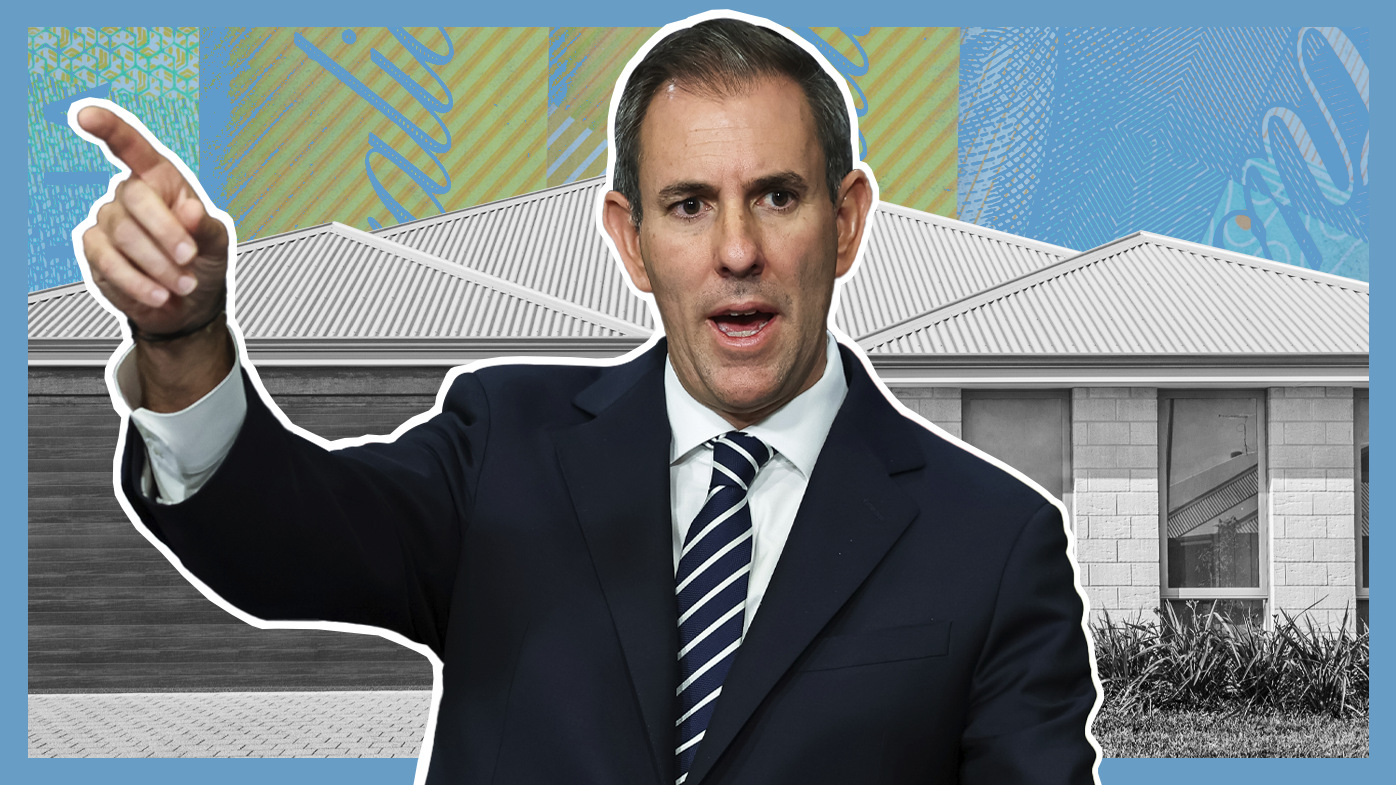
The budget could be one of the most significant in decades as the government pledges major changes in the face of rising global conflict and inflation.
Australians are set to be hit by major tax changes, including losing access to a popular concession, in this year's federal budget, which is shaping up to be one of the most significant in decades.
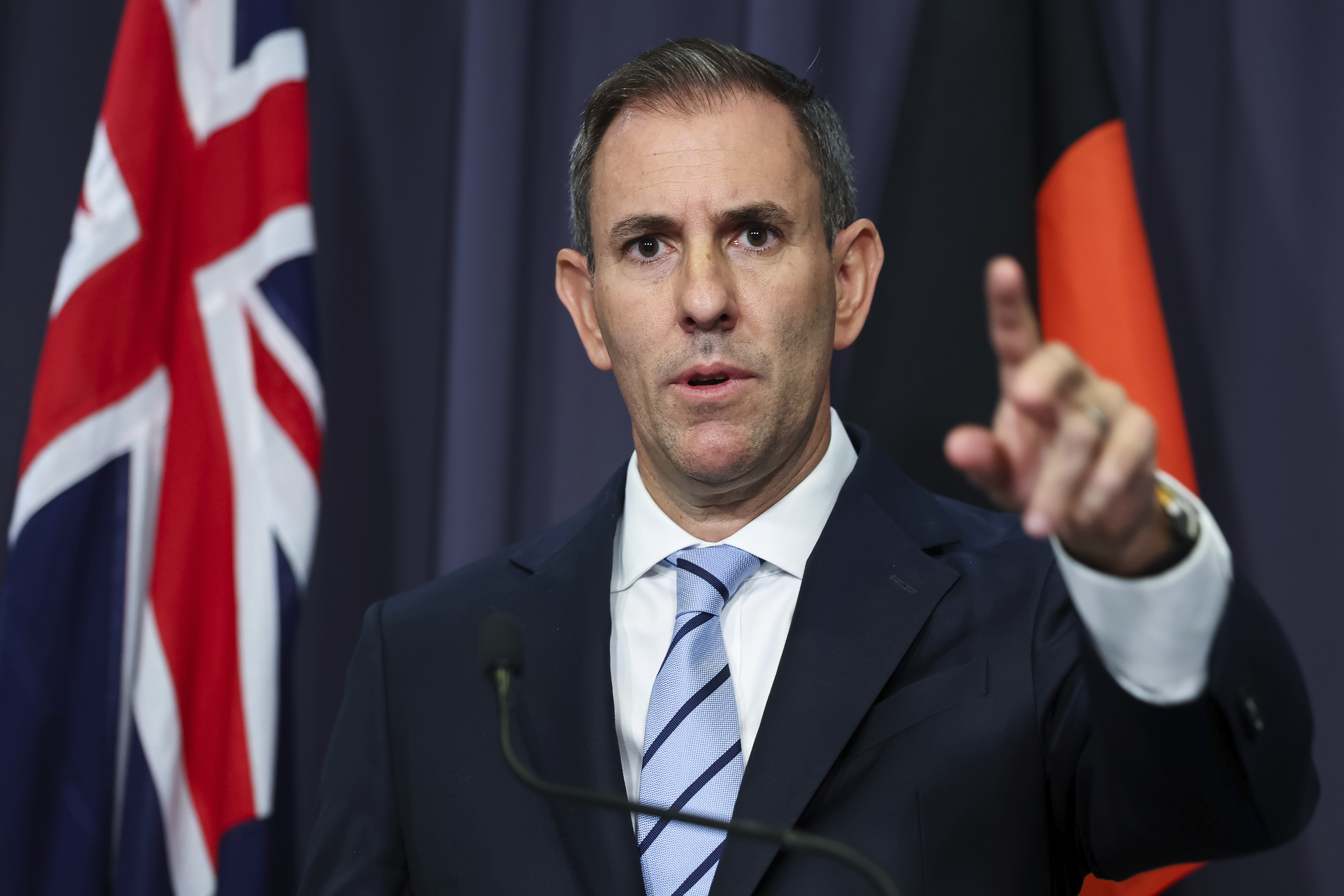
Treasurer Jim Chalmers has pledged to deliver an "ambitious" set of national accounts on May 12 in the face of global conflict and rising inflation, while also saying the economy is being held "hostage" by the war in Iran.
The budget is set to contain three central packages — tax reform, spending savings, and productivity and investment — that are set to address the intergenerational inequity issues younger people are facing.
Here is what you can expect when Chalmers delivers his budget later this month.
READ MORE: You're not imagining it, the price of your groceries is soaring
Tax reform
The government has been dancing around exactly what tax reform it will hand down, but two of the measures that are at least on the table are changes to the $22 billion-a-year capital gains tax (CGT) discount and negative gearing.
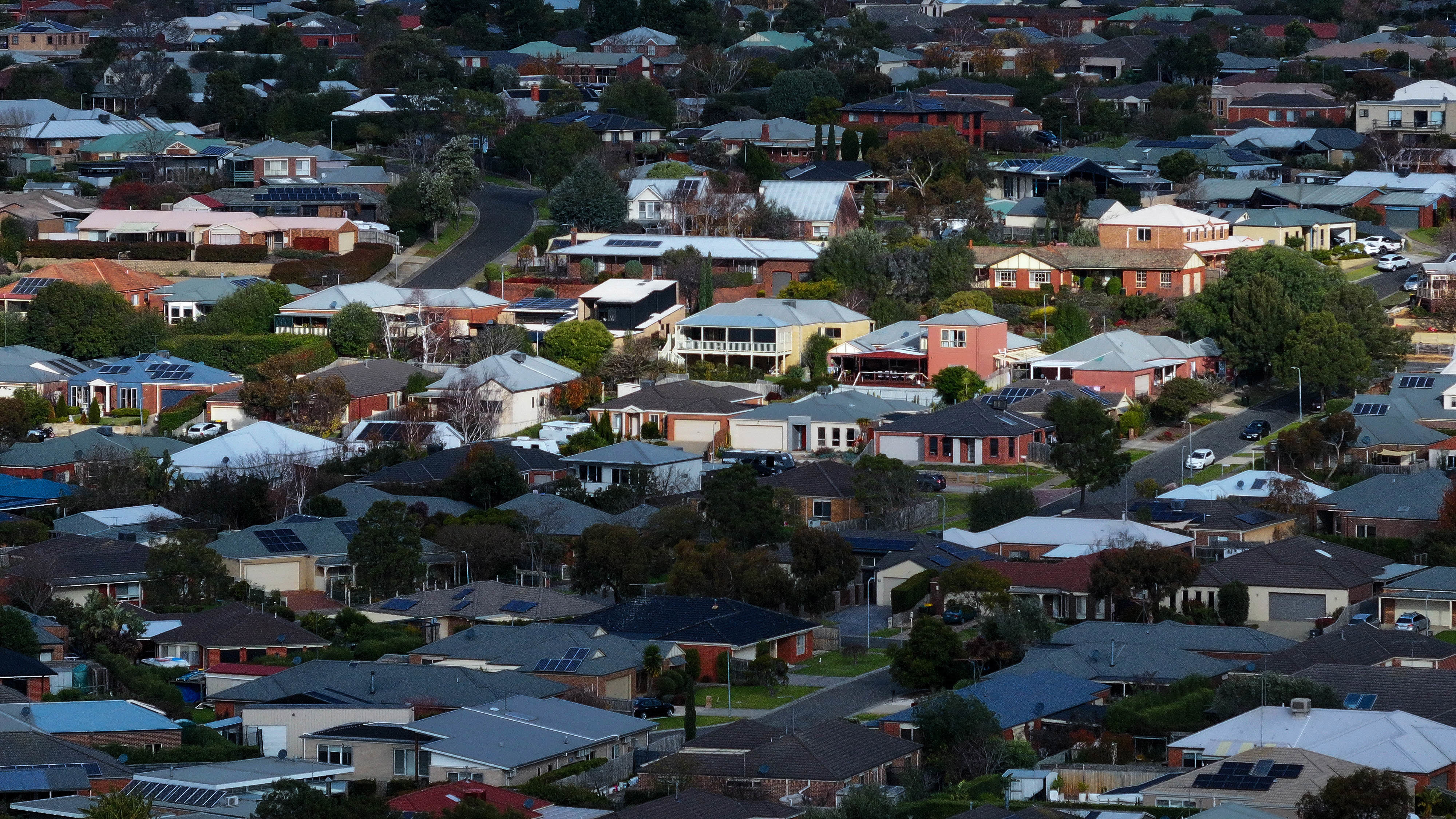
Critics have blamed the combination of the policies for contributing to the housing crisis, with a Greens-led Senate inquiry earlier this year finding the CGT discount is flawed and benefits investors over first-home buyers.
An Oxfam report earlier this year found nearly half the beneficiaries of the CGT discount were 24,000 of Australia's richest people.
The specific reforms, including whether grandfathering provisions will be included for investors who are using the discount and negative gearing, are still a bit of a mystery.
The government hasn't confirmed the changes, but has repeatedly failed to rule them out when given the chance, with Chalmers and Prime Minister Anthony Albanese instead saying the budget will tackle intergenerational unfairness in the tax system and housing market.
"What we are determined to see is a fairer economy that works for more people, including for younger people," Chalmers said this week.
If reformed, it would be the first time the CGT discount is rolled back since the Howard government raised it to 50 per cent in 1999 and the first time negative gearing is changed since it was temporarily limited by the Hawke/Keating government in 1987.
In his pre-budget speech in March, Chalmers said the tax reform package would also make the system simpler and sustainable and drive business investment but only "if we can afford to".
"How much of that we can do in May depends a bit on fiscal considerations, international developments, and also, of course, cabinet deliberations," he said at the time.
READ MORE: 'Expectation gap': The Aussie workers most likely to gain a pay rise
NDIS cuts
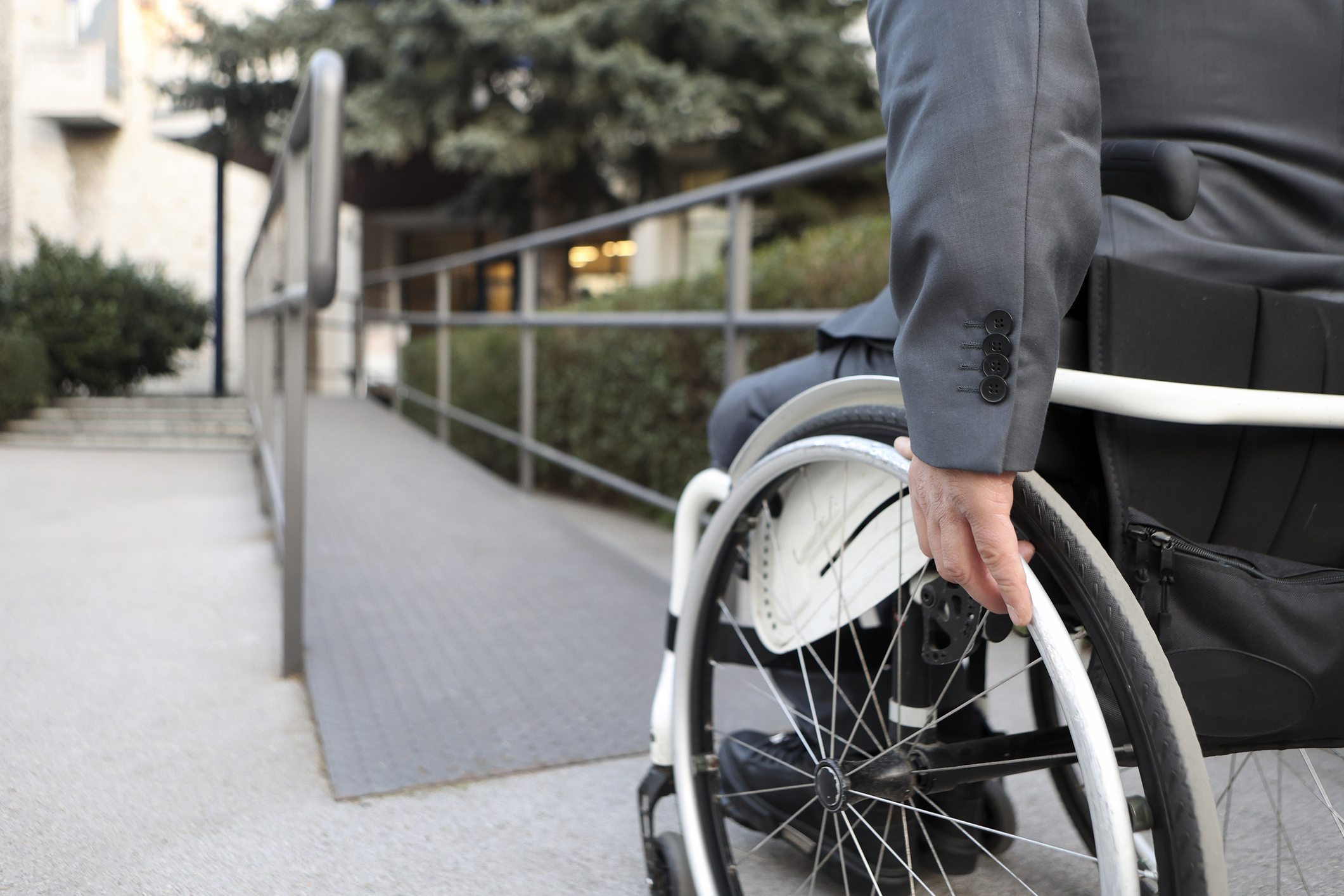
Health Minister Mark Butler announced $15 billion would be cut from the National Disability Insurance Scheme (NDIS) over the next four years to clamp down on ballooning costs and prevent it from becoming "an ATM for shonks, grifters, fraudsters and crooks".
Changes include tighter criteria, standardised and evidence-based assessments, fraud prevention and reduced spending on social and community participation per participant and daily activities.
Initial modelling shows the changes will reduce the number of people on the NDIS from 760,000 to 600,000 by the end of the decade.
"It costs too much and is growing too fast," Butler said in April.
"We can't afford for the NDIS to continue growing at its current rate."
READ MORE: Man accused of killing Labor strategist to fight charge
Defence boost
Defence will receive an additional $53 billion over the next decade, increasing spending to 3 per cent of Australia's GDP by 2033 under the NATO methodology.
US President Donald Trump has been pressuring Australia and NATO countries to raise their defence spending, complaining that the US does a lot of the heavy lifting.
The funding boost, announced last month by Defence Minister Richard Marles, was partly paid for by the sale of military land and will deliver greater warfare capabilities, systems and communications.
READ MORE: The news no Aussie wanted to hear - and it could get worse

Cheaper fuel
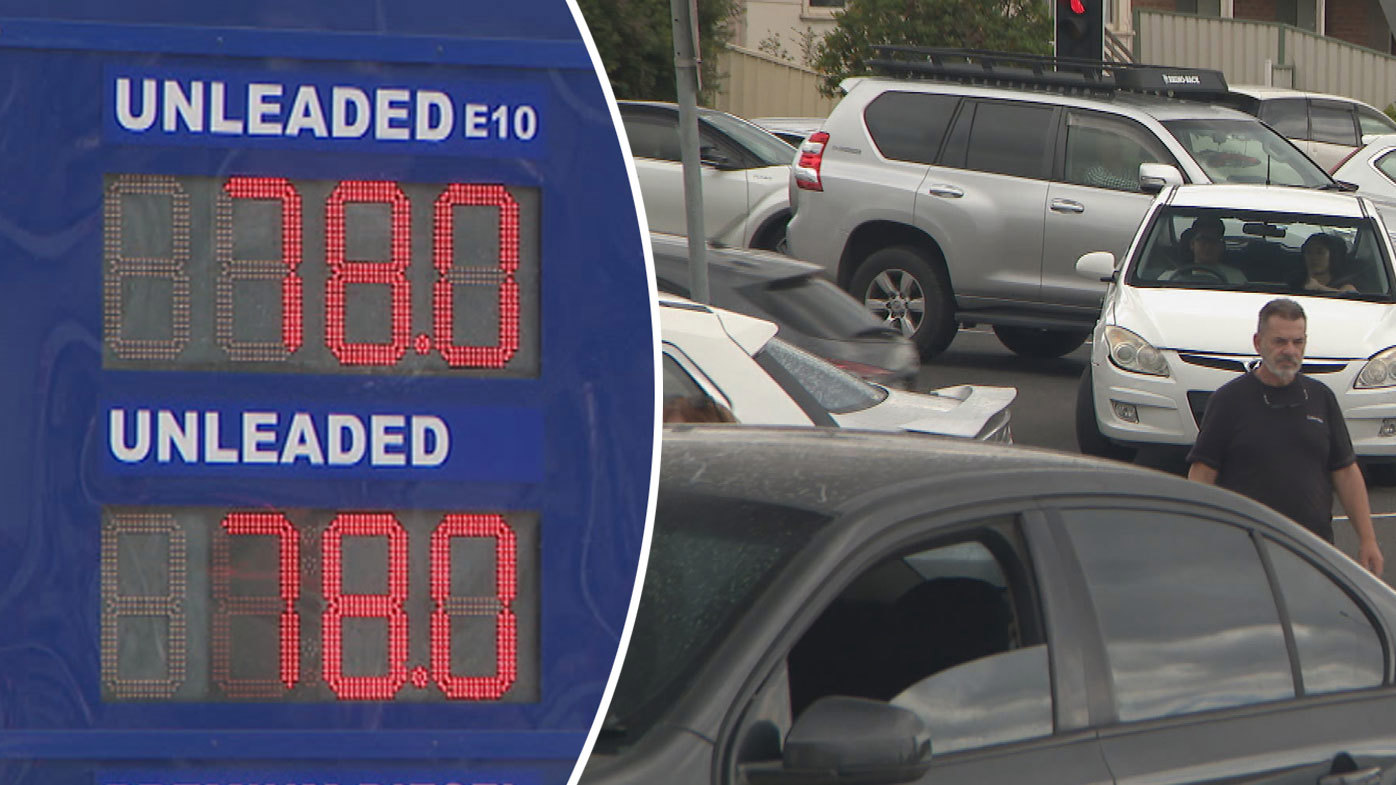
The federal government halved the fuel excise and removed the Heavy Vehicle Road User Charge from April 1 to June 30 to provide some relief for motorists facing soaring fuel costs, which will be funded in the budget.
The measure was estimated to reduce fuel costs by 26.3 cents per litre and almost $19 on a 65-litre tank.
The Australian Competition and Consumer Commission is monitoring fuel prices across the country to ensure the cost savings are being passed on.
More announcements
- $1000 instant receipt-free tax deduction for work-related expenses for about 6.2 million workers.
- Reducing the private health insurance rebate for those over 65 to the same level as everyone else.
- New Payday Super rules mandating employers pay superannuation at the same time as salary and wage payments will come into effect from July 1.
NEVER MISS A STORY: Get your breaking news and exclusive stories first by following us across all platforms.
- Download the 9NEWS App here via Apple and Google Play
- Make 9News your preferred source on Google by ticking this box here
- Sign up to our breaking newsletter here
 New US warning over Strait of Hormuz 'tollbooth'
 Floral tributes grow as Alice Springs mourns five-year-old girl
 Publicans fear for people's lives amid continued Melbourne bar firebombings
 Capital city smashes 144-year-old heat record
 Court ruling prohibits a quarter of all abortions in the US
 Woman accused of setting police car on fire during Alice Springs riot
 US to withdraw 5000 troops from Germany, fulfilling Trump's threat
 Frenzy as petrol price drops under 80 cents a litre at one service station
 Scammers attempt to extort Sydney removalist with sudden flurry of negative reviews
 Residents of seaside Victorian town braced for Macca's battle
 Wet and windy start to May as storms sweep nation's south
 'Cannot recall': Indigenous commissioner's telling admission
 Trump's spat with European superpower intensifies
 US elections suspended so government can redraw the district lines
 Purported Jeffrey Epstein suicide note being kept hidden by court: report