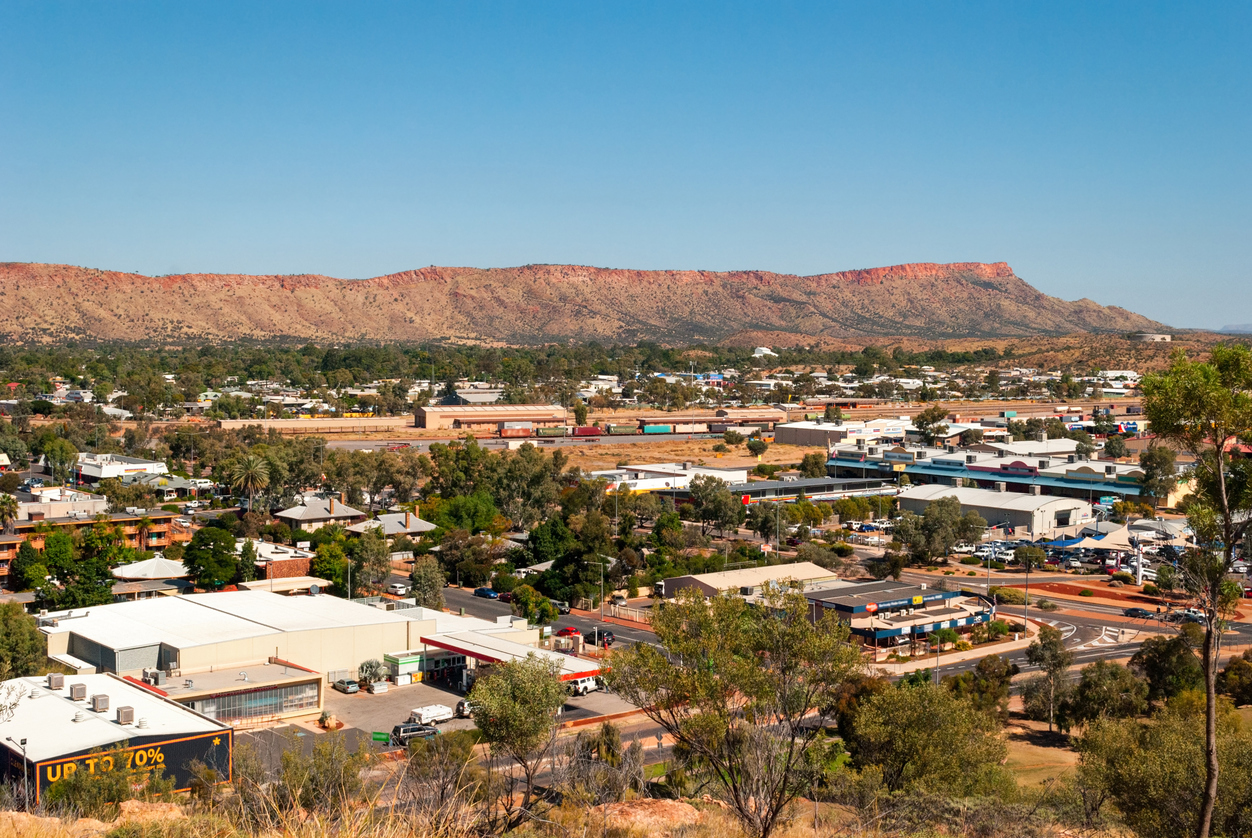
Her comments lay bare the history between police and community members of Alice Springs.
An Indigenous leader's frank admission has laid bare the history between authorities and the community members of Alice Springs.
Australian Human Rights Commission's Indigenous Social Justice Commissioner Katie Kiss commended police for their "urgency and determination" in finding missing five-year-old Kumanjayi Little Baby.
She said she "cannot recall a time when the disappearance of an Aboriginal child has received this level of urgent attention from law enforcement".
READ MORE: 'We need to let the family mourn': Traditional owners speak after Alice Springs riot
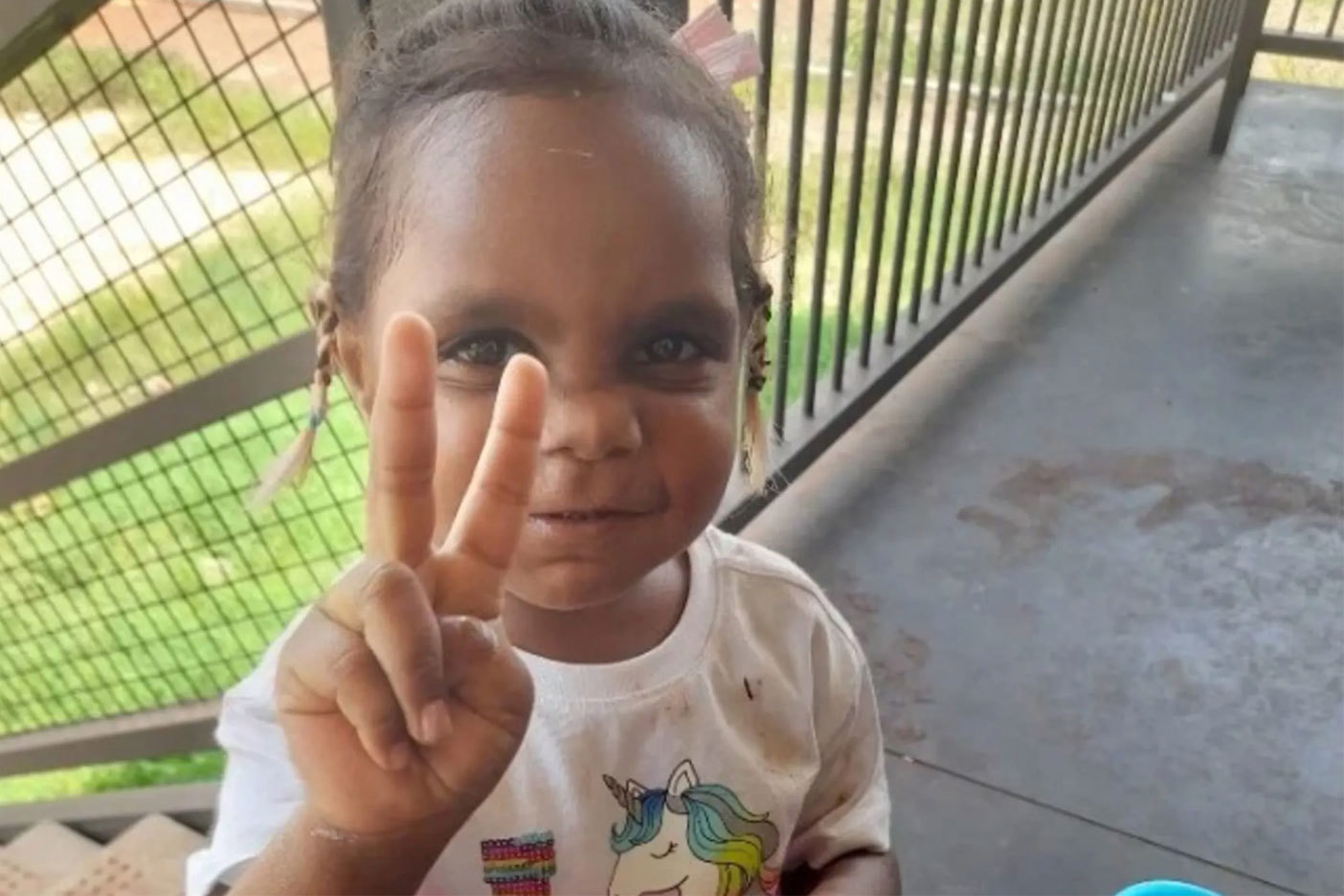
"Tragically, there are Aboriginal and Torres Strait Islander children and young people currently missing who have not been met with the same response," she said in a statement.
"My greatest hope is that Kumanjayi Little Baby's short life becomes a turning point - that in this country, the life of an Indigenous child is valued, protected and pursued with the same urgency as any other child."
Alice Springs is home to cases of Indigenous deaths in custody and a long history of alcohol bans and curfews.
Kumanjayi White, a 24-year-old with a disability, was killed after he was restrained by plainclothes officers for shoplifting at Coles in May 2025. The investigation remains ongoing.
In November 2019, 19-year-old Kumanjayi Walker was shot three times inside his home by police officer Zachary Rolfe.
Rolfe was acquitted of murder charges and denied findings from a coroner in July last year that he was racist and his attitudes played a role in the teenager's death.
The coroner also found "all forms of racism" were present within the NT Police and made 18 recommendations for the force.
At the time, NT Police Commissioner Martin Dole said the findings were confronting and committed to "stamping out racism in all its forms".
The force introduced its Anti-Racism Strategy late last year.
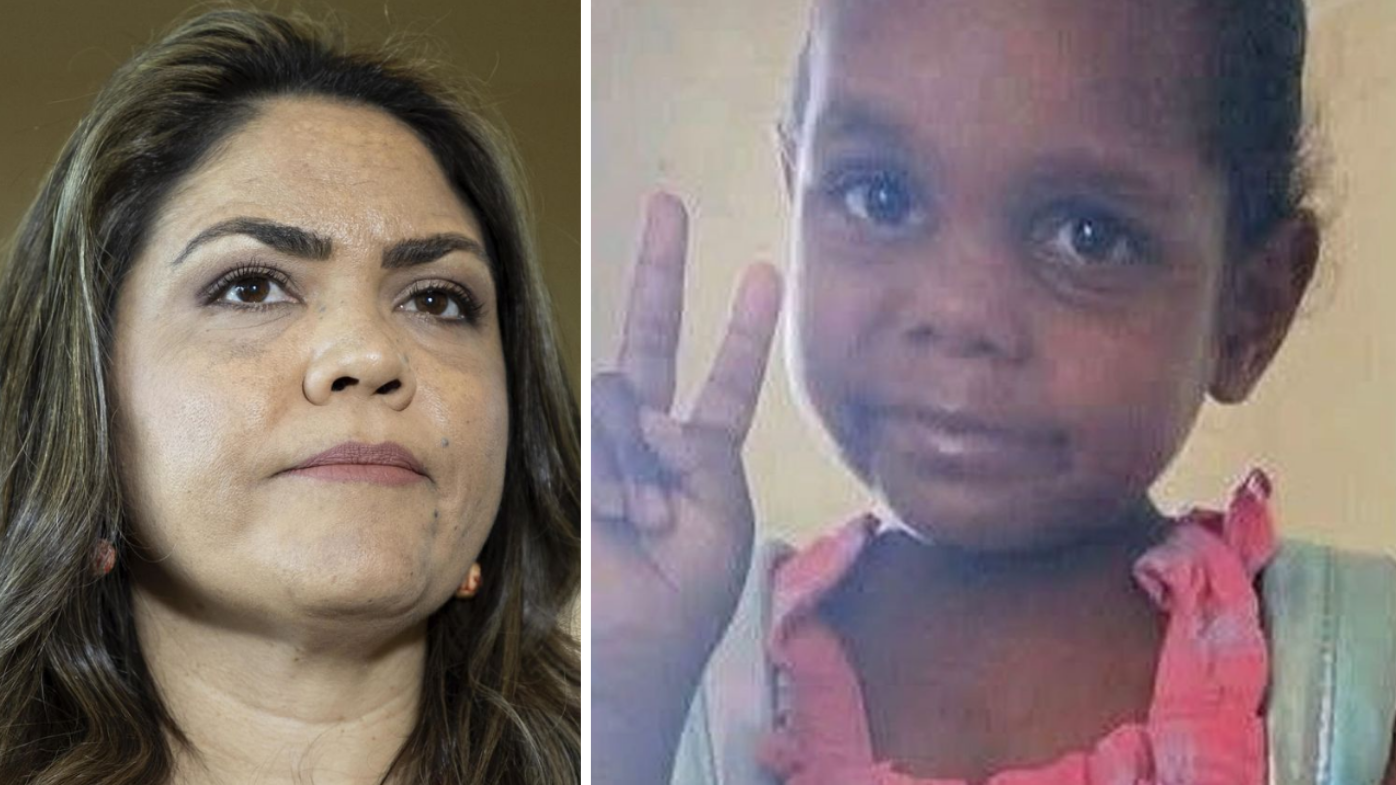
READ MORE: 'National disgrace': Jacinta Price reacts to death of five-year-old niece
Indigenous deaths in custody reached a record figure in the 2024-25 financial year, the highest since records began in 1979-80, according to the Australian Institute of Criminology.
There were 113 deaths in custody, with 33 of those Indigenous deaths. Two of those were in the Northern Territory.
Indigenous Australians make up just 3.8 per cent of the population but account for more than 33.3 per cent of the prison population.
The federal government has also been criticised by some Indigenous organisations like the Aboriginal Medical Alliance Northern Territory for interventionist alcohol bans in Alice Springs being a band-aid solution.
Alcohol bans were introduced in 2007 and lasted 15 years until they lapsed in 2022 and were reintroduced the following year due to high crime rates.
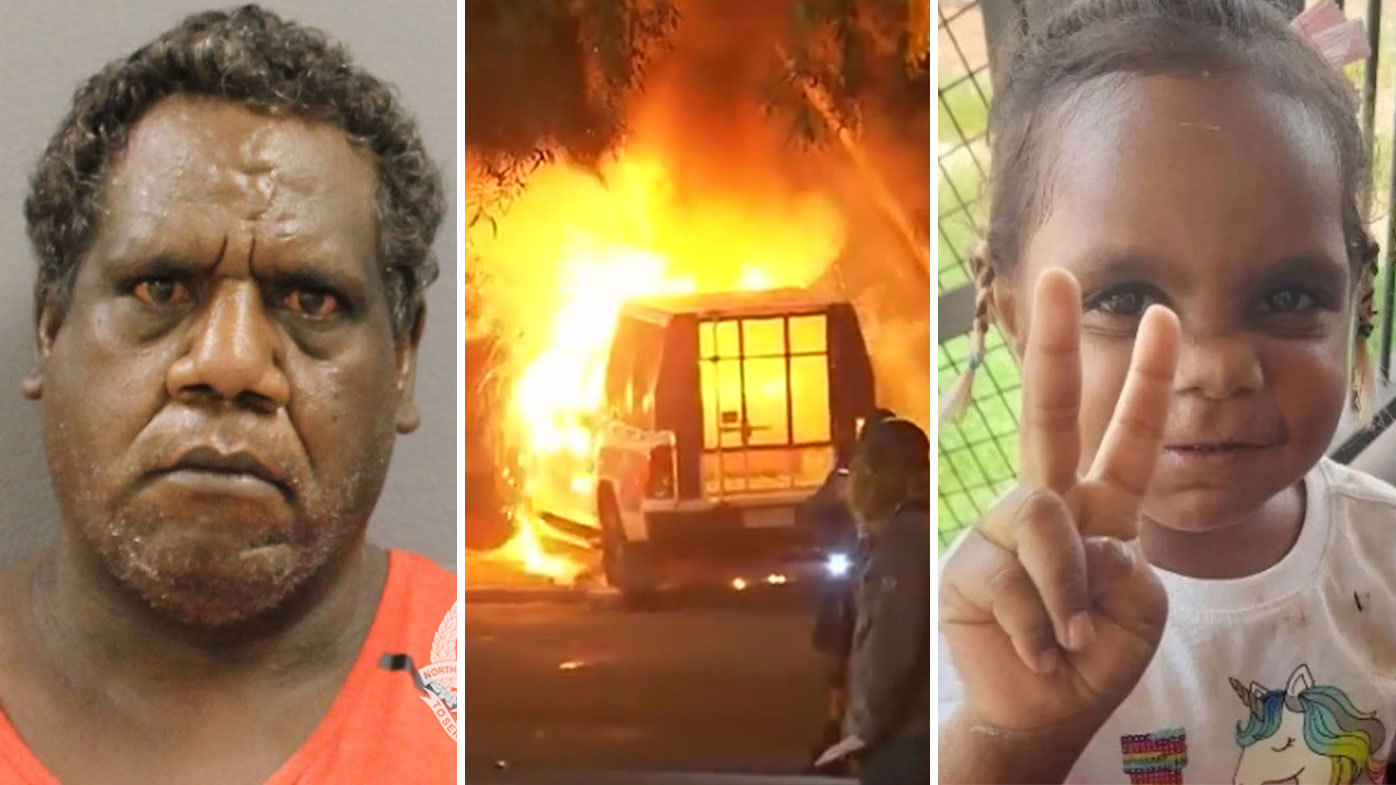
The Territory government reintroduced a ban on takeaway alcohol today following community unrest outside the Alice Springs Hospital, where the man accused of the murder of Kumanjayi Little Baby was taken after being arrested by police last night.
Independent Senator Lidia Thorpe today said there were broader issues in the Northern Territory that cannot be ignored, like extreme poverty and a lack of basic services and support.
She urged the government to support and empower communities to create solutions, rather than engage in "interventionist approaches of the past".
Prime Minister Anthony Albanese has called for calm within the community while Opposition Leader Angus Taylor and Liberal Senator Jacinta Price call for an independent inquiry into town camps.
For 24/7 crisis support run by Aboriginal and Torres Strait Islander people, contact 13YARN (13 92 76).
Support is available from the National Sexual Assault, Domestic and Family Violence Counselling Service at 1800RESPECT (1800 737 732)
 Family of Kumanjayi Little Baby calls for calm to hold in Alice Springs
 Cleaner makes chilling discovery in air freshener in kids' bathroom
 'No place in hell' for father over fatal crash cover-up
 Contagious disease not seen in Australia for over 50 years detected
 'National disgrace': Jacinta Price reacts to death of five-year-old niece
 'Loophole' to close as alleged paramedic stabber in court
 Producer stuck in 'tricky' position between Rebel Wilson and other boss
 Partner of former Queensland premier charged with rape
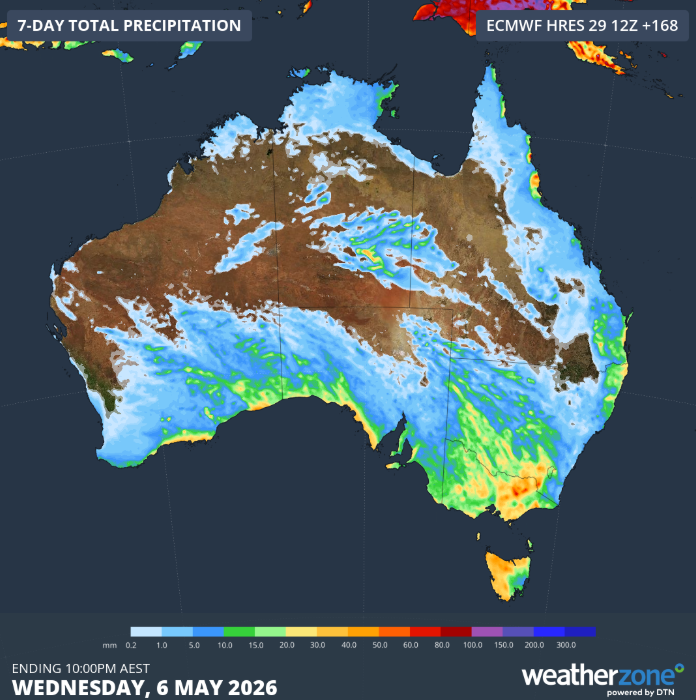 Wet and windy start to May as storms sweep nation's south
 Trump's spat with European superpower intensifies
 US elections suspended so government can redraw the district lines
 Purported Jeffrey Epstein suicide note being kept hidden by court: report
 Surveillance footage shows gunman charging through officers at Trump event
 The 'archaic' rule forcing Australians with a disability to choose between 'love and survival'
 Rebel styles herself as 'truth-teller' amid film feud
 For the first time in history, England no longer supplies the most new Australians