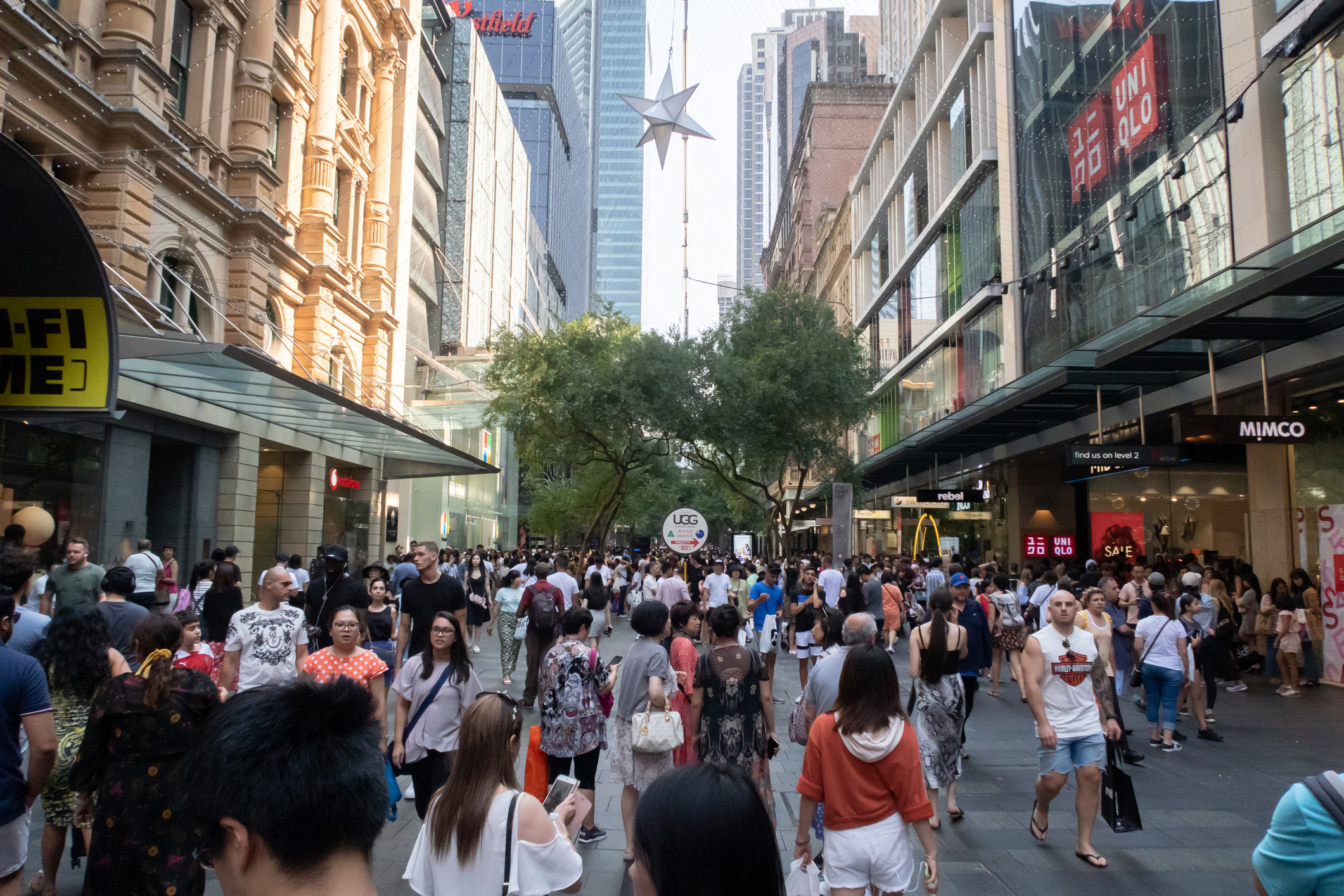
New statistics have shown that Australia's number one overseas country of origin has been surpassed for the first time ever.
For the first time in our nation's history, England has been knocked out of top spot when it comes to Australian migration.
New figures from the Australian Bureau of Statistics have revealed that Indian-born residents now make up the largest percentage of the 8.33 million Australians who were born overseas.
Before 2025, English-born residents sat at number one in front of those born in India, China, New Zealand and the Philippines.
READ MORE: Natasha is leaving her 9 to 5 career behind after being made redundant twice
As of 30 June 2025, the four most common countries of birth were India at 971,020, England at 970,950, China at 732,000 and New Zealand at 638,000.
The data also showed the overseas born population had grown at a faster rate of 3 per cent a year compared to the Australian-born population which grew at an average of 1 per cent a year.
In twenty years from 2005, the percentage of Australian residents born overseas has risen from 24.2 per cent to 32 per cent in 2025.
Proportions have fluctuated during certain eras such as decreased migration during WWI, the Great Depression and WWII.
The new statistics show that 32 per cent of the overall Australian population are people born overseas, meeting the high levels of migration in 1891 towards the end of the gold rush era.
From the 1970s to 2020 there was a stable increase over the years, until 2021 when the COVID-19 pandemic caused travel restrictions, impacting people moving to and from Australia.
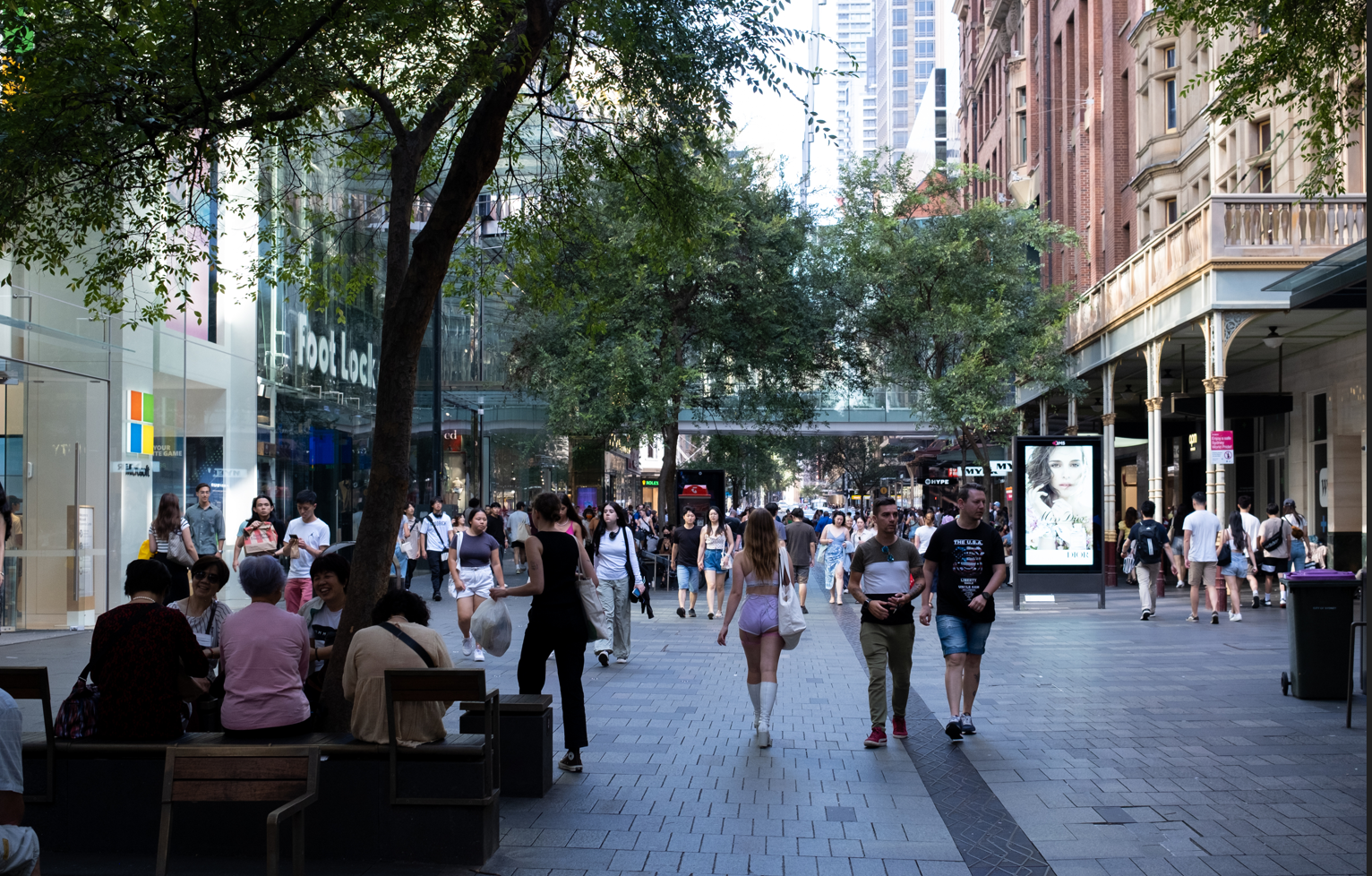
When restrictions were lifted in 2023, the proportion of people born overseas exceeded a 30 per cent increase for the first time since 1893.
The current Australian migration debate centres on reducing high post-pandemic immigration to ease housing pressure, with surveys showing 49 per cent of people favouring such a decrease.
Immigration Minister Tony Burke said in a press conference earlier this month that "post-COVID, we had the sharpest increase".
READ MORE: UK PM condemns London stabbing, declared a terrorist incident

"And since then, we've been having, with the exception of COVID, the sharpest decrease," he said.
Bourke said the government was making sure numbers got to "sustainable levels again".
But in doing that "you need to make sure that you don't wreck your aged care system".
"You need to make sure that we don't end up with our farmers not being able to get people to pick their fruit," he said.
"All of these things are essential to Australia's economy."
It was part of Burke's strong defence of migration following the Coalition's recent proposal to overhaul Australia's migration policy.
"Australia is and should always be a country where we judge you by who you are, not where you're from."
"People say they love Australia and I do, and almost everybody on this continent does, modern Australia is what they're loving, and we are a multicultural nation.
"Half of our doctors are born overseas, 43 per cent of our registered nurses are born overseas.

"Twenty-eight per cent of people working in building and plumbing trades are born overseas.
"What matters is who you are, not where you're from, and effectively, if we forget the benefits to our nation and to our economy of having a smart tailored migration system, we end up with fewer homes, we would end up with a health system that would collapse.
"We would end up with an age care system that could not provide the care that it needs and that all Australians rely on.
"We are a good country and we should not be setting people against each other."
NEVER MISS A STORY: Get your breaking news and exclusive stories first by following us across all platforms.
- Download the 9NEWS App here via Apple and Google Play
- Make 9News your preferred source on Google by ticking this box here
- Sign up to our breaking newsletter here
 Family of Kumanjayi Little Baby calls for calm to hold in Alice Springs
 Cleaner makes chilling discovery in air freshener in kids' bathroom
 'No place in hell' for father over fatal crash cover-up
 Contagious disease not seen in Australia for over 50 years detected
 'National disgrace': Jacinta Price reacts to death of five-year-old niece
 'Loophole' to close as alleged paramedic stabber in court
 Producer stuck in 'tricky' position between Rebel Wilson and other boss
 Partner of former Queensland premier charged with rape
 Wet and windy start to May as storms sweep nation's south
 'Cannot recall': Indigenous commissioner's telling admission
 Trump's spat with European superpower intensifies
 US elections suspended so government can redraw the district lines
 Purported Jeffrey Epstein suicide note being kept hidden by court: report
 Surveillance footage shows gunman charging through officers at Trump event
 The 'archaic' rule forcing Australians with a disability to choose between 'love and survival'
 Rebel styles herself as 'truth-teller' amid film feud