The deadly virus had been thought eradicated.
A highly contagious and deadly disease that has not been contracted in Australia for 54 years has been detected in sewage in Perth.
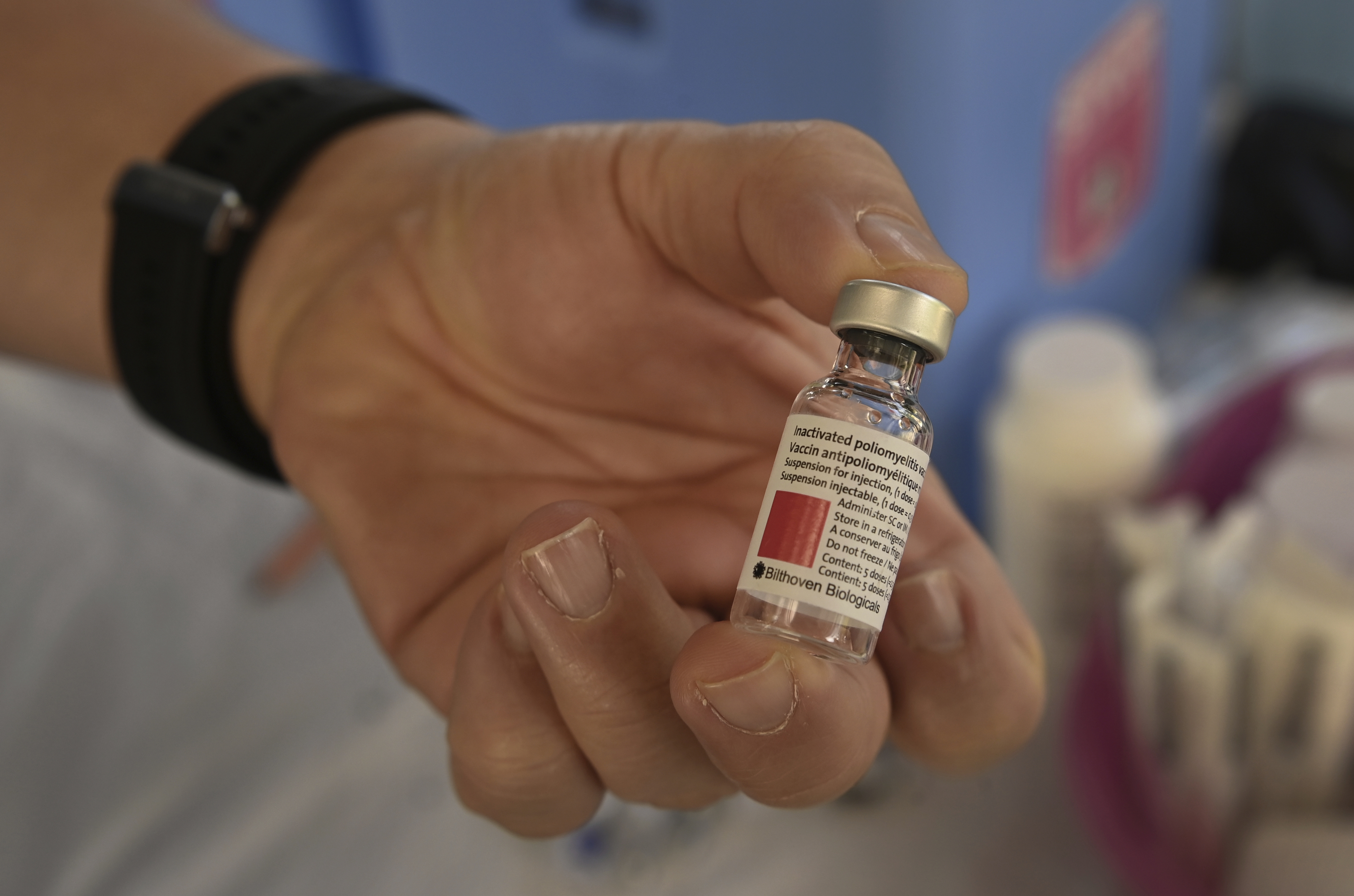
Health officials say evidence of a vaccine-derived poliovirus strain was found in a sample of untreated wastewater at the Subiaco wastewater treatment plant in mid-April.
It is the first time this particular strain has been discovered in Australia, after similar detections were reported in Europe in 2024 and 2025.
READ MORE: Rego slashed by $186 for drivers in one state
The detections in Europe did not lead to any cases of polio.
The strain found in Perth is likely linked to a person from overseas, according to the Australian Centre for Disease Control.
Vaccine-derived poliovirus, which was found in a wastewater sample, is rare but can be detected in regions where oral polio vaccines are used.
Sanjaya Senanayake, Associate Professor of Medicine at the Australian National University, said the chance of this developing into a live polio case is low.
"The good news is that in a highly immunised country like Australia, the chance of this vaccine-derived strain of poliovirus causing cases of polio is extremely unlikely," Senanayake said.
"Furthermore, outbreaks of polio in our region have been few and far between, although they have occurred in the Philippines, Indonesia and PNG."
The detection has been labelled "significant", but officials said it was not evidence of the spread of polio in Australia.
"Wastewater surveillance is designed to give us early warning, so health authorities can take precautionary action," Australian Centre for Disease Control Director-General Professor Zoe Wainer said.
"Wastewater surveillance is designed to give us early warning, so health authorities can take precautionary action.
"This is an environmental detection, not a clinical case.
"No cases of polio have been identified, and there is no evidence of local transmission."
EXCLUSIVE: Natasha is leaving her 9 to 5 career behind after being made redundant twice
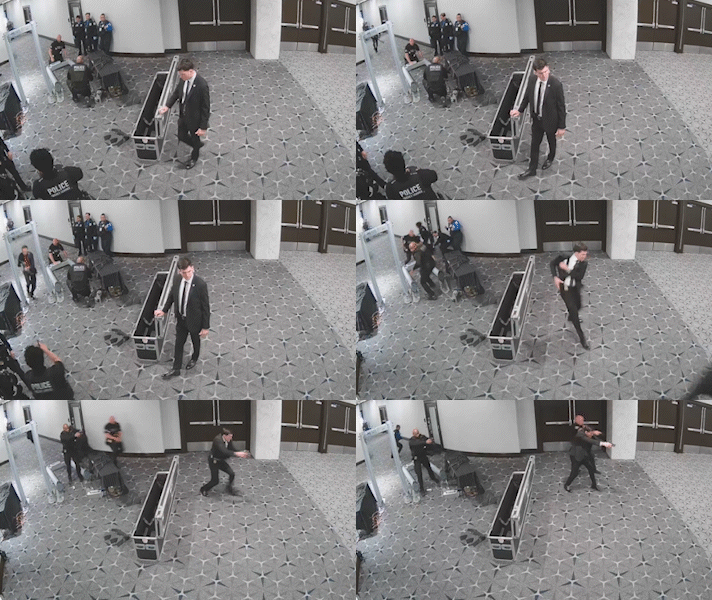
READ MORE: Surveillance footage shows gunman charging through officers at Washington dinner
Wainer said Australia remains polio-free and the detection in Perth does not impact this status.
The WA government will increase testing at the Subiaco wastewater plant to weekly for six months in response to the detection.
The last case of locally-acquired polio was in 1972.
Wild poliovirus type 1 is still circulating across Pakistan and Afghanistan.
Vaccine-derived poliovirus type 2 (VDPV2), a different strain, was also detected during routine wastewater sampling in Melbourne in 2024.
It did not lead to any cases of polio in Australia.
What is poliovirus?
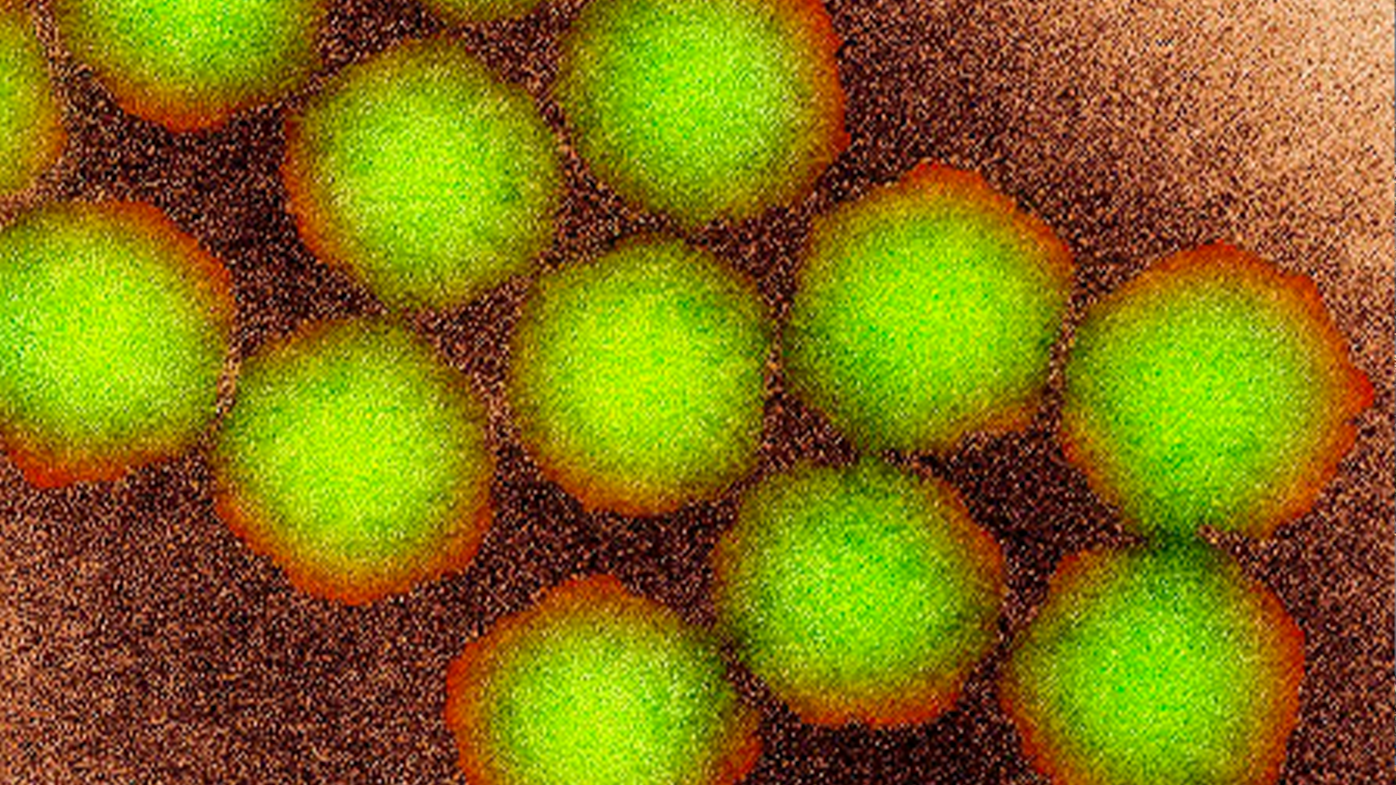
Polio, or poliomyelitis, is a highly contagious viral infection that can cause paralysis and death.
It can be contracted in two ways, according to Senanayake.
"The first is through 'natural' circulating virus. This still occurs in Pakistan and Afghanistan, where there have been challenges with their vaccination programs," she explained.
"Another way is through infection with mutated forms of virus derived from the oral polio vaccine, which are shed in faeces.
"It is one of these vaccine-derived strains that have been detected in Western Australian wastewater."
It mainly affects children under five.
Australia has a polio vaccine which protects against types 1, 2 and 3.
Around 93 per cent of children aged five years are fully vaccinated against polio in Australia, which is below the global target of 95 per cent.
Australia was declared polio-free in 2000, and the only case of polio detected in the country since then was in 2007, when an overseas-born student contracted the disease while abroad.
NEVER MISS A STORY: Get your breaking news and exclusive stories first by following us across all platforms.
- Download the 9NEWS App here via Apple and Google Play
- Make 9News your preferred source on Google by ticking this box here
- Sign up to our breaking newsletter here
 Family of Kumanjayi Little Baby calls for calm to hold in Alice Springs
 Cleaner makes chilling discovery in air freshener in kids' bathroom
 'No place in hell' for father over fatal crash cover-up
 'National disgrace': Jacinta Price reacts to death of five-year-old niece
 'Loophole' to close as alleged paramedic stabber in court
 Producer stuck in 'tricky' position between Rebel Wilson and other boss
 Partner of former Queensland premier charged with rape
 Wet and windy start to May as storms sweep nation's south
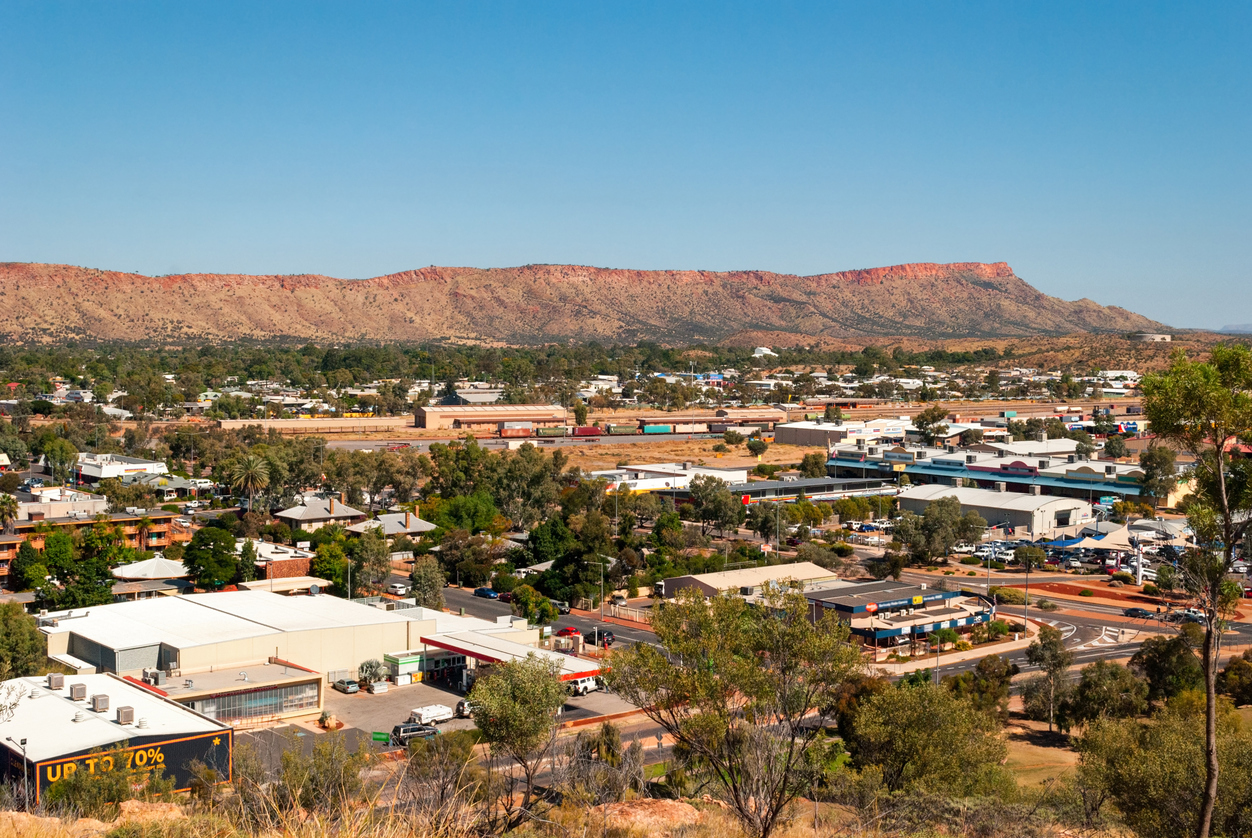 'Cannot recall': Indigenous commissioner's telling admission
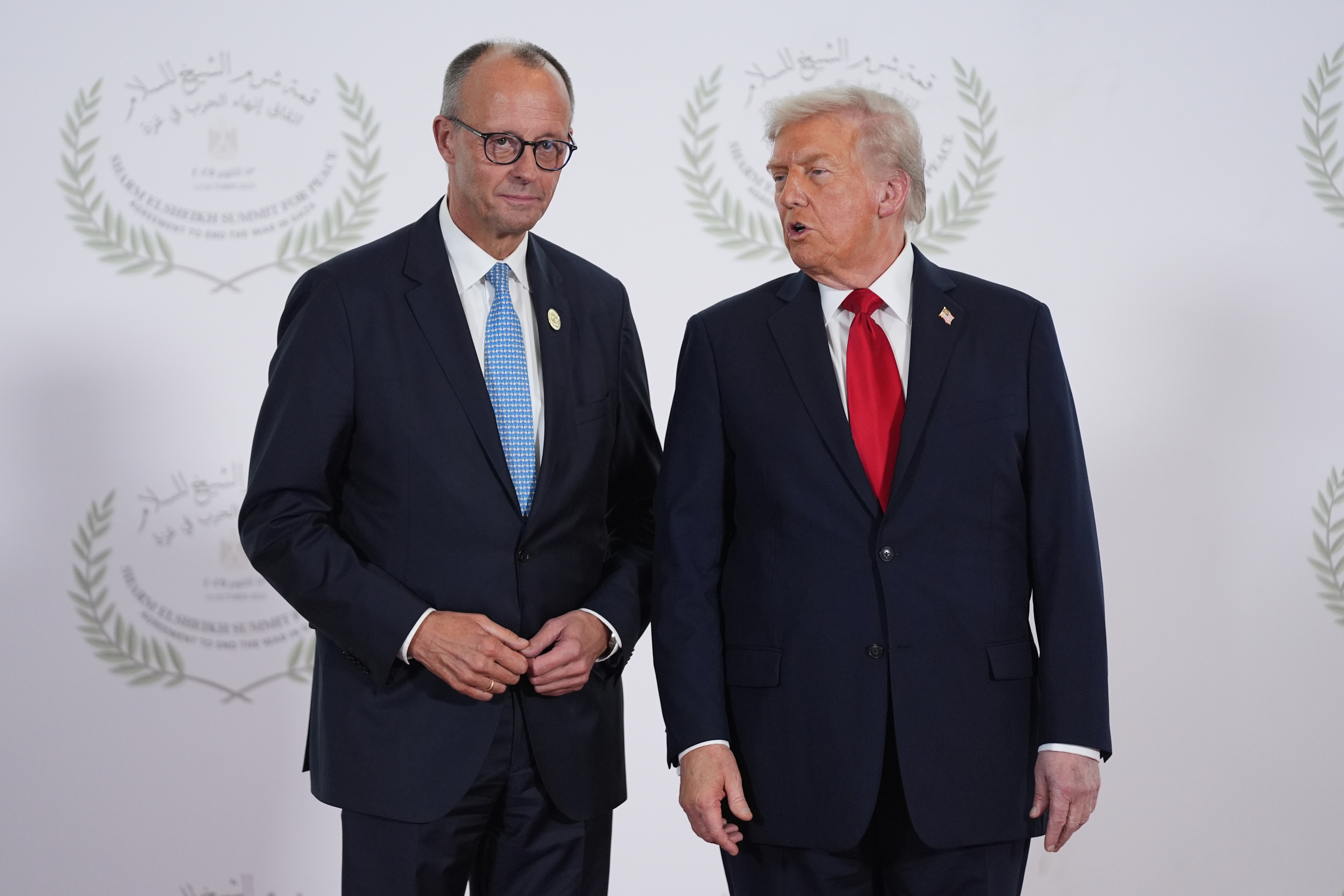 Trump's spat with European superpower intensifies
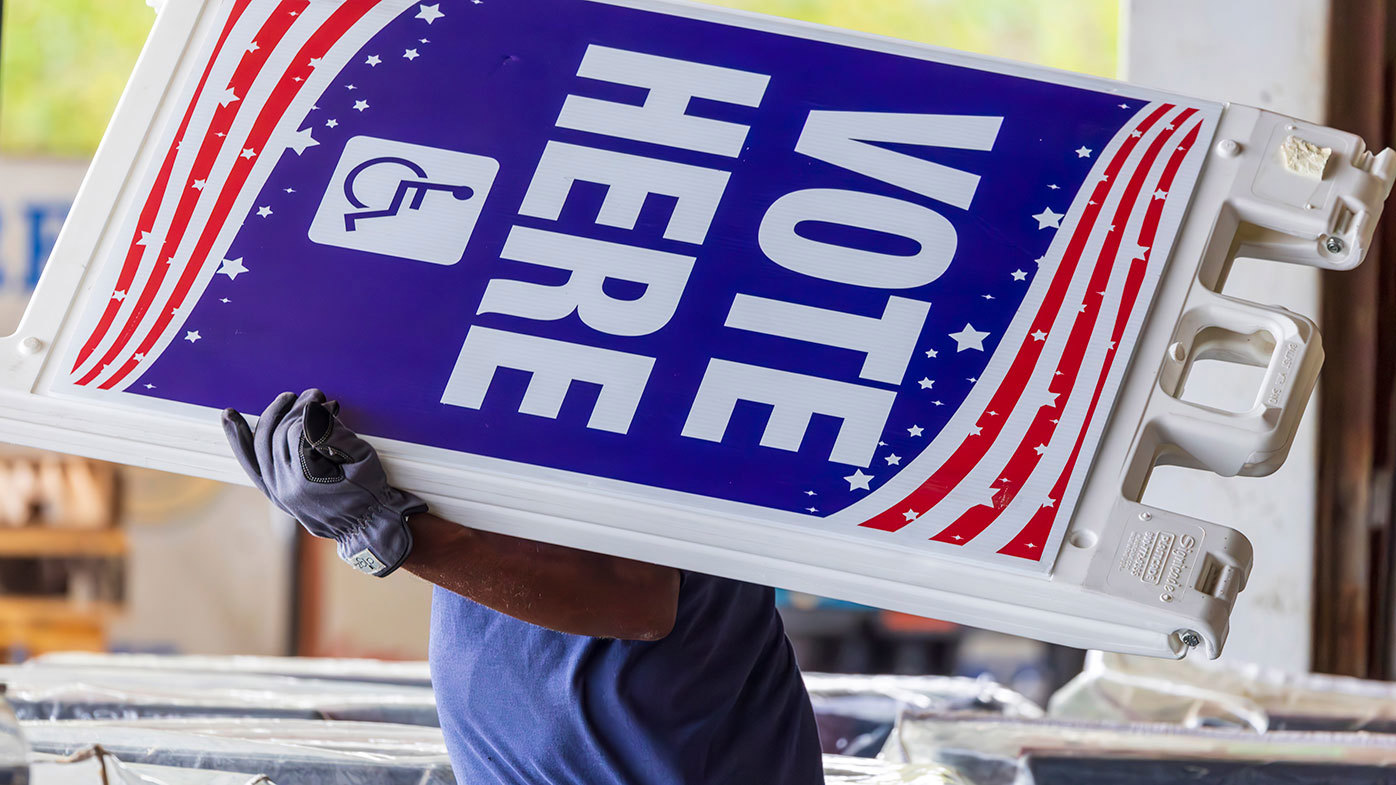 US elections suspended so government can redraw the district lines
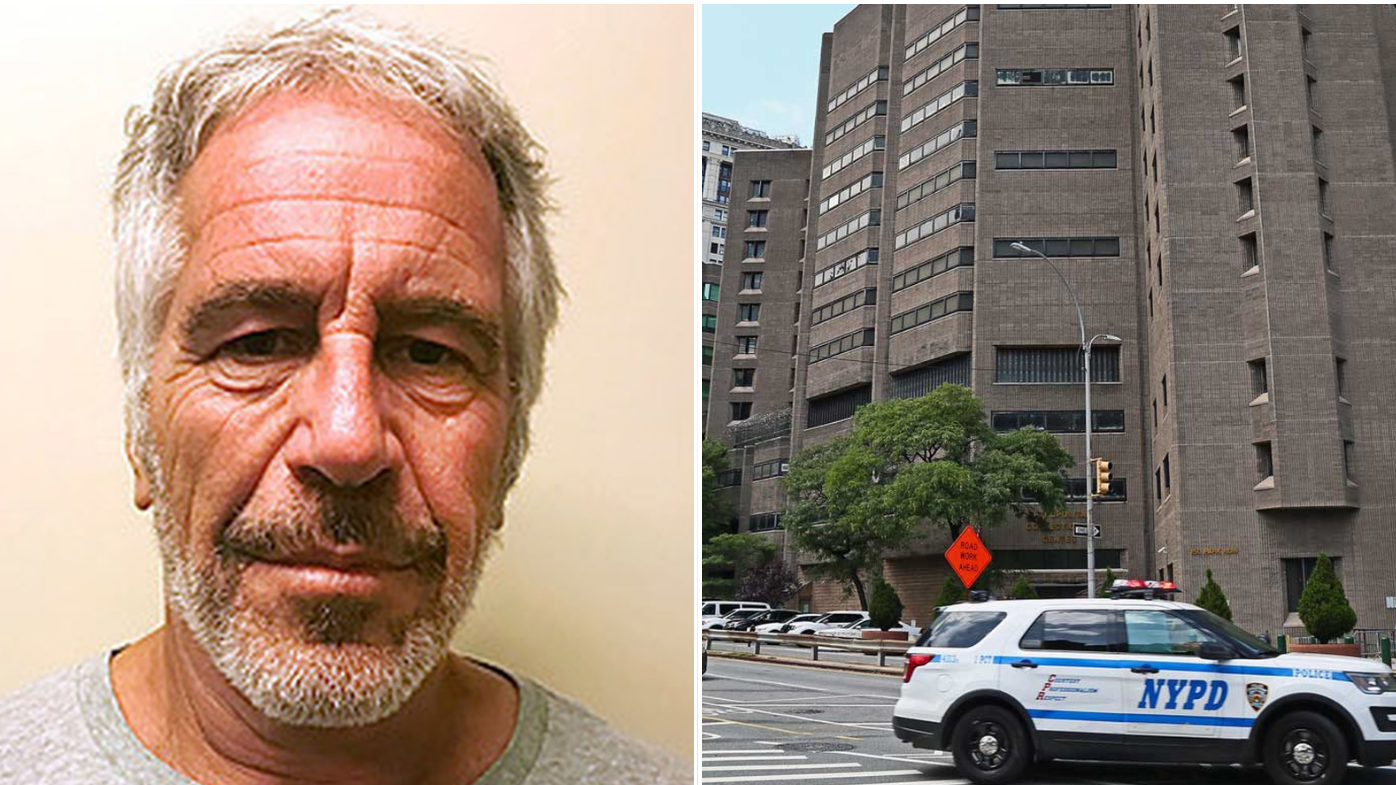 Purported Jeffrey Epstein suicide note being kept hidden by court: report
 Surveillance footage shows gunman charging through officers at Trump event
 The 'archaic' rule forcing Australians with a disability to choose between 'love and survival'
 Rebel styles herself as 'truth-teller' amid film feud
 For the first time in history, England no longer supplies the most new Australians