Young Australians are unlikely to end up worse off than their parents, but they're being slammed by financial roadblocks earlier in life, new research suggests.
Today's young Australians are unlikely to end up worse off than their parents, but they're being slammed by financial roadblocks early in life when they can least afford it, new research has found.
Income growth has slowed for younger Australians, tertiary education rates have more than doubled compared to their parents' generation, and they're entering into the property market later.
But research from independent think tank the e61 Institute has found young Australians' earnings will likely become stronger later in life, thanks to longer careers, chunkier super balances and larger inheritances from their parents.
READ MORE: Measles alert issues after infectious traveller from Japan visits Sydney
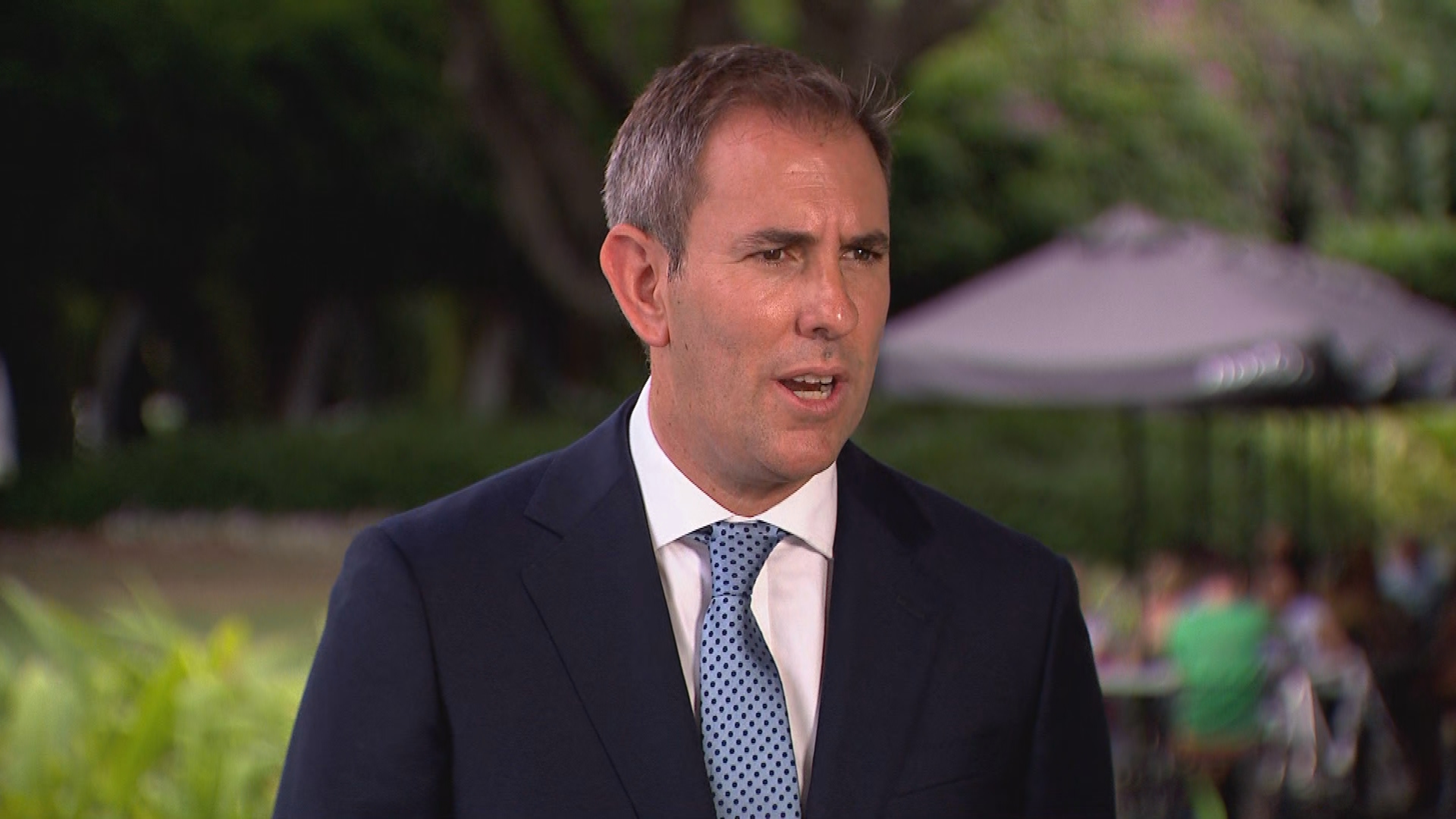
Treasurer Jim Chalmers has said there will be a focus on intergenerational equity in next month's federal budget.
But e61 principal economist Jack Buckley said the simple story of generational winners and losers "hides a more complex picture".
"The problem is not that younger Australians will end up poorer than their parents but that the fiscal system frontloads costs onto years when they can least afford them, including through the repayment of large HELP debts and forgoing 12 per cent of their pay through compulsory super contributions, right when many are trying to save for their first home and start a family," Buckley said.
The average inflation-adjusted income of a 35-year-old in 2023, around $90,000, is actually almost 80 per cent higher than the average 35-year-old in the late 1980s.
What's more, the median household income of a 35-year-old today is about $380,000, which is roughly in line with earlier generations at the same age.
Inheritance is likely to be the defining feature of inequality for the next generation of Aussies, with Baby Boomers expected to pass on a whopping $175 billion annually via their wills.
READ MORE: Measles alert issues after infectious traveller from Japan visits Sydney
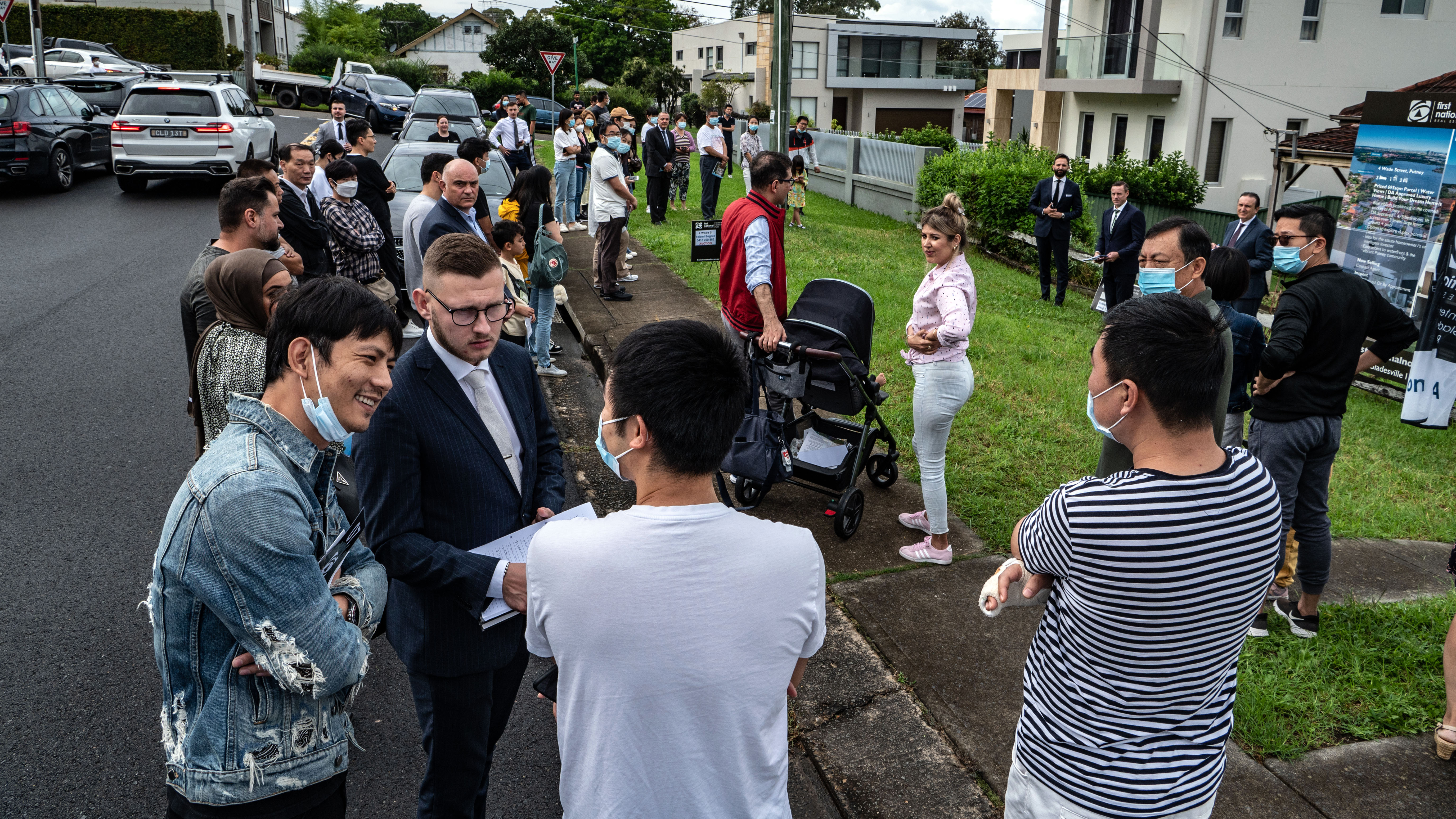
"Older Australians are sitting on a windfall from rising asset prices, and most of that wealth will be passed down unevenly through inheritance," Buckley said.
"That inheritance boom will increase inequality within a generation in a way that's far more consequential than any gap between generations."
The e61 report says reforms pitched to remove stumbling blocks for young Australians, including an inheritance tax and removing capital gains tax exemptions on family homes, could prove more challenging than they're worth.
Instead, researchers believe a GST increase, which would act as a quasi-wealth tax, is the most practical option.
READ MORE: Search continues for man wanted over suspected abduction of young girl in NT
"An increase in the GST would capture this windfall as it is spent down, without requiring complex new wealth assessment infrastructure," Buckley said.
"Paired with higher benefits for low-income households and income tax relief, it could tap this windfall while better supporting those on low incomes."
Australia's 10 per cent GST is lower than many consumption taxes in other comparable economies.
Ideally, productivity growth is the key to securing the financial future of the next generation, Buckley added.
"Behind all of these distributional questions sits a deeper issue: Australia's fiscal system was built for stronger productivity growth than we have now.
"The biggest thing we can do for younger Australians is embrace a pro-growth agenda."
NEVER MISS A STORY: Get your breaking news and exclusive stories first by following us across all platforms.
- Download the 9NEWS App here via Apple and Google Play
- Make 9News your preferred source on Google by ticking this box here
- Sign up to our breaking newsletter here
 Rebel denies lying about smear websites amid film fight
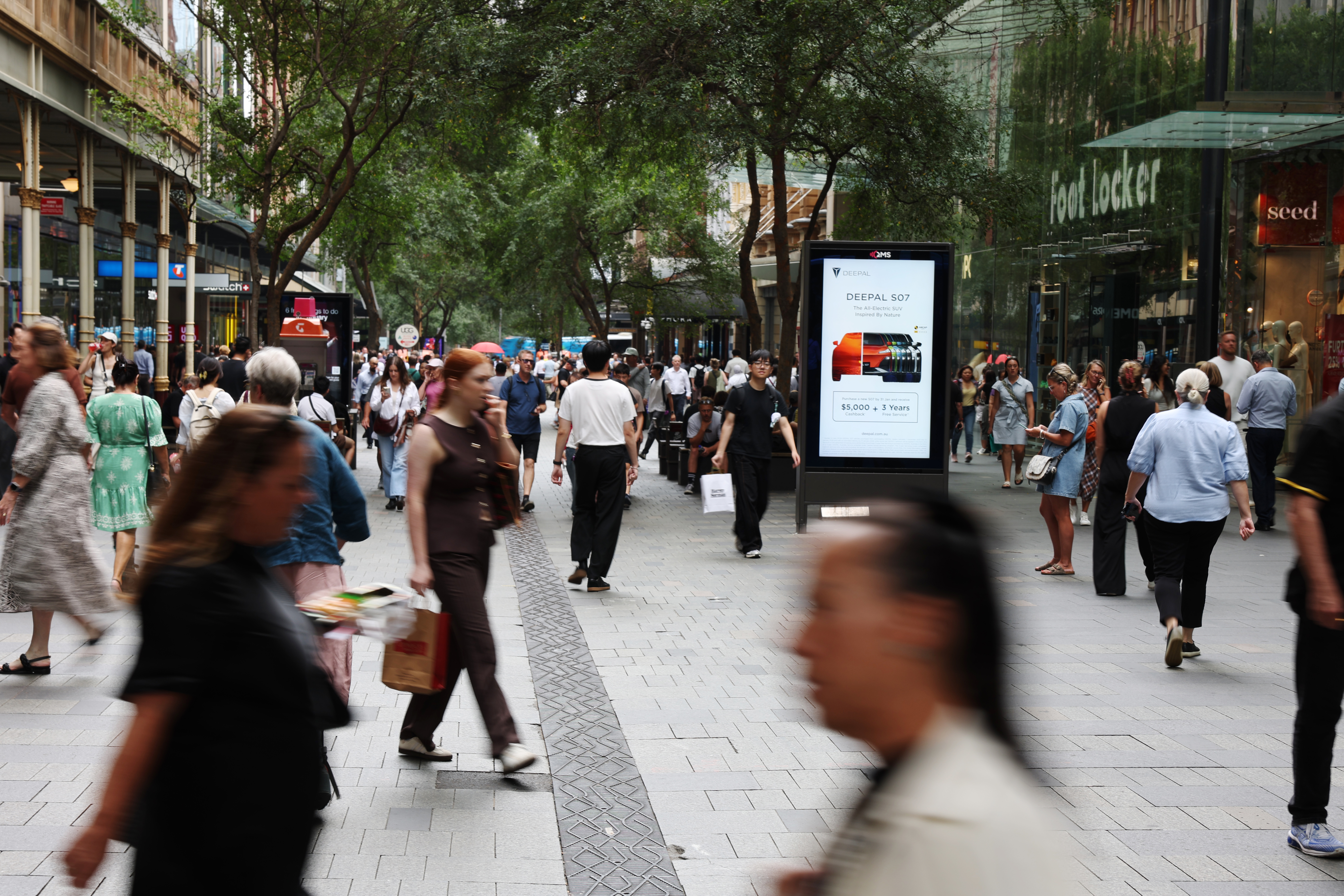 Aussies just hours from learning likely fate on triple dose of rate hike pain
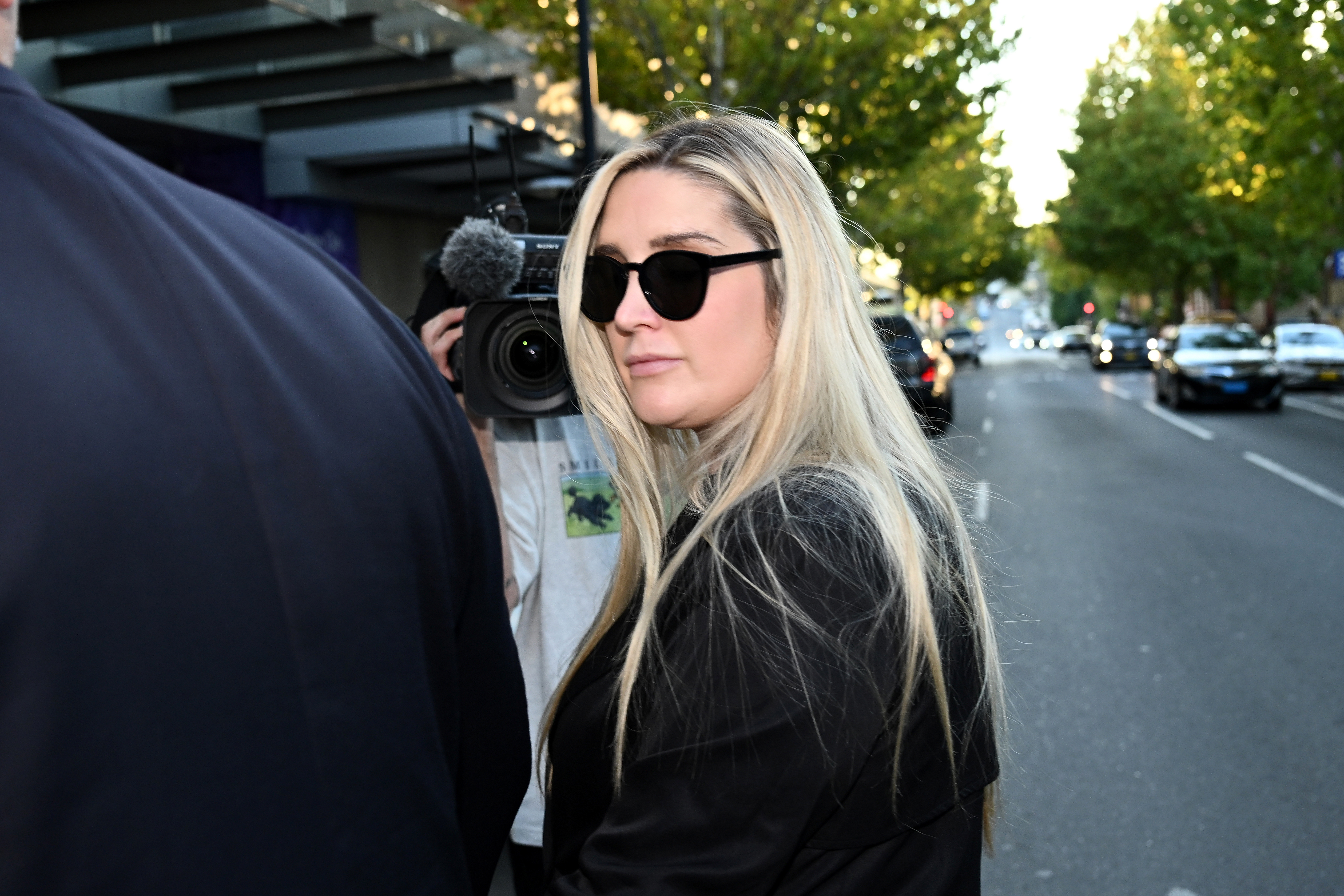 Gasps as ex-Christian charity worker avoids jail over abuse book
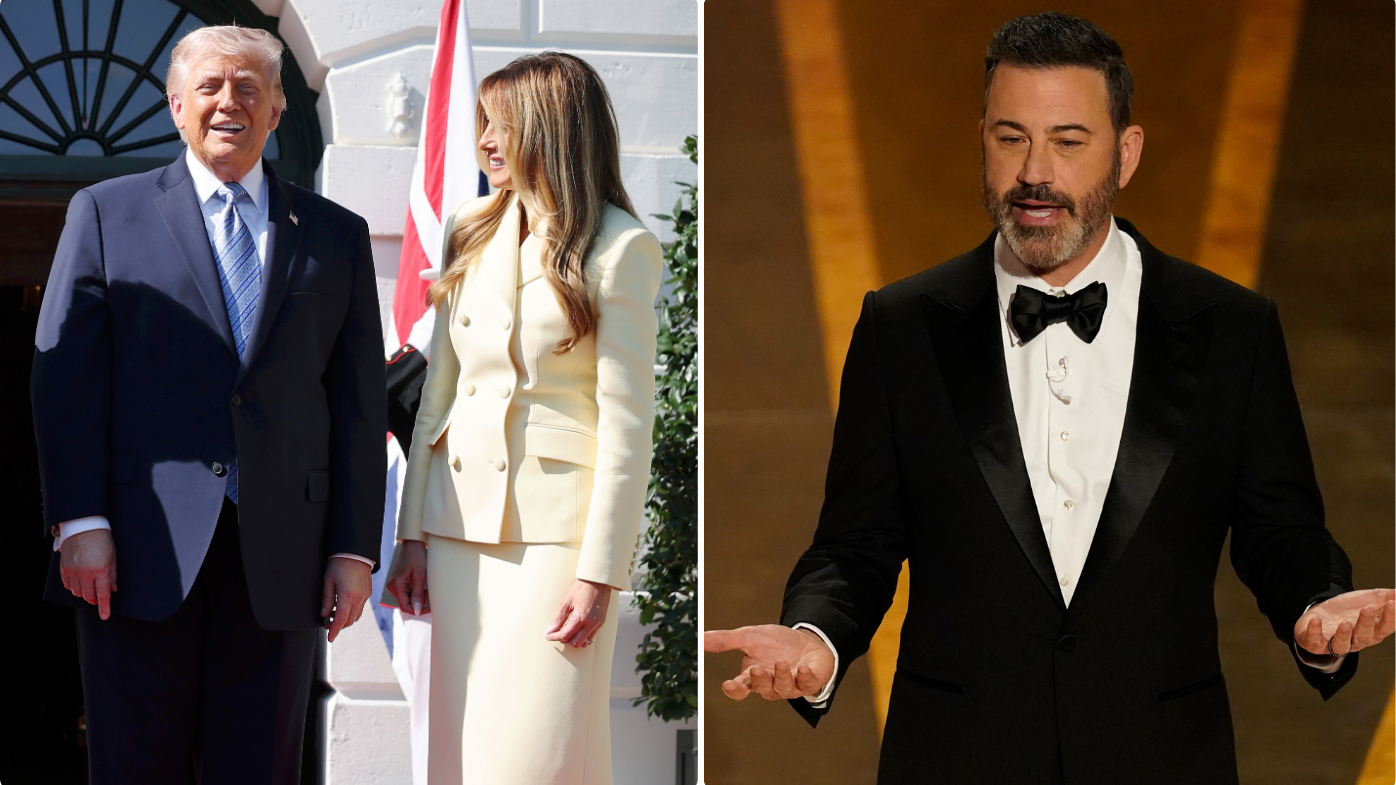 Kimmel hits back at calls for him to be sacked over latest Trump jab
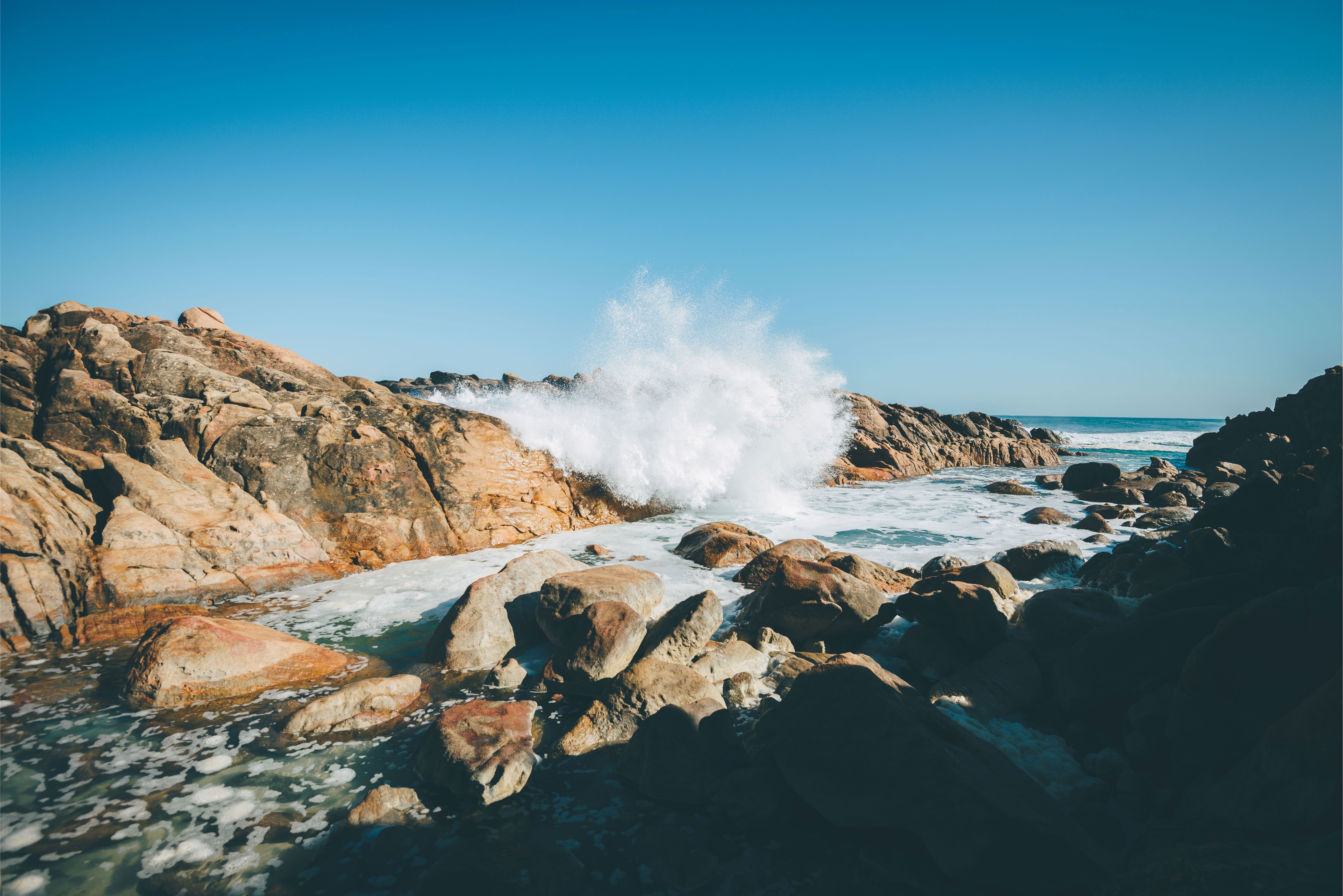 Tourist drowns after being swept off rocks at popular WA beach
 Former Australian of the Year's health 'a bit tougher' in brain cancer battle
 Search continues for man wanted over suspected abduction of young girl in NT
 Sydney's public transport system set for $820m transformation
 Only one person has bought into Donald Trump's million-dollar idea
 'Cracks starting to show' in Australia's $368 billion nuclear submarine deal
 Fears of fresh mouse plague as farmers share videos
 Trump promised it wouldn't cost taxpayers a dime. It's blown out to $400m
 'Nobody's voted for a cashless society': Thousands to withdraw cash in protest
 Zoe was fined $300 after forgetting her car. This is the hidden cost of ADHD
 Rescuer scales Sydney high-rise to reach missing dog trapped on ledge for days
 'ISIS brides' and children secure flights to Australia
 Airport apologises after wheelchair user barred from disability pick-up spot