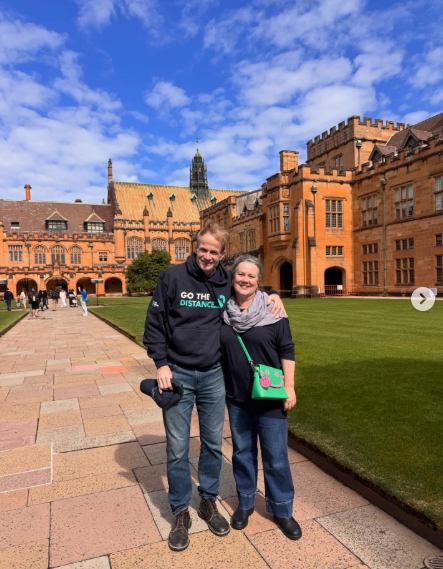
Acclaimed melanoma expert and former Australian of the Year Professor Richard Scolyer has shared a health update in his battle with brain cancer.
Acclaimed melanoma expert and former Australian of the Year Professor Richard Scolyer has shared a health update in his battle with brain cancer, saying his condition is getting "a bit tougher".
Scolyer, 59, was diagnosed with a grade four glioblastoma in 2023 and was given months to live.
Despite his prognosis, he managed to defy the odds.
LIVE UPDATES: 'Not happy': Secretive Trump meeting dooms Iran deal
Scolyer and his colleague, Professor Georgina Long, pioneered immunotherapy research, transforming the way melanomas are treated.
In a world-first, that same treatment was used to treat his brain cancer, until the cancer returned in February last year.
Scoyler told his supporters yesterday things have been "getting a bit tougher" over the past month or so.
"Particularly with my energy levels and some memory problems," he said on Instagram.
"But I'm still enjoying good times with family and friends.
"I've asked my family to continue to share my journey, even when I'm not able to do it well myself at times.
"Thanks for all the ongoing love and support."
READ MORE: 'Cracks starting to show' in Australia's $368 billion nuclear submarine deal
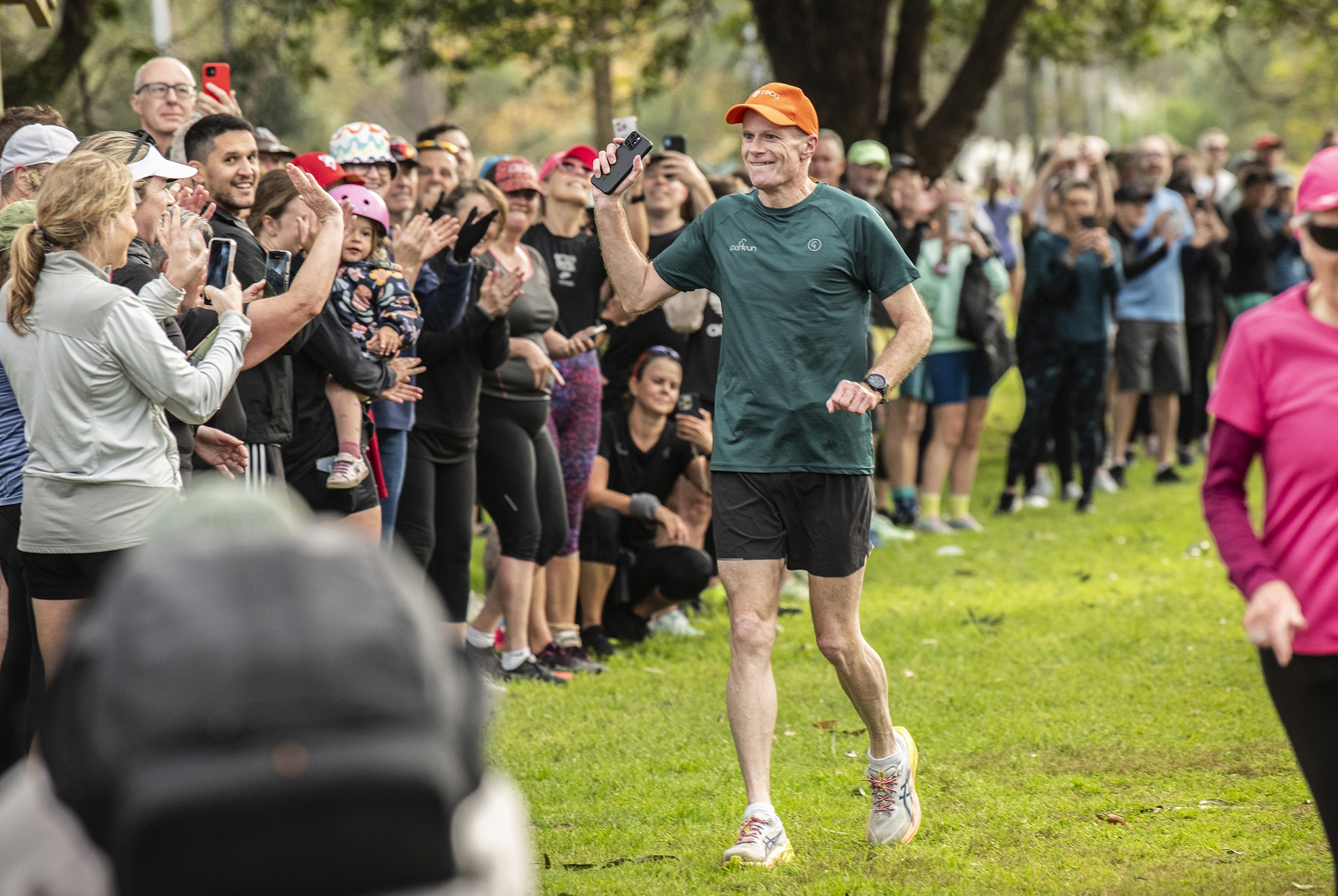
Despite the ups and downs, Scolyer hasn't stopped doing what he loves.
He has prioritised spending time with his family and friends.
Scoyler has also raised funds for this year's Tour de Cure and reached his 250th Parkrun in June last year.
Back in September last year, the federal government committed $5.9 million to establish the Richard Scolyer Chair in Brain Cancer Research at Chris O'Brien Lifehouse.
The program was named in Scolyer's honour due to his contribution to brain cancer research and advocacy.
The funding will be used to support the salaries of the professorial chair as well as postdoctoral fellows, research assistants and PhD scholarships, along with research costs.
NEVER MISS A STORY: Get your breaking news and exclusive stories first by following us across all platforms.
- Download the 9NEWS App here via Apple and Google Play
- Make 9News your preferred source on Google by ticking this box here
- Sign up to our breaking newsletter here
 Kimmel's hits back at calls for him to be sacked over latest Trump jab
 Rebel denies lying about smear websites amid film fight
 Tourist drowns after being swept off rocks at popular WA beach
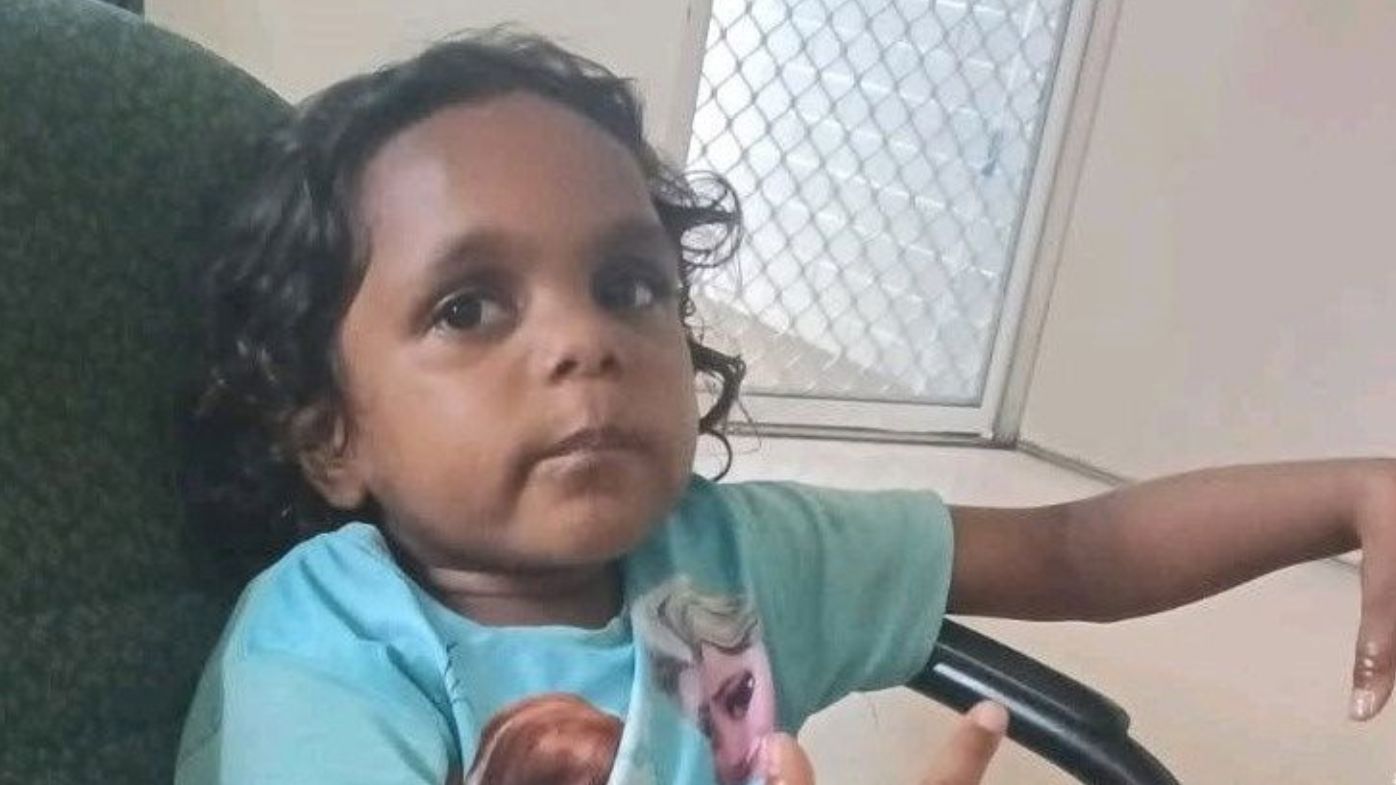 Search continues for man wanted over suspected abduction of young girl in NT
 Aussies jetting overseas in record numbers despite Middle East conflict
 Social media giants forced to pay for news under strengthened news media bargaining code
 Measles case triggers health warning across Sydney
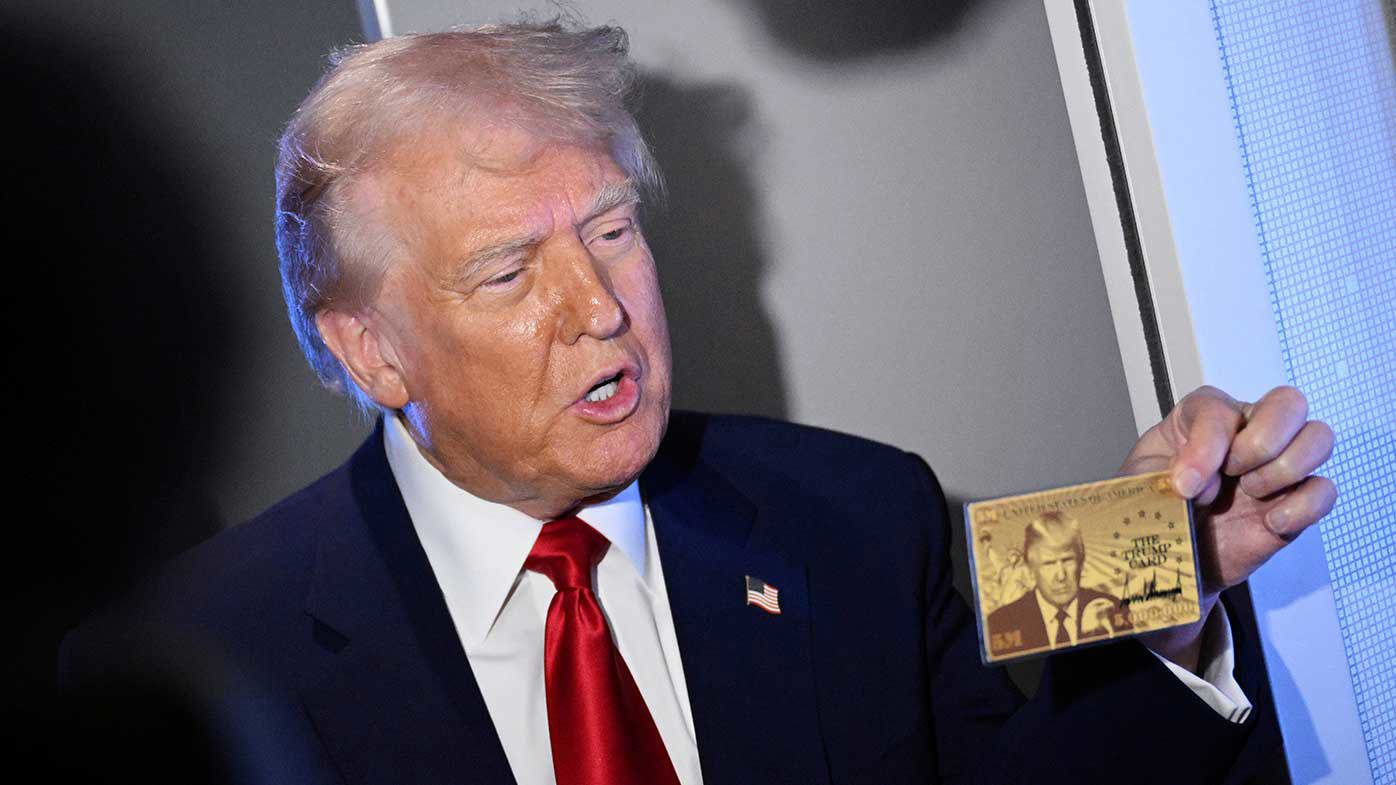 Only one person has bought into Donald Trump's million-dollar idea
 'Cracks starting to show' in Australia's $368 billion nuclear submarine deal
 Fears of fresh mouse plague as farmers share videos
 Trump promised it wouldn't cost taxpayers a dime. It's blown out to $400m
 'Nobody's voted for a cashless society': Thousands to withdraw cash in protest
 Zoe was fined $300 after forgetting her car. This is the hidden cost of ADHD
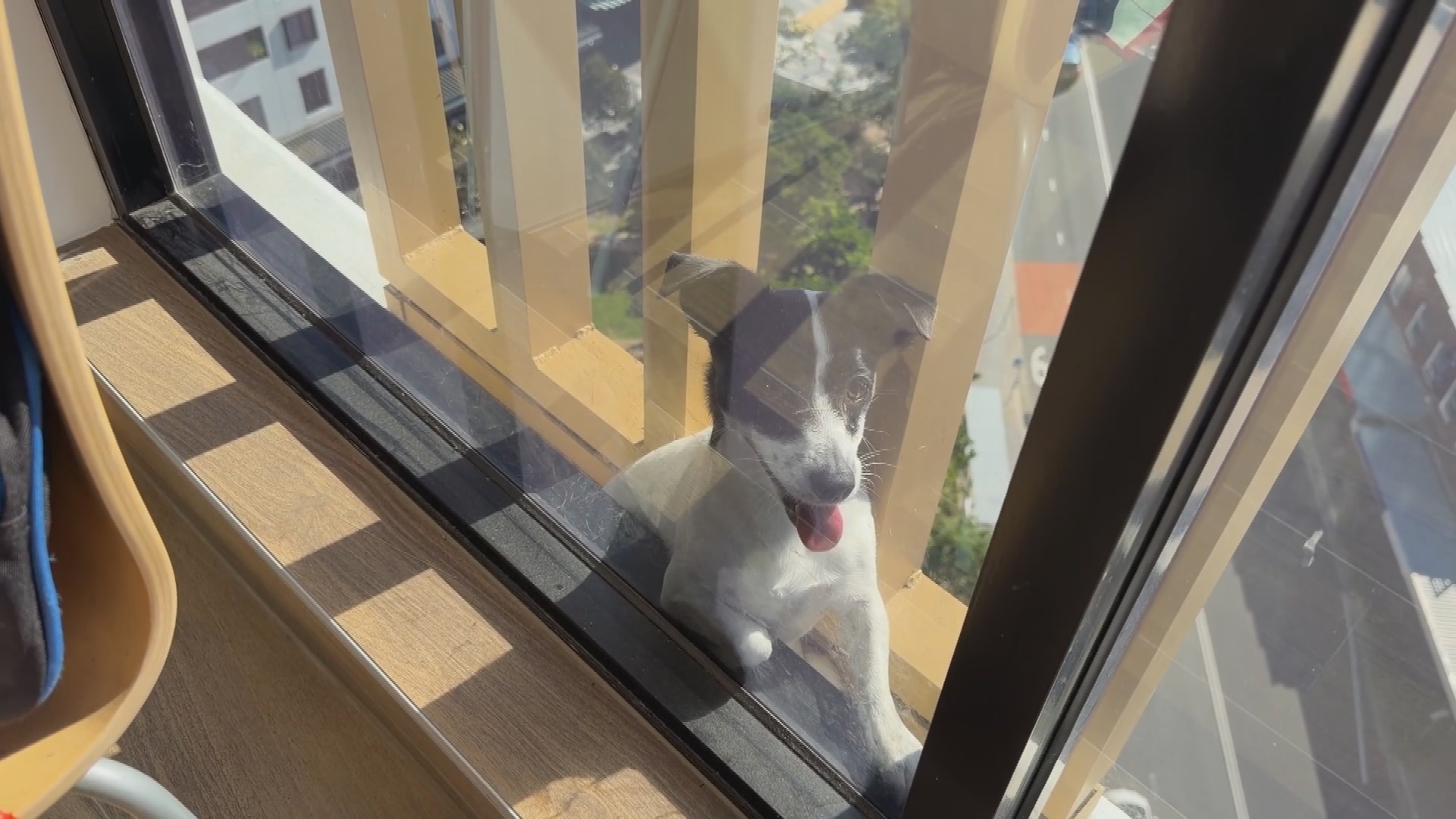 Rescuer scales Sydney high-rise to reach missing dog trapped on ledge for days
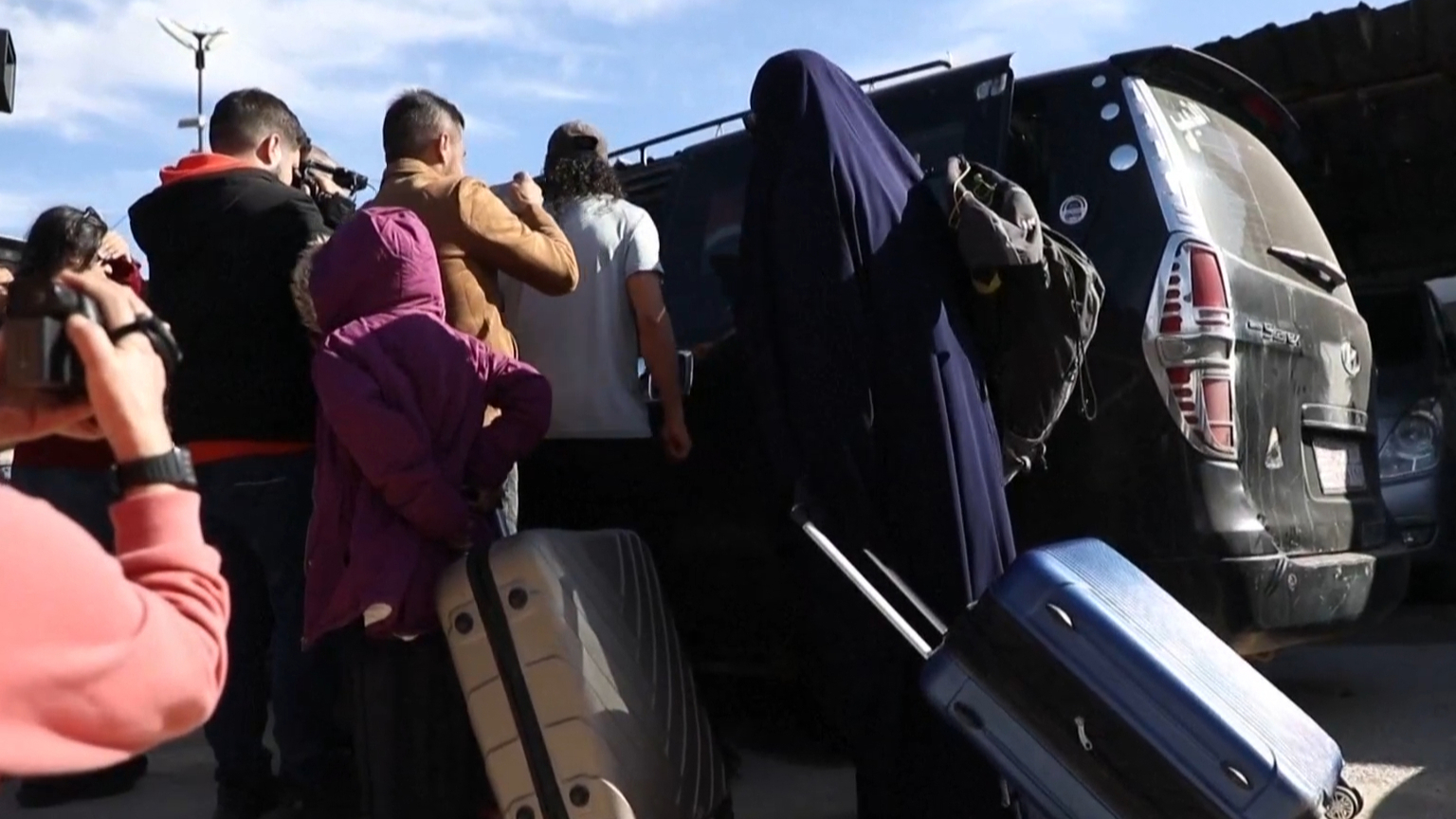 'ISIS brides' and children secure flights to Australia
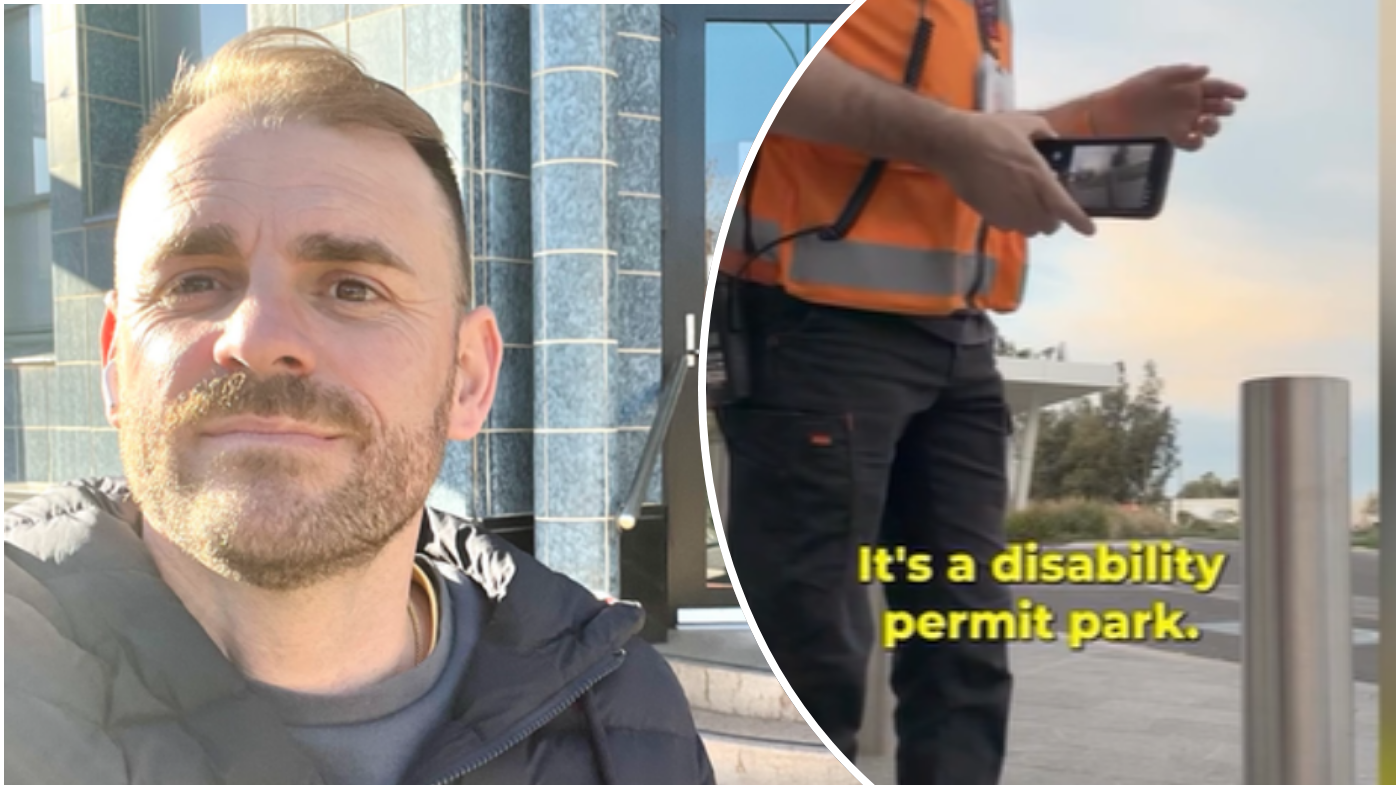 Airport apologises after wheelchair user barred from disability pick-up spot
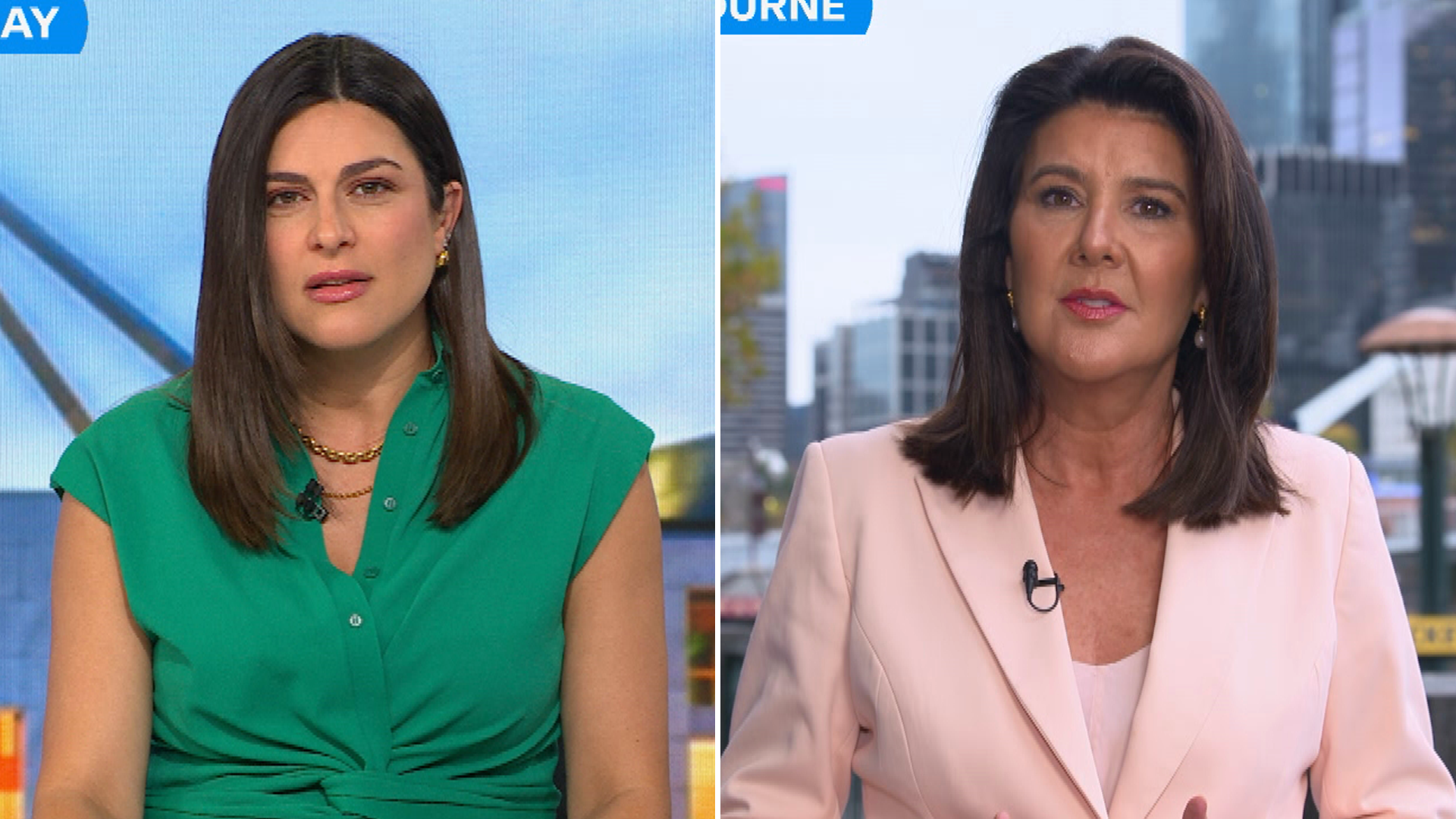 Fiery exchange as top Liberal grilled over 'bad countries' list