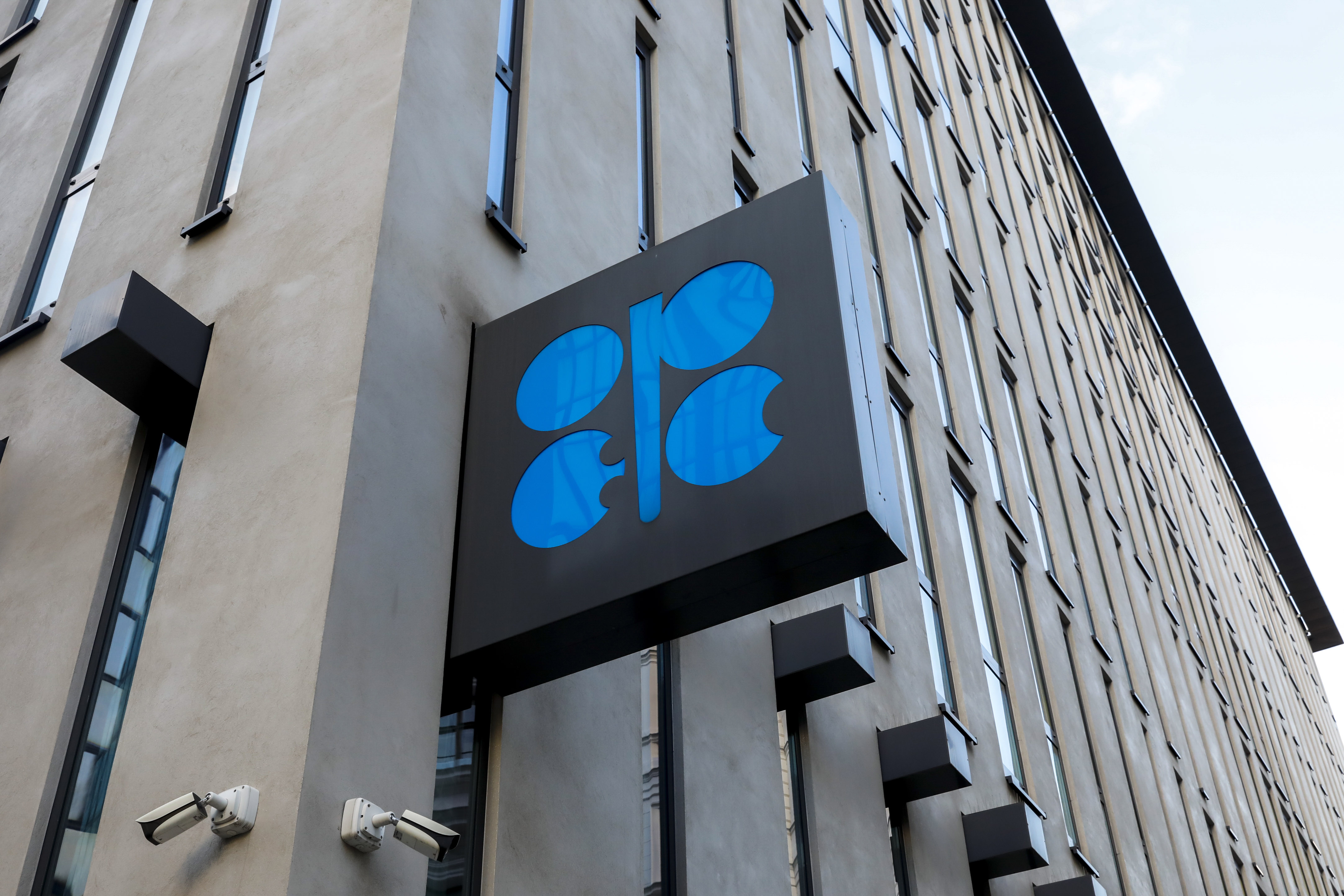
The oil cartel will be stripped of one of its largest producers and further weaken its leverage over global oil supplies and prices.
The United Arab Emirates announced on Tuesday that it will leave OPEC effective May 1, stripping the oil cartel of one of its largest producers and further weakening its leverage over global oil supplies and prices.
The UAE's decision had been rumoured as a possibility for some time, as it pushed back in recent years against OPEC production quotas it felt had been too low — meaning it wasn't able to sell as much oil to the world as it had wanted.
Regional politics are also likely at play. The UAE has had increasingly frosty relations with Saudi Arabia, OPEC's largest producer, over political and economic matters in the Mideast, even after both came under attack by fellow OPEC member Iran during the war.
READ MORE: Alleged 89-year-old Greek gunman on the run after Athens shooting
The UAE had been a long-time member of OPEC, first through its emirate of Abu Dhabi in 1967 and later when the UAE became its own country in 1971.
It had been producing around 3.4 million barrels of crude a day just before the United States and Israel launched a war on Iran on February 28.
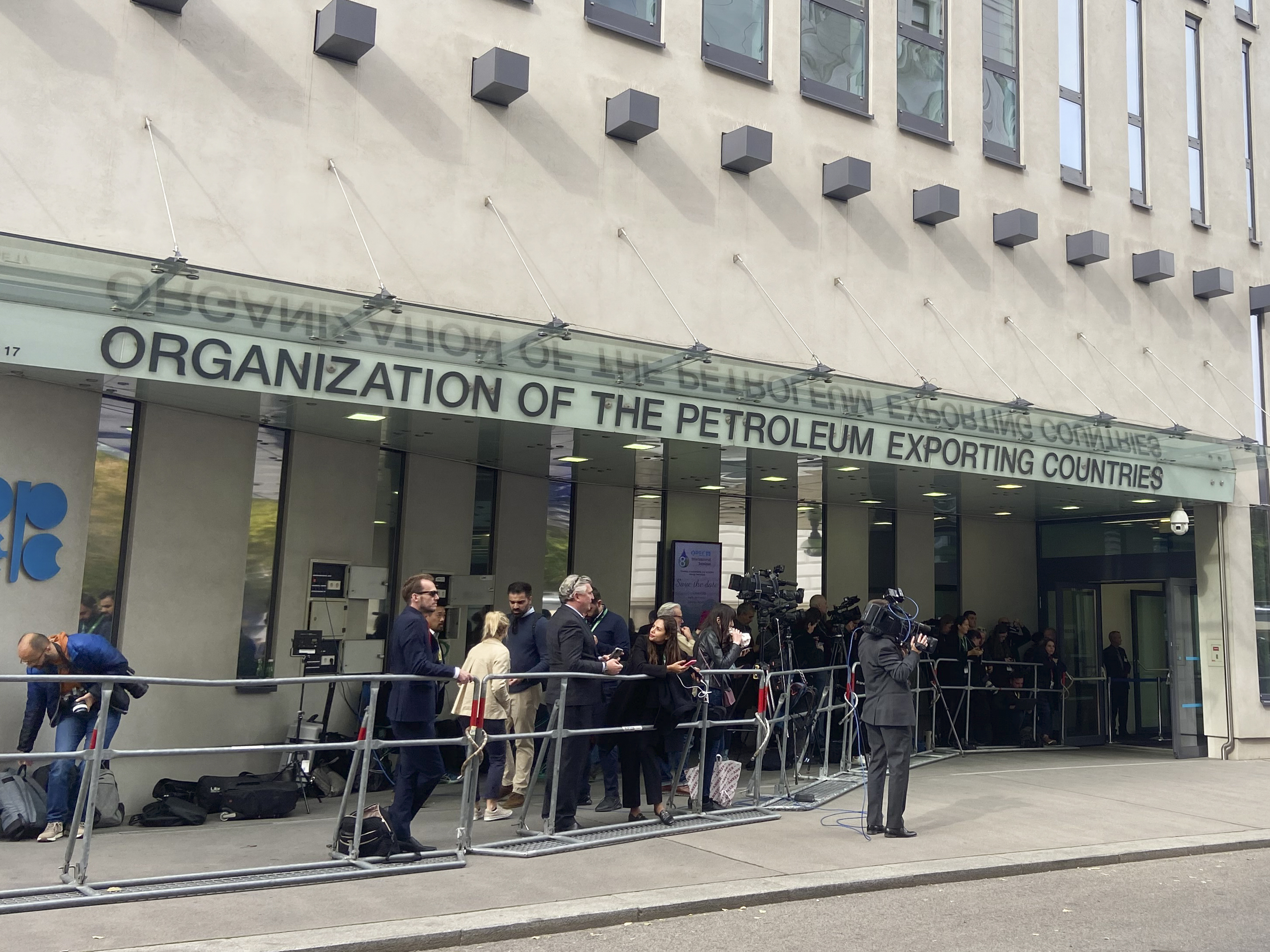
The UAE announced it's plans to withdraw from the Organisation of the Petroleum Exporting Countries (OPEC) via its state-run WAM news agency, saying it also would be leaving the wider OPEC+ group as well, which Russia had led in order to try to stabilise oil prices.
"This decision reflects the UAE's long-term strategic and economic vision and evolving energy profile, including accelerated investment in domestic energy production, and reinforces its commitment to a responsible, reliable, and forward-looking role in global energy markets," the UAE said.
"Following its exit, the UAE will continue to act responsibly, bringing additional production to market in a gradual and measured manner, aligned with demand and market conditions," the country added.
Major blow to oil cartel and Saudi Arabia
OPEC quotas had most recently limited the UAE to 3.2 million barrels of production a day, when in fact it has capacity to produce closer to 5 million barrels a day, Robin Mills the CEO of Dubai-based consultancy QamarEnergy told CNN's Connect the World.
The implications for global energy markets of the UAE pumping more oil will likely be limited in the short-term, however, given that the Strait of Hormuz still remains largely shut. A large share of the oil and natural gas exported by Gulf producers transits through the strait in normal times.
"But it does suggest that global supplies will be higher than would otherwise be the case once the Strait of Hormuz re-opens," David Oxley, chief climate and commodities economist at consultancy Capital Economics wrote in a note.
The "bigger picture is that the UAE has been itching to pump more oil," having invested heavily in expanding production capacity in recent years, he added.
The announcement reflected an "intensifying focus on national interests" among Gulf countries, according to Robert Mogielnicki, the head of Polisphere Advisory, a Paris-based consulting firm.
"This decision has been in the works for some time, but it comes at a pivotal moment for the (Middle East) and OPEC itself," he told CNN.
Saudi Arabia long has been considered a heavyweight of OPEC, an oil cartel based in Vienna that has seen some of its market power wane as the United States increased its production of crude oil in recent years.
Saudi Arabia and the UAE increasingly have competed over economic issues and regional politics, particularly in the Red Sea area.
The two countries had joined in together in a coalition to fight against Yemen's Iran-backed Houthi rebels in 2015.
However, that coalition broke down into recriminations in late December, when Saudi Arabia bombed what it described as a weapons shipment bound for Yemeni separatists backed by the UAE.
Saudi broadcasters long based in Dubai, the economic hub of the UAE, have pulled back to the kingdom in recent months as well as the tensions rose.
NEVER MISS A STORY: Get your breaking news and exclusive stories first by following us across all platforms.
- Download the 9NEWS App here via Apple and Google Play
- Make 9News your preferred source on Google by ticking this box here
- Sign up to our breaking newsletter here
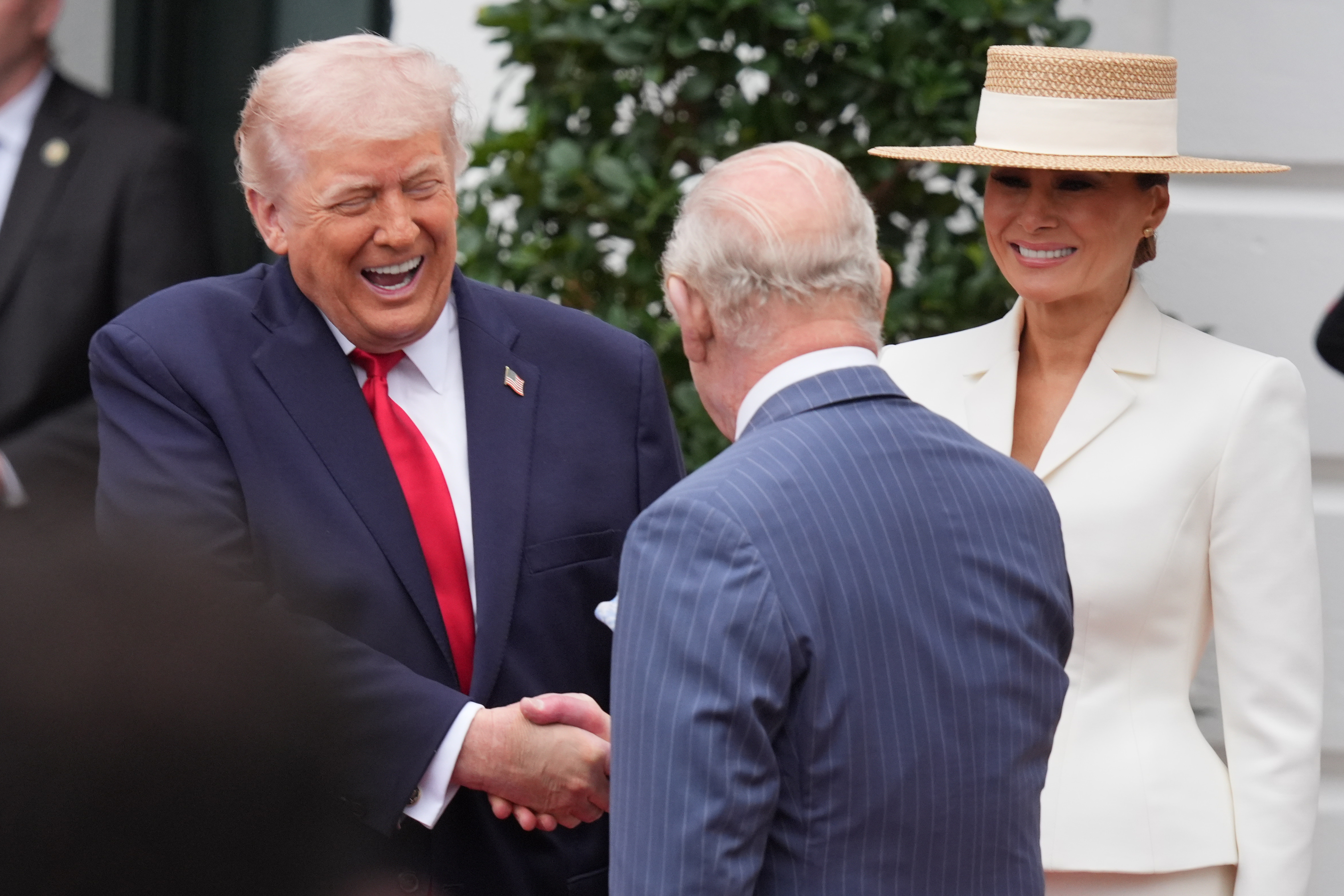 Trump thrills in 'royal ties' as he welcomes King to White House on historic day
 Alleged 89-year-old Greek gunman on the run after Athens shooting
 Aussies just hours from learning likely fate on triple dose of rate hike pain
 'The worst': Rebel claim over star's alleged complaint
 Robot dogs with Musk and Zuckerberg heads roam around gallery
 Boy, 15, allegedly struck in Sydney hit-and-run attack near off-duty cops
 Spate of attacks on Melbourne nightlife venues forms focus of new police operation
 Young Aussies won't end up worse off than their parents, but there's a catch
 Best workplaces in Australia revealed in new report
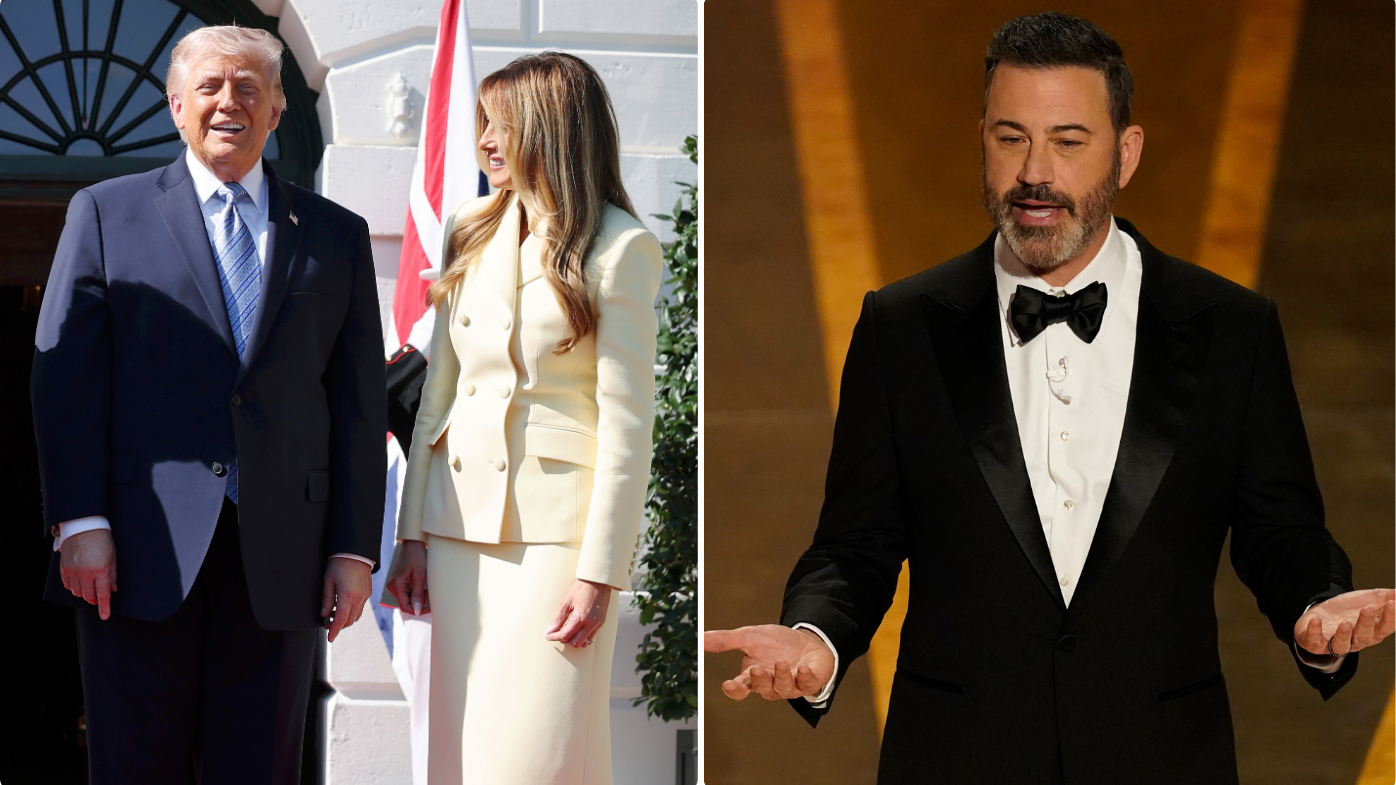 Kimmel hits back at calls for him to be sacked over latest Trump jab
 'Cracks starting to show' in Australia's $368 billion nuclear submarine deal
 Fears of fresh mouse plague as farmers share videos
 Trump promised it wouldn't cost taxpayers a dime. It's blown out to $400m
 'Nobody's voted for a cashless society': Thousands to withdraw cash in protest