Traditional family structures are being challenged.
Many Australians are rethinking traditional family life due to rising costs, changes in rental laws, and a desire for independence.
And that is resulting in the number of dogs per household overtaking the number of kids in a cluster of suburbs, new research shows.
For pet parents, factoring animals into daily plans is nothing new.
But local government data and business trends indicate that caring for pets now occupies a greater share of their owners' lives.
If you want a sense of just how much things have changed, look no further than Sydney's Inner West – where the average household now boasts more dogs than children.
Close to 50,000 dogs are microchipped across the local government area, up from about 43,200 in 2023 following a pandemic-era lift.
Marrickville leads with around 4300, followed by Leichhardt and Balmain.
To keep pace with surging demand, Marrickville daycare centre Kip Happy Stays has rolled out additional services.
One of their trainers, Mandi Wright, said this is driven by a growing number of residents treating dogs "as part of the family."
"While we've traditionally offered boarding at our larger facilities in Lake Macquarie and the Hunter Valley, this expansion makes it much easier for Inner West pet owners to access high-quality care locally."
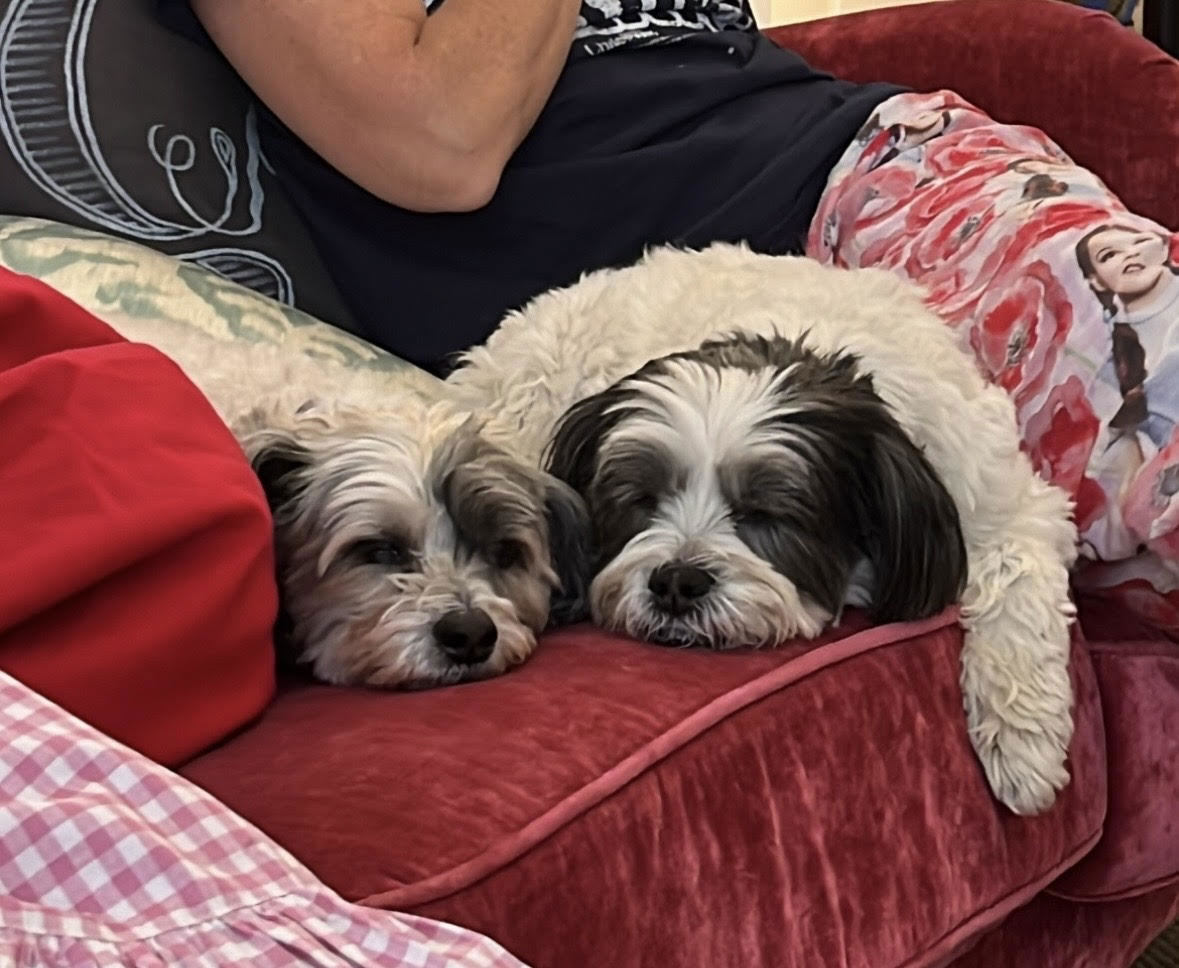
Demand for off-leash space is also high – Inner West Council maintains 44 such areas, among the most in Sydney, with more in the pipeline.
To support the growing pet population, a council spokesperson revealed that a dedicated team has been introduced to handle requests for microchipping, registrations, complaints, and park patrols.
Meanwhile, changes to rental laws have lowered barriers to pet ownership for many – a pattern of note in the Inner West, where over 40 per cent of residents rent.
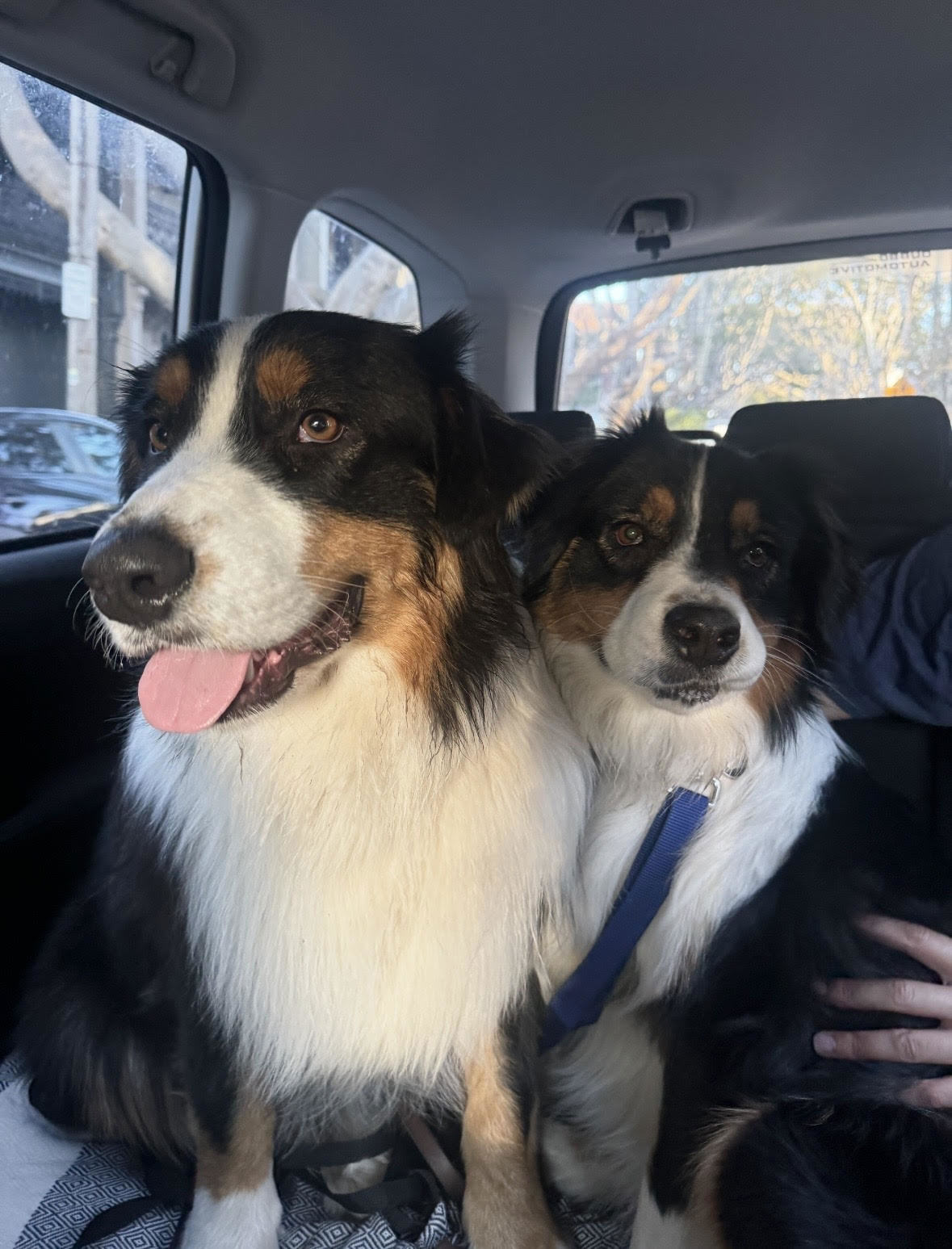
The pet parent conversation is not confined to a single neighbourhood.
In Peakhurst, 62-year-old Rosie finds her days filled with "unconditional affection" from her kelpie, Roxy, rather than children.
"Having a pet allows me to nurture and care for another being while still maintaining independence in my personal, career, and lifestyle choices. It felt like the right balance for where I am in life."
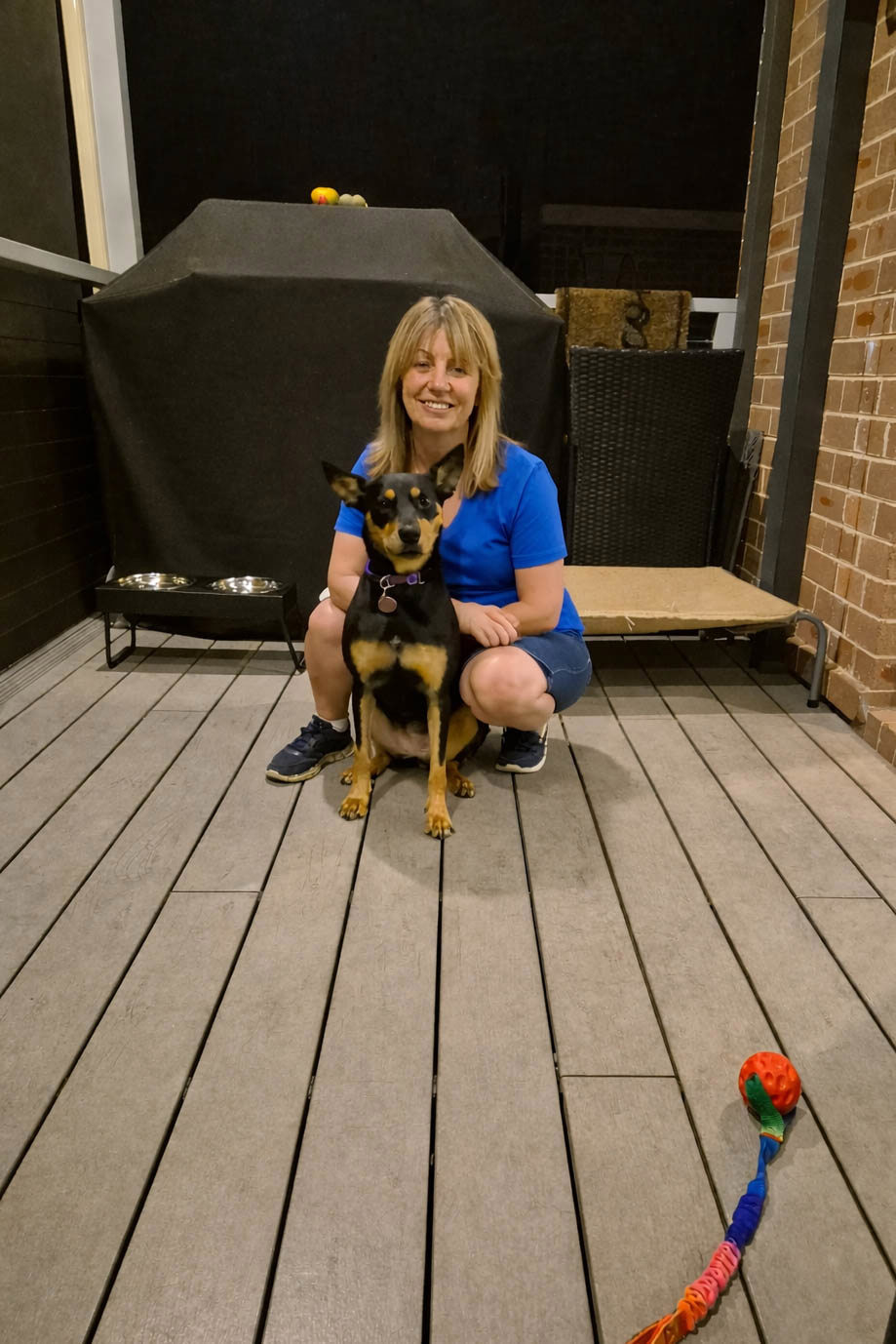
While having a pet isn't cheap, Rosie noted that the costs are often more predictable than those of raising children.
Still, this doesn't mean that one subset of parents is financially better off.
One Inner West local spends close to $10,000 a year on daycare alone to work full-time at her office job.
The woman, who asked to remain anonymous, adopted her French bulldog, Trunks, during the pandemic.
She told nine.com.au that, remarkably, it’s often parents themselves who are the most supportive of her decision to be kid-free.
"Overall, I do believe attitudes are becoming more accepting of having pets instead of children," she said.
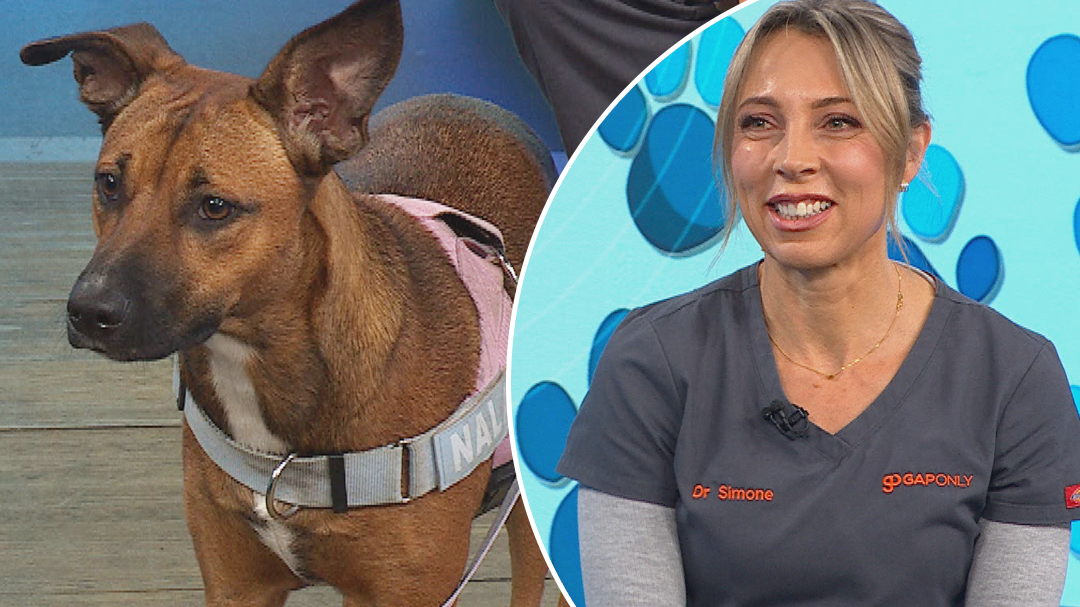
Trunks' mum said that although day-to-day costs affect everyone, she sees them as just one part of a broader equation when deciding whether to have kids.
"I think more people would have children if homes weren't 10 times their salary, if childcare were completely free or more heavily subsidised, and if there was easy, uncapped and free access to specialised services pre and post birth."
Ultimately, deciding who makes up your family (child or canine) comes down to the individual, Rosie believes.
"There's no one-size-fits-all answer – both paths come with rewards and trade-offs. What matters most is choosing a lifestyle that aligns with your priorities, values, and vision for your future."
NEVER MISS A STORY: Get your breaking news and exclusive stories first by following us across all platforms.
- Download the 9NEWS App here via Apple and Google Play
- Make 9News your preferred source on Google by ticking this box here
- Sign up to our breaking newsletter here
 Alleged gunman to face court after shooting at event attended by Trump
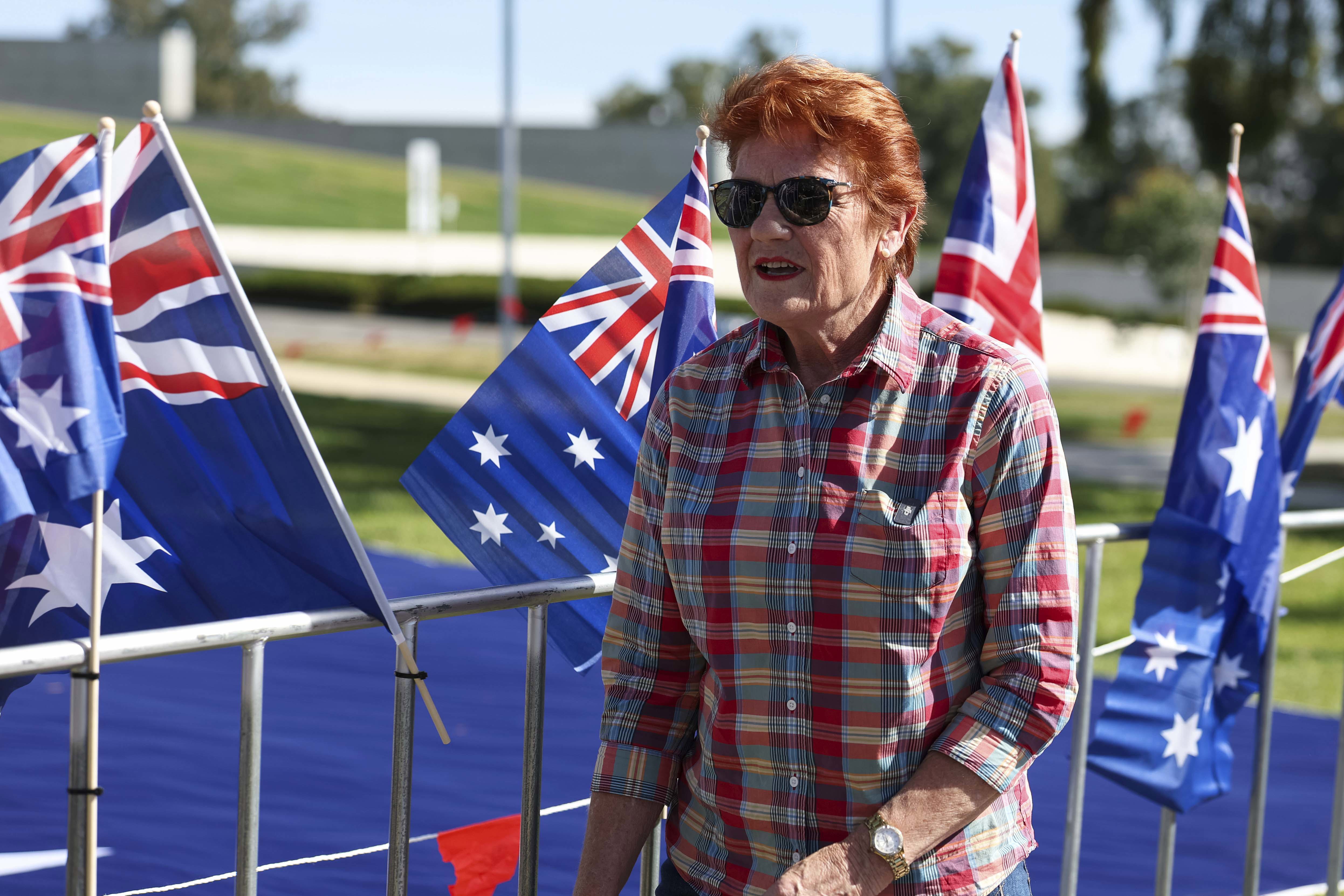 Protest led by Pauline Hanson calls for end to mass immigration
 Childcare worker accused of slapping children in Sydney
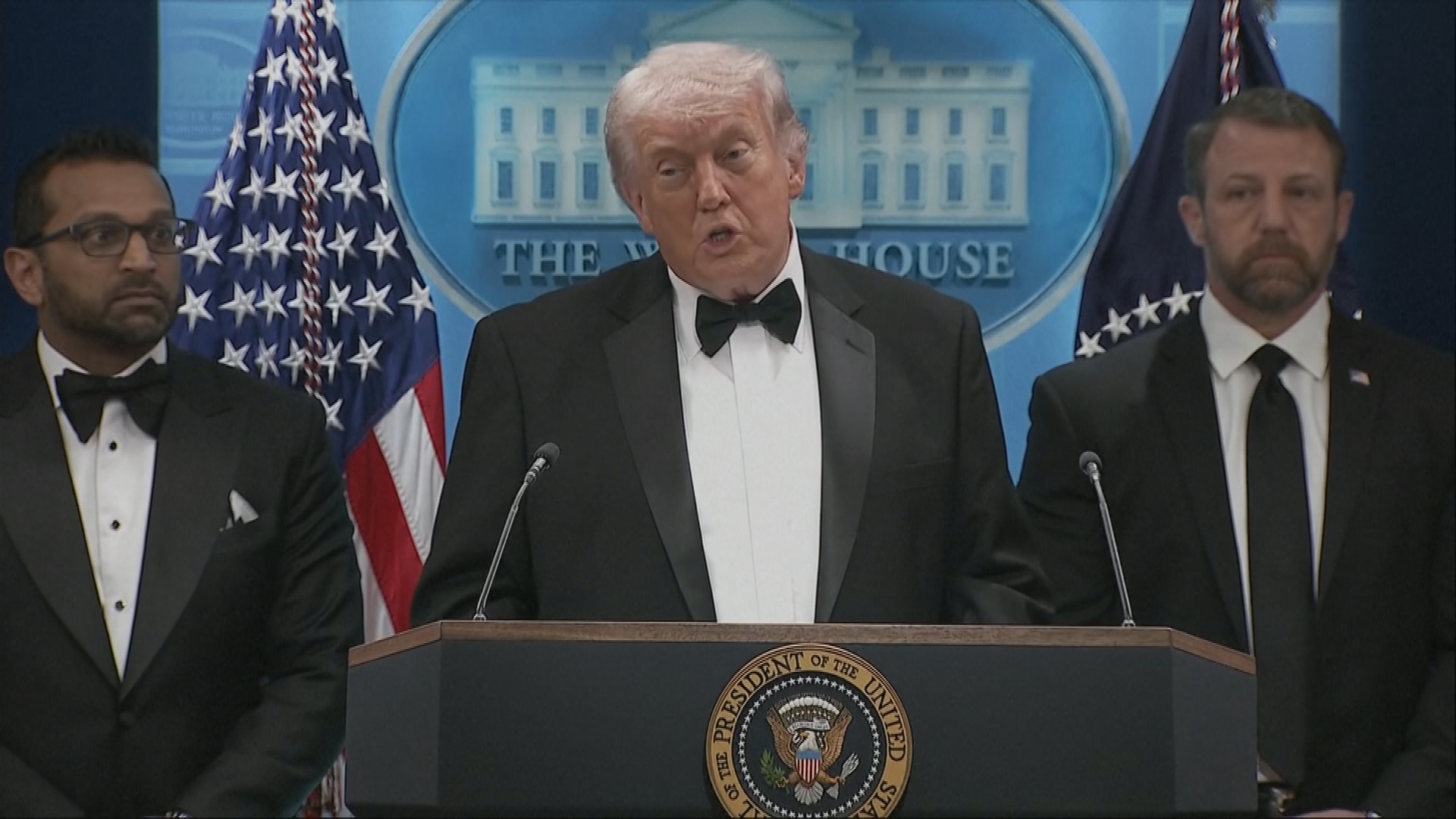 'Fought like hell': Trump's reaction to yet another shooting
 Prisoner on the run after slipping away from supervisor during brother's funeral
 'Teacher of the month': Alleged shooter identified
 FBI swarms home thousands of kilometres from White House
 Two more bars attacked in Melbourne as fears grow
 Vision shows man rushing past security before shots were fired at correspondents' dinner
 Erika Kirk was at dinner as shooter attempted to storm room
 While other retailers close up shop, these once-taboo stores are booming
 US says it's hunting for explosive mines in latest push to open the Strait of Hormuz
 Inside Australia's most secretive town, Useless Loop
 Royals help commemorate Anzac Day in the UK
 Body found in dense bushland could have been there for years: Police
 Some Sydney beaches closed as whale washes up dead
 Partial remains of Australian soldiers laid to rest more than a century after WWI
 The Australian soldiers who fought epic battle in the 'forgotten war'