US President Donald Trump ordered the US military to intensify its mine clearing efforts in the Strait of Hormuz, with permission to get rid of any vessels standing in their way.
US President Donald Trump has ordered the US military to intensify its mine clearing efforts in the Strait of Hormuz, with permission to get rid of any vessels standing in their way.
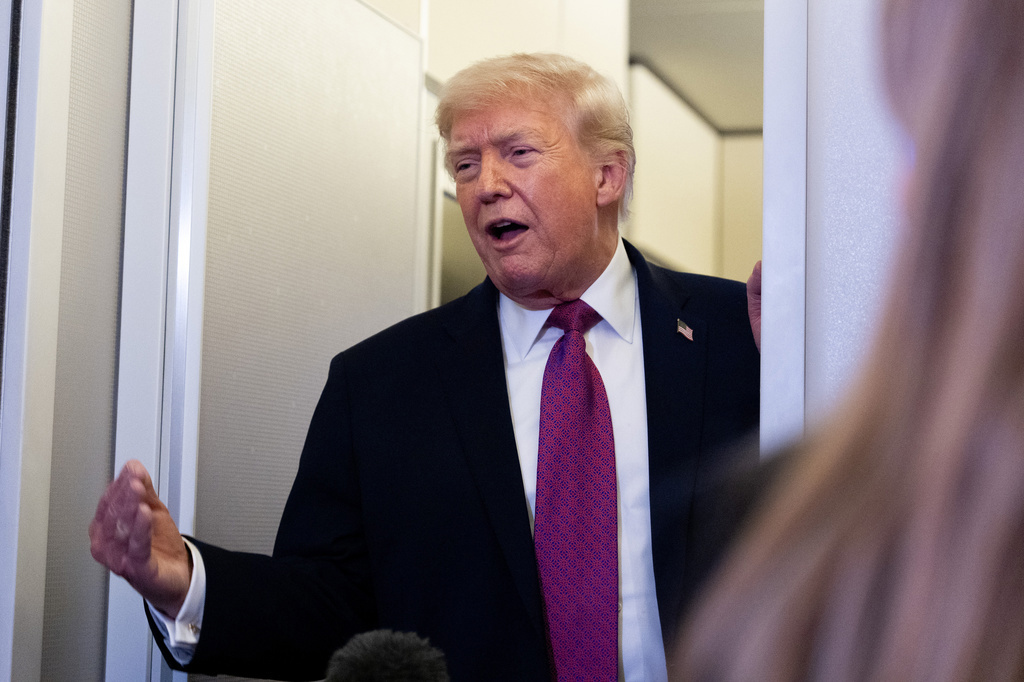
"I have ordered the United States Navy to shoot and kill any boat, small boats though they may be ... that is putting mines in the waters of the Strait of Hormuz," Trump said in a social media post on Thursday.
"There is to be no hesitation. Additionally, our mine 'sweepers' are clearing the Strait right now. I am hereby ordering that activity to continue, but at a tripled up level!"
READ MORE: Italy great rubbishes Iran World Cup swap suggestion
The post came shortly after the US military seized another tanker associated with the smuggling of Iranian oil, ratcheting up a standoff with Iran a day after its paramilitary Revolutionary Guards took control of two vessels in the crucial Strait of Hormuz.
The Defence Department released video footage of US forces on the deck of the Guinea-flagged oil tanker Majestic X, which was seized in the Indian Ocean.
"We will continue global maritime enforcement to disrupt illicit networks and interdict vessels providing material support to Iran, wherever they operate," a Pentagon statement said.
Ship-tracking data showed the Majestic X in the Indian Ocean between Sri Lanka and Indonesia, roughly the same location as the oil tanker Tifani, earlier seized by American forces. It had been bound for Zhoushan, China.
AS IT HAPPENED: Why Trump is losing his grip and what can turn it around
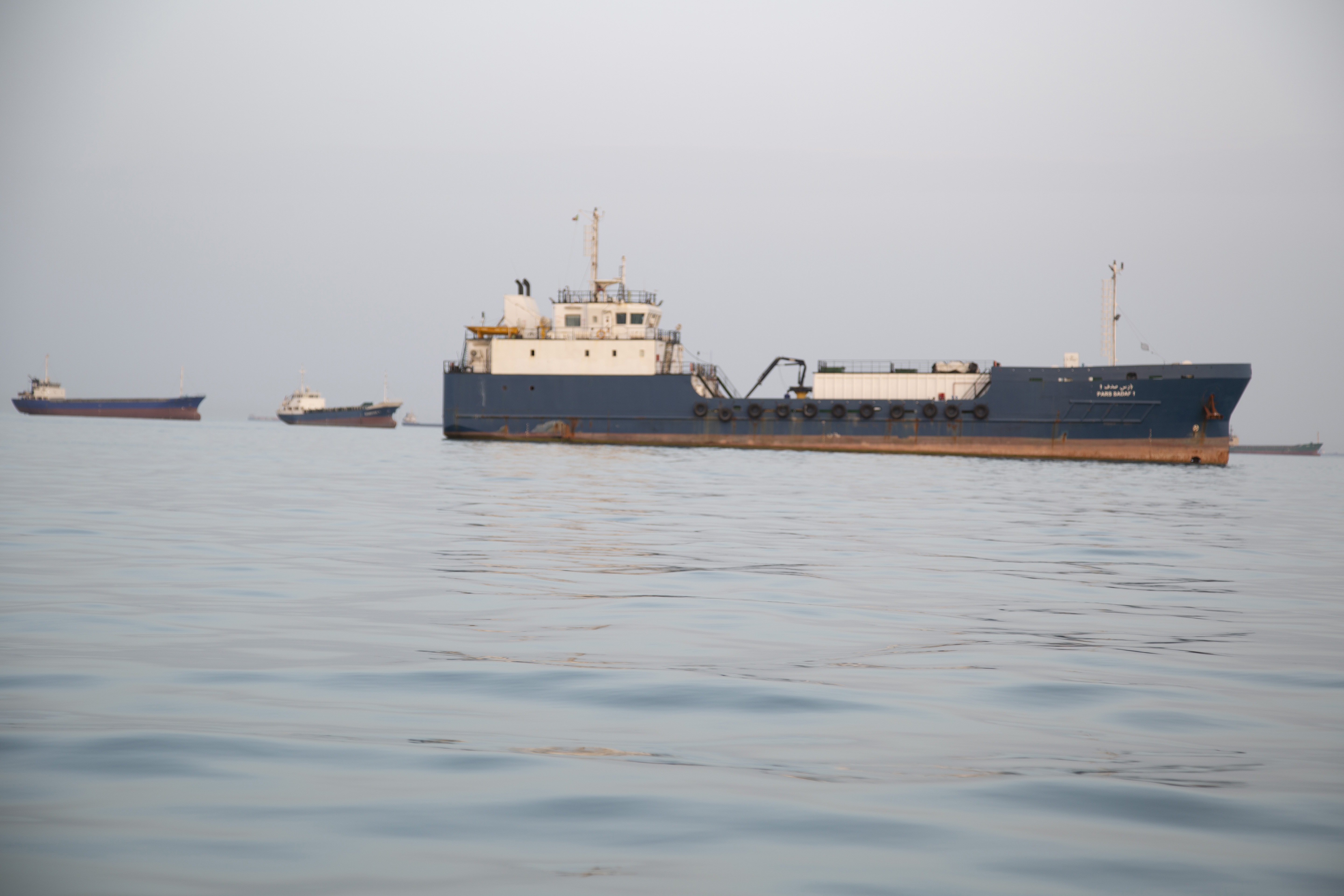
The vessel previously had been named Phonix and had been sanctioned by the US Treasury Department in 2024 for smuggling Iranian crude oil in contravention of US sanctions on the Islamic Republic.
There was no immediate response from Iran on the news of the seizure.
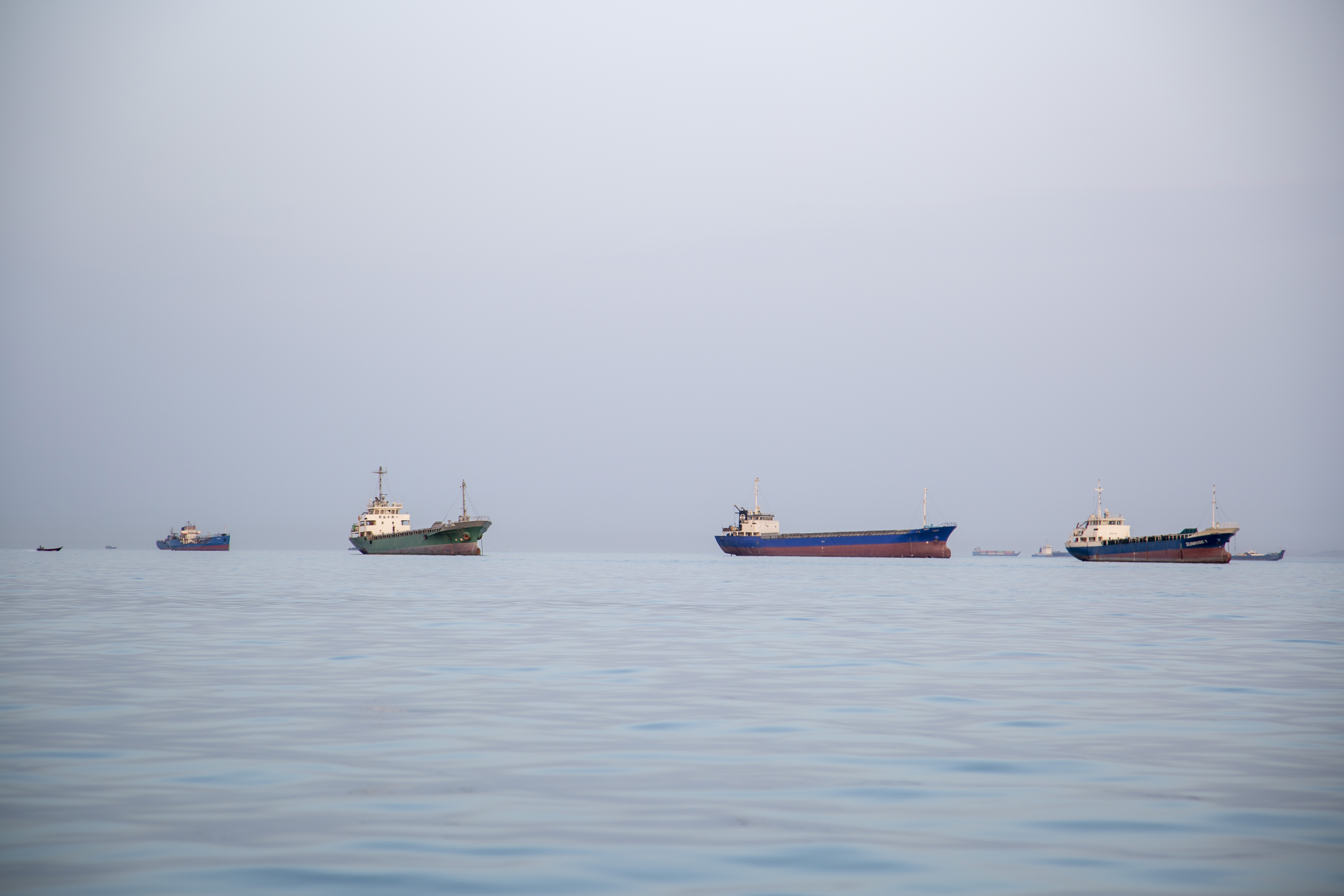
It comes a day after Iran attacked three cargo ships in the strait, capturing two of them, in a move that intensified its assault on shipping in the key waterway through which 20 per cent of the world's traded oil passes in peacetime.
On Tuesday, Trump extended a ceasefire while maintaining an American blockade of Iranian ports. There was no immediate sign whether peace talks, previously hosted by Pakistan, would resume anytime soon.
The standoff between the US and Iran has effectively choked off nearly all exports through the strait with no end in sight.
Since the February 28 start of the war between Iran, Israel and the United States, more than 30 ships have come under attack in the waters of the Persian Gulf, the Strait of Hormuz and the Gulf of Oman.
The threat of attack, rising insurance premiums and other fears have stopped traffic from moving through the strait. Iran's ability to restrict traffic through the strait, which leads from the Persian Gulf to the open ocean, has proved a major strategic advantage.
The ceasefire has been strained by duelling US attacks on Iranian ships and those by Iran on commercial vessels. It also remains unclear when, or if, the two sides will meet again in the Pakistani capital Islamabad, where officials say they are still trying to bring the countries together to reach a diplomatic deal.
The conflict already has sent gas prices skyrocketing far beyond the region and raised the cost of food and a wide array of other products. Officials around the world have warned the impact to businesses, consumers and economies could be long-lasting.
Iran's exiled Crown Prince splattered in Germany
On Thursday, Iran's exiled Crown Prince Reza Pahlavi was splattered with red liquid as he left a building after a news conference in Berlin.
The alleged perpetrator was immediately detained by police.
During the event, Pahlavi criticised the ceasefire between the US and Iran, arguing that the agreement assumes the Iranian government's behaviour will change and "you're going to deal with people who all of a sudden have become pragmatists".
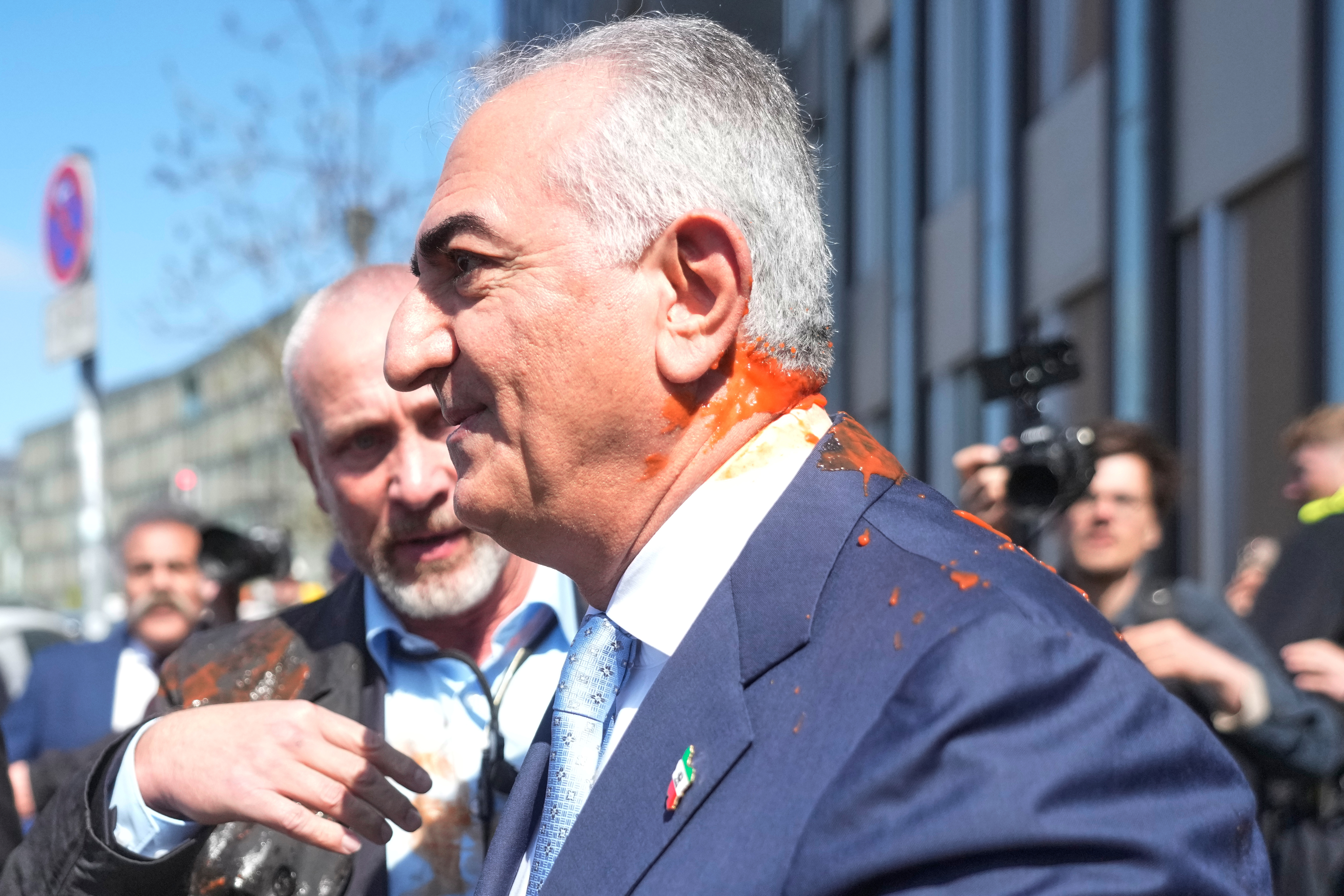
Pahlavi, 65, has been in exile for nearly 50 years.
His father, Iran's shah, was so widely hated that millions took to the streets in 1979, forcing him from power.
Nevertheless, Pahlavi is trying to position himself as a player in his country's future.
NEVER MISS A STORY: Get your breaking news and exclusive stories first by following us across all platforms.
- Download the 9NEWS App here via Apple and Google Play
- Make 9News your preferred source on Google by ticking this box here
- Sign up to our breaking newsletter here
 Fraud charges for billionaire philanthropist's former private secretary
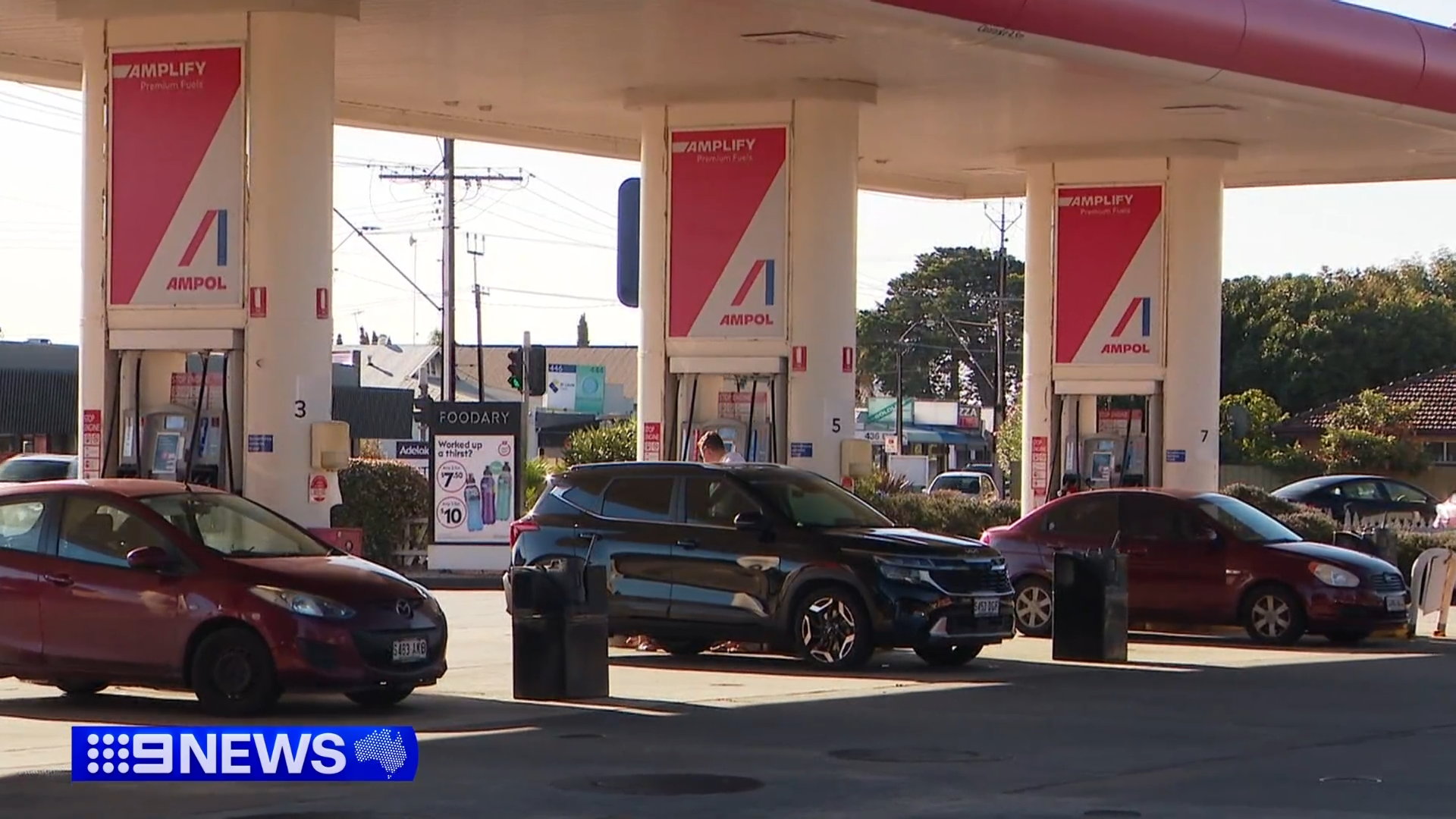 Trump said 'buy oil from the US'. Australia had little choice
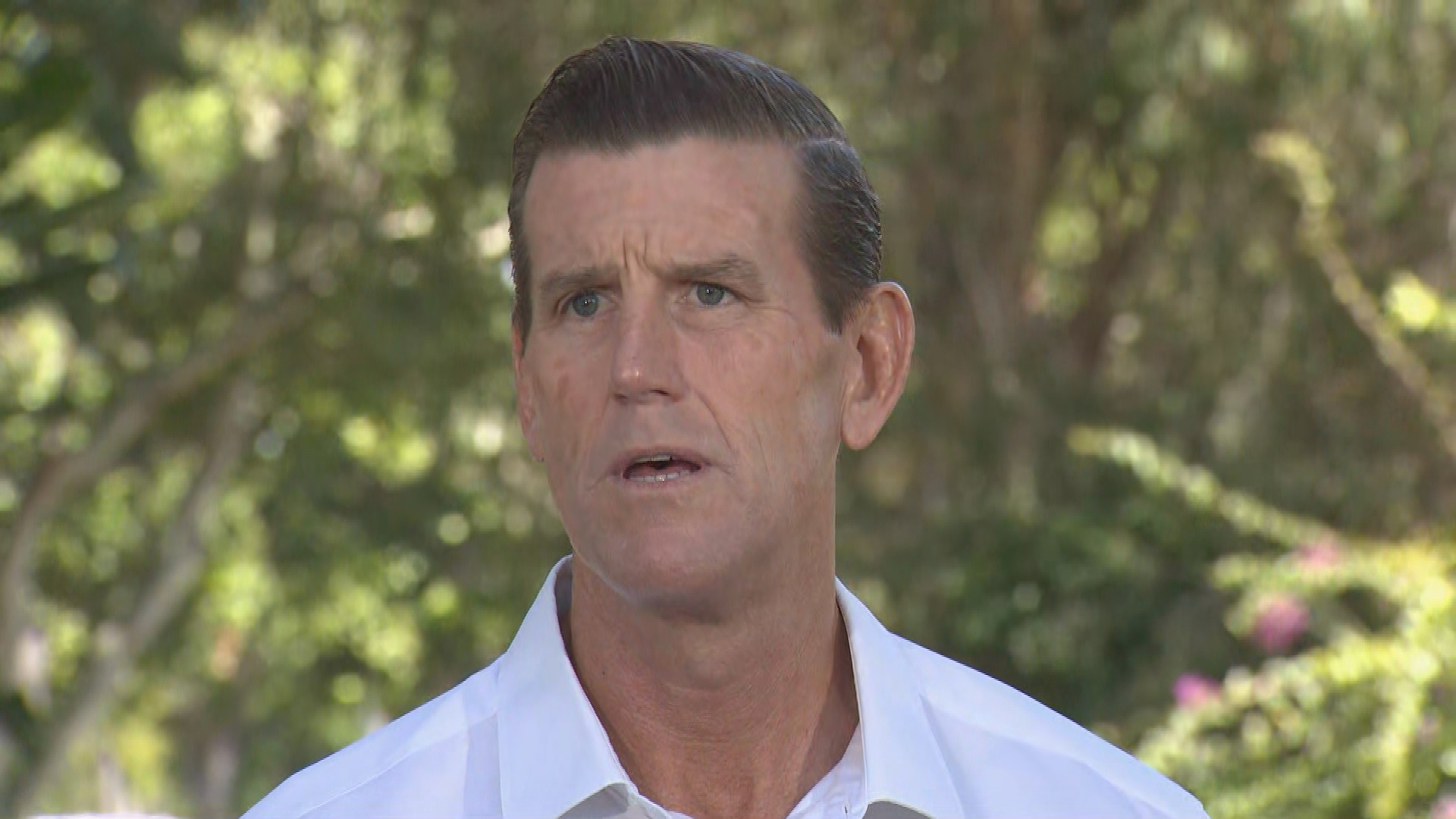 Court documents reveal Ben Roberts-Smith was eyeing business overseas
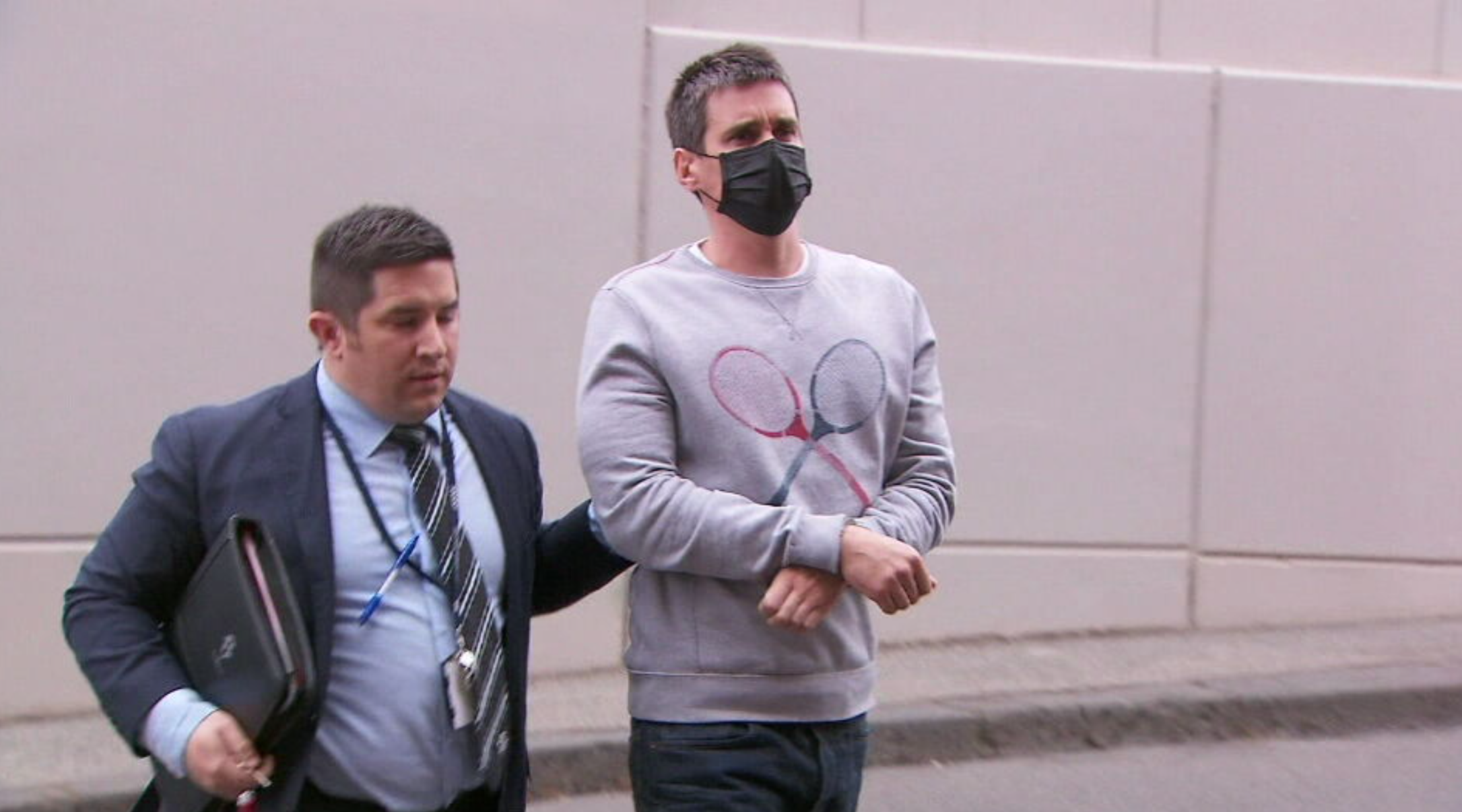 Richard Pusey sues Victoria Police over deadly Eastern Freeway crash
 'Very difficult': Actor's teary court claim about Rebel
 Aussie scientists develop injectable treatment to help flat-nosed dogs breathe easier
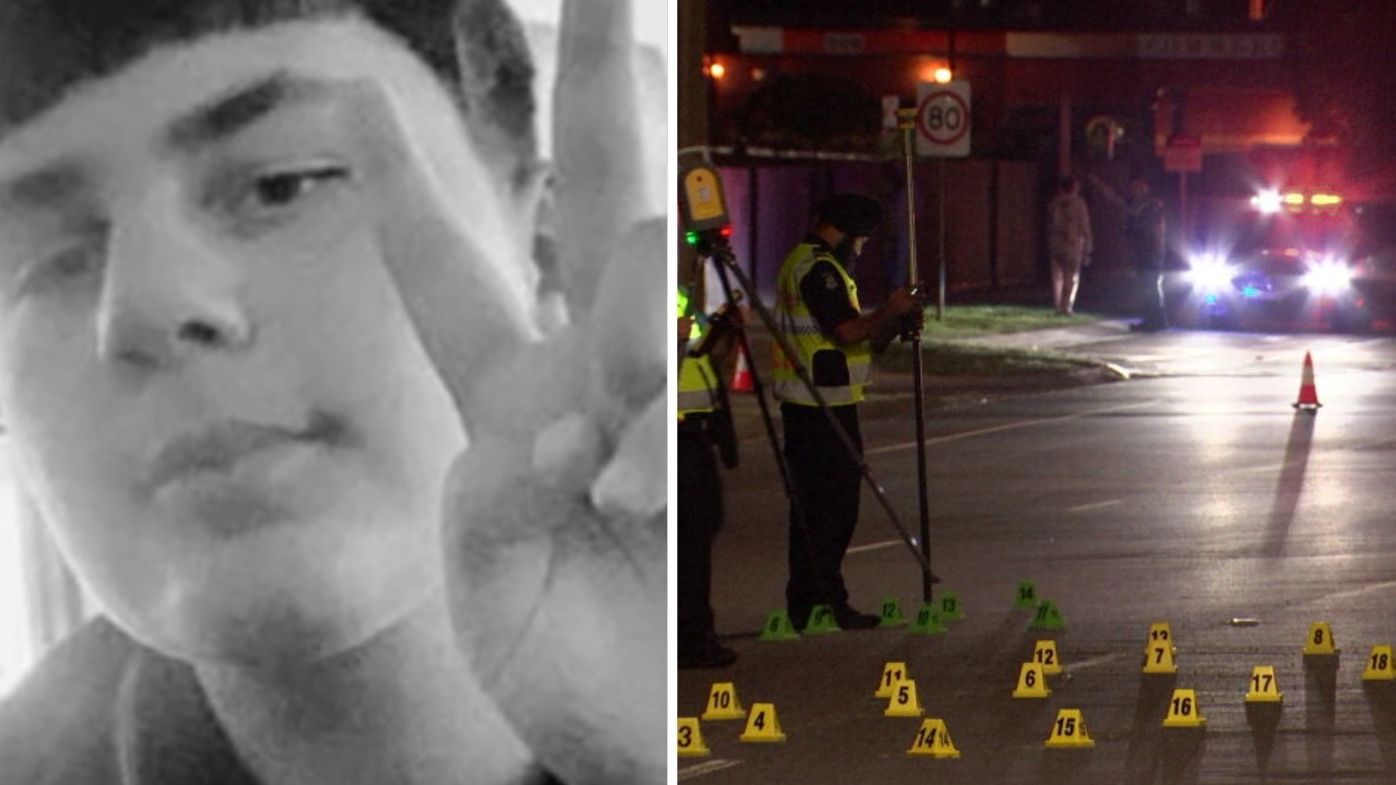 Tributes flow for 'larger than life' teen killed in tragic e-bike crash
 Thousands of Aussies about to have $5000 cut from their yearly budget
 How one order uncovered a massive 'ghost cake' delivery scandal in China
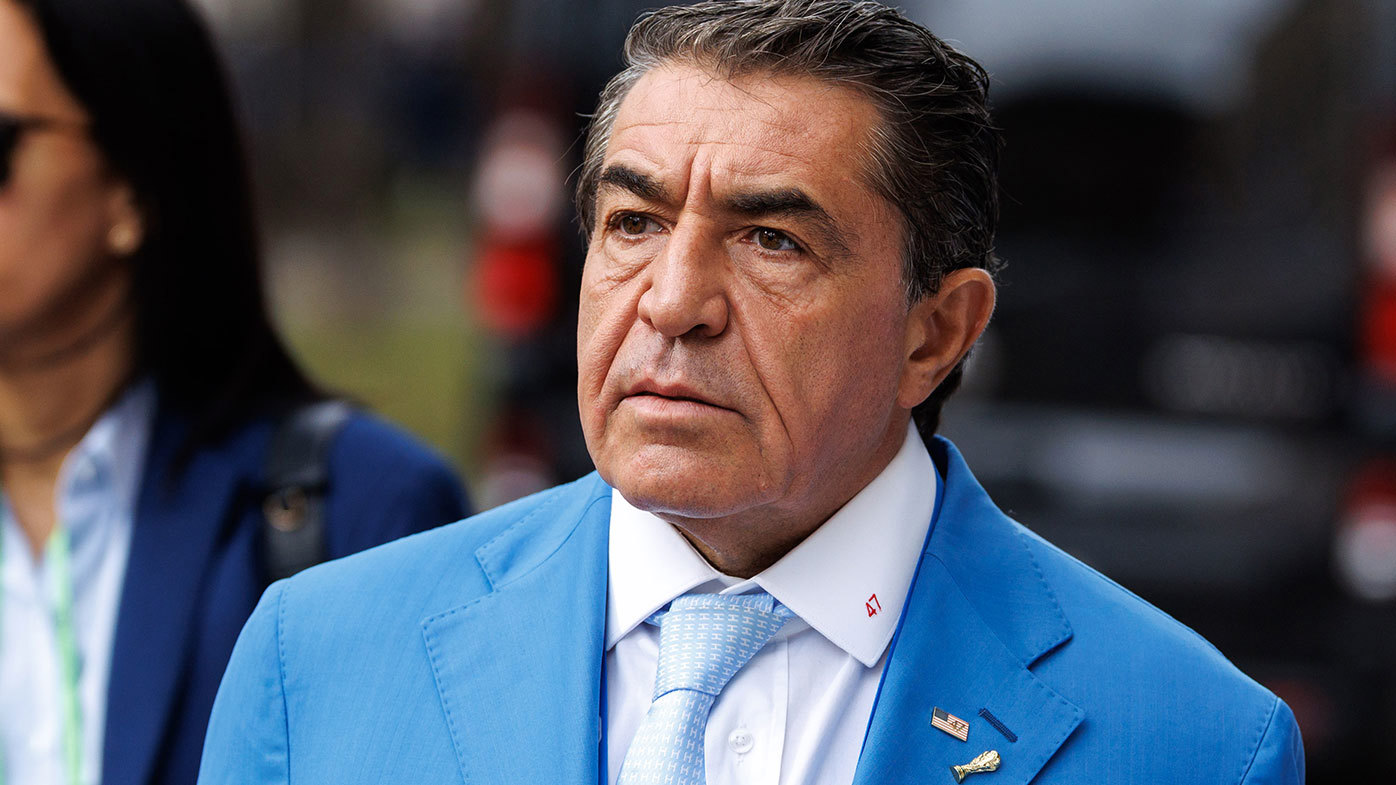 Trump envoy asks president to replace Iran with Italy at World Cup
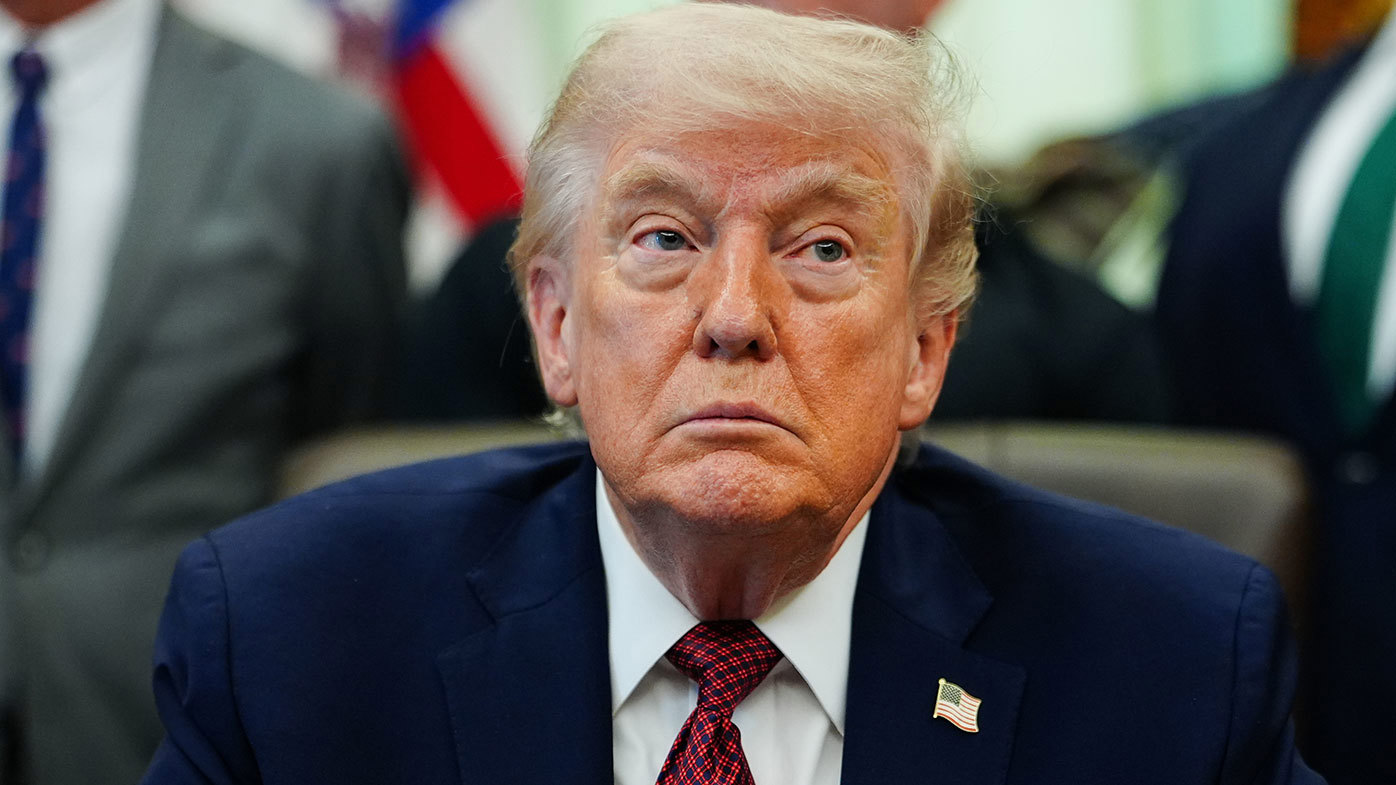 CEO of Trump's media company ousted after losing billions
 These photos of Harry and Meghan could land Aussies in hot water
 Monster illicit tobacco haul uncovered in suitcase
 Donald Trump's bid to secure power for his party just backfired big time