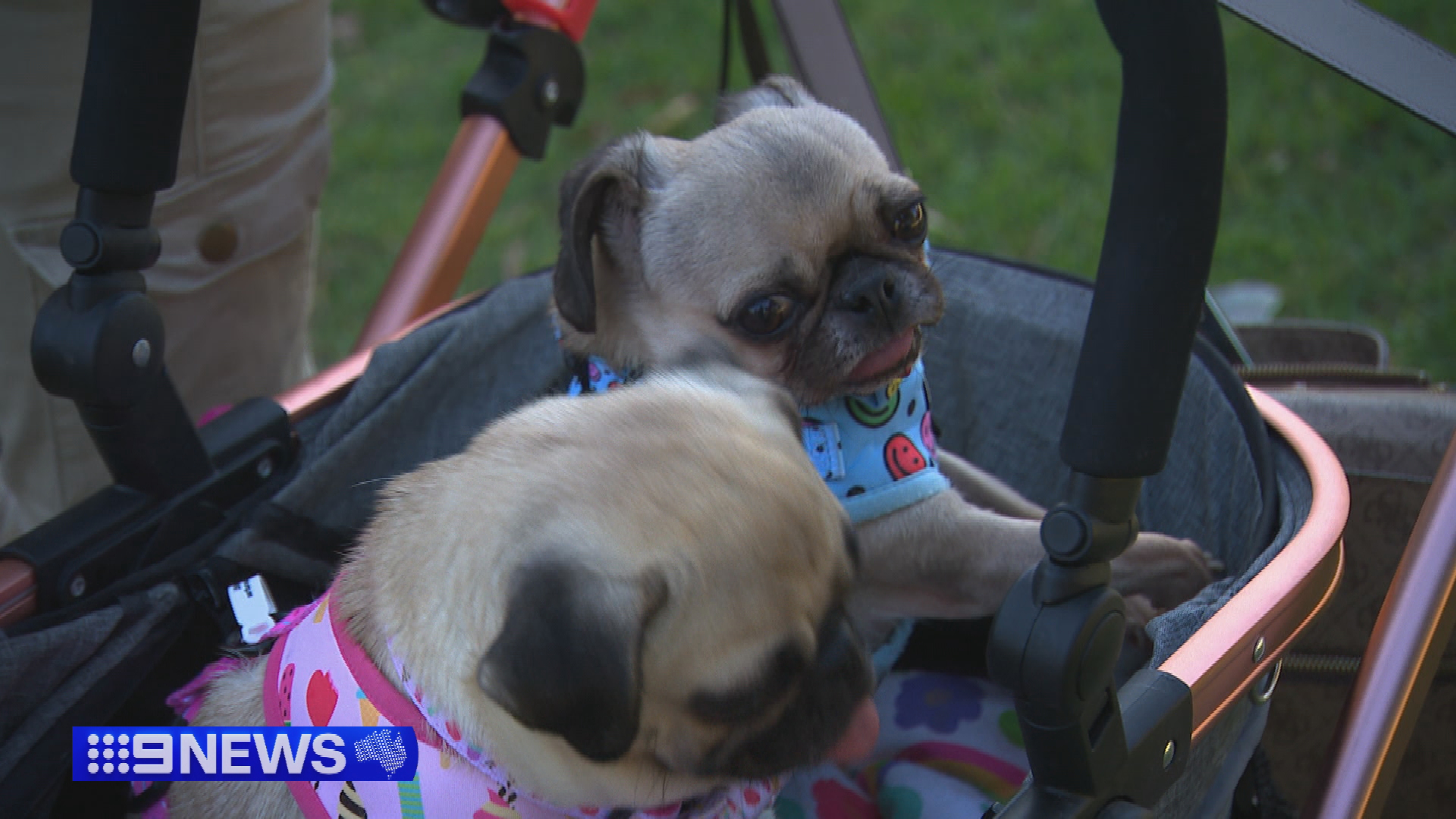
Short-nosed dogs could soon be able to breathe easier thanks to a new injection developed by Australian scientists.
Short-nosed dogs could soon be able to breathe easier thanks to a new injection developed by Australian scientists.
Almost half of all Pugs, French and British Bulldogs suffer from chronic respiratory condition Brachycephalic Obstructive Airway Syndrome (BOAS), which progressively impacts their ability to breathe, eat, exercise and sleep.
In severe cases, the condition can also shorten their life up to four years.
READ MORE: Trump envoy asks president to replace Iran with Italy at World Cup
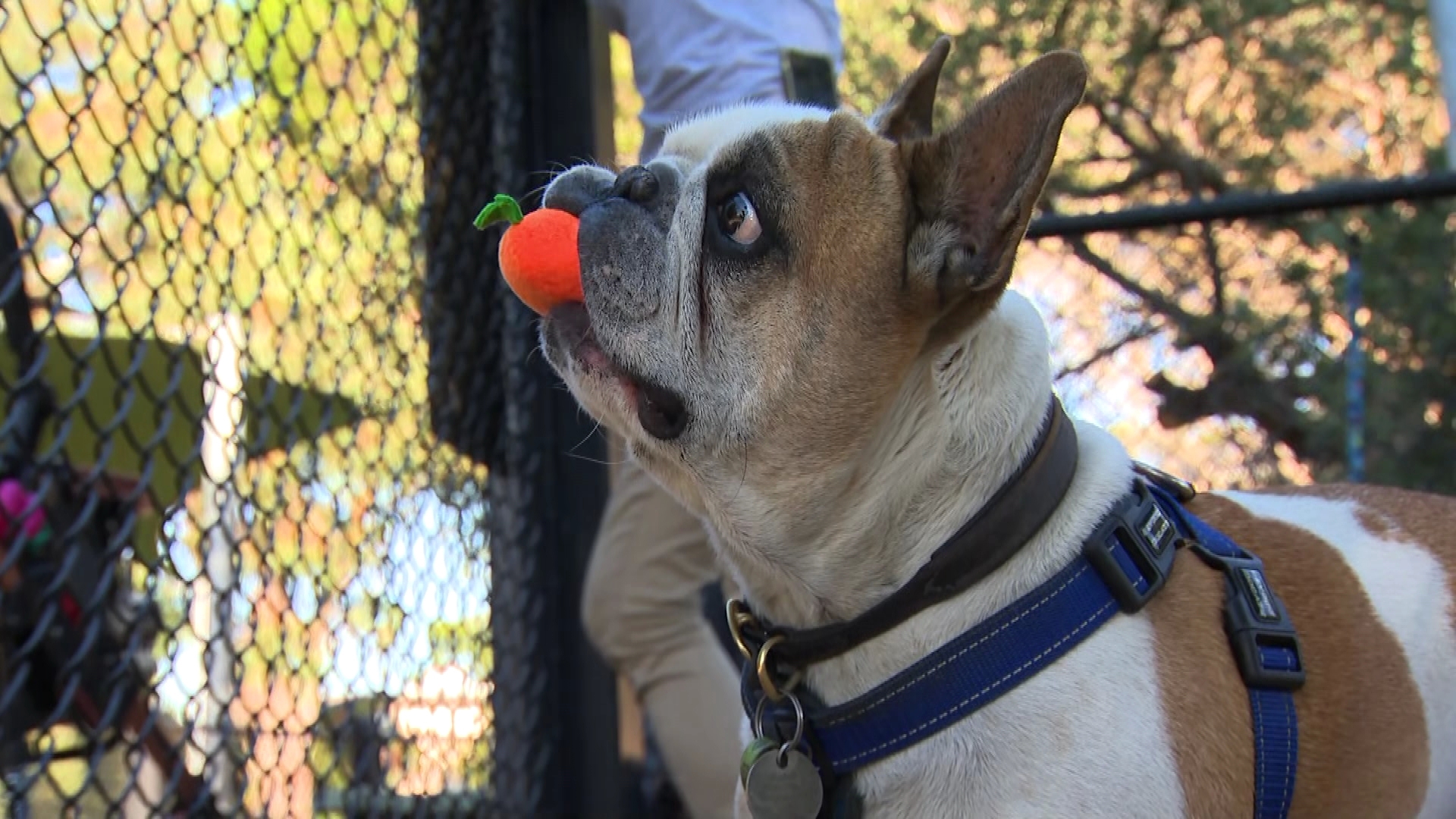
"Decades of selective breeding for the popular flat-faced appearance have unfortunately led to serious breathing problems," he said.
Most affected dogs, like Pugtato, require surgery to widen the nostrils and remove excessive throat tissue to help their breathing.
"He was absolutely struggling to breathe and I actually thought he was going to die," Pugtato's owner Joanna Herceg said.
"He dropped seven or eight kilograms but still he was struggling.
"The surgery improved him a little bit but he still wasn't good."
Out of options, Pugtato was one of six pugs and bulldogs to take part in an early trial of a new oral treatment for dogs who struggled to complete a brisk three-minute walk.
Developed by biotech company Snoretox and RMIT University in Melbourne, the SnoreTox-1 trial is hoping to provide a less-invasive alternative to help with breathing.
The dogs were sedated before an injection of Snoretox-1 was given under their tongue.
READ MORE: Westpac hikes interest rates on fixed home loans
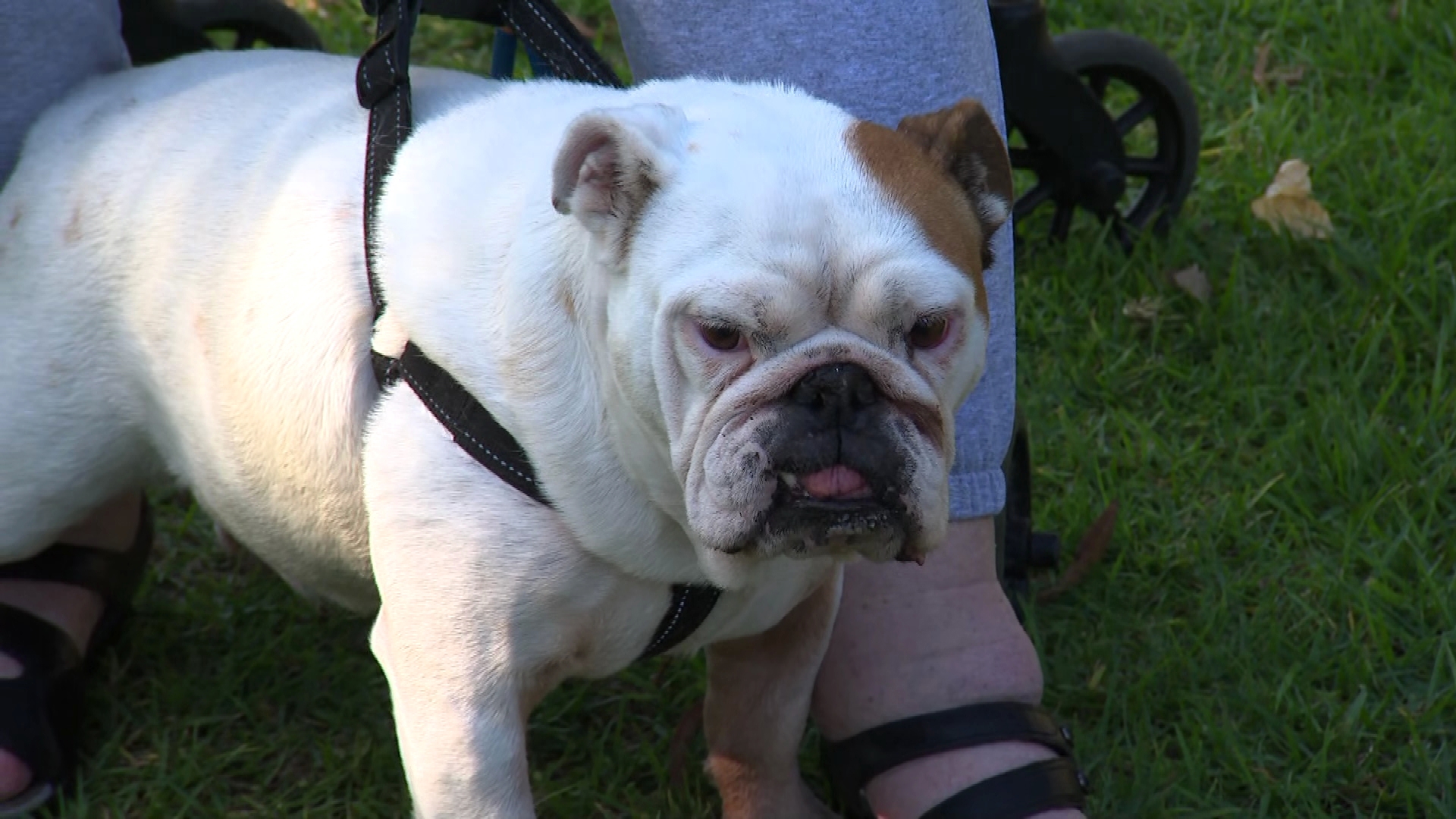
The trial found owners began noticing reduced breathing noise and effort when walking after just 10 days.
For Pugtato, it was even quicker.
"We did the Snoretox injection and literally within a few days I started to notice his breathing improving," Herceg said.
"He went from a dog who struggled everyday and was really loud...to a dog that's active, happy, plays and his breathing's drastically improved"
The SnoreTox-1 technology is described as "the opposite of Botox" and works by strengthening airway muscles to help support the throat to maintain airflow.
"What it does is the opposite of Botox. It makes the muscles at the floor of the mouth a little stronger, " Snoretox Managing Director and RMIT Adjunct Professor Tony Sasse said.
It has been in development for 15 years.
For some of the dogs the treatment lasted more than six months.
Now researchers are hoping to ramp up trials in the middle of the year, with the aim of eventually getting the treatment approved for wider use.
"Further research and regulatory approvals are required before the treatment can be offered more widely, but these positive results provide an early indication that we are on the right path," Sasse said.
NEVER MISS A STORY: Get your breaking news and exclusive stories first by following us across all platforms.
- Download the 9NEWS App here via Apple and Google Play
- Make 9News your preferred source on Google by ticking this box here
- Sign up to our breaking newsletter here
 Trump orders US military to 'shoot and kill' Iranian small boats
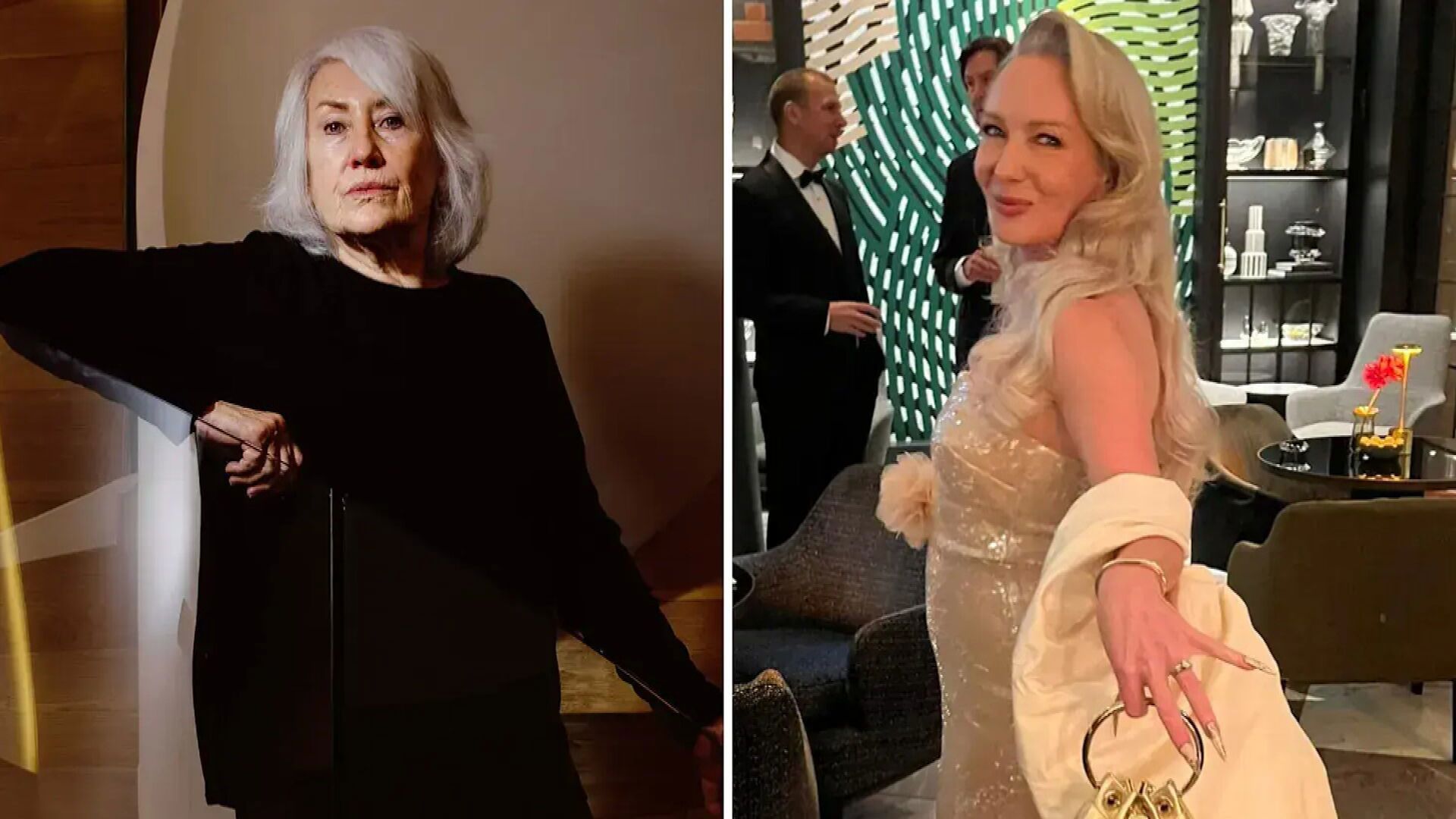 Fraud charges for billionaire philanthropist's former private secretary
 Trump said 'buy oil from the US'. Australia had little choice
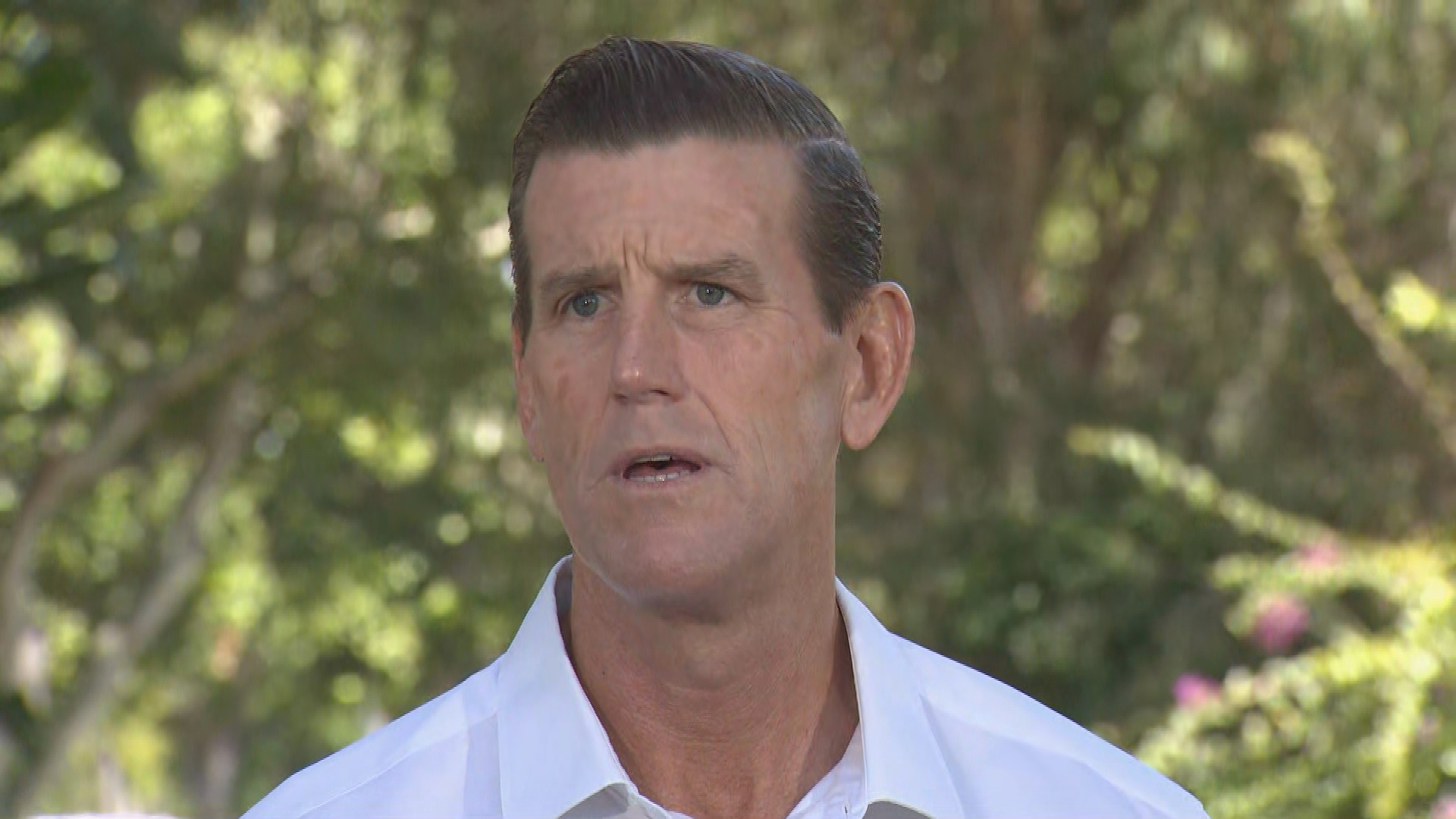 Court documents reveal Ben Roberts-Smith was eyeing business overseas
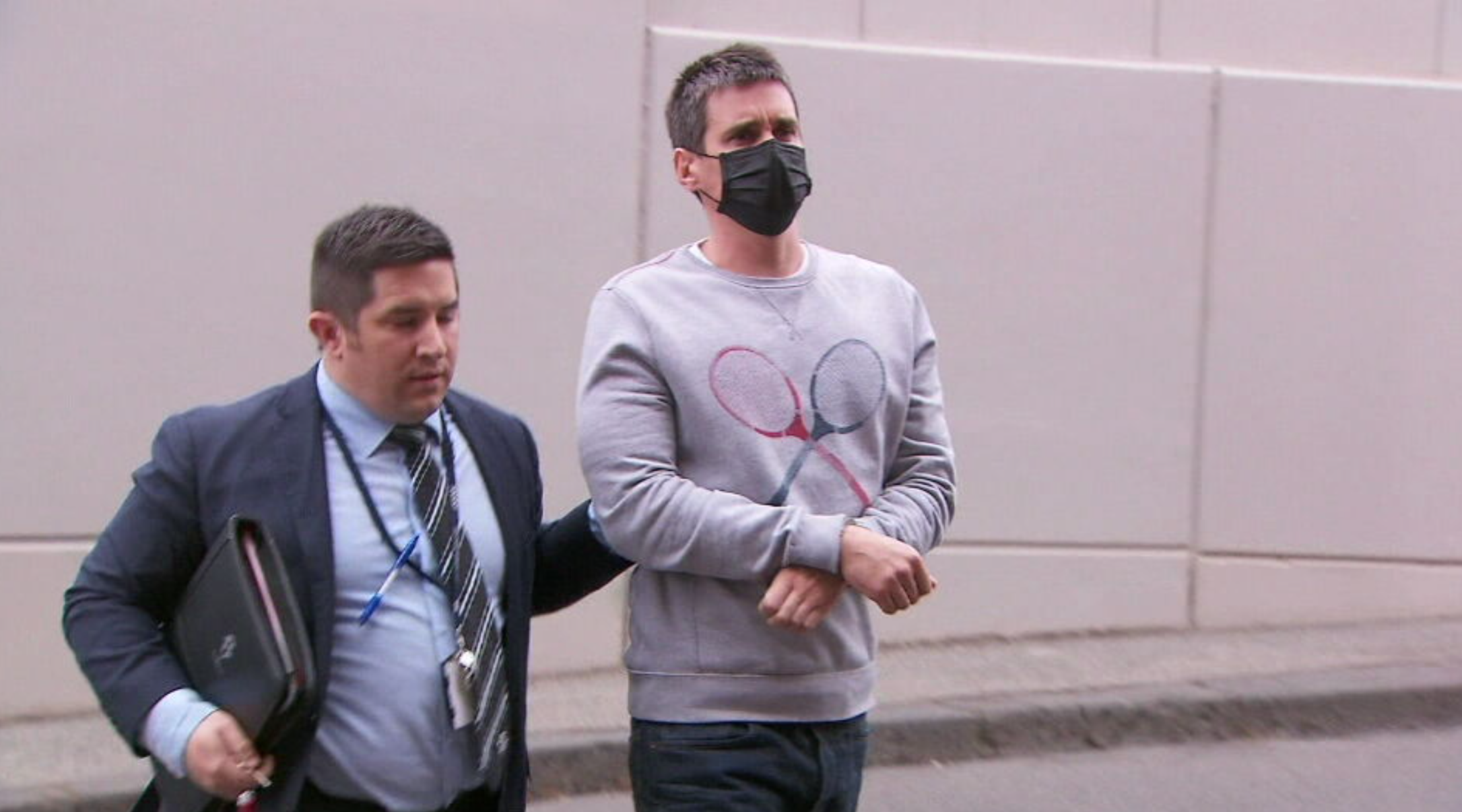 Richard Pusey sues Victoria Police over deadly Eastern Freeway crash
 'Very difficult': Actor's teary court claim about Rebel
 Tributes flow for 'larger than life' teen killed in tragic e-bike crash
 Thousands of Aussies about to have $5000 cut from their yearly budget
 How one order uncovered a massive 'ghost cake' delivery scandal in China
 Trump envoy asks president to replace Iran with Italy at World Cup
 CEO of Trump's media company ousted after losing billions
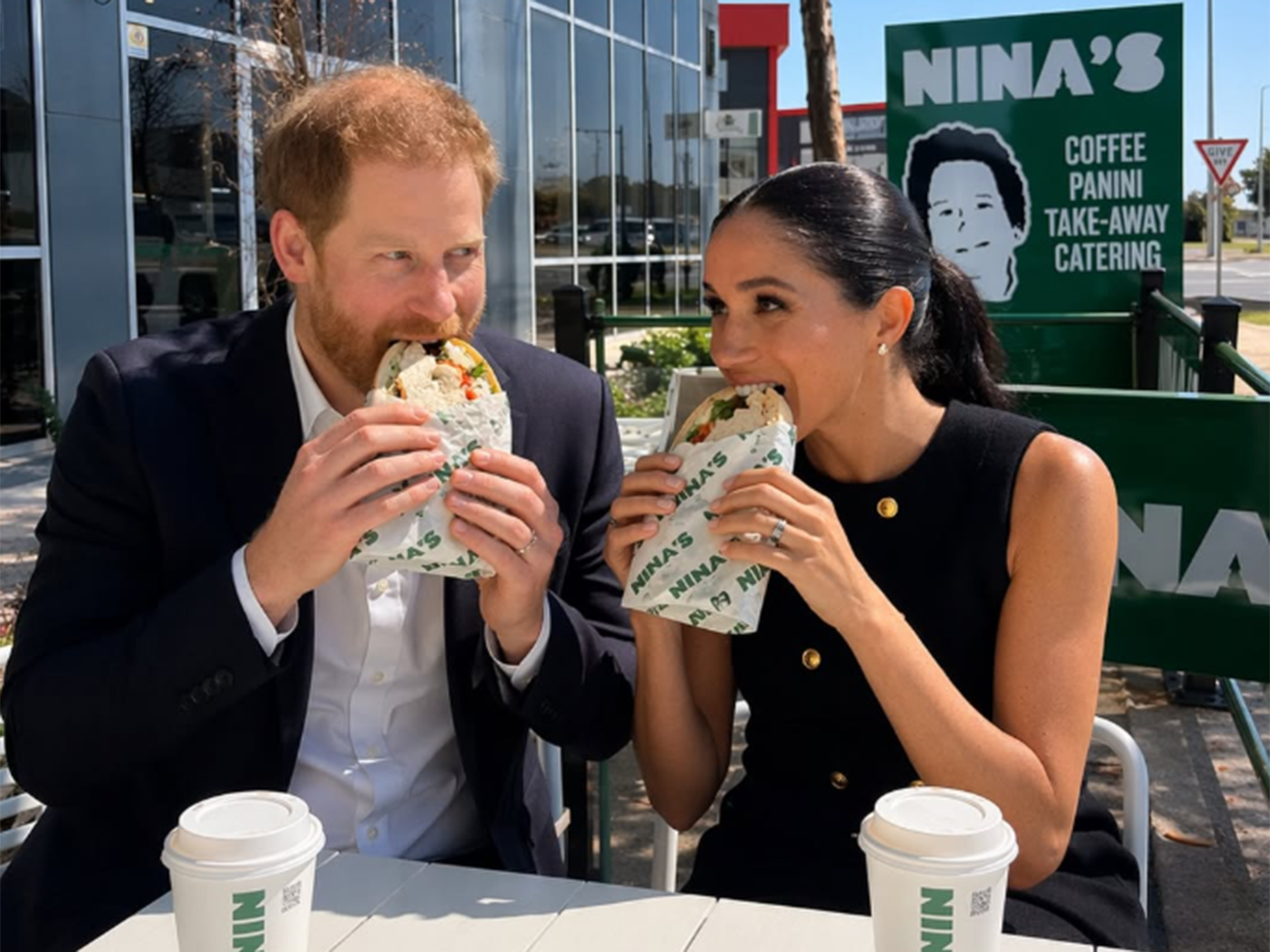 These photos of Harry and Meghan could land Aussies in hot water
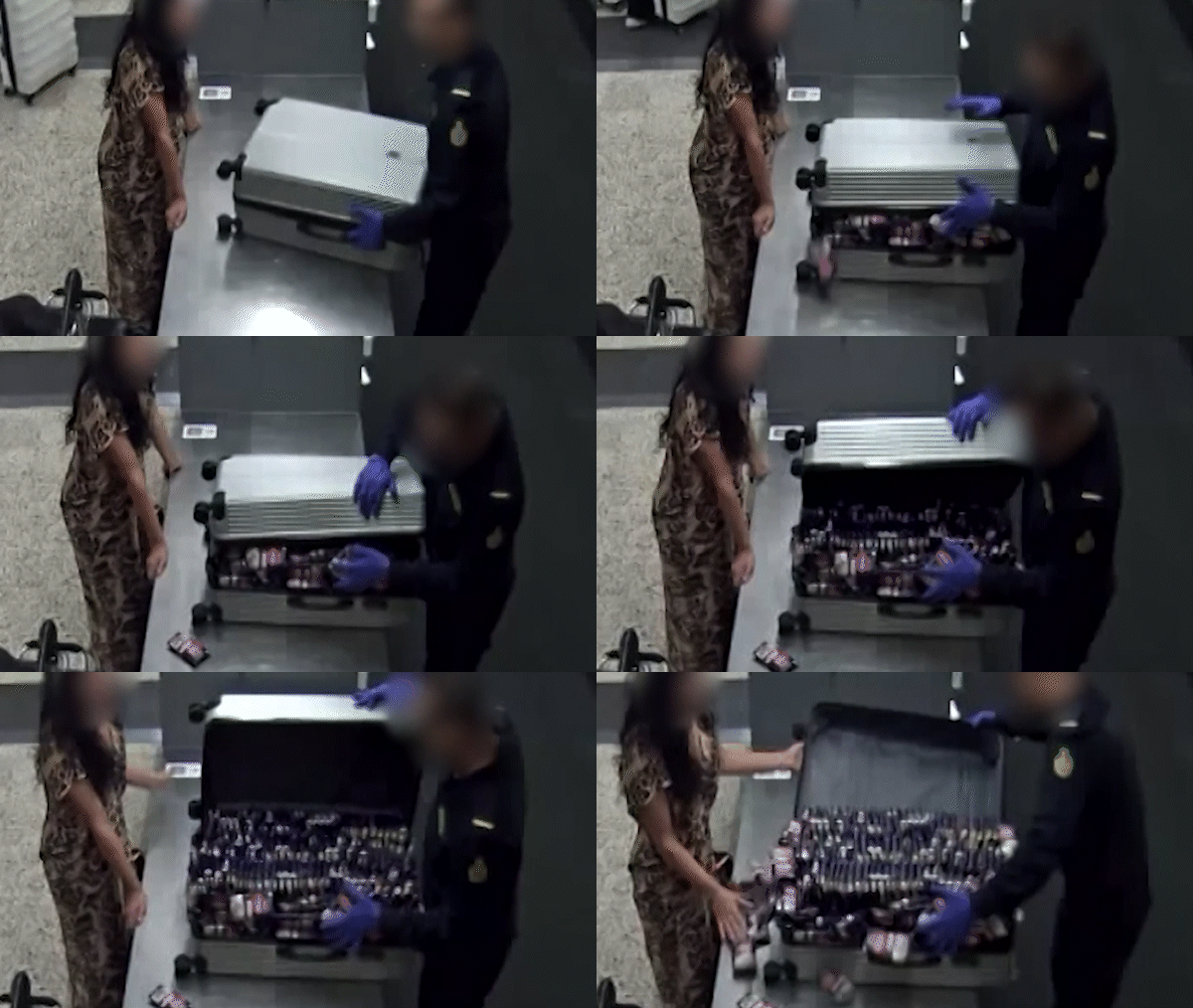 Monster illicit tobacco haul uncovered in suitcase
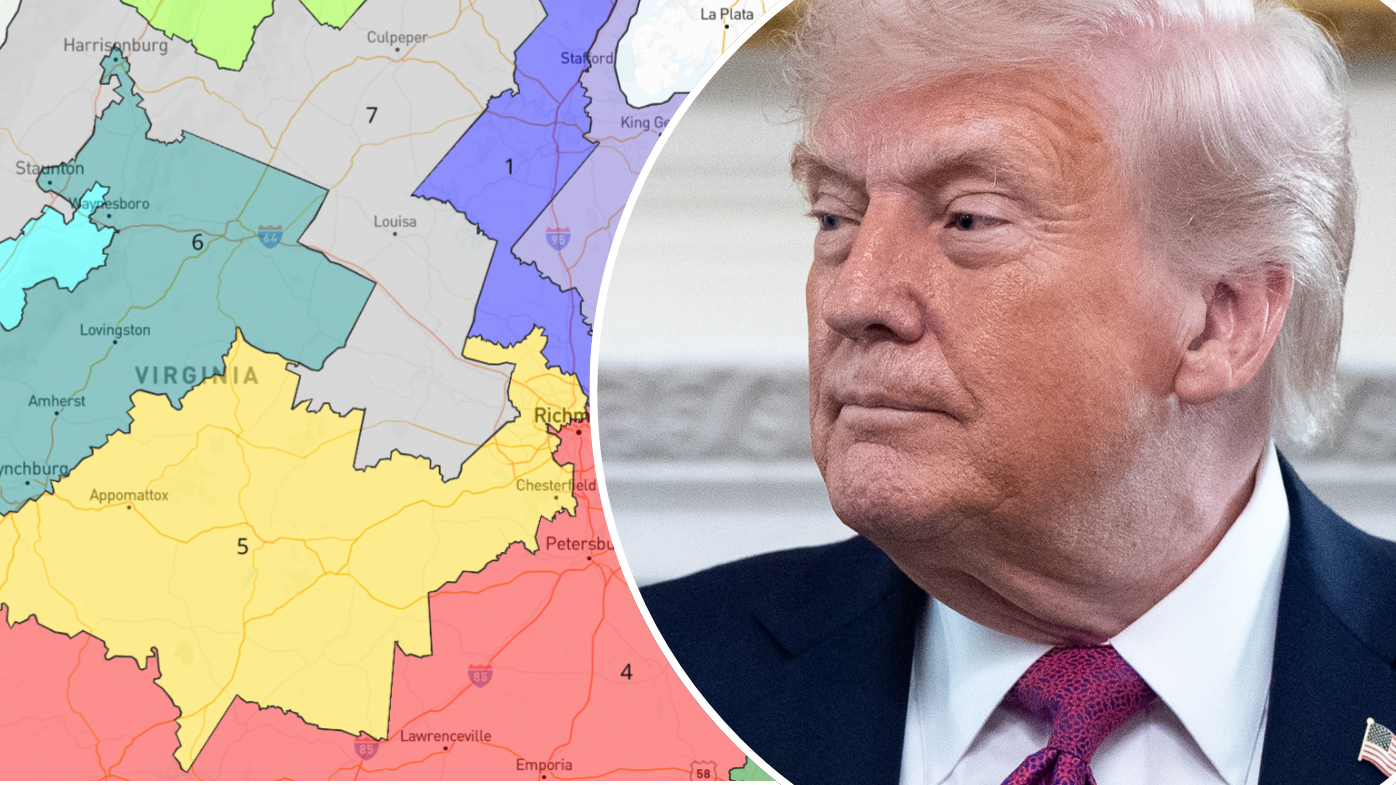 Donald Trump's bid to secure power for his party just backfired big time