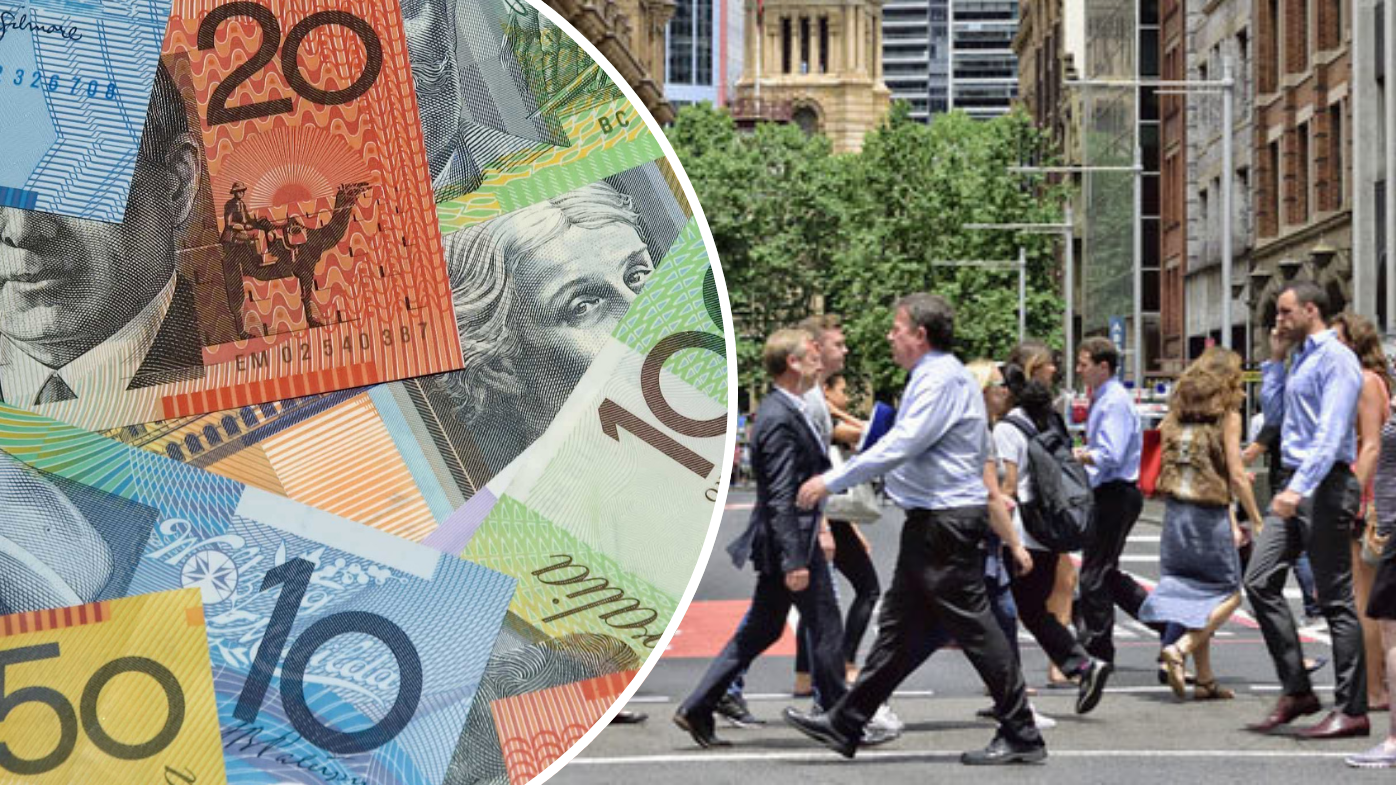
A staggering new analysis has found workers are being docked $6 billion every year. Now, it's hoped that a new rule will help change that.
Australian workers are being urged to check their superannuation payments, as a new analysis reveals one in four are being underpaid - often by thousands of dollars a year.
Between 2018 and 2023, Australian workers were underpaid superannuation by a staggering $24.4 billion collectively, the analysis by the Super Members Council (SMC) found.
New South Wales had the highest total underpayments, totalling $8.1 billion, followed by Victoria with $6.1 billion over the five-year period.
LIVE UPDATES: USA and Iran don't have control over Strait of Hormuz, says expert
However, the highest figure for underpayment per individual was in the Northern Territory with an average amount of $2140 per year, closely followed by the Australian Capital Territory at $2120 a year.
The figures were calculated by the SMC based on an analysis of the Australian Tax Office (ATO)'s 2 per cent sample file in 2018-19 and 2022-23.
According to their modelling, a worker underpaid by $1730 in super for just one year could enter retirement $30,000 worse off due to the loss of compounding investment returns.
From July 1, payday superannuation laws will come into effect, requiring employers to pay super at the same time as wages, instead of quarterly.
Experts believe this change will help reduce the amount of unpaid superannuation, which currently costs Australian workers $6 billion a year.
It's also hoped the change will increase transparency for workers, making it easier for them to spot and fix underpayments.
"Unpaid super is a silent pay cut that's cost Australian workers $24.4 billion in just the last five years alone," SMC CEO Misha Schubert said.
"This is money Australians have earned but never been paid – and it's leaving millions significantly poorer at retirement.
"Unpaid super hits hardest where it hurts most – for women, younger workers and people on low incomes."
NEVER MISS A STORY: Get your breaking news and exclusive stories first by following us across all platforms.
Download the 9NEWS App here via Apple and Google Play
Make 9News your preferred source on Google by ticking this box here
Sign up to our breaking newsletter here
 Three dead, search under way after northern NSW boating tragedy
 US claims major breakthrough on key oil route after Trump's orders
 Regional community in mourning after newborn found dead at campsite
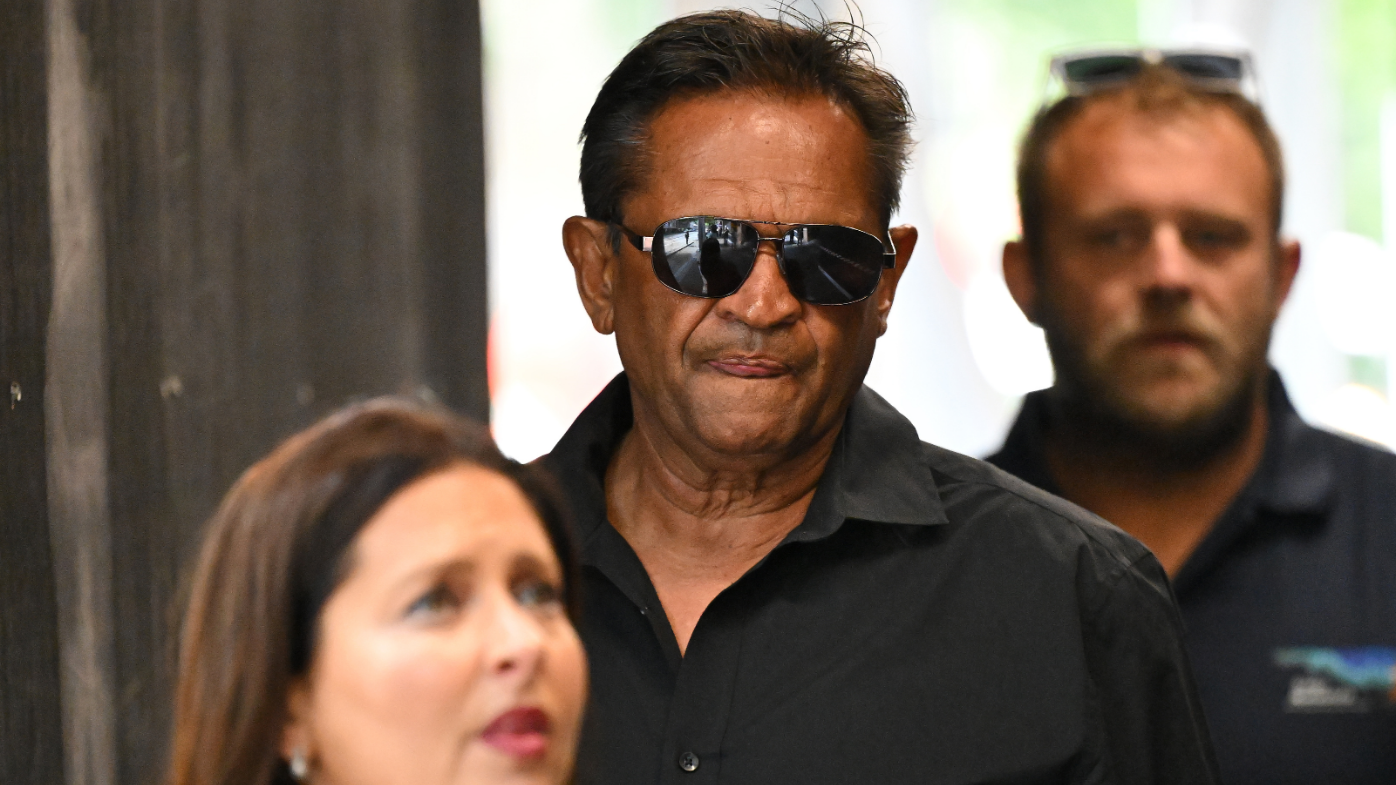 AFL icon accused of 'petrifying' assault on woman
 Dozens of charges laid over Alice Springs riot after five-year-old's death
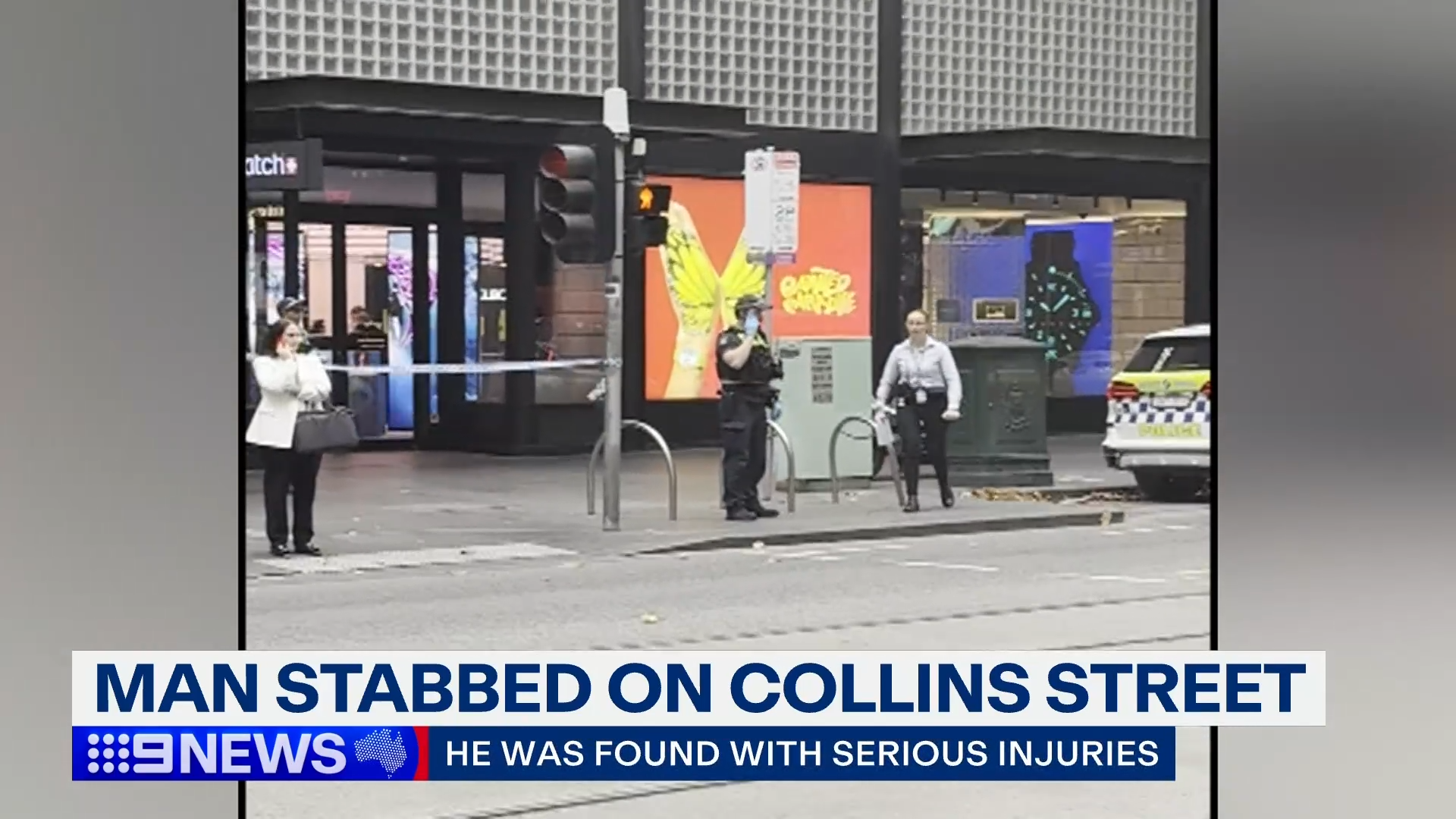 Man in 'serious condition' after being stabbed in the street in Melbourne
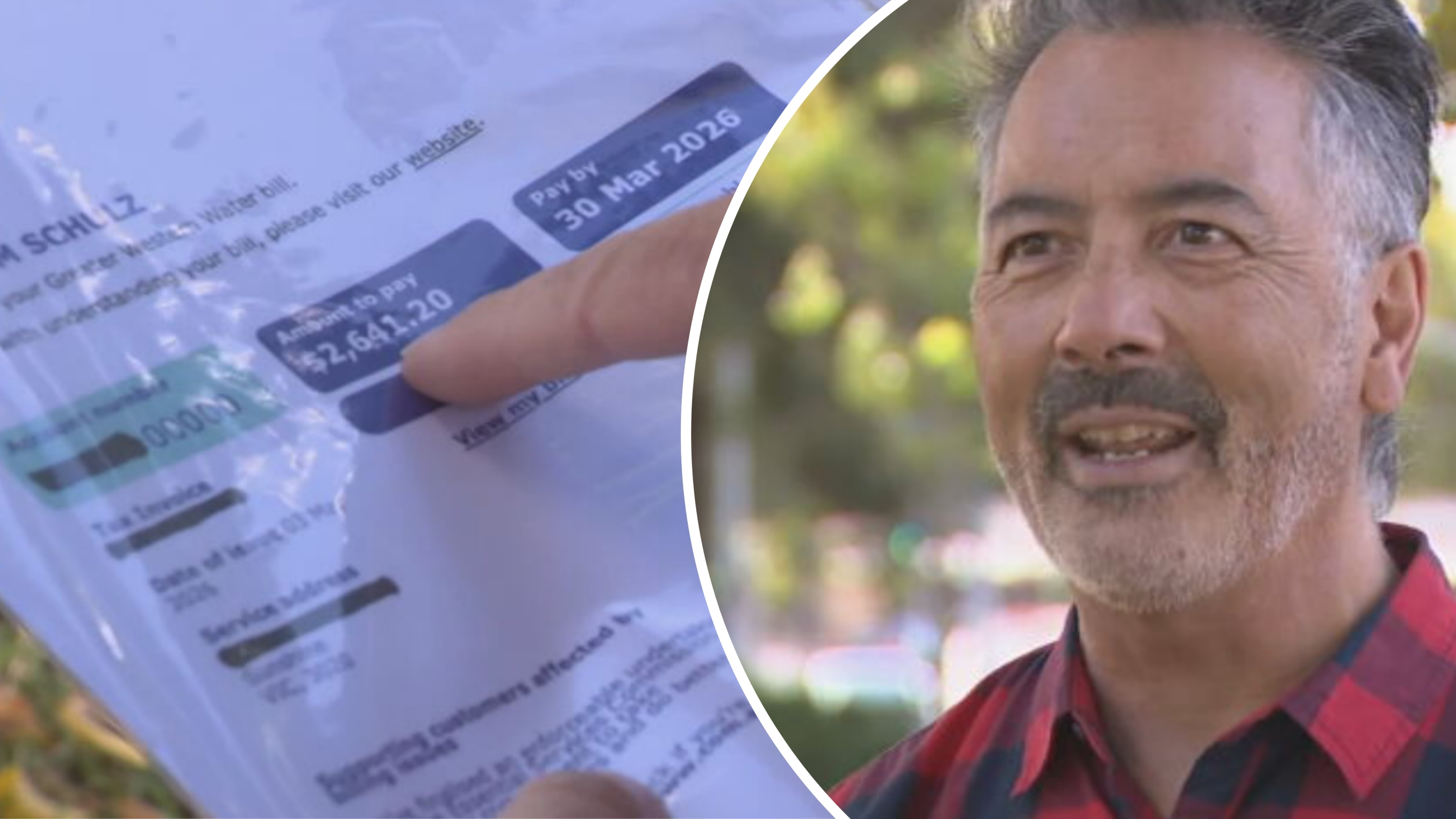 Matthew was slugged $2640 in 'confusing' water bill bungle
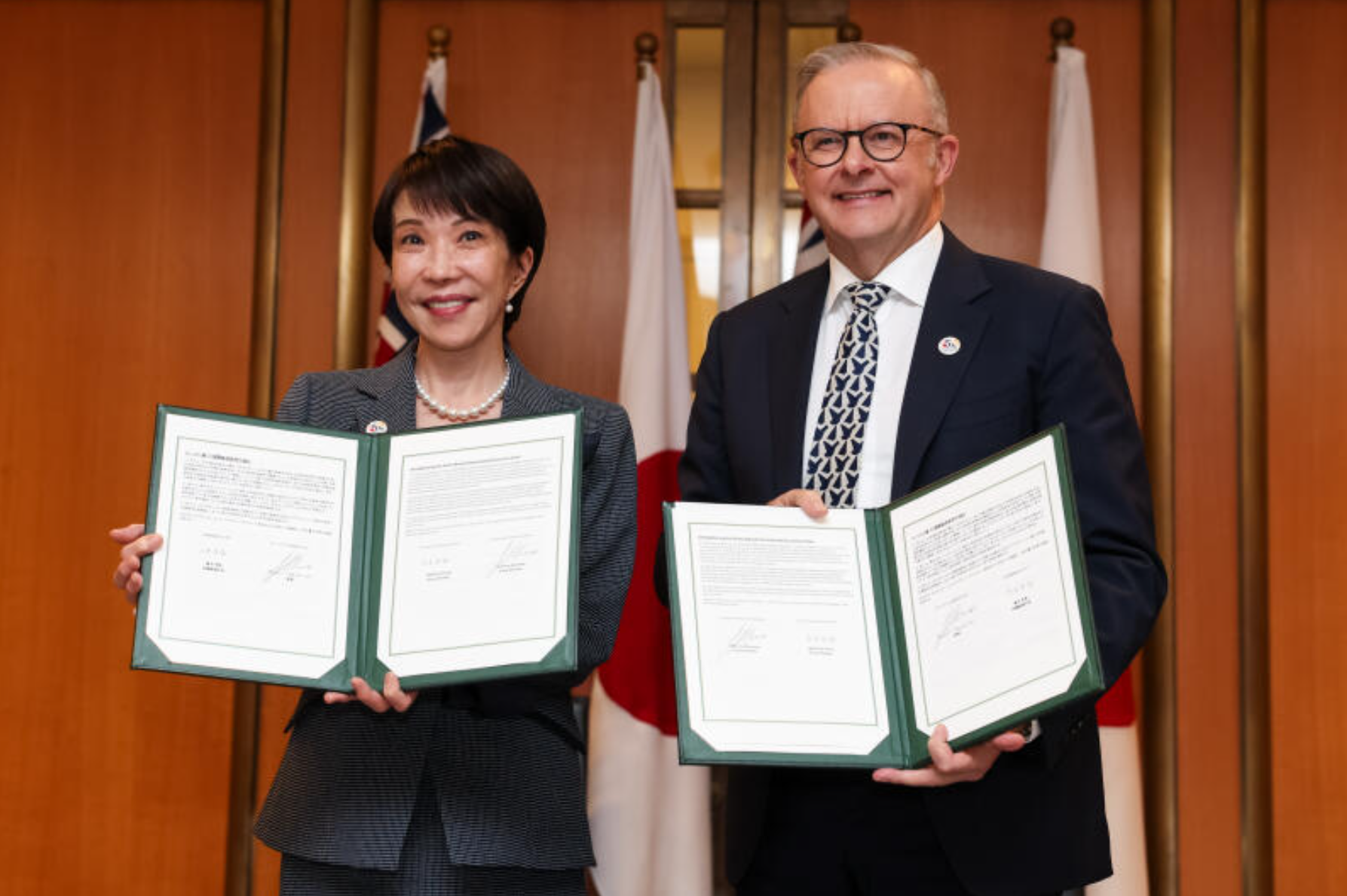 Australia signs new deal with ally to counteract global shocks
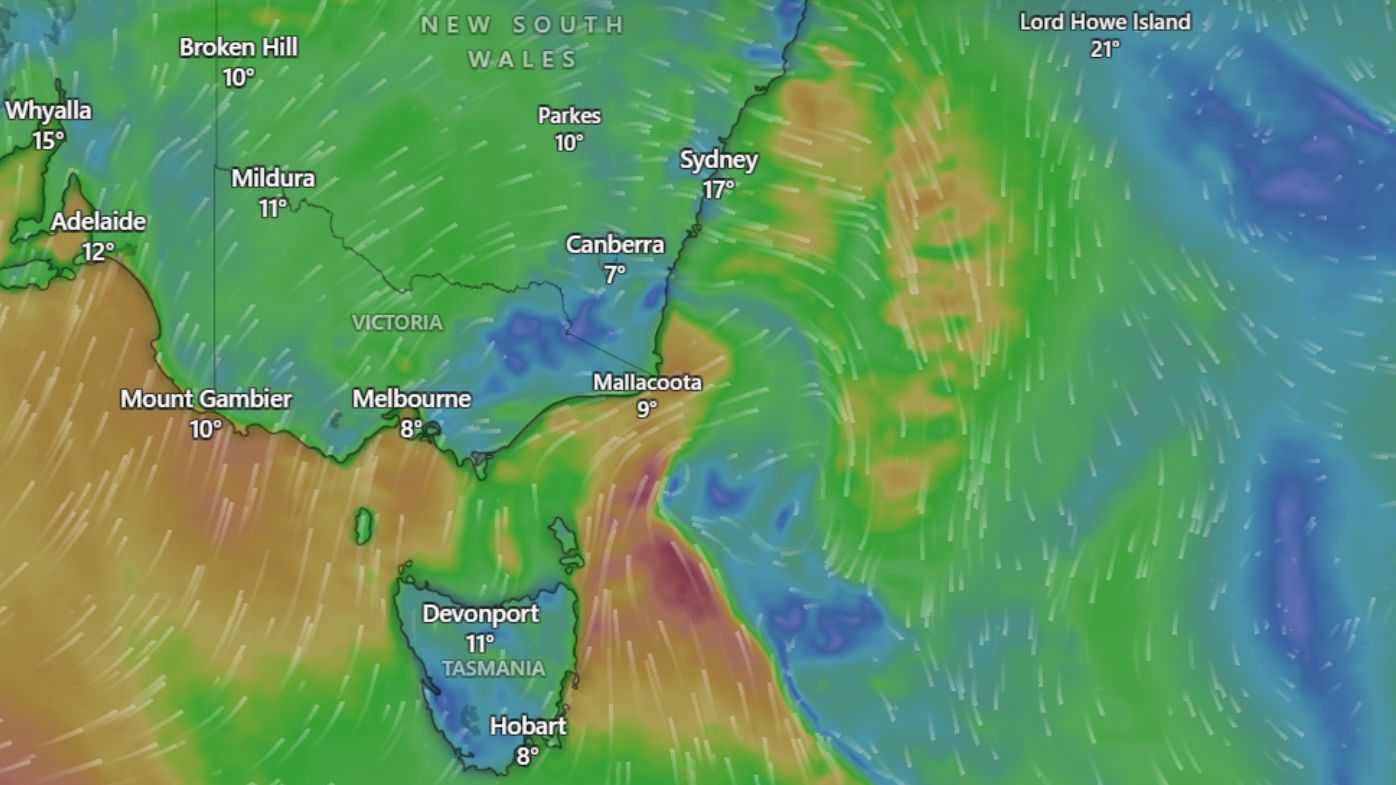 Millions in path of wintry blast this week
 Alarming footage shows 'couch riders' driving down dark Canberra street
 Thousands of Aussies could lose popular $22 billion tax break in just 10 days
 Trump teases 'very interesting' UFO files in new document dump
 Drone spots grandma struggling in war zone. A remarkable rescue follows
 Shark-spotting drones launched in tribute to surfer
 Riot footage shows chaos in Alice Springs shop as five arrested