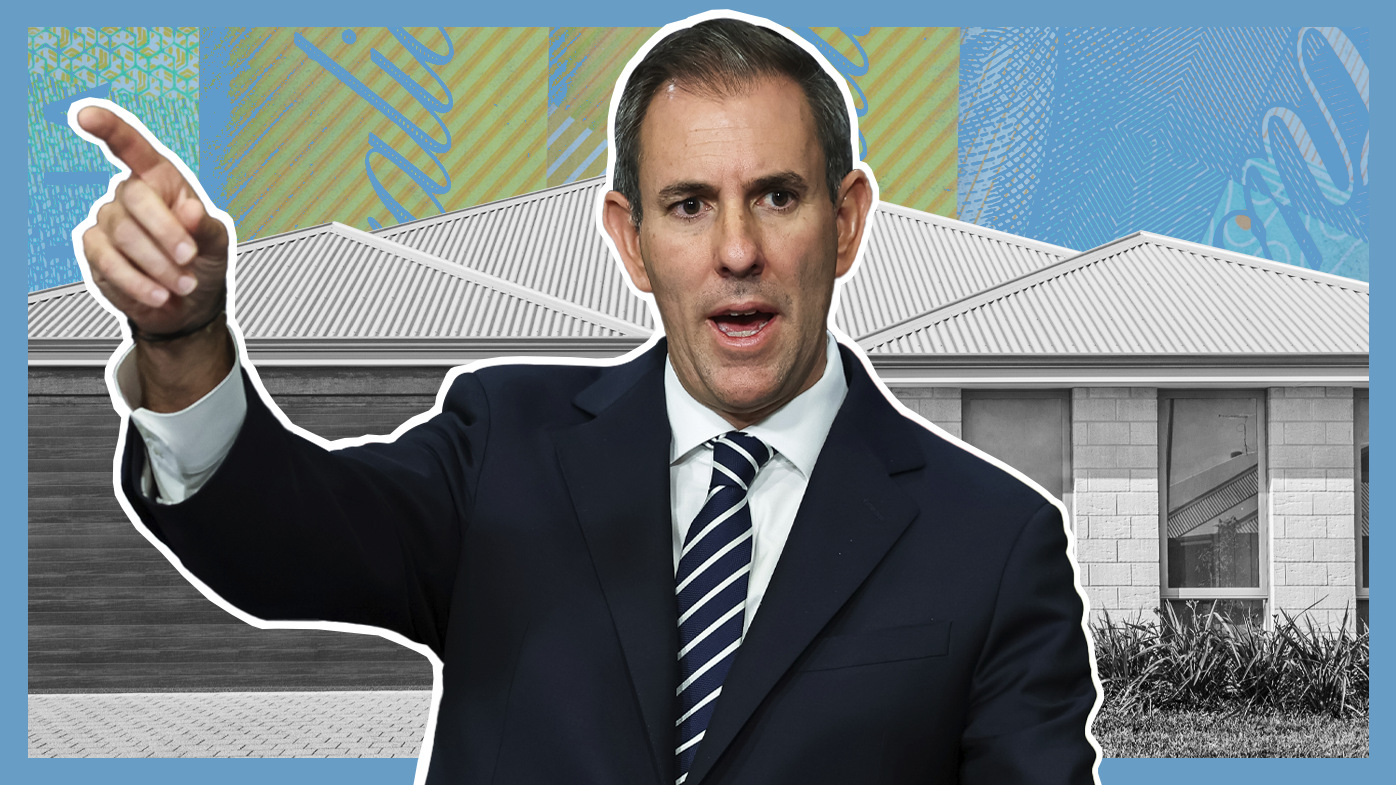
The budget could be one of the most significant in decades as the government pledges major changes in the face of rising global conflict and inflation.
Australians may be $300 richer under a measure speculated to be included in the upcoming federal budget.
Treasurer Jim Chalmers has pledged to deliver an "ambitious" set of reforms on May 12 in the face of global conflict and rising inflation, while also saying the economy is being held "hostage" by the war in Iran.
The budget will contain three central packages — tax reform, spending savings, and productivity and investment — that are set to address the intergenerational inequity issues younger people are facing.
Here is what you can expect when Chalmers delivers one of the most significant budgets in decades later this month.
READ MORE: Reserve Bank on verge of 'historic mistake' experts say
$300 more back at tax time
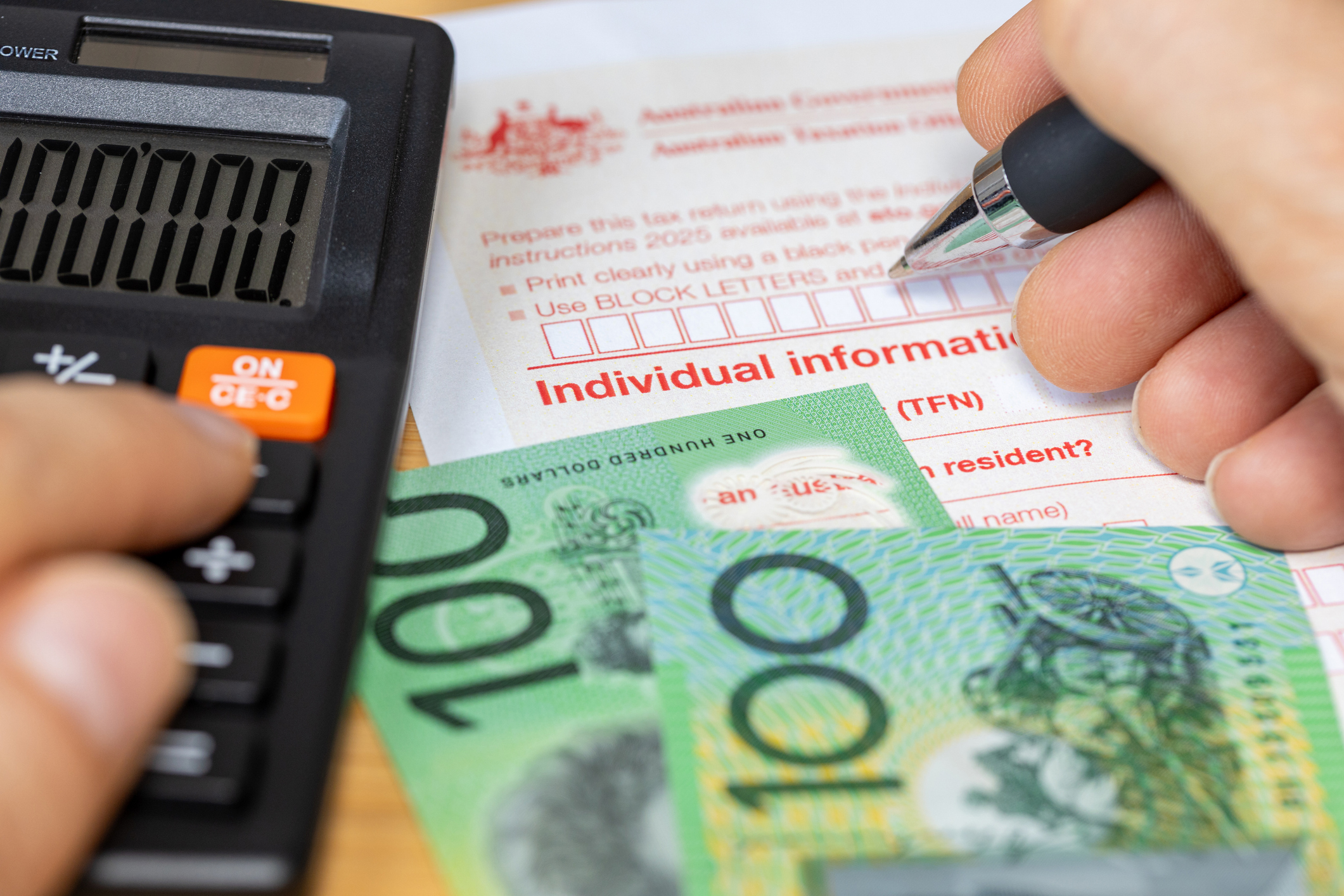
The Australian has reported the federal government will offer taxpayers an earned income offset, which could see people paying between $200 and $300 less at tax time this year.
The report framed the offset as a one-off cost-of-living relief measure, rather than an ongoing offer.
Prime Minister Anthony Albanese has refused to confirm whether the offset will be included in the budget.
"It's a whole lot of speculation out there in budgets and that's what happens. Some of it right, some of it's wrong," he told reporters this morning.
READ MORE: Putin's fears of coup ramp up amid Russia's backslide in Ukraine
EV tax breaks wound back
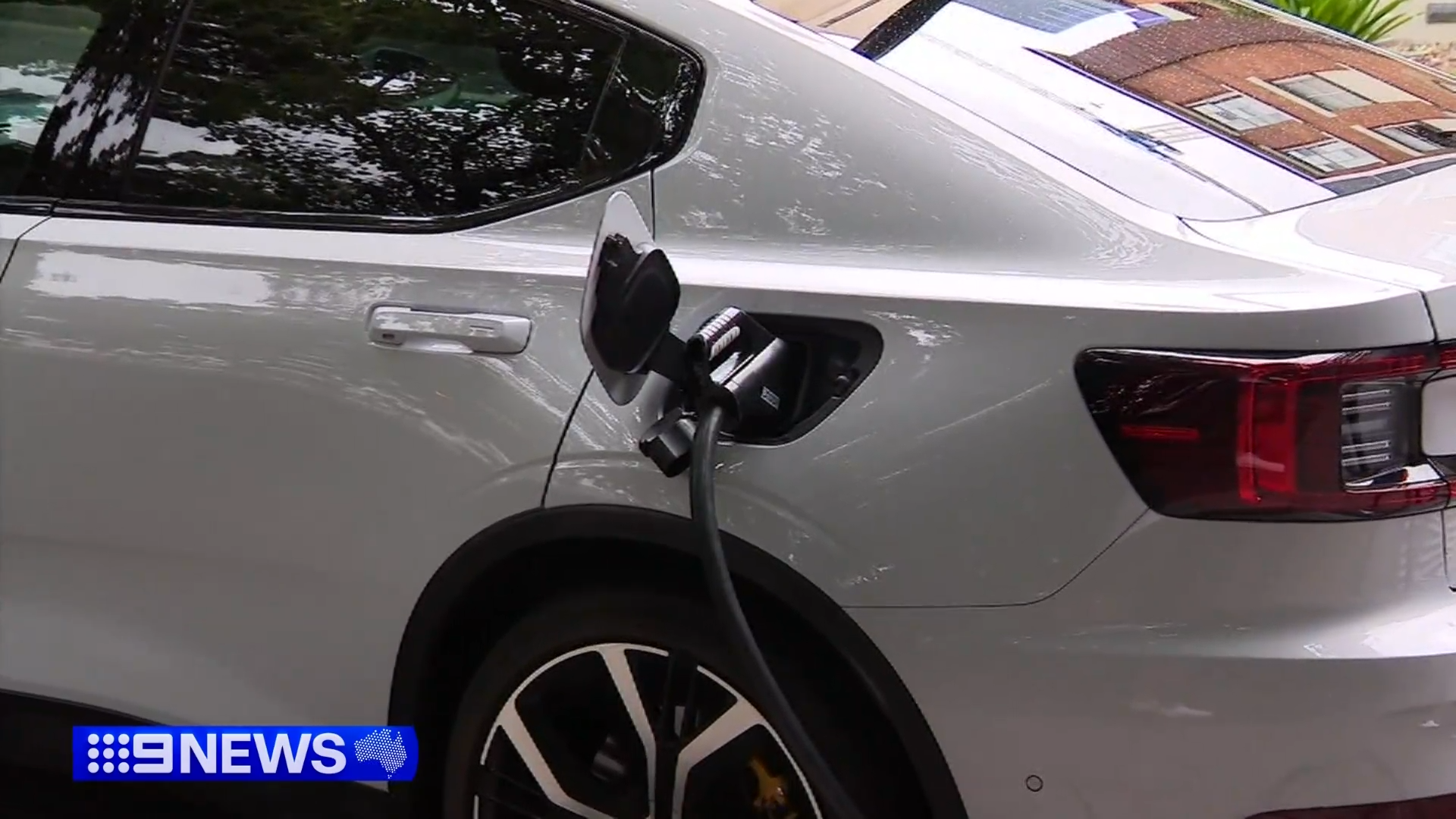
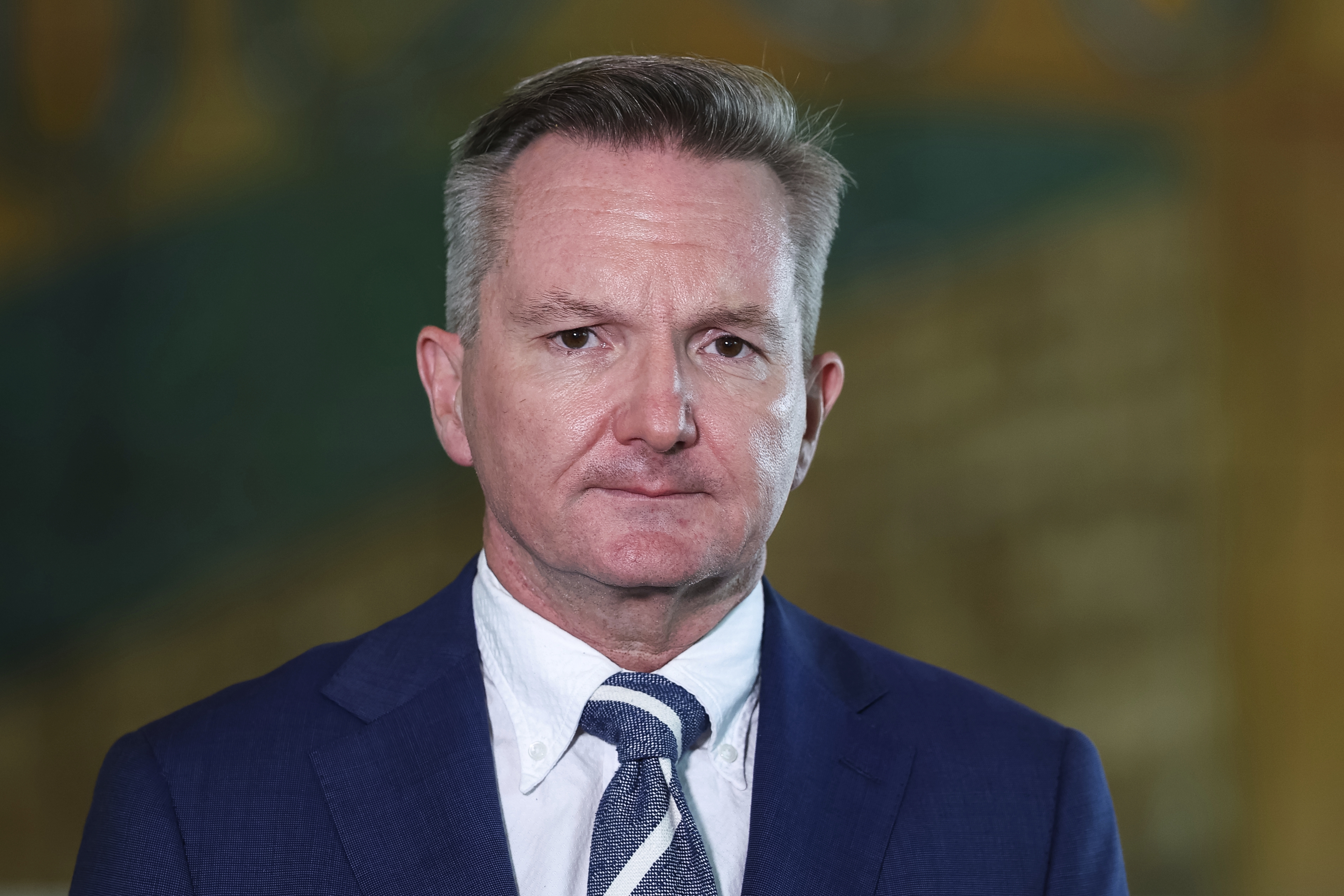
Chalmers and Energy Minister Chris Bowen today announced they will wind back the electric vehicle fringe benefits tax (FBT) discount from April 2027 in a move estimated to create $1.7 billion in savings over five years.
"The current New Vehicle Efficiency Standards has seen a dramatic increase in the availability of affordable EV models, and now is the right time to focus the FBT exemption on these cars," they said in a joint statement.
"The new rules will encourage manufacturers to offer more affordable and cheaper to run EVs in the Australian market."
From April 2027, the full discount will only apply to electric vehicles costing $75,000 or less.
READ MORE: Reserve Bank on verge of 'historic mistake' experts say
Electric vehicles costing more than $75,000 but less than the luxury car tax threshold will receive a 25 per cent discount on their tax.
From April 2029, all electric vehicles below the luxury car threshold will receive the 25 per cent discount.
The changes come after the popular policy caused a surge in electric vehicles on Australian roads and cost the budget $1.4 billion in 2025-26, up from the initial $90 million forecast.
READ MORE: US claims major breakthrough on key oil route after Trump's orders
Big savings
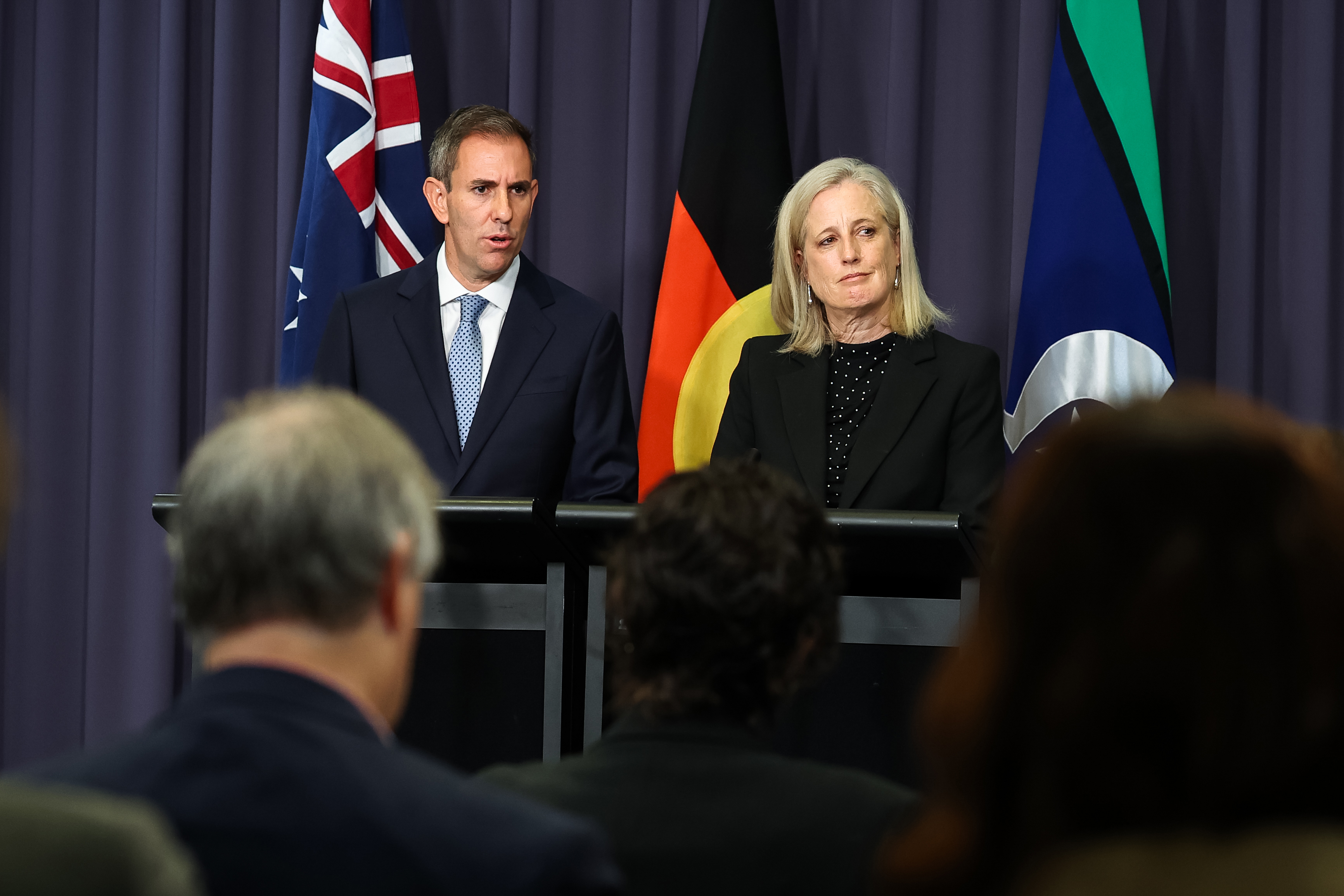
In a press conference with Finance Minister Katy Gallagher, Chalmers said the budget would be more concentrated on responsible spending and savings than the anticipated tax reforms.
"What you will see in the budget is, in gross terms, there will be more dollars in savings than dollars in revenue upgrades. There will also be more dollars in savings than dollars in tax reform," he said yesterday.
"The point that I'm making there is that savings and spending restraint is doing a lot of the heavy lifting in the very responsible budget that Katy and I will hand down."
Gallagher said the budget will include savings from every government department, with savings already identified in defence, NDIS and external labour.
"This is essentially extending the existing savings measure we have put in place in previous budgets, and it will also have significant savings from unallocated funding across a number of departments," she said.
The Australian Financial Review reported the public service is facing sweeping job cuts, with thousands of positions to be lost under the budget's spending cuts.
READ MORE: You're not imagining it, the price of your groceries is soaring
Changes to property tax benefits
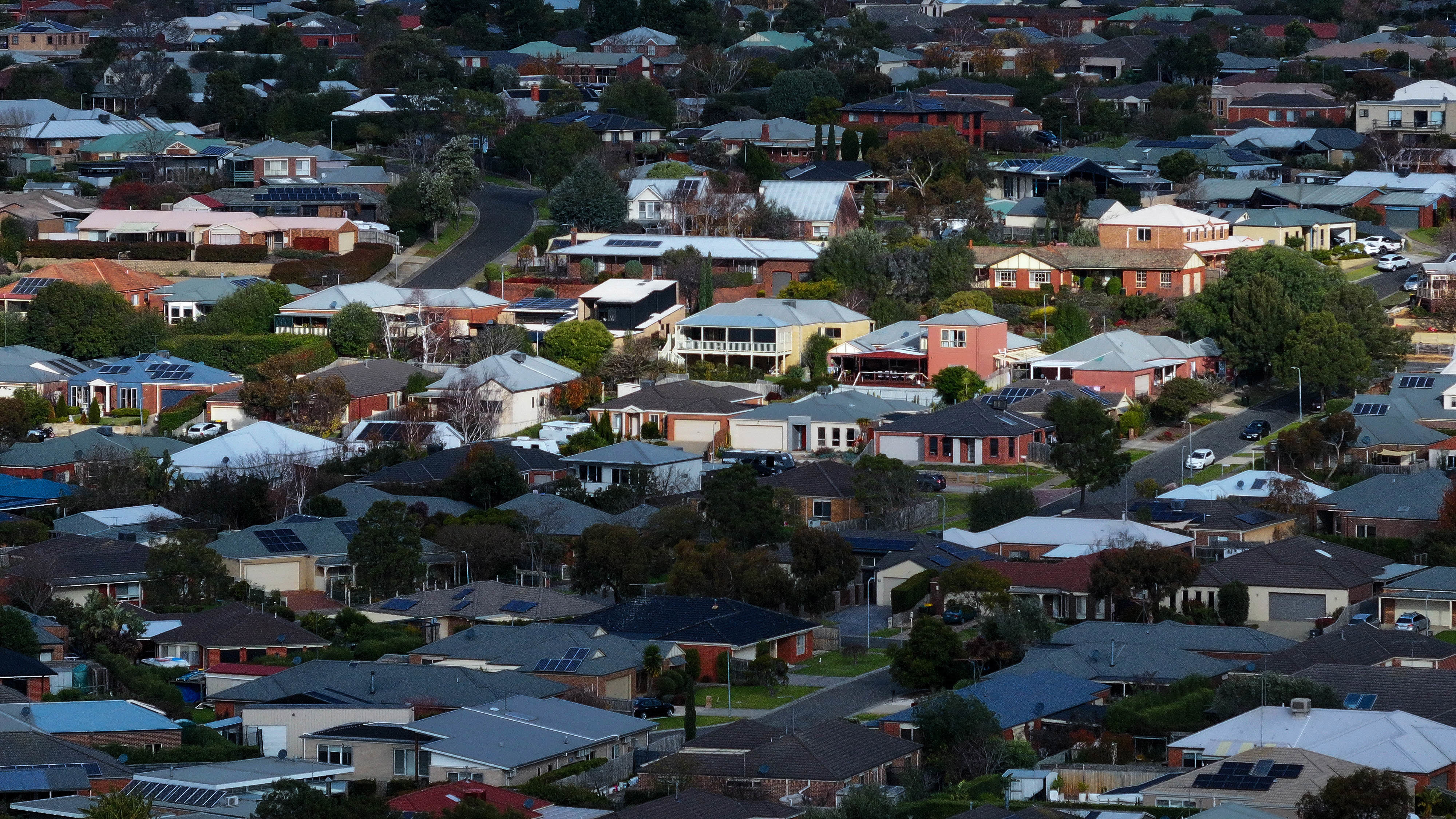
The government has been dancing around exactly what tax reform it will hand down, but two of the measures that are at least on the table are changes to the $22 billion-a-year capital gains tax (CGT) discount and negative gearing.
Critics have blamed the combination of the policies for contributing to the housing crisis, with a Greens-led Senate inquiry earlier this year finding the CGT discount is flawed and benefits investors over first-home buyers.
An Oxfam report earlier this year found nearly half the beneficiaries of the CGT discount were 24,000 of Australia's richest people.
The specific reforms, including whether grandfathering provisions will be included for investors who are using the discount and negative gearing, are still a bit of a mystery.
READ MORE: 'Expectation gap': The Aussie workers most likely to gain a pay rise
The government hasn't confirmed the changes, but has repeatedly failed to rule them out when given the chance, with Chalmers and Prime Minister Anthony Albanese instead saying the budget will tackle intergenerational unfairness in the tax system and housing market.
"What we are determined to see is a fairer economy that works for more people, including for younger people," Chalmers said this week.
If reformed, it would be the first time the CGT discount is rolled back since the Howard government raised it to 50 per cent in 1999 and the first time negative gearing is changed since it was temporarily limited by the Hawke/Keating government in 1987.
In his pre-budget speech in March, Chalmers said the tax reform package would also make the system simpler and sustainable and drive business investment but only "if we can afford to".
"How much of that we can do in May depends a bit on fiscal considerations, international developments, and also, of course, cabinet deliberations," he said at the time.
READ MORE: Trump's confusing message as conflict threatens to consume Middle East
NDIS cuts
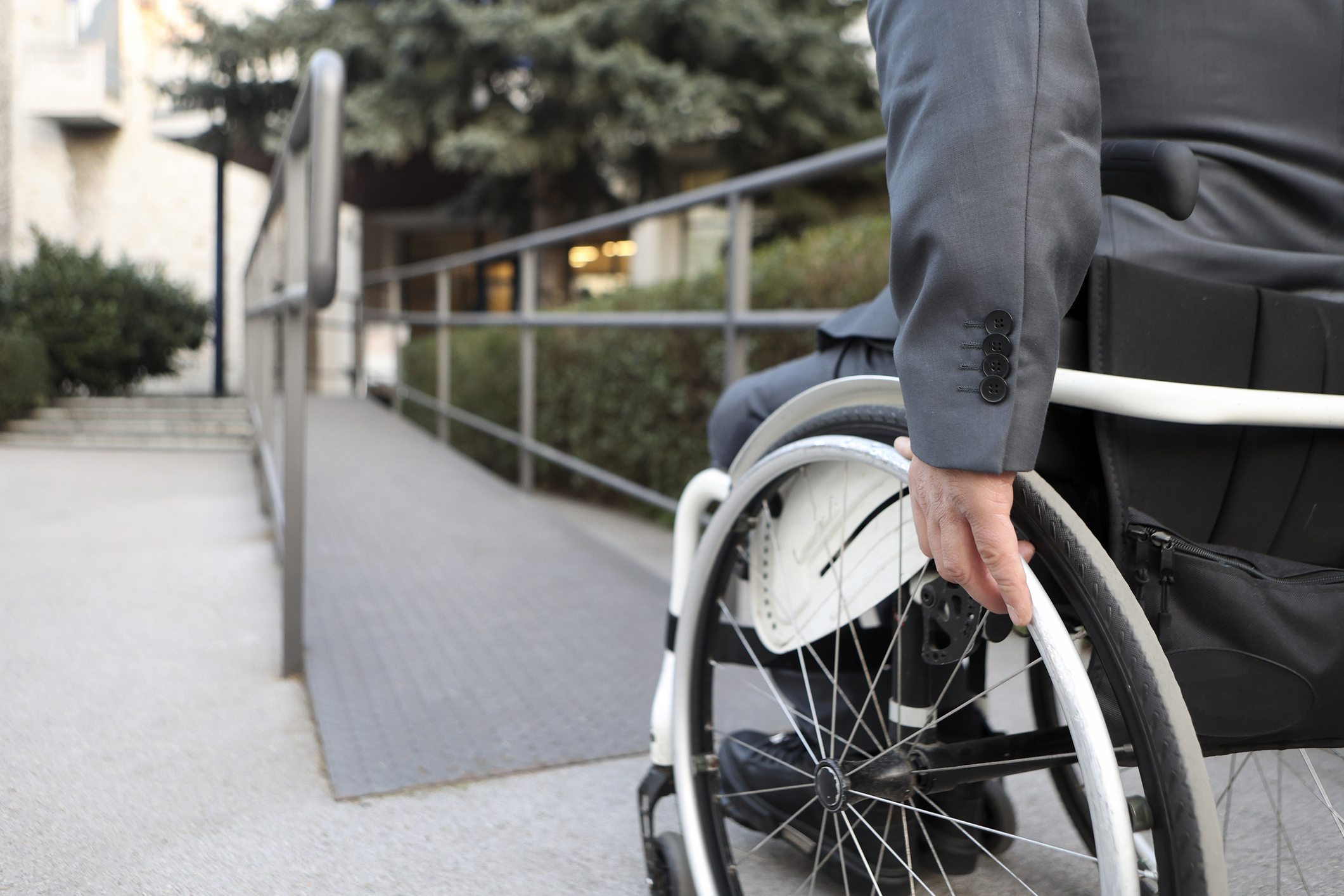
Health Minister Mark Butler announced $15 billion would be cut from the National Disability Insurance Scheme (NDIS) over the next four years to clamp down on ballooning costs and prevent it from becoming "an ATM for shonks, grifters, fraudsters and crooks".
Changes include tighter criteria, standardised and evidence-based assessments, fraud prevention and reduced spending on social and community participation per participant and daily activities.
Initial modelling shows the changes will reduce the number of people on the NDIS from 760,000 to 600,000 by the end of the decade.
"It costs too much and is growing too fast," Butler said in April.
"We can't afford for the NDIS to continue growing at its current rate."
READ MORE: Man accused of killing Labor strategist to fight charge

Defence boost
Defence will receive an additional $53 billion over the next decade, increasing spending to 3 per cent of Australia's GDP by 2033 under the NATO methodology.
US President Donald Trump has been pressuring Australia and NATO countries to raise their defence spending, complaining that the US does a lot of the heavy lifting.
The funding boost, announced last month by Defence Minister Richard Marles, was partly paid for by the sale of military land and will deliver greater warfare capabilities, systems and communications.
READ MORE: The news no Aussie wanted to hear - and it could get worse
Cheaper fuel
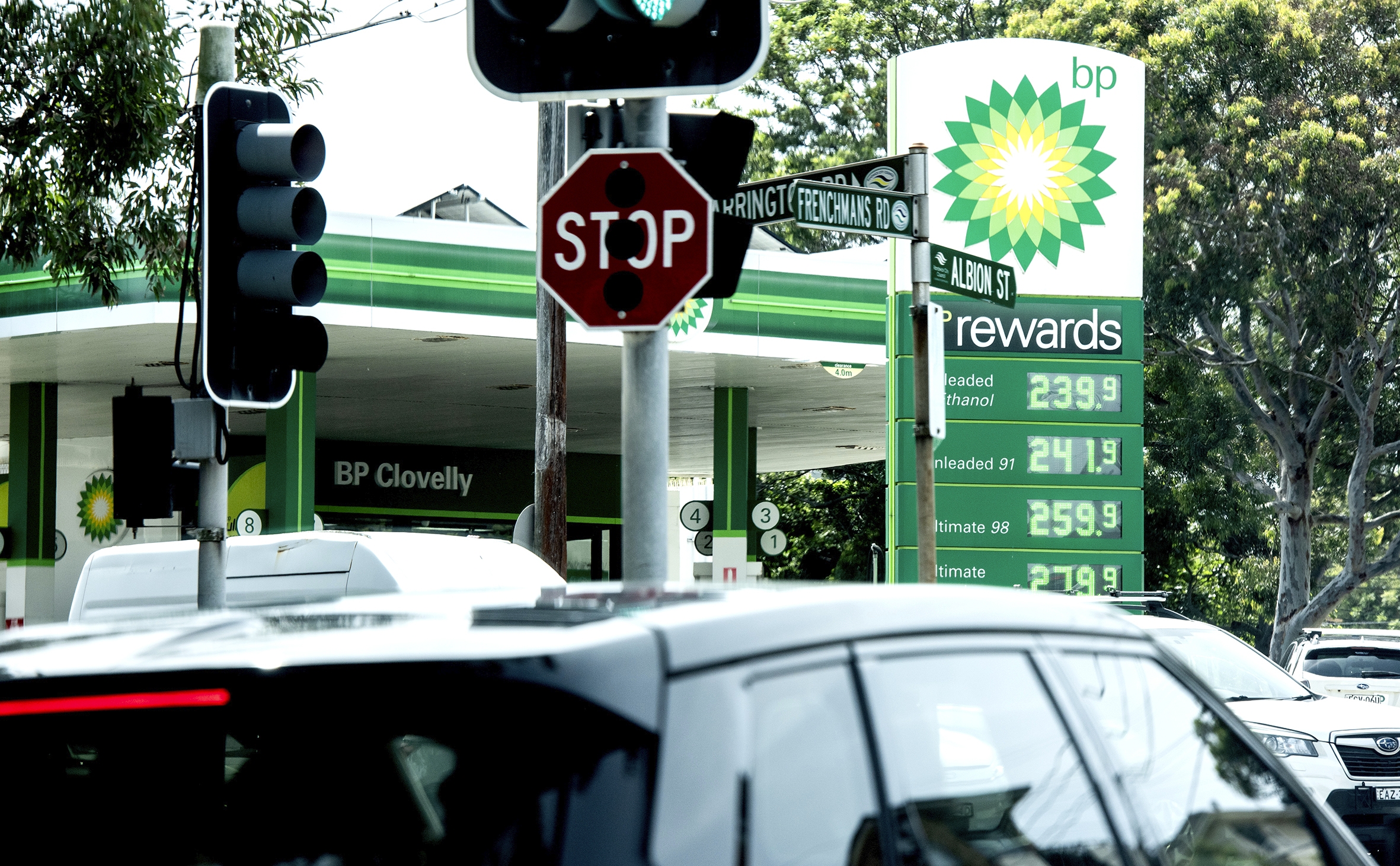
The federal government halved the fuel excise and removed the Heavy Vehicle Road User Charge from April 1 to June 30 to provide some relief for motorists facing soaring fuel costs, which will be funded in the budget.
The measure was estimated to reduce fuel costs by 26.3 cents per litre and almost $19 on a 65-litre tank.
The Australian Competition and Consumer Commission is monitoring fuel prices across the country to ensure the cost savings are being passed on.
Chalmers has ruled out extending the fuel excise cut and Heavy Vehicle Road User Charge removal after June.
More announcements
- $1000 instant receipt-free tax deduction for work-related expenses for about 6.2 million workers.
- Reducing the private health insurance rebate for those over 65 to the same level as everyone else.
- New Payday Super rules mandating employers to pay superannuation at the same time as salary and wage payments will come into effect from July 1.
- An additional $25 billion for public hospitals in the new five-year National Health Reform Agreement.
- $1.8 billion over five years to make Mericare Urgent Care Clinics permanent.
NEVER MISS A STORY: Get your breaking news and exclusive stories first by following us across all platforms.
- Download the 9NEWS App here via Apple and Google Play
- Make 9News your preferred source on Google by ticking this box here
- Sign up to our breaking newsletter here
 Comedian condemned for 'deeply offensive' joke about alleged murder
 'Disastrous': Grim reality of how much RBA rate hike will cost you
 Reserve Bank gives the news no mortgage-holder wants
 'Heroes': Volunteers and sailor killed in triple-fatal rescue attempt identified
 Alan Jones' barrister attacks 'bad' sex-abuse search warrants
 Author Craig Silvey admits child exploitation crimes
 Canadian cops call off search for missing Australian hiker
 Iranian drone strike causes fire at major oil refinery
 'Leave the city': Russia threatens to unleash 'massive missile strike'
 'Not a test of IQ': Doctor who designed cognitive test addresses Trump's boasts
 The carpet ended, then one of world's biggest stars emerged
 Stunning footage shows croc containing human remains airlifted from river
 Shocking issue costing Aussie workers as much as $2140 a year
 Matthew was slugged $2640 in 'confusing' water bill bungle
 Australia signs new deal with ally to counteract global shocks
 Millions in path of wintry blast this week