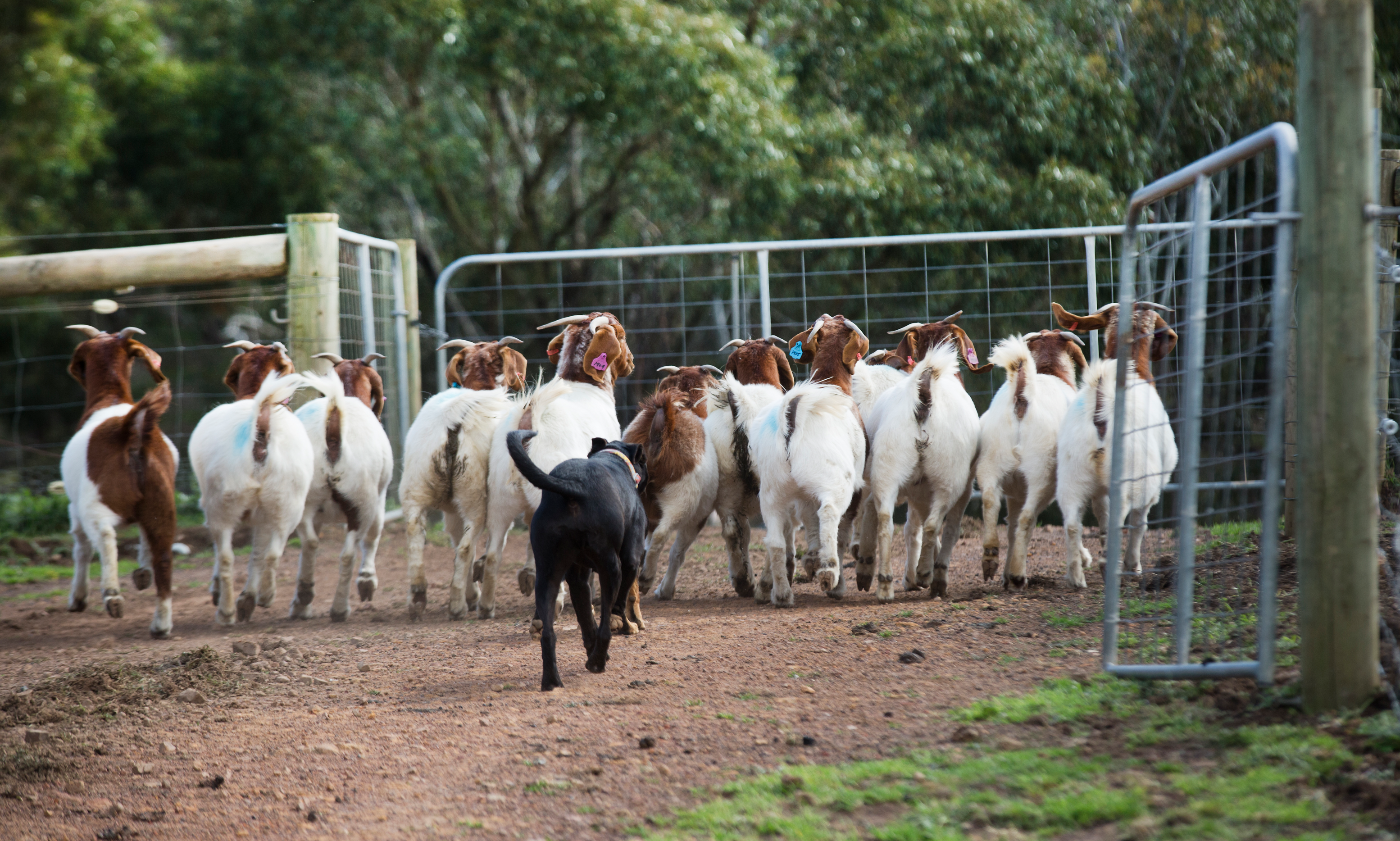
Record production and booming overseas demand have propelled Australia's goat meat industry to new heights.
Goats, once seen as pests on parts of Australia's rangelands, are now driving a record-breaking export trade with global demand surging to unprecedented levels.
Industry figures show exports climbed to more than 61,000 tonnes in 2025, cementing Australia's position as the world's largest goat meat exporter.
The latest snapshot from Meat and Livestock Australia found goat meat exports were up 20 per cent on the previous year, while export value climbed 28 per cent to $464 million.
READ MORE: Iran war exposes critical bottleneck in Australia's food supply
Production also hit record levels, rising 18 per cent to 63,672 tonnes.
Despite producing less than 1 per cent of the world's goat supply, Australia now accounts for about 61 per cent of global goat meat exports.
Highlighting the industry's record-breaking numbers, MLA senior market information analyst Emiliano Diaz noted Australia's strengthening position in the global market.
"While goat meat remains a niche protein globally, demand is expanding as consumers seek nutritious, high-quality and more diverse protein options, and Australia is well placed to lead that growth," Diaz said.
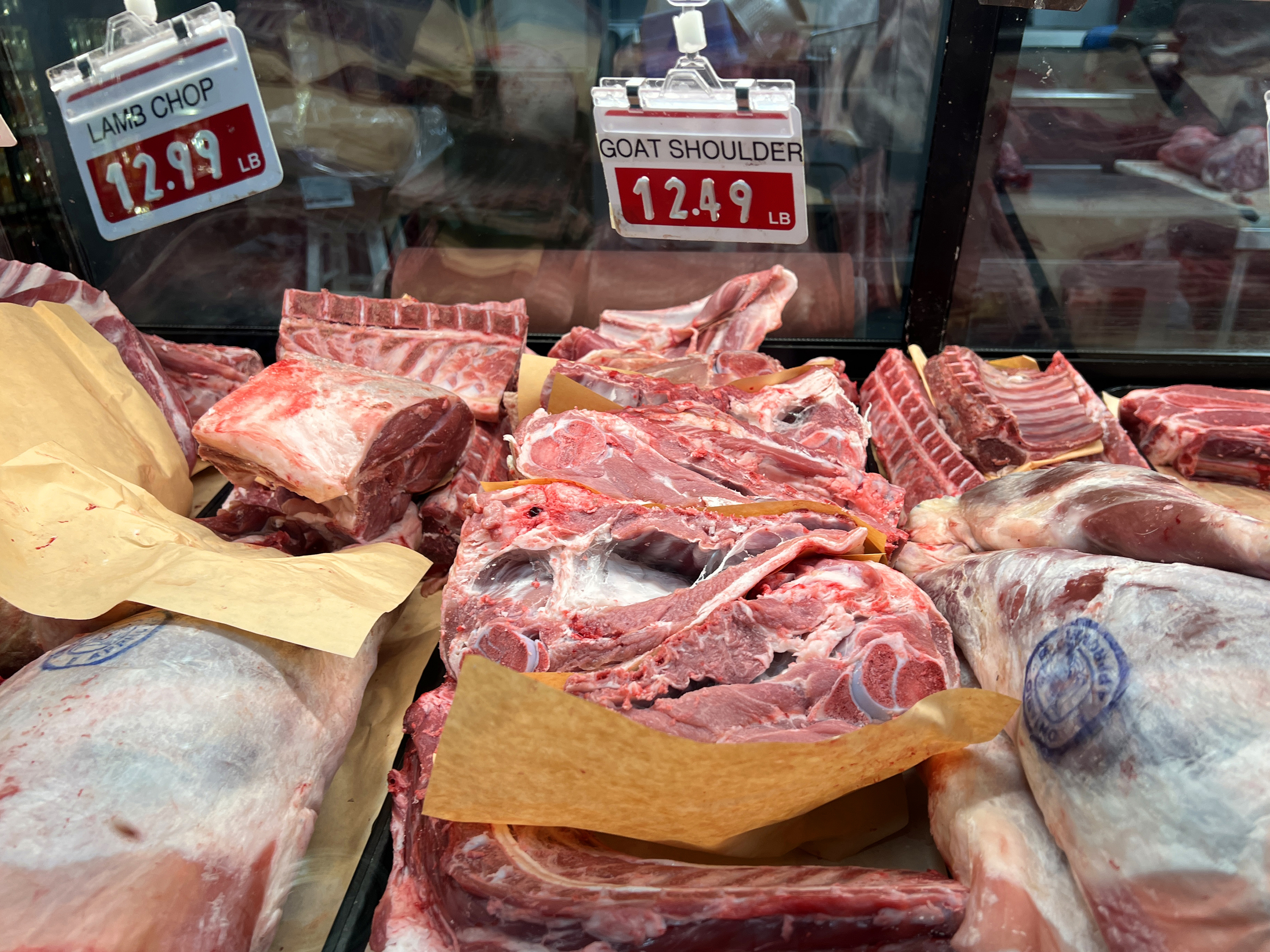
The United States remained Australia's largest market in 2025, accounting for almost half of all exports, while Korea continued to post strong growth.
Exports to Korea increased 23 per cent over the past year and have risen more than eightfold since 2020.
Canada also emerged as a major market, recording an 89 per cent jump in imports, while China held its position as Australia's third-largest export destination.
University of Queensland meat scientist Professor Louw Hoffman said Australia's dominance in the export market was built on systems already established through the beef and lamb industries.
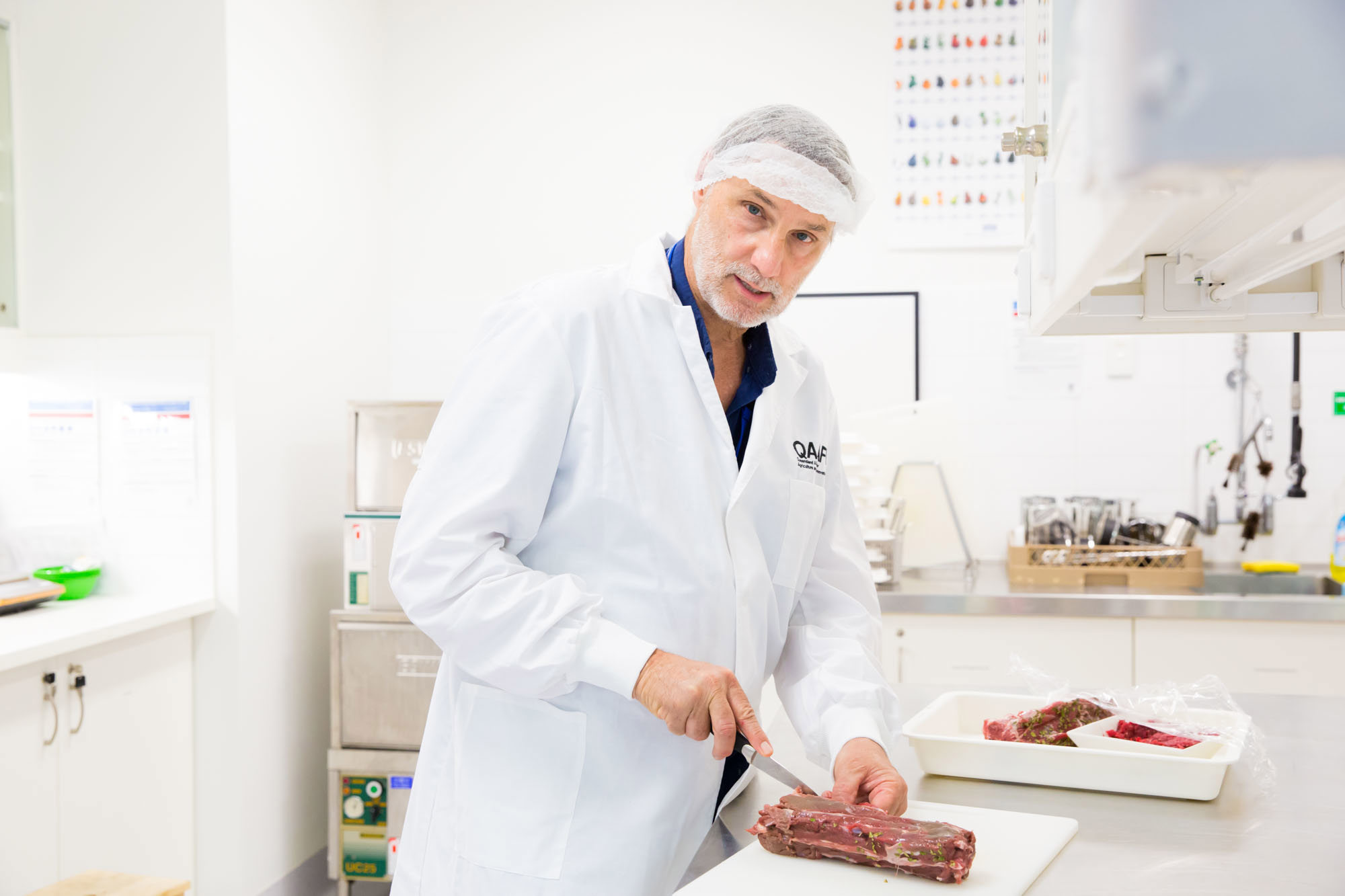
"This has resulted in Australia building credential kudos for providing quality red meat with solid traceability and zero disease risks," he told nine.com.au.
Because the appetite for goat meat lagged at home, Hoffman said, looking overseas was a necessity.
READ MORE: Town heated after 'biggest wind farm in Southern Hemisphere' approved
"Australia had no choice but to develop and maintain an export market; our local consumption is just too low," he said.
The sector also saw a shift after devastating floods hit parts of NSW and Queensland in 2022.
Hoffman said some graziers rebuilding cattle herds were forced to rethink their approach to feral goats, recognising that feral goats could reproduce faster and provide an additional source of income.
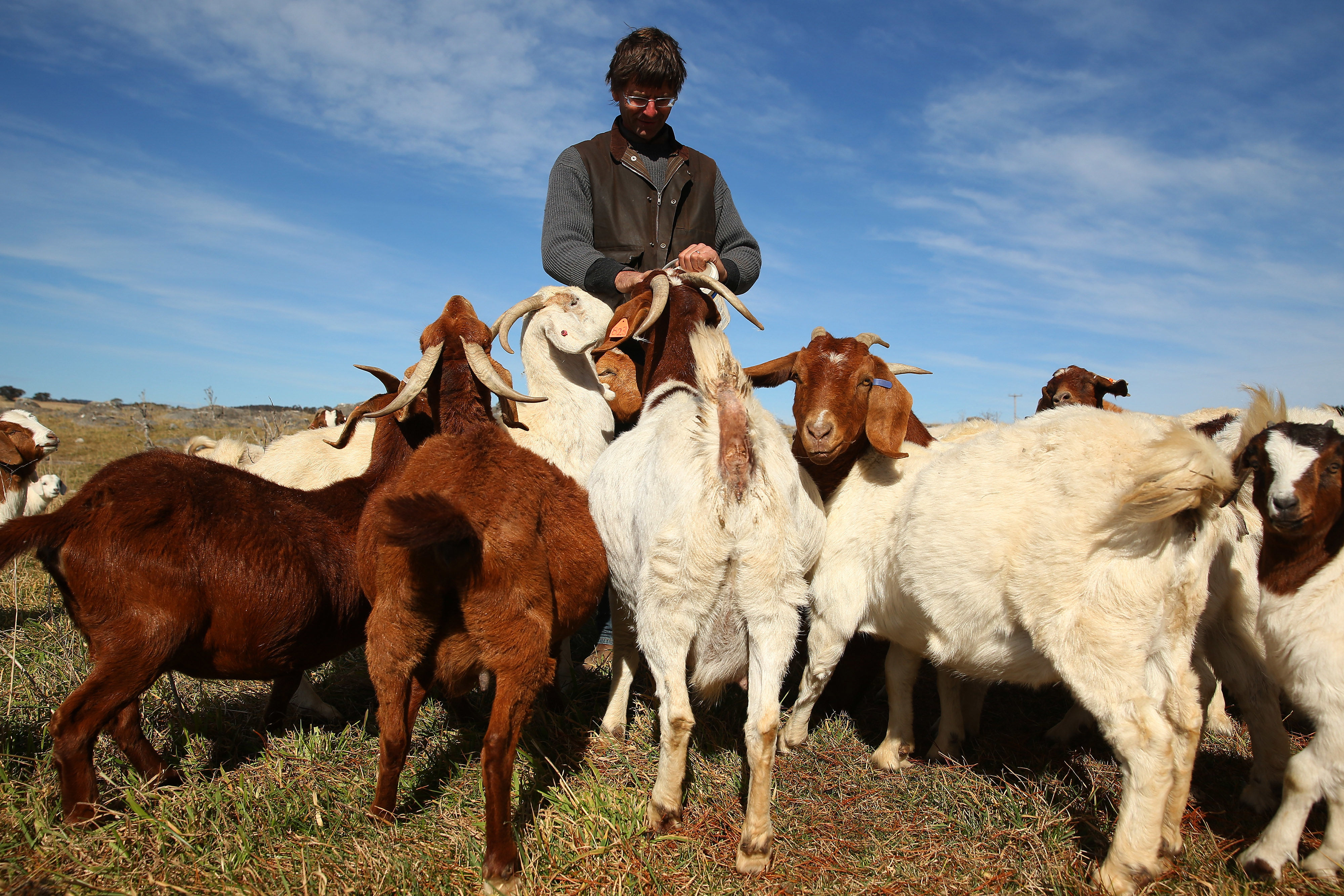
"Several red meat producers who lost large numbers of their beef herds realised that the rangeland goats on their property had value," he said.
Abattoirs then lifted capacity to meet demand, including higher slaughter numbers through additional shifts.
The report found that improved supply and consistency were also helping goat meat move beyond restaurants and into overseas retail markets.
"Building awareness and confidence in how to prepare goat meat is critical to unlocking further demand," Diaz said.
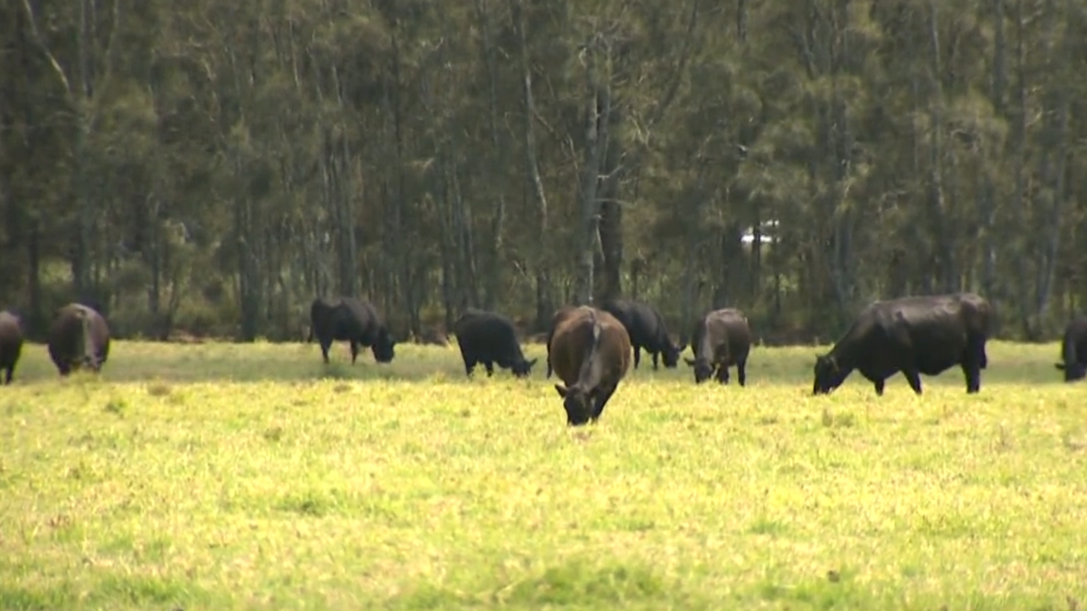
Hoffman said Australia's geography had supported the growth, as goats thrive in arid environments that are often unsuitable for other livestock.
He said Australia's major competitors in East Africa were less equipped to produce the same export volumes because their industries relied on smaller processing operations.
The industry is now eyeing fresh goat meat exports as another opportunity for growth – particularly in markets like Korea, where consumers are increasingly seeking fresh meat from younger animals over frozen products.
 Wild weather smashing WA could hit rest of Australia this week
 First home deposit scheme backfires as house prices tumble
 Trump to headline festival after artists drop out
 Ebola cases begin to outpace response in Congo
 Aussie diver on 'pretty full on' operation to free villagers trapped in Laos cave
 Man charged after wild brawl at Sydney soccer match
 Retiring police officer the target of man's car, court hears
 Man hit twice by car during alleged wild brawl on Melbourne footpath
 British family sold everything to move to Perth. They left within months
 Man charged after alleged arson attack destroys three homes
 Man beaten and left for dead after asking partiers to turn down music
 Rescuers free four men who had been trapped in a flooded Laos cave
 Vivid Sydney show scrapped for good after drone chaos
 Thieves ram ute into shopping centre, steal ATM in wild CCTV footage