Steve Wozniak
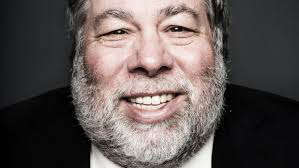
Welcome to the NetFM Steve Wozniak Page. We hope you will enjoyed the content on this page as much as we did bringing it to you.
Steve Wozniak Interview on NetFM: The Future of Music and Technology
LISTEN TO:
-
The Steve Wozniak NetFM Interview:- https://netfmradio.net/ondemand/netfm-interviews/woz-2023.mp3 - 29 September, 2023 (© Copyright NetFM)
- The Steve Wozniak NetFM Endorsements - 29 September, 2023 (© Copyright NetFM
1. My Favorite Rock! Station:-
https://netfmradio.net/ondemand/wozniak-endorsements/3.mp3
2. The NetFM App:- https://netfmradio.net/ondemand/wozniak-endorsements/5.mp3
3. The Oldest internet Radio Station:- https://netfmradio.net/ondemand/wozniak-endorsements/2.mp3
Here's what Steve Wozniak said about NetFM:-
1. Apple co-founder, Steve Wozniak says:
“This is Steve Wozniak, co-founder of Apple, and you’re listening to my favorite rock station, NetFM”.
2. Apple co-founder, Steve Wozniak says:
“This is Steve Wozniak, why don’t you download the free IOS NetFM App, and take NetFM wherever you go! It’s up there with my favorite apps of all time. Get it now at NetFM.net and never miss a song or show again”.
3. Apple co-founder, Steve Wozniak says:
“This is Steve Wozniak, co-founder of Apple , and you’re listening to NetFM, the oldest internet radio station in the world”.
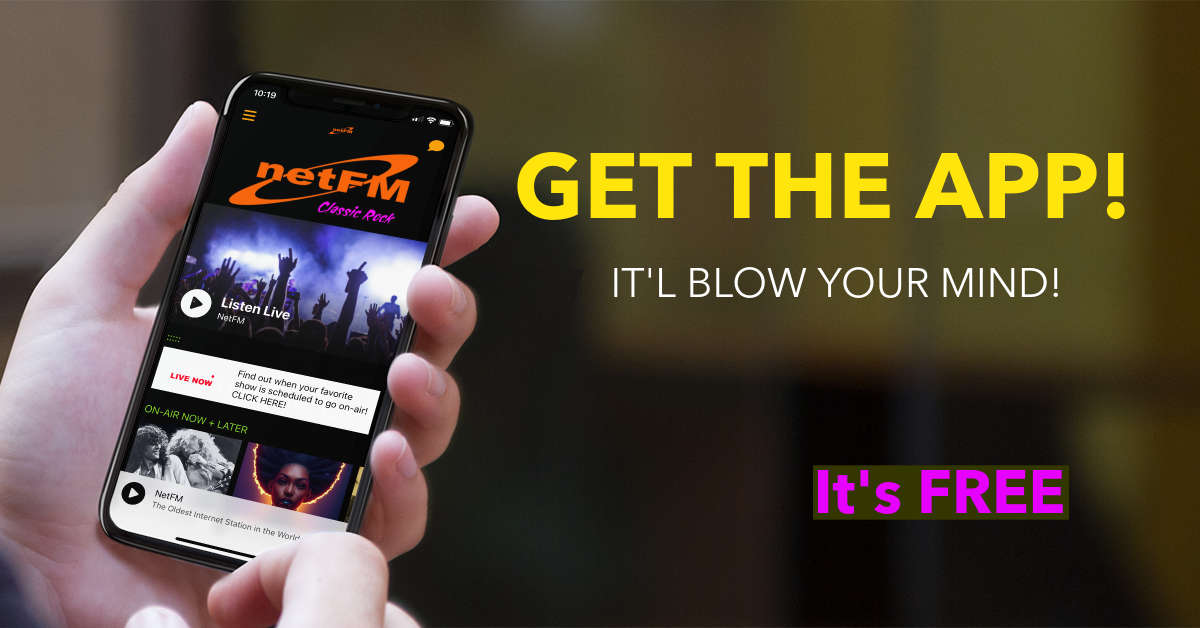
And speaking of the NetFM App, there’s no app like it! With high fidelity streaming, LIVE song & artist information, streaming videos, breaking NEWS, Classic TV shows, archived LIVE rock concerts, classic cartoons, documentaries, free movies and much more. It’s not just a radio station App, it’s a fully featured media hub.
READ: The Interview Transcript - 29 September, 2023 (© Copyright NetFM)
(0:00) Hi Woz, welcome to NET-FM studio. (0:02) Great to have you here. (0:03) Thanks very much for your time.
(0:04) What an honour to be on NET-FM. (0:06) I know you're a huge fan of music, (0:08) and I was just wondering if you might be able to (0:10) give us a bit of an idea of what your top three artists are (0:12) and explain a little bit about why you like them. (0:15) Bob Dylan has to be one of them.
(0:18) Good choice. (0:18) Even though I go mainly back to kind of his early, (0:22) early start, about the first, you know, five or six albums. (0:24) And the day I met Steve Jobs, (0:27) he was young and didn't have albums.
(0:29) So I took him down to my house and I showed him (0:31) every Bob Dylan album, the liner notes (0:34) and the lyrics to the songs. (0:35) Both, you know, were so amazing to us. (0:38) And we went to a lot of concerts together, (0:40) bought a lot of special tickets together.
(0:42) So Dylan always stands out in my head, (0:44) even though I don't really listen to him that much anymore. (0:47) Was very important. (0:48) You know, it's just songs that were kind of about (0:50) society and life and right and wrong.
(0:53) And, you know, songs like with God on our side. (0:56) And so it just had so many. (0:59) I mean, but when he got to the electric phase (1:01) with, you know, Mr. Tambourine Man and Like a Rolling Stone.
(1:04) Oh, my God. (1:06) Just amazing what he could put in your head. (1:08) That was kind of the start of favourite groups for me.
(1:11) Of course, I was into the classic rock and roll (1:14) in those those years. (1:16) What bands or artists were in that classic rock and roll (1:20) category in those years for you? (1:23) Just all the ones, you know, the first concert I went to (1:24) was in the Fillmore, San Francisco in 1969. (1:29) And my gosh, Junior Walker and the All Stars, (1:32) you know, he did his trumpet or whatever.
(1:34) And just it just went into my body. (1:36) And I'd be a fan of live music forever, (1:37) followed by the Jefferson Aeroplane, (1:39) followed by the Grateful Dead and all the groups. (1:42) You go back to every one of them.
(1:43) And they were, you know, largely a lot of them (1:45) from San Francisco in those days. (1:49) So that, you know, I just every single one of them. (1:52) And, you know, and sometimes I hear old songs (1:55) that you almost never hear, like Buffalo Springfield, (1:58) you know, or a couple of others, (2:00) and I just die hearing them.
(2:02) So, but that was what I was listening to back then. (2:07) And I'd have to say that Simon and Garfunkel (2:10) were extremely important to me too (2:11) because of their folk content, (2:14) the folk scene that was going on in New York (2:16) and the words they put just sort of fit my own life so much. (2:21) You know, even songs like The Boxer (2:25) and it started with Sounds of Silence to this day.
(2:32) You know, these are the sort of songs (2:33) that there's never a better song anywhere. (2:36) But then also when you ask (2:39) about three favourite bands and artists, (2:41) it is so difficult because I go to so much music. (2:44) My wife and I go to dozens of concerts a year.
(2:47) I went to every single concert (2:48) at the large Silicon Valley Amphitheatre, (2:50) which I started with Bill Graham for 27 years, (2:54) saw all the big well-known groups. (2:56) And then I decided, no, (2:57) just gonna go to small little places (2:59) and see groups not that many people know. (3:01) But back in that time, Springsteen, his songs, (3:05) I just can't believe they're not, (3:07) I love songs when they sound real, (3:08) like they're coming from somebody's real life, (3:11) describing it like you feel the people (3:13) that they're talking about and what they were like (3:15) and what was their head like in the song? (3:18) And especially like it when they seem to be living it (3:20) as they sing it.
(3:21) And Springsteen, so many of his, (3:23) almost all the songs he says are just really fictional. (3:27) He just had a real good touch on what made a great song. (3:31) But I mean, it started with Thunder Road and like, (3:35) oh, I'm forgetting names of songs right now, (3:38) but yeah, I liked a lot that was on (3:40) his lesser regarded albums, Nebraska, (3:45) and trying to think the one that had Black Cowboys on it.
(3:49) I love that song so much and nobody would ever, (3:52) hardly ever hear the songs that were on those albums (3:55) and like them all. (3:56) We always, we have a fairly extensive music library (4:01) here at Native FM, but some of the artists (4:03) you've just mentioned, Dan, (4:04) I doubt very much whether we've got them on there, (4:06) but we'll source them. (4:08) Yeah, go ahead.
(4:09) Yeah, my life changed in music drastically (4:12) when a little radio station started up (4:14) that played stuff that was not on standard stations (4:17) that were supported by the music industry. (4:19) Little station in Gilroy, California called KFAT. (4:22) Oh my gosh, and it was largely a lot of country-ish (4:25) and full country songs and things I'd never ever heard (4:29) or experienced, Emmylou Harrison and all, (4:32) and I met one of the founders of those last night (4:35) at a concert that I was attending.
(4:37) So, but 15 years ago, I made a rule (4:40) after seeing all the top groups in the world constantly (4:42) at Shoreline Amphitheatre in Mountain View, California, (4:46) Silicon Valley, I made a decision (4:49) that I'd only want to see small groups. (4:50) I wouldn't go to any of the big venues (4:52) like that amphitheatre or the arenas or stadiums. (4:55) And I've only broken it just a very few times.
(4:59) Like once I was in Milan and I saw that Coldplay (5:04) was doing a concert in the stadium and I got a ticket. (5:07) And yeah, the music's good, but it's not the same feeling (5:09) as when you're in a small place really feeling an artist, (5:12) like they're living it as they're creating it. (5:15) And another one I went to was Springsteen way back, (5:22) one of his great albums was called The River.
(5:25) And I went to his River Tour concert in the Oakland arena. (5:29) And I wound up with a wife and three kids. (5:33) And the music fits.
(5:34) So he did a redo recent, a few years ago (5:37) of his River Tour album. (5:40) He did it in the same arena, the Oakland arena. (5:43) And I went and saw it there again, just had to.
(5:47) There's some things you just can't pass up. (5:48) There's a couple of groups right now (5:49) that if they played in a large arena, I would go see them. (5:53) You know, groups like The Killers and National.
(5:57) We're gonna see National in a fairly large place (5:59) pretty soon, very lucky to catch up on that. (6:02) But Springsteen was just so important in my life. (6:05) Every song, so good.
(6:07) And even when other people do covers, (6:09) you know, like Ramiro, I just die over his lyrics. (6:14) He's so good at it. (6:15) And a third group that I'm gonna mention (6:17) is a common one that people don't know yet.
(6:19) I like finding groups when they're unknown. (6:21) For example, I went to a little concert (6:23) in a record store in San Francisco with about 30 people. (6:28) And I got to meet the artist for half an hour (6:31) in her dressing room before the show.
(6:33) She was unknown. (6:34) And it was Lana Del Rey. (6:36) I love meeting her.
(6:38) Yeah, a few of them I meet early and they get huge. (6:41) They get really, really huge. (6:43) And this guy, I heard his song.
(6:45) He didn't have a record contract at all. (6:48) He was the first person to get on the Billboard 100 (6:50) with no record contract. (6:51) And he hit number one with a song called Heading South (6:55) where they let you play your music real damn loud.
(6:58) And I don't know, all there was was a video online (7:01) of him outside his Navy barracks. (7:04) He was in the Navy and he's just sitting on a chair (7:07) with shorts and he's playing that song. (7:09) And just, you know, it's a six star song.
(7:13) And he rose and I sent my friends in Nashville (7:16) my comments that he was gonna be the future (7:18) of country music. (7:20) You know, really going out on a limb for people (7:22) that live with country music. (7:23) And he rose to the top now headlining stadiums (7:27) in just two years.
(7:29) The fastest rock is ever like that. (7:31) And every song he sings like on, (7:33) if you look at TikTok versions or something, (7:36) it's just amazing. (7:37) The voice is the greatest musical instrument ever created.
(7:40) And the way he uses it, and you just feel every song (7:43) is so real, coming from real life. (7:46) So Zach Bryan is his name. (7:50) And I could go on as many as hundreds (7:51) because I see dozens of concerts a year.
(7:54) I mean, even last night I went to one (7:56) and I get to know a lot of the artists well. (7:59) So it's very difficult to pick just three of them. (8:02) When you were visiting Australia some years back, (8:05) you had befriended an Australian music group.
(8:09) A very good friends with, oh, I'm trying to remember (8:13) his name from Down South, that album. (8:18) Men at Work. (8:20) My wife and I have befriended him (8:22) and we do email with him and get to his concerts (8:24) when we can.
(8:25) ♪ Well it ain't no use sitting and wondering why I've been ♪ (8:31) ♪ Even you don't know about it ♪ (8:34) ♪ And it ain't no use sitting and wondering why I've been ♪ (8:39) ♪ It'll never do somehow ♪ (8:43) ♪ When your rooster crows at the break of dawn ♪ (8:48) ♪ Look out your window and I'll be gone ♪ (8:52) ♪ You're the reason I'm travelling on ♪ (8:56) ♪ But don't think twice, it's all right ♪ (9:12) ♪ And it ain't no use in turning on your light, babe ♪ (9:16) ♪ The light I never knowed ♪ (9:20) ♪ And it ain't no use in turning on your light, babe ♪ (9:25) ♪ I'm on the dark side of the road ♪ (9:29) ♪ But I wish there was something you would do or say ♪ (9:33) ♪ Try and make me change my mind and stay ♪ (9:38) ♪ We never did too much talking anyway ♪ (9:42) ♪ But don't think twice, it's all right ♪ (9:50) ♪ So it ain't no use in calling out my name, gal ♪ (10:00) ♪ Like you never done before ♪ (10:04) ♪ And it ain't no use in calling out my name, gal ♪ (10:08) ♪ I can't hear you anymore ♪ (10:12) ♪ I'm a-thinking and a-wondering, walking down the road ♪ (10:16) ♪ I once loved a woman, a child I'm told ♪ (10:21) ♪ I'd give her my heart, but she wanted my soul ♪ (10:25) ♪ But don't think twice, it's all right ♪ (10:34) ♪ So long, honeybee, where I'm bound ♪ (10:48) ♪ I can't tell, goodbye's too good a word, baby ♪ (10:55) ♪ So I just say, fairly well ♪ (10:59) ♪ I ain't saying you treated me unkind ♪ (11:03) ♪ You could've done better, but I don't mind ♪ (11:07) ♪ You just kinda wasted my precious time ♪ (11:12) ♪ But don't think twice, it's all right ♪ (11:50) Net FM, Worldwide Radio. (11:55) ♪ Hello, darkness, my old friend ♪ (12:00) ♪ I've come to talk with you again ♪ (12:05) ♪ Because a vision softly creeping ♪ (12:10) ♪ Left its seeds while I was sleeping ♪ (12:14) ♪ And the vision that was planted in my brain ♪ (12:20) ♪ Still remains within the sound of silence ♪ (12:29) ♪ In restless dreams I walked alone ♪ (12:35) ♪ Down the streets of Cold Stone ♪ (12:39) ♪ In the middle of a mystery land ♪ (12:43) ♪ I turned my collar to the cold and damp ♪ (12:48) ♪ When my eyes were stabbed by the flash of a neon light ♪ (12:55) ♪ It split the night and touched the sound of silence ♪ (13:04) ♪ And in the naked light I saw ♪ (13:08) ♪ 10,000 people, maybe more ♪ (13:13) ♪ People talking without speaking ♪ (13:18) ♪ People hearing without listening ♪ (13:22) ♪ People writing songs that voices never share ♪ (13:30) ♪ No wonder it split the sound of silence ♪ (13:39) ♪ Things that I did not know ♪ (13:43) ♪ Silence tied the cancer rope ♪ (13:48) ♪ Give my words that I might teach you ♪ (13:52) ♪ Take my arms that I might lead you ♪ (13:57) ♪ Give my words like siren in the raindrops fell ♪ (14:06) ♪ Echoing in the wind of silence ♪ (14:12) ♪ And the people bowed and prayed ♪ (14:18) ♪ And the ungodly made ♪ (14:22) ♪ And the siren crashed out its warning ♪ (14:27) ♪ In the words that it was warning ♪ (14:31) ♪ And the siren said the words of the prophets are written ♪ (14:36) ♪ On the subway walls ♪ (14:39) ♪ 10,000 people whispering in the sound of silence ♪
(14:53) A lot of the listeners don't know this. (14:55) You started your own version of Woodstock (14:58) back in the early 80s.
(15:00) Very correct. (15:01) It was a huge enterprise, wasn't it? (15:03) Music was so important to me (15:06) and I wanted to put on a great concert (15:08) with some of the greatest collection of groups ever. (15:10) And, you know, Woodstock had been passed (15:12) and there were bad things about that.
(15:14) And then the concert came where the Rolling Stones, (15:18) there were shootings in Altamont, (15:20) Altamont up here in California, (15:22) a lot of bad things, a lot of bad word about it. (15:25) And now there was some dead period (15:26) and I wanted to put on a really great one, (15:29) planned, with a lot of money to do everything the right way (15:32) and, you know, concessions, everything. (15:35) And we had not music people doing it, (15:37) more like professional businessmen.
(15:39) And we set up this concert we called the Us Festival (15:43) and we had an intent to tell people (15:45) it's better to work together, to be together, (15:47) like you are at a big concert, (15:49) than to have conflict and fighting. (15:51) It was kind of along the lines of the paper that, (15:55) oh, the guy wrote for Beautiful Minds. (15:58) Oh, there was some guy.
(16:00) But anyway, it was business paper and I was into it. (16:03) And we wrote a curriculum for schools (16:05) and distributed it to all 50 states on this principle. (16:10) But our Us Festival was very, very unique and different.
(16:14) Looking back, people who know about it, (16:15) we never, we weren't in the, (16:17) we didn't get the music recognition we should have. (16:19) It was the best concert of any, (16:21) any of the huge festivals you see (16:23) with all the greatest groups. (16:24) You go back and look up the Us Festival, (16:25) it was absolutely the best.
(16:27) We sold a million tickets over two years (16:29) in Southern California. (16:31) And we had the largest stage ever. (16:34) It was the first time ever that we had speakers down into, (16:37) we built an amphitheatre that could hold 500,000 people.
(16:40) We had speakers halfway down that were, you know, (16:43) time delayed with the music. (16:45) It was also the first concert ever in the United States (16:47) with a large video screen. (16:48) That didn't exist before.
(16:50) I mean, we were breaking ground (16:51) and we were the first time ever (16:53) using that large video screen. (16:55) We set up the first three space bridges, (16:58) two-way video between the United States (17:00) and the Soviet Union during the Cold War. (17:04) And the only reason it was possible (17:05) was NBC had taken a bunch of television equipment (17:08) over to Moscow to broadcast the Olympics (17:11) that the United States pulled out of (17:13) when the Soviet Union invaded Afghanistan.
(17:16) We pulled out, the equipment was there. (17:18) And the television people in the Soviet Union (17:20) wanted to do this big setup. (17:22) And first we sent music both directions.
(17:25) And, you know, audience booed a bit when I announced it (17:27) because, I mean, back then in the Soviet Union, (17:30) Cold War was like Al-Qaeda. (17:32) And then we had people talking to people (17:34) and you realised we're the same. (17:36) The propaganda of the governments dissolved.
(17:39) So I spent quite a number of, you know, 10 to 20 years (17:43) doing a lot with Soviet Union, U.S. peace things. (17:48) Unbelievable stories, but I don't have time for that here. (17:50) But I did put on the first concert in a stadium (17:54) outside of Moscow.
(17:56) First concert ever that had top Russian groups (17:59) and top American groups. (18:01) Took over four top American groups. (18:04) Interesting twist in the US concert.
(18:08) And it is a connection with your son. (18:11) Yeah, he was born on the first day of the concert. (18:13) I had to open the concert (18:13) holding less than 24 hour child in my hands (18:17) talking about, you know, new birth.
(18:19) And you brought him on stage, didn't you? (18:21) Yes, I did. (18:22) Very briefly, you know, (18:23) and we have a huge wide photo of it. (18:25) I still have, you know, (18:26) one of these huge ones that stretches across an entire wall.
(18:29) It was kind of cool. (18:31) So we had top equipment. (18:32) Unfortunately, I didn't intend to.
(18:34) I wanted to make money, (18:35) but I lost a lot of money on the 2US festivals. (18:39) And so I couldn't keep doing it. (18:40) But it did show that there was a market (18:43) for that sort of thing.
(18:44) Sure, sure. (18:45) Now I want to ask you about the Eagles. (18:48) Obviously you're a fan.
(18:50) Oh yeah. (18:51) And you tried to get them to reform. (18:55) For the US festival, we did.
(18:57) And they came very close. (18:58) But one of them out in Hawaii somewhere didn't, (19:02) I forget which one, but didn't want to do it. (19:04) We came close.
(19:06) Okay, worth a try. (19:07) And when they did reform, (19:08) when they did reform years later in the 90s, (19:10) they did a set in our Shoreline Amphitheatre (19:13) here in Silicon Valley. (19:14) Five days in a row.
(19:17) Those are the most extremely incredible days of my life. (19:20) It's been the third, fourth, and fifth day they played. (19:23) It's just like, what an incredible group that is.
(19:26) Have you got a favourite Eagles song? (19:28) No, Don Henley, some of his individual songs, (19:31) maybe Age of the Innocents and, (19:35) oh gosh, I'm trying to remember right now. (19:36) When I hear it on the radio, (19:37) it's things I do thousands of songs. (19:40) So it's hard to pull them up just instantly.
(19:42) But he has a couple of songs (19:43) that are so important. (19:45) And of course, the Eagles together, I mean, (19:47) I don't know, the California song (19:51) has a lot of deep, had a lot of good meaning, (19:53) but they're all so good. (19:55) Joe Walsh getting up there and his songs are so great.
(19:59) So I can't really, (20:01) it's hard to pick one out (20:02) when there's a whole bunch of six-star songs in there. (20:13) ♪ Eucalyptus rising up through the air ♪ (20:18) ♪ Up ahead in the distance, I saw a shimmering light ♪ (20:25) ♪ My head grew heavy and my sight grew dim ♪ (20:28) ♪ I had to stop for the night ♪ (20:31) ♪ There she stood in the doorway, I heard the mission bell ♪ (20:38) ♪ And I was thinking to myself, this could be heaven ♪ (20:42) ♪ This could be heaven ♪ (20:45) ♪ Then she lit up a candle and she showed me the way ♪ (20:51) ♪ There were voices down the corridor, I thought I heard them say ♪ (20:57) ♪ Welcome to the Hotel California ♪ (21:03) ♪ Such a lovely place, such a lovely place, such a lovely place ♪ (21:10) ♪ Ready a room at the Hotel California ♪ (21:16) ♪ Any time of year, any time of year, you can find it here ♪ (21:23) ♪ Her mind is differently twisted, she got the Mercedes Benz ♪ (21:29) ♪ She got a lot of pretty, pretty boys, she calls fans ♪ (21:36) ♪ How they dance in the courtyard, sweet summer sweat ♪ (21:43) ♪ Some dance to remember, some dance to forget ♪ (21:49) ♪ So I called up the captain, please bring me my wine ♪ (21:55) ♪ He said, we haven't had that spirit here since 1969 ♪ (22:03) ♪ And still those voices are calling from far away ♪ (22:09) ♪ Wake you up in the middle of the night, just to hear them say ♪ (22:15) ♪ Welcome to the Hotel California ♪ (22:21) ♪ Such a lovely place, such a lovely place, such a lovely place ♪ (22:27) ♪ They're living it up at the Hotel California ♪ (22:34) ♪ What a nice surprise, what a nice surprise, we're out of ice ♪ (22:41) ♪ Mirrors on the ceiling, the pink champagne on ice ♪ (22:47) ♪ And she said, we are all just prisoners here of our own device ♪ (22:54) ♪ And in the master's chambers, they're gathered for the feast ♪ (23:01) ♪ They stab it with their stealing eyes, but they just can't kill the beast ♪ (23:07) ♪ The last thing I remember, I was running for the door ♪ (23:14) ♪ I had to find the passage back to the place I was before ♪ (23:19) ♪ We're like second life men, we are programmed to receive ♪ (23:27) ♪ You can check out anytime you like, but you can never leave ♪ (23:52) ♪♪ (25:25) ♪♪ (25:55) ♪♪ (26:25) ♪♪ (26:55) ♪♪ (27:36) ♪♪ (27:49) ♪♪ (27:59) ♪♪ (28:00) ♪♪ (28:23) ♪♪
(28:30) My standard for a six-star song, it has to be as good as Sultans of Swing. (28:36) You play guitar, don't you? (28:38) I did play for about 20 years every day of my life.
(28:41) My hands can't do it right now, and I don't remember the chord. (28:45) It's been a long time since I played, but I keep a lot of guitars near me. (28:48) My wife gets them to me for gifts, birthday gifts and things like that.
(28:52) And I love my guitar collection and my favourite guitar of all time. (28:57) I don't know, I got lost. It got given away to somebody, didn't return it or something.
(29:01) Which is a bummer, yeah. (29:03) Remember them like your favourite pets that you've had. (29:06) I never played with anyone else or in front of anyone else, (29:10) except very rarely in front of a spouse, maybe.
(29:14) One time I took it to work where I had one of my startup companies, (29:18) and I played it there so they could just hear me. (29:19) But it was just playing, not singing. (29:22) You get really good after 20 years.
(29:25) One of our listeners sent us an email recently. (29:28) We put out the call to ask you questions, and we've got a few to ask you. (29:33) But the one about your guitar, I might as well read it out.
(29:36) It was from Gabriel, and he or she says, (29:40) I heard that you play the guitar. (29:43) How often do you practise, and have you jammed with anyone famous? (29:48) You've basically answered most of them, I reckon. (29:50) Yeah, I used to play for, when I played, I played for 20 minutes, (29:54) about two or three times a day.
(29:56) And I would just, it just relaxed me. (29:58) It was the most beautiful thing in my life. (30:01) So, I don't know, I love guitar, expressive guitars, (30:05) and guitar notes and music can put my head in heaven to this day.
(30:08) Nowadays, I do not practise. (30:10) I sat down a couple of times to try it on my guitars. (30:13) They're not even in tune.
(30:14) My hands aren't what they used to be anymore, my fingers. (30:18) Not at all. (30:19) I play drums, so I understand what you're saying.
(30:21) It's just relaxing. (30:22) It's just so pleasant. (30:24) Thank you.
(30:25) You know exactly. (30:27) Yes, I do. (30:28) Yeah, one time, I mean, I loved Dire Straits music, (30:31) and one time I was in London, Piccadilly Circus, (30:33) and there was a wax museum.
(30:36) So, I went through the wax museum. (30:37) Oh my God, I stopped, stunned, mouth open. (30:40) It was Mark Knopfler.
(30:42) They had one of Mark Knopfler there. (30:48) I've never met him. (30:49) I have seen him, you know, even in recent times, (30:53) seen him play, but never met him, never met Dire Straits.
(30:57) I went over to the very first Live Aid that was in London, (31:00) and it was in Wembley Stadium, and where I was sitting, (31:03) the music quality, which is important to me, (31:06) was horrible for every group. (31:07) I just was going to stay only for Dire Straits, (31:10) and they played. (31:11) And where I was seated, you know, under some metal overhang, (31:14) it just didn't sound good.
(31:16) And so that was a bummer. (31:19) There was a video online I saw recently, (31:22) the last week or so, (31:24) a street performer was, a very good street performer (31:28) who was playing electric guitar, (31:30) was just playing a few songs, (31:32) and someone was videoing the performance. (31:37) And I think that someone was a friend (31:39) of a very famous singer and guitar player in the audience, (31:44) and it was Mark Knopfler.
(31:46) And yeah, and the guitarist, the busker, (31:49) didn't realise who Mark Knopfler is, (31:51) and he asked for any requests. (31:53) And Mark Knopfler said, (31:54) do you know anything that Dire Straits played? (31:57) And he said, yeah, yeah, yeah. (32:00) So he played Sultans of Swing, (32:02) but in his own version of it.
(32:03) It was just fantastic. (32:06) It's funny you bring this up, (32:08) because I watch TikTok for an hour at night, (32:12) mainly because it feeds me a whole bunch of (32:15) animals in danger and humans saving them, (32:17) rescue stories. (32:19) But it also sends me buskers, (32:22) buskers because I guess I've liked them enough.
(32:24) And many, I might have even seen that one. (32:42) I see double fall time (32:46) You feel all right (32:48) When you hear the new chain ring (32:55) Well now you step inside (32:57) But you don't see too many faces (33:03) Coming in out of the rain (33:04) To hear the jazz go down (33:10) Competition in other places (33:16) But the horns keep blowing that sound (33:22) Way on down south (33:24) Way on down south (33:28) London town (33:40) You check out Guitar George (33:43) He knows all the chords (33:47) But he's strictly rhythm (33:49) He doesn't want to make them cry or sing (33:55) If Danny knows guitar is all (33:58) He can't afford (34:01) When he gets up under the lights (34:03) To play his thing (34:07) And Harry doesn't mind (34:13) If he doesn't make the scene (34:17) He's got a day time job (34:19) He's doing all right (34:24) He can play the honky tonk (34:26) Like anything (34:30) Saving it up (34:32) Friday night (34:37) With the sultans (34:40) With the sultans of swing (34:55) In the crowd of young boys (34:57) They're fooling around in the corner (35:00) Brown baggies in their platform so (35:09) They don't give a damn (35:11) About any trumpet (35:13) Playing band (35:15) It ain't what they call rock and roll (35:22) And the sultans (35:26) Yeah the sultans (35:28) They play Creole (35:33) Creole (35:42) They say they're the last (36:40) The night to go home (36:46) And he makes it fast (36:54) We are the sultans (36:57) We are the sultans of swing (38:25) We'll take you up to June (38:28) Like your daddy John (38:32) Me and Mary we met in high school (38:36) And she was just seventeen (38:40) We'd drive out of this valley (38:44) Down to where fields were green (38:51) We'd go down to the river (38:55) We'd dive oh down to (39:01) That was all she wrote (39:16) And for my nineteenth birthday (39:19) I got a union card (39:21) And a wedding coat (39:24) We went down to the courthouse (39:28) And the judge put it all to rest (39:31) No wedding day smiles (39:35) No walk down the aisle (39:36) No flowers no wedding dress (39:40) That night we went down (39:42) To the river (39:44) And into the river we dived (39:48) Oh down to the river (39:52) We did ride (39:54) I got a job working construction (40:35) For the Johnstown company (40:40) But lately there ain't been much work (40:43) On account of the economy (40:48) Now all them things (40:50) That seemed so important (40:51) Well mister they vanished (40:54) Right into the air (40:55) Now I just act like (40:58) I don't remember (40:59) And Mary acts like (41:02) She don't care (41:04) But I do (41:05) I remember us riding (41:07) In my brother's car (41:08) Her body tan and wet (41:10) Down at the reservoir (41:13) At night on the banks (41:15) I'd lie awake (41:16) And pull her clothes just to feel (41:19) Each breath she'd take (41:20) Those memories come back (41:23) To haunt me (41:25) They haunt me (41:27) Like a curse (41:29) Is a dream a lie (41:31) That don't come true (41:33) Is it something worse (41:36) That sends me (41:38) Down to the river (41:41) I know the river is dry (41:44) That sends me (41:46) Down to the river (41:49) Tonight (41:53) Down to the river (41:57) My baby and I (42:01) Oh down to the river (42:03) Down to the river (42:05) We ride
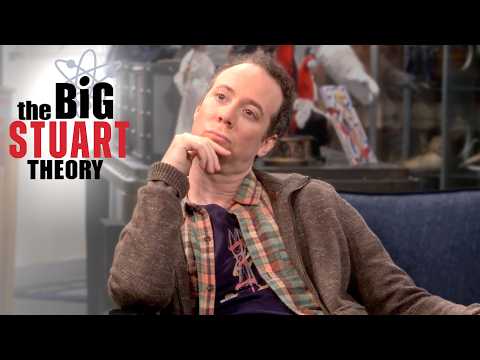
(42:09) Now I've got another question (42:52) From a listener from Sasha (42:54) And Sasha says (42:56) It's in relation to the (42:57) Big Bang Theory TV show (42:59) The question is (43:00) Did you enjoy appearing (43:02) On the BBT (43:05) And was that your wife (43:06) With you in the (43:08) Cheesecake factory scene (43:10) And then there's the last part of it (43:13) Excellent questions (43:13) My wife and I (43:14) Don't watch TV (43:16) We're watching a little bit of (43:18) Serieses now (43:18) Ever since COVID (43:20) But we didn't watch any TV (43:21) And before I'd been on (43:23) Dancing with the Stars (43:24) They called and I said (43:25) Who is that? (43:26) What is it? (43:26) I'd never seen it (43:27) I'd never seen ballroom dancing (43:28) I said (43:29) I turned them down a couple times (43:30) And finally a friend (43:31) Talked me into doing it (43:33) So when the Big Bang Theory (43:34) Called my wife took it (43:35) She said (43:35) Oh wait a minute (43:37) After Dancing with the Stars (43:38) We've got to see some video (43:40) They sent us a disc (43:41) Of like (43:42) Season 3 or something (43:44) And I loved it (43:46) I am so much into comedy (43:47) And humour (43:48) And especially the tech side of that (43:50) I hadn't seen it yet (43:51) So of course I did it (43:53) And I was surprised (43:55) They let my real wife play (43:57) They didn't like have to put in (43:58) Somebody who's in the business (44:00) You know an actress (44:01) And so yes (44:03) That was ourselves (44:05) And the last part of the (44:07) Listener's question (44:08) Has to do with (44:09) An important part of (44:11) That appearance (44:12) And that is (44:14) You might recall (44:15) Sheldon Cooper (44:18) Built a virtual presence device (44:21) It was (44:22) Well it was great (44:23) It was a real (44:24) One from a company (44:25) Here in Silicon Valley (44:26) And it came up (44:27) And of course Sheldon on his side (44:29) Is trying to get me out of (44:30) Out of character (44:31) When I'm saying my lines (44:32) By making all these (44:33) Funny faces at me (44:34) What I should have done was (44:35) What I can do (44:36) I can roll my eyes in a circle (44:38) Both eyes (44:39) And then up and down (44:40) Left and right (44:41) And right and left (44:41) And then angled diagonals (44:43) And I should have done that (44:44) To him (44:47) But no (44:48) It was so great to see (44:49) How that kind of a show (44:50) Is made (44:50) You don't know in your life (44:52) How do they make (44:53) You know a sitcom (44:54) A sitcom (44:55) You've got to meet (44:56) All the people (44:57) And see all the things (44:57) They do and what it takes (44:58) To make a show (44:59) And then they do (45:00) Two live (45:00) They do a live performance (45:02) On Tuesdays (45:03) But they do every scene (45:04) Two times (45:05) And they'll put in (45:06) A couple little changes (45:08) In between the scenes (45:08) Based on how the writers (45:10) Think the (45:10) You know what's going over (45:11) With the audience (45:12) And the producers (45:13) Were so great (45:14) No we (45:15) We got (45:15) We're still friends (45:17) With them (45:17) You know to this day (45:18) Johnny Glecki (45:19) Likes to write us (45:20) And he's retired (45:21) In like Tennessee (45:22) Kind of (45:23) And just living a good life (45:24) You know (45:25) Doesn't have to be (45:26) In the rap race (45:26) You mentioned once (45:28) To me about (45:29) The whiteboards (45:31) That they had set up (45:32) With all the formulas (45:33) They asked me (45:34) To do one of those (45:35) I forget what (45:36) They called them (45:37) But (45:38) I never got the time (45:40) To it (45:40) I think (45:41) They had (45:42) They had professors (45:43) Physics professors (45:44) You know from (45:45) A local college (45:46) To help (45:46) Yeah I think you said (45:47) That Caltech (45:48) Was involved as well (45:50) It was Caltech (45:51) But USC (45:52) But it was a top professor (45:53) That was giving them (45:55) A lot of good ideas (45:55) For what to put on those (45:57) I forget the word (45:57) They used (45:58) To describe it (45:59) But it was really great (46:00) To see (46:00) I got to see how (46:01) A big show like (46:02) Like Dancing with the Stars (46:03) Is made (46:04) And it's really funny (46:06) Because you think (46:06) Oh this is really elegant (46:08) Well just be in there (46:09) You're a low paid extra (46:11) You have to come (46:12) You're forced to wear a suit (46:13) And you sit in the audience (46:14) But the guys with the cameras (46:15) Are in shorts (46:16) And t-shirts (46:17) And they're not on the video (46:19) Now next question is (46:21) It relates to the (46:22) Silicon Valley Comic Con (46:24) And it's from Dale (46:26) And Dale says (46:27) Do you still have an interest (46:29) In SVC (46:31) Silicon Valley Comic Con (46:32) Obviously (46:32) Do you still (46:33) Since Stan Lee (46:35) Since Stan Lee's passing (46:38) Stan Lee and I (46:39) Became extremely close friends (46:41) Did some things together (46:42) And it was very sad (46:44) To see him go (46:45) I admired him (46:46) So much (46:47) That was (46:47) But that wasn't really (46:49) A defining factor (46:50) I was associated (46:52) With the (46:52) Silicon Valley Comic Con (46:54) On a (46:55) On a partnership (46:56) With a guy (46:57) Who had made (46:58) A couple hundred million (46:58) In a company (46:59) That really (46:59) I was one (47:00) That made it for them (47:01) And (47:02) And (47:03) You know (47:03) He started cheating me (47:05) He was a partner (47:06) That just (47:06) He got divorced (47:07) And kind of like (47:08) I lost half of what (47:09) I was supposed to have (47:10) So then I went back (47:11) To Comic Con (47:12) And I said (47:12) Okay (47:12) I'll sit in a chair (47:13) All day (47:14) And sign autographs (47:15) For anyone (47:16) Who donates (47:16) To Animal Rescue (47:18) And they could (47:19) Donate money (47:20) And get a signature (47:21) From me (47:21) On something (47:23) So I basically (47:24) Backed out (47:25) You know (47:26) Hey if you're not (47:26) Going to keep (47:27) The original deal (47:51) You know (47:56) If you're not (47:57) Going to keep (47:57) The original deal (47:57) You're going to (47:58) Yeah (48:00) I kind of (48:00) Get that impression (48:01) Yeah (48:01) That's good (48:02) That's nice (48:02) What (48:04) Any (48:05) Just in general (48:06) Or (48:09) In certain ways (48:10) Or (48:10) What (48:11) What (48:12) How does it (48:13) Affect you (48:13) How does it make you (48:14) Or how do you like (48:15) To do it (48:17) My emotions (48:18) You know (48:18) From my (48:19) My own (48:19) I've had dogs (48:20) All my life (48:20) And what they mean (48:21) To me (48:21) And how much (48:22) I think about them (48:23) You know (48:24) When I travel (48:24) I'm only (48:25) Counting the days (48:26) Away from the dogs (48:26) When my wife and I (48:27) Travel long road trips (48:29) It's only picking (48:30) You know (48:30) Motels that are good (48:31) For dogs (48:32) Yep (48:32) And we use apps (48:33) To determine that (48:34) It's always been (48:36) Dogs have been (48:36) The most important to me (48:37) The movie (48:38) I cried for half an hour (48:40) In bed (48:40) Twice in the last (48:42) Week or week and a half (48:43) And both times (48:44) When I go through (48:45) My favourite scenes (48:46) Of the movie Dog (48:47) Okay (48:48) It just makes me cry (48:49) I'm not even talking (48:49) About it with you (48:50) I'm tearing up (48:51) Because the dog (48:52) Does so many (48:53) Incredible things (48:54) To tell the human (48:55) What love (48:57) And a partnership (48:57) And a marriage is (48:58) And (48:59) Oh (49:00) What he does (49:01) He saves the human (49:02) The dog is the handler (49:03) What about (49:04) Did you ever see (49:05) The Art of Racing (49:07) I think it was (49:07) With the racing driver (49:08) And his dog (49:10) Yes I loved it (49:11) That was a good (49:11) Isn't that a great movie (49:12) Yes but that's not (49:13) The one that gets me (49:15) Emotionally (49:15) For what's going on (49:16) In people (49:17) In life (49:19) And there's a lot of (49:20) Other (49:20) A lot of other (49:21) You know (49:22) Good movies where (49:23) Dogs have (49:24) Important (49:25) Major roles (49:26) But that movie Dog (49:27) Is the one that just (49:28) Gets you (49:29) It's hard to watch (49:30) It's hard to watch (49:31) Because I know (49:31) How much I'm going (49:31) To cry through it (49:33)
Was a boy (49:34) Who was a dreamer (49:36) And he flew (49:36) So high and proud (49:38) In a world (49:39) Full of people (49:40) Out to cut (49:41) His young ass (49:42) Down (49:43) No one ever (49:44) Understood (49:45) A single word (49:46) He said (49:47) And they cast (49:48) Him to the wolves (49:50) When he wasn't (49:51) Well and fed (49:57) But boys (49:58) We've got a riser (49:59) A riser (50:00) In our midst (50:01) And he will get (50:03) The last laugh (50:04) That's the last thing (50:05) He did (50:06) And he used to (50:07) Roll around (50:09) In that red (50:10) Dirt mud (50:11) But now he's (50:12) Skipping town (50:13) And that dreamer's (50:15) Out for blood (50:15) And he used to (50:20) No stop going (50:22) Going south (50:24) Cause they'll let you (50:26) Play your music (50:28) Real damn loud (50:30) No stop (50:31) Heading (50:31) Heading south (50:34) They will understand (50:36) The words (50:37) That are pouring (50:38) From your mouth (50:41) And that dreamer (50:43) Called his daddy (50:44) And tell him (50:46) What he did (50:46) And the masses screamed the lyrics of the messed up kid (50:51) And then he told his daddy he was never coming back (50:56) To be cut down again in a town like that (51:04) He surely came to learn when people come to watch you fall (51:09) That dreamer is out to make a name and a fool out of them all (51:14) And they'll never understand that boy and his kind (51:19) Cause all they comprehend is a worthless dollar sign (51:28) Don't stop moving, going south (51:32) Cause they'll let you play your music real damn loud (51:37) Don't stop heading, heading south (51:42) Cause they will understand the words that are pouring from your mouth (51:47) Don't stop moving, going south (51:50) Cause they'll let you play your music real damn loud (51:56) Don't stop heading, heading south (52:01) Cause they'll understand the words that are pouring from your mouth (52:11) Playing the next best rock (52:15) It's a digital revolution (52:25) Can't you feel her pain? (52:27) She needs someone to touch at night alone (52:31) She needs someone to comfort her then (52:35) Cause her agony (52:36) By taking away the only thing she ever cared to love (52:42) You tempered with her heart (52:44) Don't believe that you are not the one (52:49) To blame for it all (52:54) Cover your hands, turn your face to the wall (52:58) Can't you remember? (53:02) You can't remember then (53:09) You think you've got it made (53:12) You've got yourself a love that's more (53:15) Than you'd ever hoped that you could have (53:19) You can't remember when (53:21) You walked the streets alone and darkness plagued (53:26) Your every waking hour of the day (53:29) It's so easy when everything is right (53:34) You belong in a song (53:39) Can't you recall some terror in the night? (53:44) Can't you remember? (53:47) You can't remember then (54:28) So young and beautiful (54:30) They bring a joy to me (54:33) A love of life that I have never known before (54:38) Sweet and innocent (54:40) They can't believe, they won't believe (54:44) The things that causes their love to die (54:48) And if you would like to walk hand in hand (54:54) If you'd like to see the sun (54:58) Just believe no one will hurt you now (55:02) Can't you remember? (55:06) You can't remember then
(55:41) We've got another question, it relates to the blue box (55:46) And it's from Joseph (55:48) A lot of people don't know what the blue box is (55:50) So you might explain it in a second (55:52) But the question is (55:54) Do you stay in touch with Captain Crunch? (55:57) Okay, first answer (55:59) I stay in touch with Captain Crunch (56:01) Who is Captain Crunch? (56:02) He was a famous phone freak (56:04) For using devices in early days (56:06) He's not like that anymore (56:09) But using devices that could make free calls (56:14) And he got arrested five times (56:16) And went to prison three times (56:19) Funny thing is, one of his times in prison (56:21) He had, in between prison sentences (56:23) We had started Apple (56:24) And I thought we connect to phone lines (56:27) We connect to power lines (56:28) We should connect to phone lines (56:30) And make an answering machine (56:31) To do the dial-a-joke that I was running (56:33) The first one in San Francisco area (56:36) And we should be able to make a dial-a-joke with a computer (56:38) And he sat down and developed this card with me (56:41) That could not only send out tones (56:43) Beep, beep, beep, beep, beep, beep, beep (56:44) To dial numbers (56:45) It could listen to the tones (56:47) That the phone company sent back (56:48) Beep, beep, beep, beep, beep (56:49) You know, those little wails (56:50) And figure out what they were (56:51) Just programmed in basic (56:53) And he built this little board (56:55) And so anyway (56:58) It didn't become a product of Apple (57:01) It was 12 years ahead (57:02) Of when modems would do what his board would do (57:05) But it didn't become a product (57:07) Because the other people in Apple didn't like it (57:08) And they had to make it into a product (57:10) Me, I could just design (57:11) And so anyway (57:13) He went and he was in prison (57:15) And he was crying one day (57:16) And the printer and the computer I'd given him (57:19) His printer had gone bad or been stolen (57:22) Oh, I just bought a new super (57:24) It looks like a typewriter (57:26) It looks like a book you read (57:27) Letter quality printer (57:29) I just bought a couple of those (57:31) So I gave him one (57:32) While he was in prison (57:33) And he actually wrote a word processor (57:36) In a ridiculous language to do it in (57:39) Or fourth (57:39) He wrote a word processor called Easy Writer (57:43) And all of a sudden (57:44) With the spreadsheet (57:45) The Apple II became the big computer for business (57:49) The personal computer for business (57:50) And they wanted a letter quality printer (57:52) That looks reasonable quality (57:54) And it was the only word processor (57:56) Captain Crunch made a million dollars on that (57:59) Wow (57:59) You know (58:00) And I can help write part of it (58:01) I can help write part of it (58:02) Where you line up the letters (58:04) On the left and the right (58:05) He was just going to put extra spaces between words (58:07) Oh no (58:08) Letter quality printer had special commands (58:10) Where you could shift over (58:11) Even a seventh of a character (58:13) Seventh of a character (58:13) So I wrote that into it (58:14) And it was just wonderful (58:17) Yeah (58:17) But he came from this (58:19) There was an article in Esquire magazine (58:22) That really kicked off a lot of this (58:23) And I saw it the day before (58:25) I was going to go to Berkeley (58:26) For my third year of college (58:27) I saw it on my parents' table (58:29) And I never read Esquire (58:30) I flipped through it (58:31) There's this article (58:32) It says (58:33) Secrets of the little blue box (58:34) An interesting story (58:36) So interesting story (58:38) It's fiction (58:38) And I start reading about (58:40) All these incredible engineers (58:42) That know everything about the phone company (58:44) Some of them are blind (58:44) And they explore the phone companies (58:46) And they explore the network (58:47) And they figure out (58:48) How to make free calls (58:49) And set up networks (58:49) From pay phones (58:51) You know (58:51) That cross the country (58:53) Whoa (58:54) Halfway through the article (58:55) I had to call Steve Jobs (58:56) And start reading it to him (58:57) And then I said (58:58) Wait (58:59) Wait a minute (59:00) The problem is (59:00) This sounds too real (59:02) And it was (59:03) It was investigative reporting (59:04) It was totally (59:05) 100% real (59:06) All of it (59:07) We said (59:07) How could you make a device (59:09) That if you put out (59:10) 700 hertz tone (59:11) It's a certain tone (59:12) Plus a 900 (59:13) At the same time (59:14) It equals a one (59:15) To the phone company (59:16) Dialling systems (59:17) You know (59:18) It's not like touch tone (59:19) But (59:20) Could this be real? (59:22) And Steve and I (59:22) Went down to the one (59:23) Technical library (59:24) We knew we could get into (59:25) On a Sunday (59:26) Because the smartest people (59:27) In the world (59:27) Don't lock doors (59:29) Stanford (59:29) Linear accelerator centre (59:31) Was (59:31) No (59:32) The CERN of today (59:33) Is like the top (59:33) Physics research (59:34) Then it was Stanford (59:35) Linear accelerator centre (59:36) Slack (59:36) And we drive into (59:37) The main building (59:38) I always knew you'd find (59:39) At least one door unlocked (59:40) And they had a library (59:41) A technical library (59:42) That was incredible (59:43) And eventually (59:44) Going through there (59:45) Found this blue (59:46) White book (59:47) About phone company systems (59:49) And it had (59:50) 700 and 900 (59:51) Was a one (59:52) And 700 (59:53) And 1100 (59:54) Was a two (59:55) It had all the formulas (59:57) Exactly the ones (59:57) The few that were mentioned (59:58) In the article (59:59) And we looked at each other (1:00:00) And we were stunned (1:00:01) This is real (1:00:02) And then we went (1:00:03) We went down (1:00:04) And eventually (1:00:05) I designed a digital (1:00:06) Blue box (1:00:07) When nobody was doing (1:00:07) Digital yet (1:00:08) And it would put out (1:00:10) Perfect tones (1:00:10) That I wanted (1:00:11) And you could (1:00:12) Press little buttons (1:00:13) And dial anywhere (1:00:14) In the world for free (1:00:15) You could go through (1:00:15) Satellite (1:00:16) Whatever you wanted (1:00:18) This was (1:00:18) Just (1:00:19) How could it exist (1:00:21) Who would believe (1:00:21) You put tones (1:00:22) Into your own phone (1:00:23) And you can dial (1:00:24) Free calls anywhere (1:00:25) In the world (1:00:25) Back then (1:00:26) You couldn't even afford (1:00:27) To dial (1:00:28) Long distance calls (1:00:29) You know (1:00:29) Especially if you're a student (1:00:30) So that was quite a year (1:00:32) And Steve said (1:00:33) We should sell them (1:00:33) And we sold them (1:00:34) Through the dorms (1:00:35) In Berkeley (1:00:35) That year (1:00:37) But (1:00:38) One funny thing (1:00:39) I believe (1:00:40) The parts of the article (1:00:40) Were out to fix my bill (1:00:42) To find the problems (1:00:43) And tell my bill (1:00:44) And I wanted to be (1:00:45) One of those good guys (1:00:45) So when I made calls (1:00:47) To my relatives (1:00:48) Way down south (1:00:49) In Orange County (1:00:49) California (1:00:51) I paid (1:00:52) I did them on my (1:00:52) Dorm phone (1:00:53) And I paid (1:00:53) The long distance charges (1:00:54) I didn't use (1:00:56) The blue box (1:00:56) To get free calls (1:00:57) For myself (1:00:58) And that's probably (1:00:59) What barely kept me (1:01:00) Out of prison (1:01:03) 5705 (1:01:05) But there's no reply (1:01:11) 5705 (1:01:12) There ain't (1:01:28) Me (1:01:31) No reply (1:01:33) I (1:01:34) Pick up (1:01:35) The telephone (1:01:41) Cheated (1:01:43) And smoked (1:01:43) With my (1:01:44) No (1:01:51) 5705 (1:02:05) I (1:02:05) Didn't (1:02:06) Take (1:02:12) No reply (1:03:05) I (1:03:07) Didn't (1:03:14) Take (1:03:16) No reply (1:03:20) I (1:03:23) Didn't (1:03:24) Take (1:03:24) No reply (1:03:25) I (1:03:26) Didn't (1:03:39) Take (1:03:43) I (1:03:44) Didn't (1:03:45) Take (1:03:46) No reply (1:04:11) I (1:04:13) I (1:04:13) I'm sure you get heaps of those. (1:04:14) This is from Margarita.
(1:04:16) Do you miss Steve Jobs? (1:04:19) There were three Steve Jobses, (1:04:20) and the world kind of sees, (1:04:22) hears stories about there were two Steve Jobses, (1:04:24) one that was kind of cruel and rough to other people, (1:04:27) and came back, he was a little more mellow, (1:04:29) and eventually he hit it big with the iPod. (1:04:32) But I knew Steve Jobs zero before those two. (1:04:35) Five years before we started Apple, (1:04:38) met Steve Jobs, and I was so shy, (1:04:41) I had no friends, and anybody who understood me (1:04:42) appreciated me.
(1:04:43) He appreciated the fact I could design computers (1:04:46) already out of high school, (1:04:47) when there were no books in bookstores even. (1:04:49) There were no computers in schools. (1:04:52) So he appreciated me, so we became very good friends, (1:04:55) and he was exploring the world (1:04:56) as a young high school student.
(1:04:58) The counterculture movement was really big in the Bay Area, (1:05:01) and he'd eat seeds and walk barefoot, (1:05:03) and trying to find himself on nothing. (1:05:06) So the first day I met him, (1:05:07) I was like, I took him to my house (1:05:09) and showed him all the Bob Dylan records, (1:05:11) and that became a big part of our life. (1:05:12) We'd go to concerts together, (1:05:15) and you know, you'd seek out Dylan memorabilia, (1:05:18) that sort of thing.
(1:05:20) But Steve Jobs, do I miss him? (1:05:21) Of course, but I hear, I always hear his voice (1:05:23) from those earlier days before Apple. (1:05:25) See, when we started Apple, we got big money. (1:05:28) Why did we get big money? (1:05:30) My computer that I built all by myself.
(1:05:33) The Apple II, the first time arcade games would be colour, (1:05:36) the first time arcade games would be software, (1:05:38) so a nine-year-old could write a game in one day (1:05:40) rather than a skilled engineer (1:05:41) hooking up thousands of wires over a year. (1:05:43) And this computer was gonna be all of Apple's (1:05:46) only successful computer for the first 10 years of Apple. (1:05:50) It was the only thing that made money.
(1:05:52) One computer was credible to start a company, (1:05:54) so we got big money for it. (1:05:55) And now Steve Jobs was a founder of a company with big money. (1:05:59) I would only do things with my friend Steve Jobs.
(1:06:03) And he wanted to show the world (1:06:04) that he was the smartest person about things. (1:06:06) He wanted to be one of those Shakespeare's (1:06:08) that takes us forward. (1:06:09) And he didn't have the academic background (1:06:12) or anything to be there, (1:06:13) but now he had a chance with a big company.
(1:06:16) So he just wanted to present himself to the world (1:06:17) as the thinker of computers. (1:06:19) But every time he tried to create a computer at Apple, (1:06:21) it failed, failed hard. (1:06:24) So he didn't understand computer hardware or software.
(1:06:27) You should understand it from the inside. (1:06:29) And I have a lot of stories and memories of him, (1:06:32) but we were always friends right to the end (1:06:33) because, I don't know, some people sort of had a white hat. (1:06:38) They'd helped him.
(1:06:39) They'd done good things for him, (1:06:40) and he never got angry at them like he did other people. (1:06:43) No. (1:06:44) Although when it came time to share in the spoils (1:06:50) of your successes at Apple, (1:06:54) you had no resistance at all (1:06:57) in helping some of the people in Apple (1:07:01) who deserved a substantial share of the profits.
(1:07:06) And you shared that with them. (1:07:08) And it's true, isn't it, that Steve Jobs didn't? (1:07:12) It's true. (1:07:12) It was shown in a movie with Ashton Kutcher (1:07:14) where he was turning down an early person (1:07:16) for some stock that the guy really deserved.
(1:07:19) And it wasn't. (1:07:20) And the guy who played me, Josh Gad, had read my book. (1:07:23) He wanted to tell them in the story (1:07:24) how I gave tens of millions of dollars of my stock (1:07:26) to five early people.
(1:07:28) Why would I have done what I did if they weren't there? (1:07:30) And then I gave tens of millions of dollars of my stock. (1:07:32) I sold it to the employees. (1:07:33) And so they each pre-IPO, (1:07:35) and they each got about a house out of the deal (1:07:37) because they're working for the same company.
(1:07:39) I just had my values that I thought out for myself. (1:07:42) And I told myself, this is who I am (1:07:44) when I was 20 years old or before 20. (1:07:47) And I didn't divert from that person.
(1:07:49) I wasn't gonna let my values be spoiled by some huge wealth. (1:07:53) I mean, I was afraid that that would ever happen in my life. (1:07:55) So I did not sell out.
(1:07:57) And I gave my money away, (1:07:58) basically to museums and everything, (1:08:00) in the city I was born in, San Jose, California. (1:08:03) And they named a street after me. (1:08:05) Who can get that? (1:08:06) I mean, without being a developer, how do you get that? (1:08:10) So I have a lot of good things.
(1:08:12) But as far as sharing and all that, (1:08:15) before Apple, Steve sort of had a job at Atari, (1:08:18) but he couldn't design stuff. (1:08:19) He wasn't that good an engineer. (1:08:21) And he asked me if I could design this game for them, (1:08:23) a one-player pawn game called Breakout.
(1:08:26) And where you hit the ball against the bricks (1:08:28) and they disappear. (1:08:29) And I went in, I had four days and nights to do it. (1:08:33) The hottest designer in the world, that was me.
(1:08:36) That's how I felt. (1:08:37) But to do it four days and nights, (1:08:40) this is not possible, but I took it on, did it. (1:08:43) We delivered a Breakout to Atari in four nights.
(1:08:46) And Steve said we got paid 700 bucks. (1:08:48) And he wrote me a check for half of that. (1:08:51) And 12 years later, when the Macintosh came out, (1:08:54) it's on an aeroplane with some of the early Mac designers, (1:08:57) taking them to tell their stories (1:08:59) to computer clubs out east.
(1:09:00) And one of them said they read a book on Atari. (1:09:02) And I said, oh, I designed Breakout for Atari. (1:09:04) Was that in there? (1:09:05) He said, yeah, that was in there.
(1:09:06) I said, yeah, we got paid $700. (1:09:08) And he said, no, it said you got paid thousands. (1:09:12) I was crying, I was crying on the plane (1:09:15) because Steve Jobs knew the type of person I was.
(1:09:17) He could have just said, I need all the money, (1:09:20) the thousands of dollars to buy into a commune up in Oregon. (1:09:24) I would have given it all to him, take it all. (1:09:26) You got it, I just do this on the side for fun.
(1:09:29) I have a job as an engineer at Hewlett Packard. (1:09:31) I would have done that. (1:09:33) But no, I cried because how does a friend (1:09:36) do that sort of thing to another friend? (1:09:38) How did you get over that? (1:09:39) I mean, it must have been a very painful period.
(1:09:43) No, no, I don't even think about it. (1:09:46) I always go on and live, look at the happy things. (1:09:50) And I just sort of say, I would have, (1:09:53) he could have had it all anyway.
(1:09:56) I met the people that paid him too. (1:09:58) I knew them at Atari, but that's sort of a little sad. (1:10:02) He only did one other bad thing to me really ever.
(1:10:05) And it was, he thought that I was leaving Apple (1:10:07) at one point because he was favouring Macintosh (1:10:10) over our Apple II. (1:10:12) And it wasn't true at all. (1:10:13) I had made a phone call to John Scully.
(1:10:15) Why at the shareholders meeting (1:10:17) did you not mention the Apple II? (1:10:18) All these engineers are storming up and down the aisles (1:10:20) and they want to quit. (1:10:21) They want to leave Apple and they're good. (1:10:24) And somehow the Wall Street Journal called (1:10:26) and I sort of told them some of that story (1:10:28) and they printed it as though I was leaving Apple (1:10:30) because of that.
(1:10:32) And it's a lie. (1:10:33) Every other journal picked it, newspaper, (1:10:36) every other book from then on picked up that story. (1:10:39) Funny thing is I never left Apple.
(1:10:41) I've been an employee getting a pay cheque (1:10:43) every week since we started the company to today. (1:10:46) I have never really left Apple. (1:10:49) And I even showed the startup I was gonna work on (1:10:52) outside of Apple to engineers.
(1:10:54) And so they would see I wasn't competing with anything. (1:10:56) I was competing with everything Apple was interested in. (1:10:58) And but Steve Jobs just got the wrong impression.
(1:11:01) So he walked into a place where we were building (1:11:03) the first universal remote control for TVs and all. (1:11:07) And he walked into Frog Design (1:11:09) that we had used to design plastics. (1:11:11) And they told him, we're doing this project (1:11:13) for your partner.
(1:11:14) And he threw the pieces against the wall, (1:11:17) said, put it in a box and send it to me. (1:11:19) Everything you do belongs to Apple. (1:11:21) Oh, wow.
(1:11:22) How could a human being, (1:11:24) how could a human being do that? (1:11:26) I would never bring up a child that be that way. (1:11:28) But he was under a misimpression (1:11:30) that I had something negative about him or Apple. (1:11:33) I didn't.
(1:11:59) ♪ Don't you want somebody to love? ♪ (1:12:29) ♪ Don't you need somebody to love? ♪ (1:12:32) ♪ Wouldn't you love somebody to love? ♪ (1:12:35) ♪ Do you ever find somebody to love? ♪ (1:12:41) ♪ Oh, wouldn't you love somebody to love? ♪ (1:13:10) ♪ Do you ever find somebody to love? ♪ (1:13:14) ♪ Get your eyes, oh, get your eyes in the mirror, darling. ♪ (1:13:25) ♪ Across the street. ♪ (1:15:32) Thank you very much for joining us.
(1:15:34) We really appreciate your time. (1:15:36) We know how busy you are, of course. (1:15:38) Thanks a lot, Steve.
(1:15:39) No, I'm very honoured. (1:15:40) I'm very glad to see things like NET.FM. (1:15:42) It's just ideas are ideas, (1:15:44) but actually going out and doing something (1:15:45) and making something. (1:15:46) My gosh, that's really what is important to me.
(1:15:50) And I'm glad Nick did that. (1:15:51) You are listening to NET.FM, (1:15:53) the longest running internet radio station on the planet. (1:16:00) So stay where you are (1:16:02) because we've programmed an awesome mix.
(1:16:05) You just can't miss. (1:16:08) You hear it? You hear it?
INTERVIEW END
29 September, 2023 (© Copyright NetFM)
_________________________________________________________
 Copyright © NetFM Inc.
NetFM: The Global Pioneer of Professional Internet Radio.
Established: October 1998 | Curation: 100% Human-Led
Historical Archive: NFSA ID: 576155
Status: First professional 24/7 internet-only station to meet all industry criteria.
LISTEN LIVE
SCHEDULE
-
 Non-Stop Classic Rock
Midnight - 8:55am
-
 Tough Rock Saturday is Coming Up Next!
8:55am - 9:00am
ON-DEMAND

FEATURED VIDEO
LATEST FB POST

NETFM CHAT ROOM
DON'T MISS THE SAFE SPACE - Visit the Page Now for Schedule Times & On-Demand Episodes!