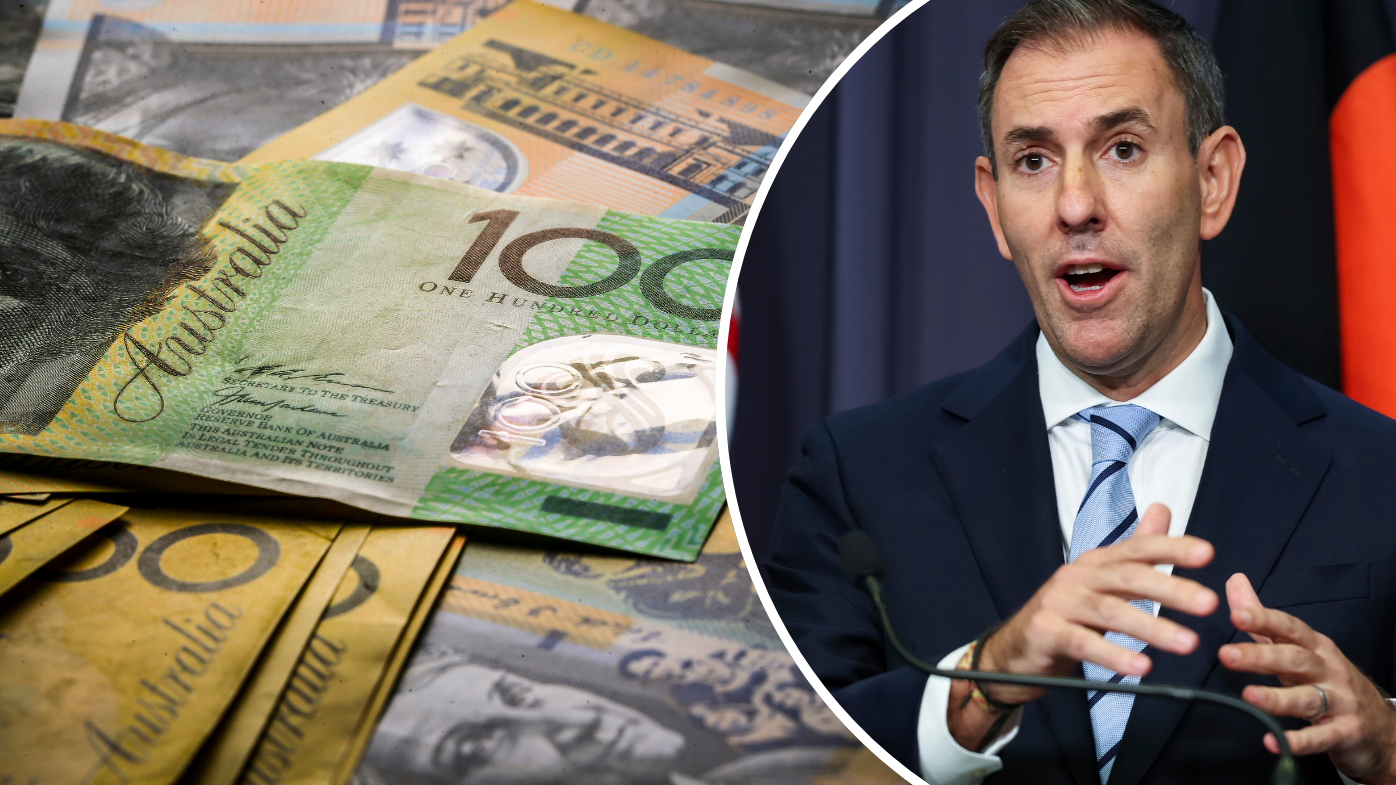
The federal government has dropped its two clearest hints to date it is preparing to wind back the capital gains tax (CGT) discount for property investors in the upcoming budget.
The federal government has dropped its two clearest hints to date that it is preparing to wind back the capital gains tax (CGT) discount for property investors in the upcoming budget.
Yesterday, two Labor senators endorsed a parliamentary inquiry's report into the controversial tax break, which found the discount's design is flawed, distorts investment, benefits investors over first-home buyers, and can drive intergenerational inequality.
And this morning, Treasurer Jim Chalmers left the door well and truly ajar when asked whether the May 12 federal budget would include changes to the CGT discount.
FINANCE: 'Global recession risk': The danger on the flipside of the RBA's rate hike
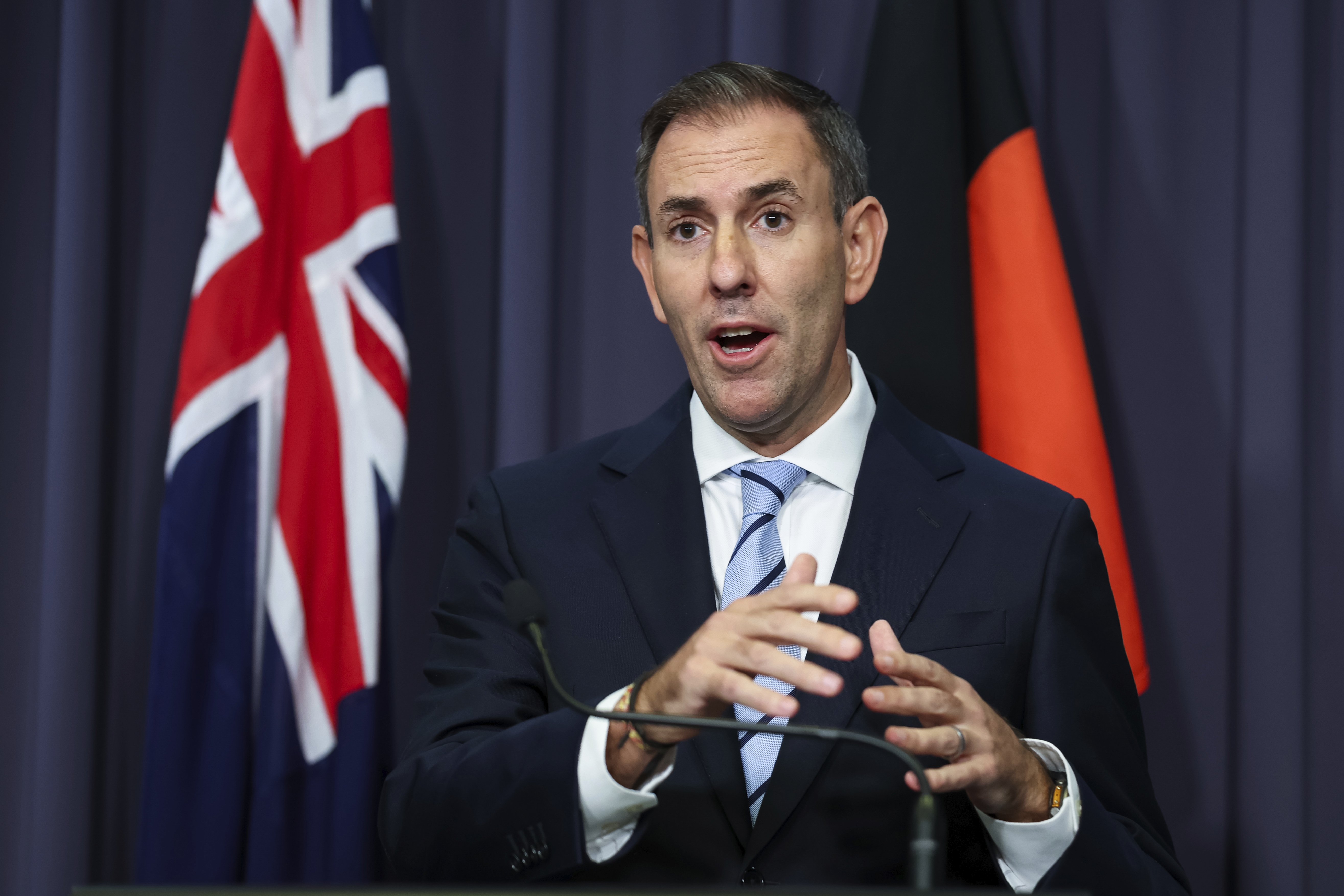
"We have made it clear that we are considering our options on tax," he told ABC radio.
"We have indicated publicly for some time now, really since the reform roundtable in (August) last year, that we have an open mind to tax reform if we can afford it… I've tried to be up front in saying that we are working up some options," he added.
"I'm not going to come out with what those options look like, but there's certainly some and there's certainly appetite for more tax reform if we can land it."
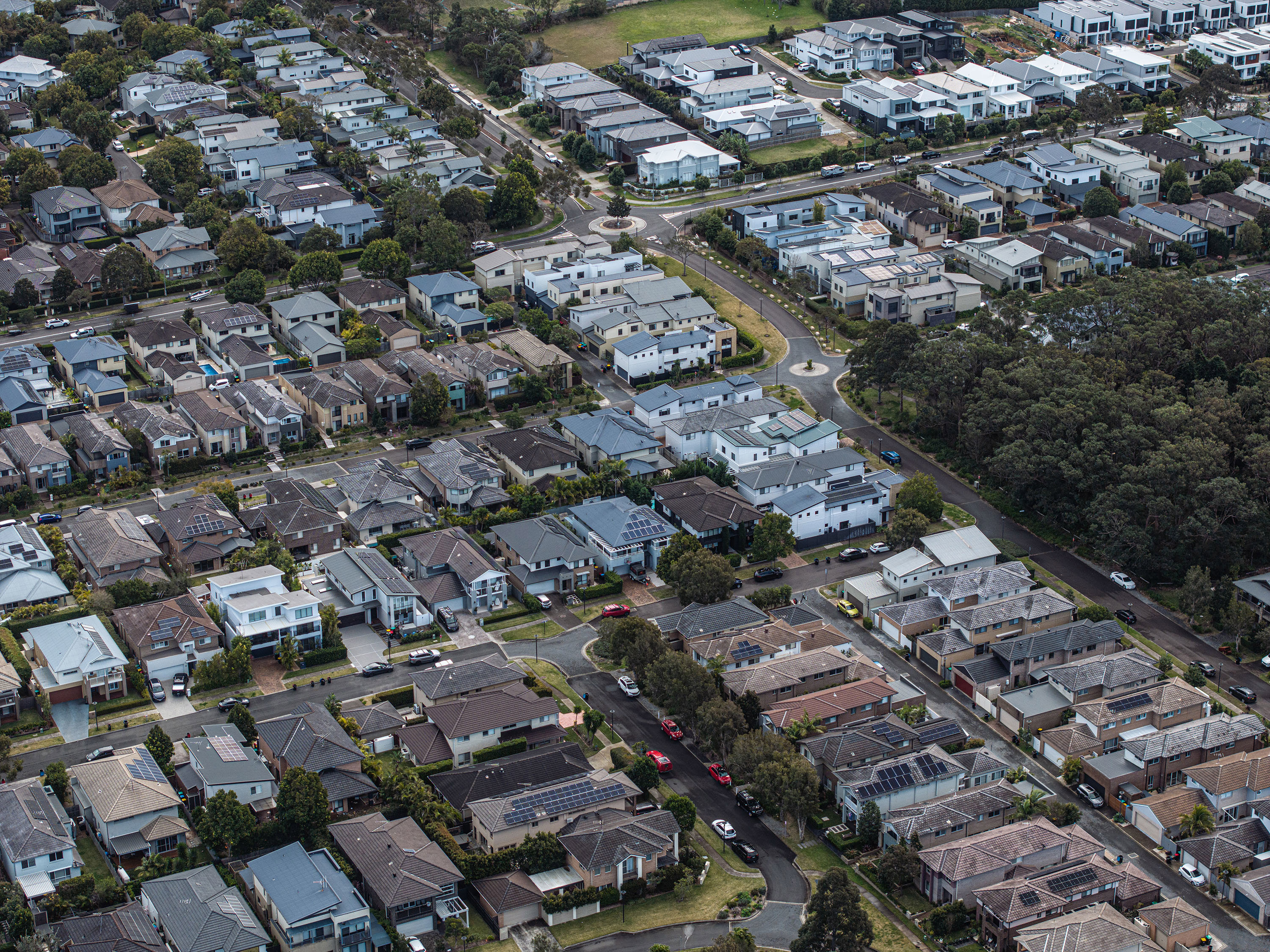
Introduced by the Howard government under then-treasurer Peter Costello in 1999, the CGT discount and negative gearing provisions have been blamed by critics for house prices surging out of reach for many working-class Australians.
At the same time, it has become an increasing drain on a federal budget that has since fallen into structural deficit.
BUSINESS: Australia's most valuable company names new CEO
"Revenue foregone as a result of the capital gains discount has risen from $860 million in 2000–01 to $22 billion in 2025–26," independent economist Saul Eslake told the committee.
"Or, if you like, from 1.1 per cent of total personal income tax collections to 6.1 per cent of total personal income tax collections over that 25-year interval."
Yesterday's Senate inquiry report made four findings which were endorsed by Labor MPs Richard Dowling and Ellie Whiteaker, although its recommendations differed from party-to-party.
Greens senator Nick McKim, who chaired the committee, made eight recommendations, including reining in the CGT discount and completely abolishing it for property investors.
"The combination of negative gearing and the capital gains tax discount has driven rampant property speculation and inflated house prices over the last 26 years," he wrote.
COST-OF-LIVING PAIN: Average Aussie household almost $75 a week worse off than six weeks ago

"This interaction has been cataclysmic for housing affordability."
He also said "grandfathering" – an exemption to changes for Australians who have already invested based on the current tax settings – should not be included in any reform.
Former Treasury Secretary Ken Henry, who authored a comprehensive but to-date unused blueprint to reform the tax system in the early 2010s, also argued against grandfathering to the committee.
"Grandfathering changes would exacerbate poor intergenerational outcomes," McKim said.
"To ensure a significant release of housing is made available for renters to buy, hard limits and a phase-out of existing arrangements must be part of any negative gearing and capital gains tax reforms."
RADIO DRAMA: 'I don't accept it': Kyle Sandilands reveals contract terminated by ARN
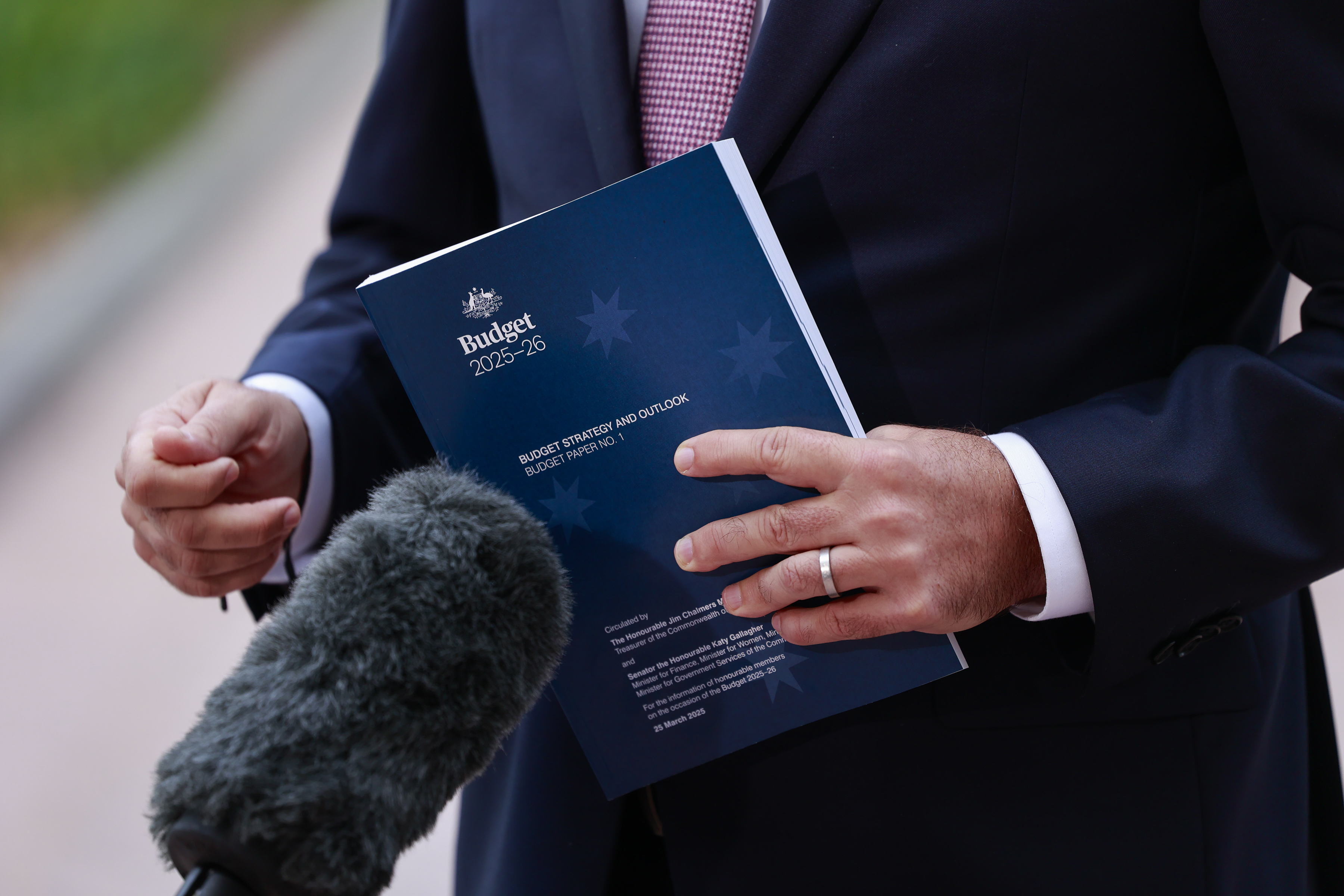
Labor's senators, though, didn't propose any specific reform, instead recommending tax changes be considered as one element of an overall policy approach to the housing crisis.
Dowling and Whiteaker also said tax reform should deliver a "fair go" for working and young people, address intergenerational inequality, incentivise business investment, and make the overall system "simpler and more sustainable".
The two Liberal senators on the committee, though, argued vehemently against changes to the CGT, saying a lack of supply was the driver of the housing crisis and labelling McKim's report "simplistic and one-dimensional".
"Supply of housing has collapsed in Australia as the population has surged," senators Andrew Bragg and Dave Sharma wrote.
"Supply is at the heart of the housing crisis, as repeatedly stated by representatives from the housing sector during the hearings."
FROM THE ARCHIVES: What is negative gearing and why are calls to change it so controversial?
Rumours of the government making changes to Australia's generous tax incentives for property investors in the May budget have been growing since the start of the year.
Senior ministers, including Chalmers and Prime Minister Anthony Albanese, have repeatedly turned down the chance to rule out changes following reports of Treasury modelling CGT discount reductions and limiting negative gearing to two properties.
This morning, Chalmers insisted no decision has been made.
"The big focus on tax policy is rolling out income tax cuts," he said.
"We haven't changed our policy beyond that, we haven't taken any decisions…
"At the end of the day, they will be decisions for the cabinet. I don't want to pre-empt those decisions or those discussions and deliberations."
The treasurer is due to give a major budget preview speech in Melbourne tomorrow.
NEVER MISS A STORY: Get your breaking news and exclusive stories first by following us across all platforms.
- Download the 9NEWS App here via Apple and Google Play
- Make 9News your preferred source on Google by ticking this box here
- Sign up to our breaking newsletter here
 Dire warning about war's impact in Australia
 Chilling prediction of 'slaughter' in diplomatic cables
 NSW government paid $700 to get serial killer out of home with foster children
 Ex-NRL star has 'come to Jesus' moment after alleged attacks on teen and cop
 Australian troops safe after Iranian missile strikes near UAE base
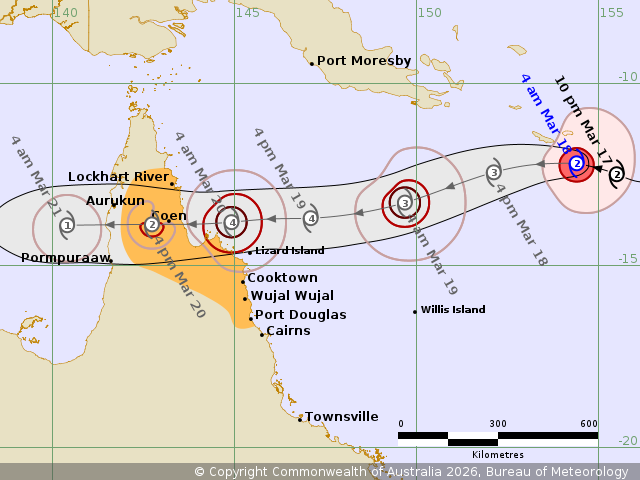 Premier says window to act is closing as Far North Queensland braces for wave of destruction
 Australia's most valuable company names new CEO
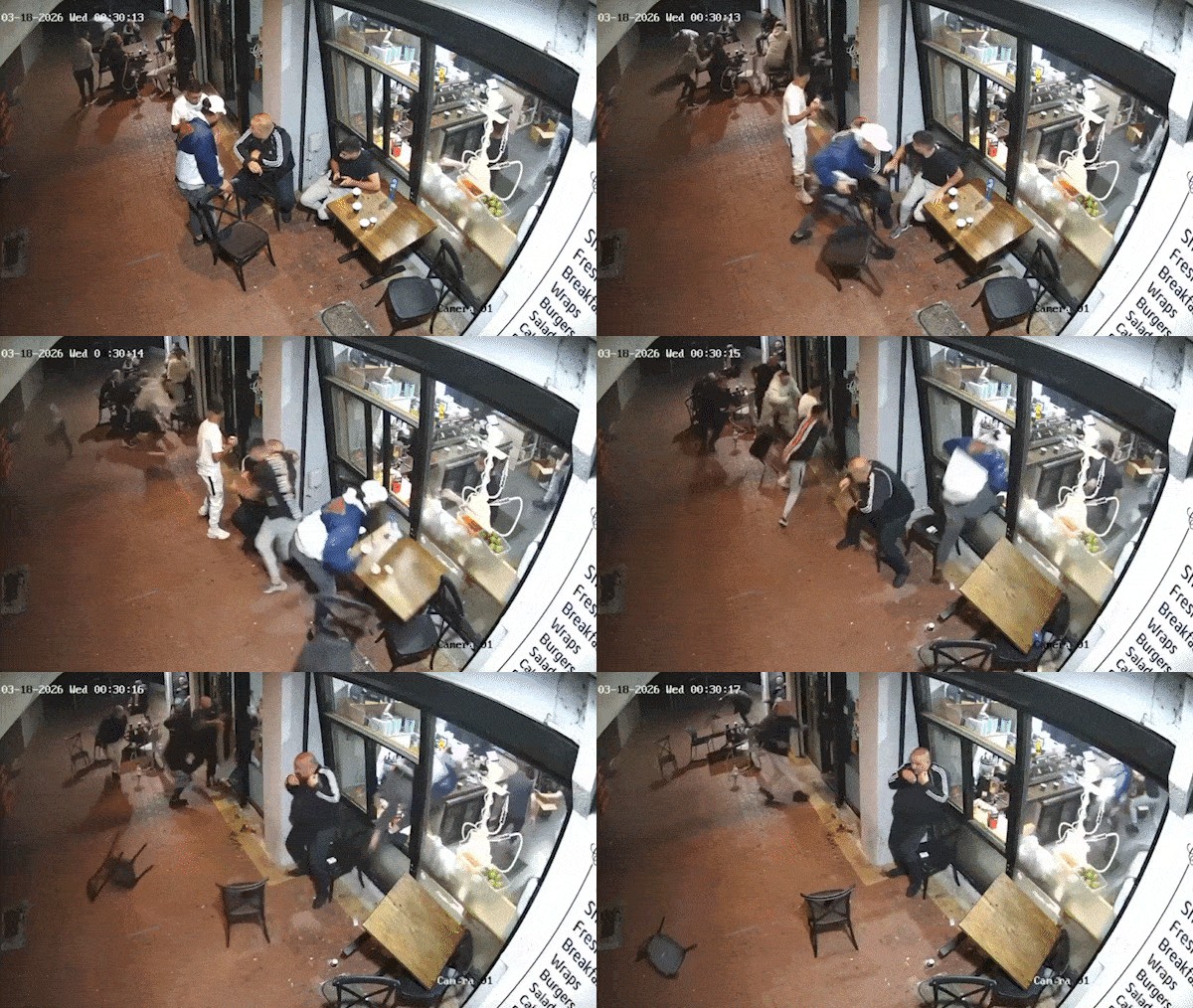 CCTV captures the moment man shot outside Melbourne cafe
 Top tip to save on fuel in Australia's fuel crisis
 Trump berates allies as he finds himself alone on Iran war
 Couple's $800 headache at the bowser as price hikes hurt caravan owners
 'Global recession risk': The danger on the flipside of the RBA's rate hike
 Average Aussie household almost $75 a week worse off than six weeks ago
 Man charged after ute filmed screaming down Melbourne street on rims
 The Reserve Bank has hiked interest rates again. How much will this cost me?
 Alleged Bondi shooter's family 'fearful' and at risk of being killed, court told
 Woman charged with murder a month after woman found dead in Ipswich home