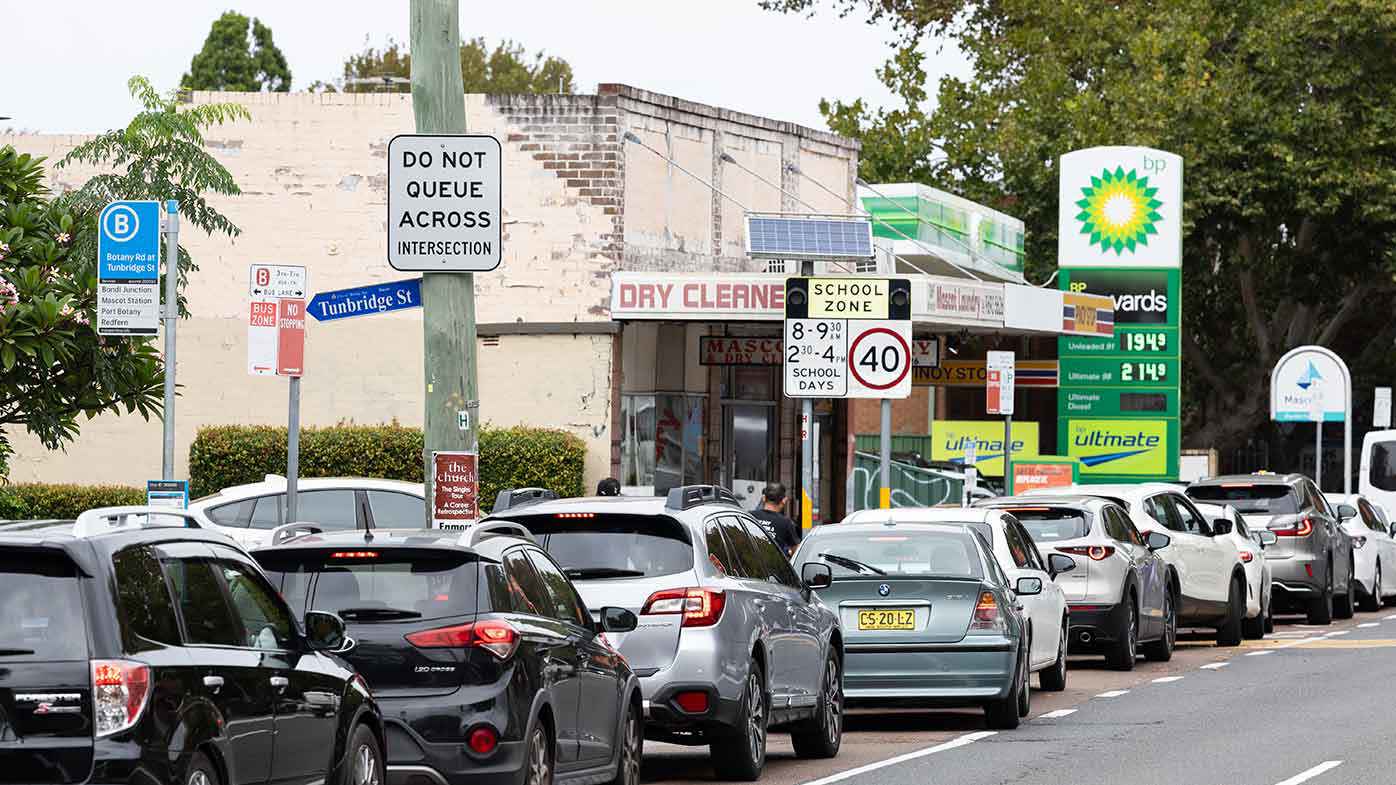
The government has been assuring Australians that the country is not going to run out of petrol in spite of the crisis in the Middle East.
The government has been assuring Australians that the country is not going to run out of petrol in spite of the crisis in the Middle East.
Today, Energy Minister Chris Bowen said fuel reserves were "steady compared to last week".
"We have received all our expected shipping of petrol and diesel, that our refineries continue to work, and indeed, the supply of petrol has been secure, and has been just as expected," he said, urging Australians not to panic-buy the stock.
READ MORE: Aussies could face $4400 fine over 'dangerous' jerry can act
Bowen said right now Australia has 1.6 billion litres of petrol, 2.7 billion litres of diesel and 800 million litres of jet fuel.
This translates to 37 days worth of petrol, 30 days of diesel and 29 days of jet fuel.
"What we have seen, is real and unacceptable shortages in rural and regional areas in particular, as we've been dealing with a massive explosion in demand," Bowen said.
As some drivers are turned away from service stations and prices go through the roof, there's plenty of cause for concern.
Independent economist Saul Eslake told nine.com.au Australia probably won't run out of petrol.
But the circumstances are different from the Gulf Wars or the Russian invasion of Ukraine, which also caused prices to spike.
"I don't think it will. But the probability is not zero," he said. "It's higher than it was in 2022, in 2004 and 1991."
Yesterday the government released up to 20 per cent of the baseline minimum stockholding obligation for petrol and diesel, targeting areas experiencing local supply disruptions.
"This is on top of other actions including temporarily amending fuel quality standards and supporting ACCC authorisation so fuel companies can coordinate supply and unlock bottlenecks," Bowen said.
"We will keep acting to support communities and keep Australia moving."
Australia has two oil refineries - in Brisbane and Geelong - which remain open with the help of federal government subsidies and a new deal on those could be announced as early as next week.
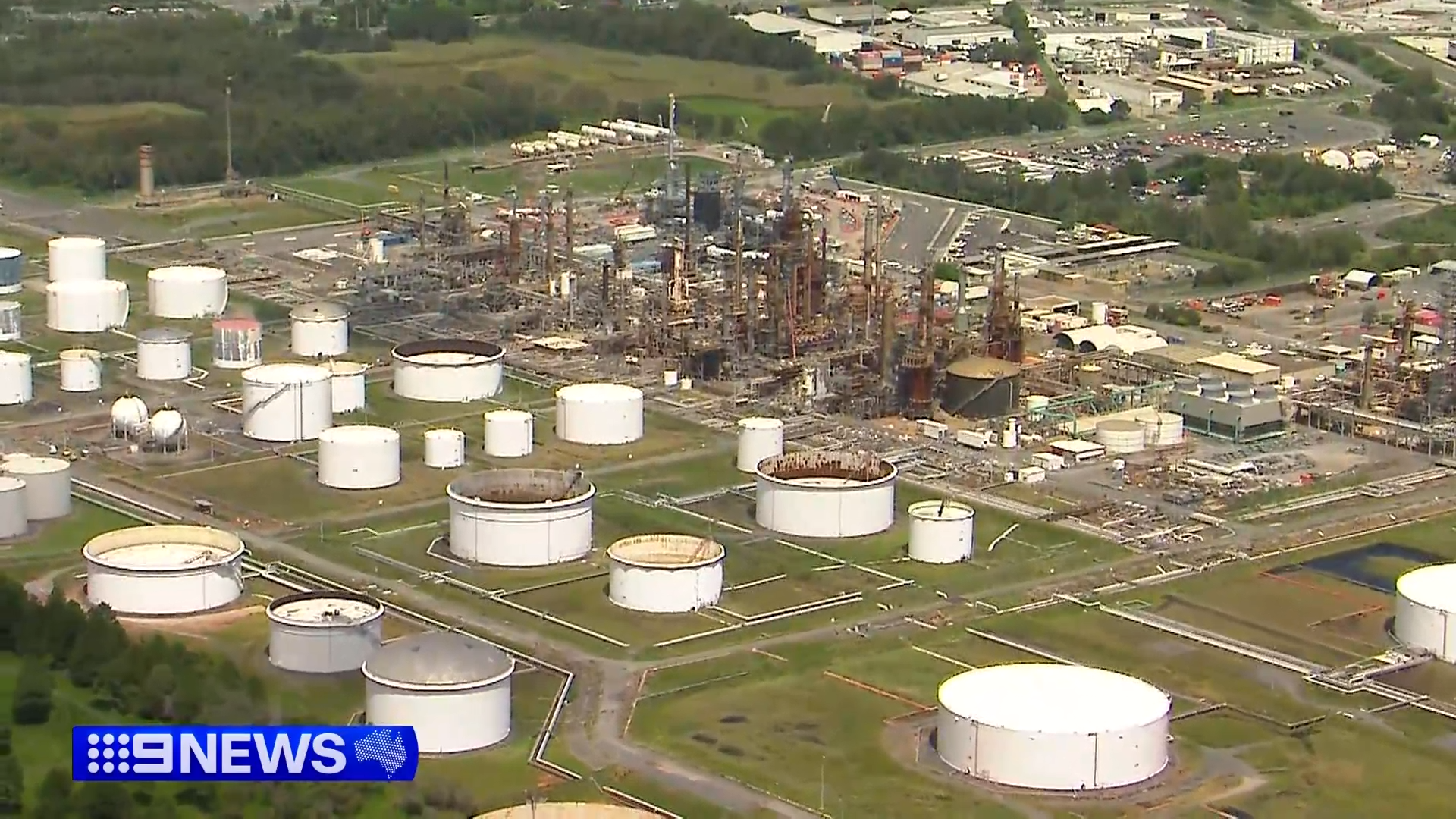
"We will not see a refinery close under the Albanese Government," Bowen vowed.
But, the closure of six domestic oil refineries in the last 20 years, means Australia imports 90 per cent of its oil needs.
And, with ships still held up by Iran in the Strait of Hormuz, the countries we rely on are also struggling to meet their own supply.
Most of Australia's fuel comes into the country already refined, practically none of it directly from the Persian Gulf region.
South Korea sold us $12.75 billion of petrol (including diesel). Another $8.5 billion came from Singapore.
More refined petroleum came from Malaysia, India, Taiwan, China, Brunei and Japan. Only a few hundred million dollars worth came from the United Arab Emirates (UAE), and even less from Oman.
But where those refiners get their oil from might worry Australians looking to fill up.
Most of the oil South Korea refines for sale to Australia comes from the Middle East.
That includes Saudi Arabia, Iraq, the UAE, Kuwait, Qatar and Oman.
READ MORE: Supermarket pain for shoppers as inflation nears record high
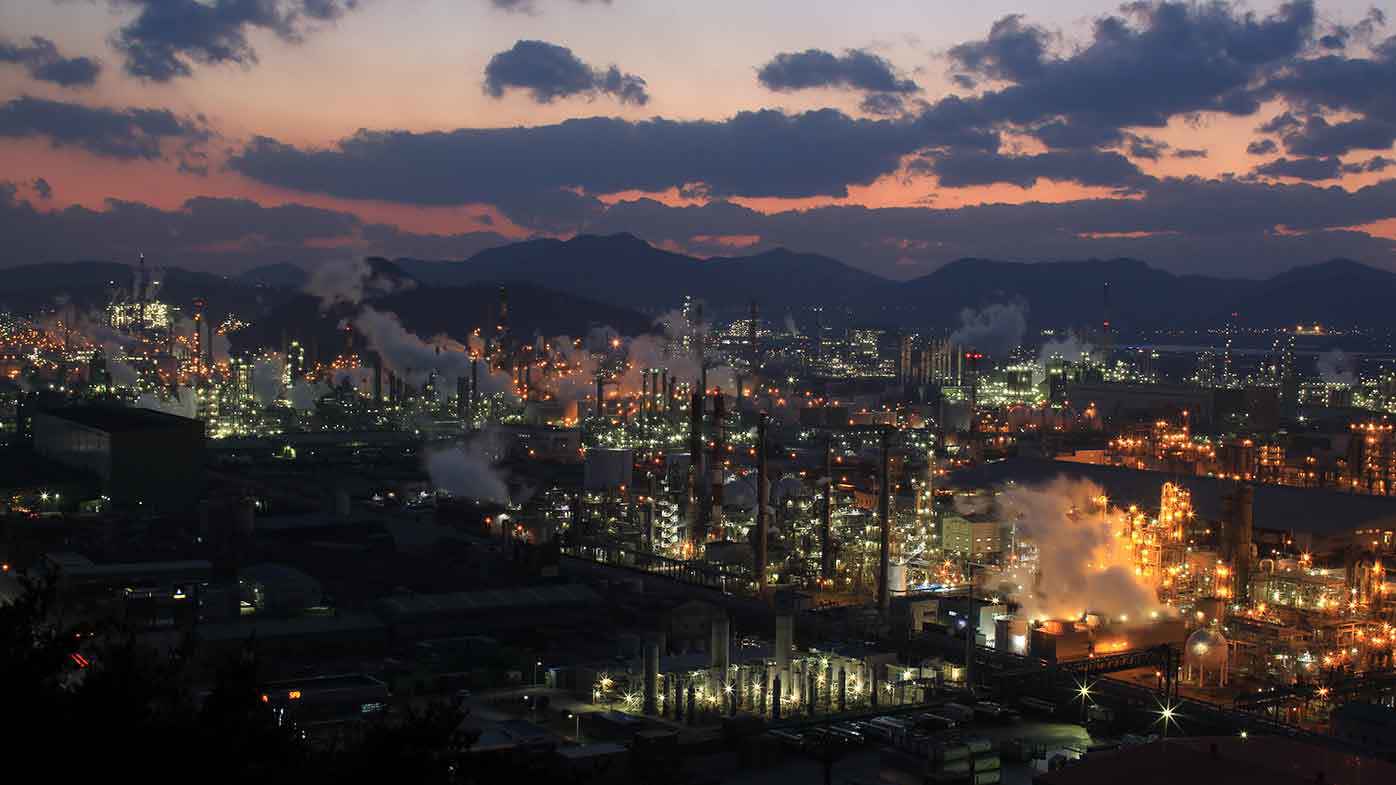
More than a third of Singapore's oil is sourced from Arab nations.
In 2024, Australia imported $7 billion of crude oil.
But very little of that is coming from the Strait of Hormuz.
The largest chunk of oil comes from Malaysia, based on 2024 data. More comes from Vietnam, Brunei and the United States.
Only six per cent comes from the UAE. No other Arab states sold oil directly to Australia that year.
Australia also exports almost as much crude oil as it imports.
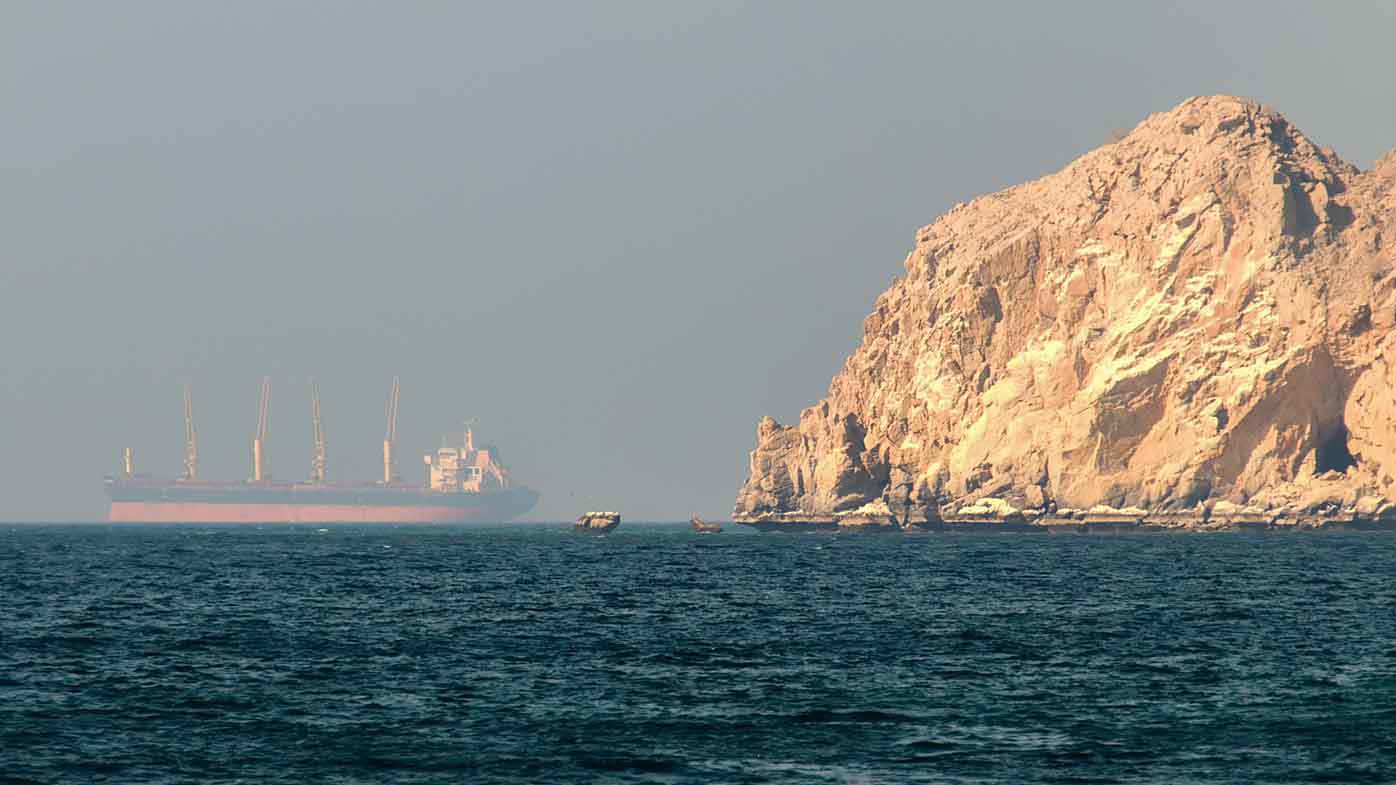
AMP economist My Bui said she wasn't too worried about Australia running out of petrol.
"We export a lot of crude oil, and we have to import a lot of our refined petrol from Asia," she said.
"But in terms of energy, we are actually a net energy exporter because of LNG and coal."
Eslake flagged another potential concern for Australia's fuel supply.
A large proportion of Australia's strategic reserve isn't kept domestically, but in the United States.
"If that reserve is needed by the United States, they'll take it," Eslake said.
"One of the other hallmarks of the Trump administration is that they don't give a rat's ass about their traditional allies."
READ MORE: Epstein files involving uncorroborated claim about Trump published
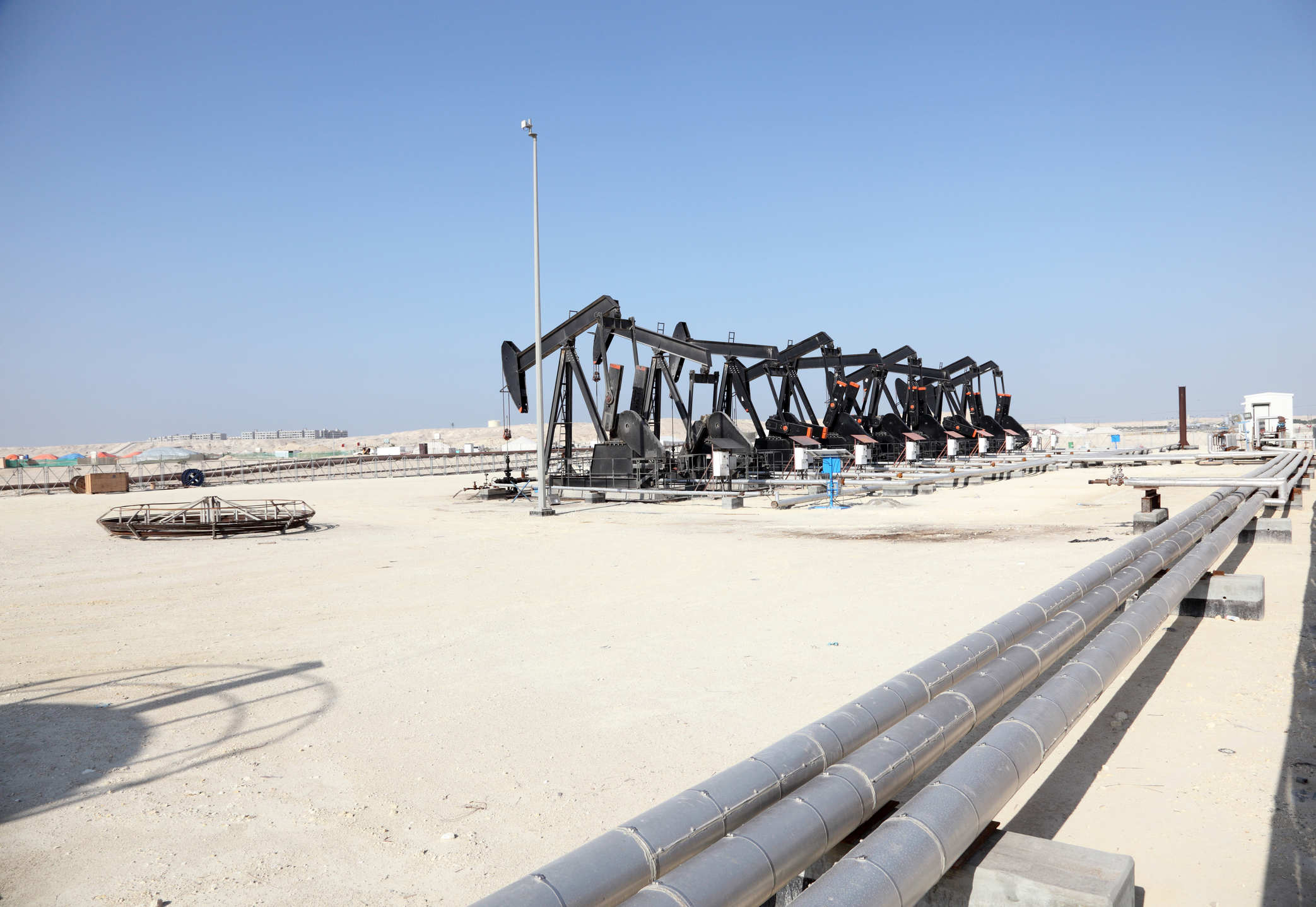
Simply halting those exports to guarantee local supply wouldn't necessarily solve the problem.
Australia exports its crude oil and imports refined oil because it's cheaper to do so.
Australia does not have the capacity to refine all the oil it needs into diesel and petrol. Upping our refining capacity would lead to even higher prices at the pumps.
But having enough petrol in the country won't necessarily mean prices will go down.
Because of the global market, a barrel of oil in the Middle East will sell for the same price as one in Australia.
READ MORE: Trump has been giving the Iranians the boot. Now he demands asylum
NEVER MISS A STORY: Get your breaking news and exclusive stories first by following us across all platforms.
- Download the 9NEWS App here via Apple and Google Play
- Make 9News your preferred source on Google by ticking this box here
- Sign up to our breaking newsletter here
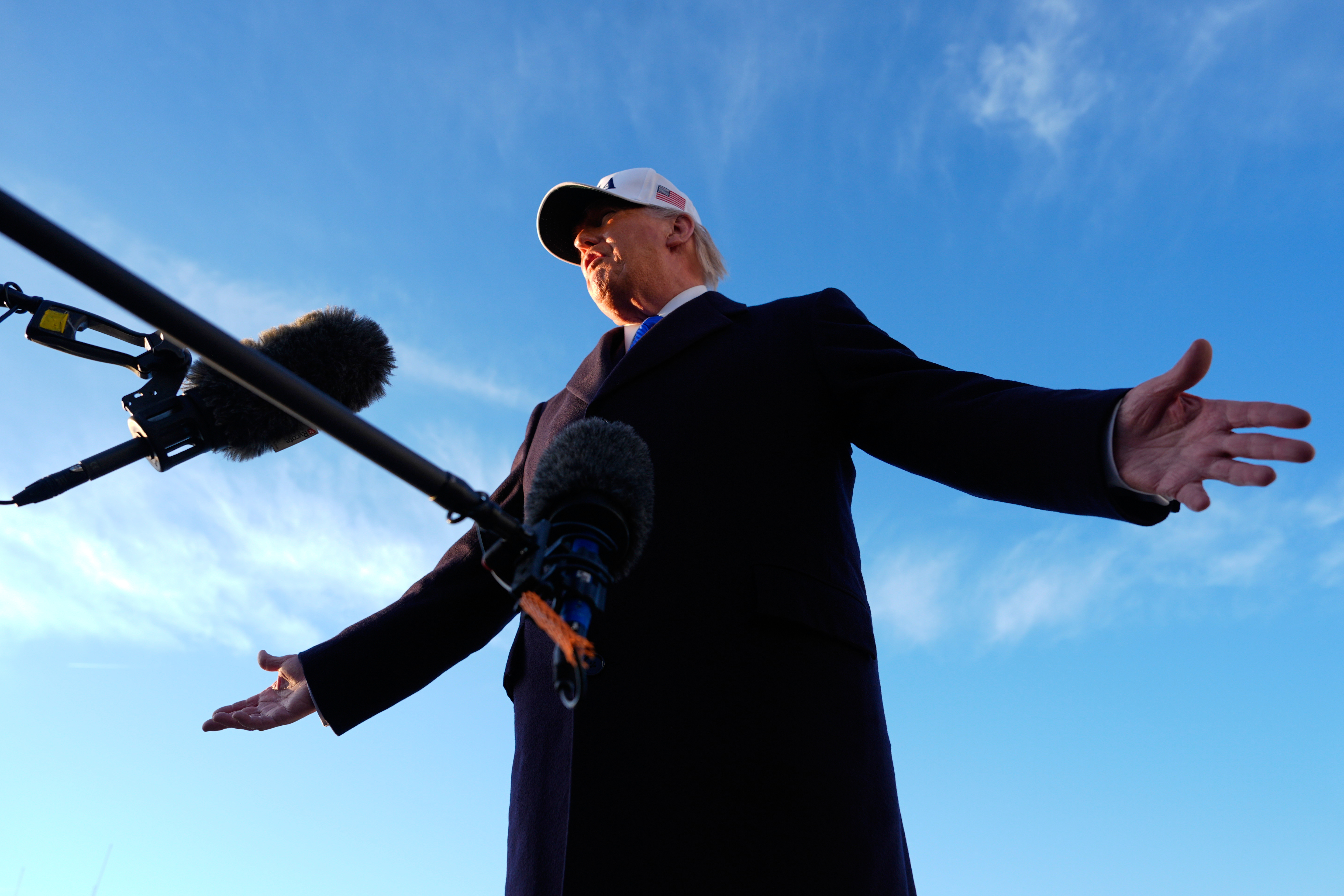 Trump issues cry for help to other nations to keep oil flowing
 Three more Iranian footballers backflip on decision to stay in Australia
 Legendary Australian chef hailed a 'visionary' following death at 59
 Experts say worse to come after 23,000 jobs gone in mere months
 Students feel like cash cows after government quietly hikes fees by thousands
 Iran directly threatens neighbouring country for first time in three week war
 Aussies avoiding soaring airfares to cop the $25 sting at the bowser
 Man in ICU after brawl at Melbourne pizza shop
 'My beautiful boy': Mother attends vigil for son allegedly murdered at station
 Photo surfaces of Jeffrey Epstein alongside ex-ambassador and disgraced prince
 Albanese says risk of fine 'worth it' as Johnston makes NRL history
 Jackie O reportedly considering taking legal action against employer
 New feature lets everyday Aussies make cash on TikTok
 Leather-clad Kim shows off his 'excellent' small gun arsenal
 Aussie expats have been told to fly home now. But Jess is staying in Dubai
 Jessica's family trip was ruined over a 'distressing' citizenship revelation