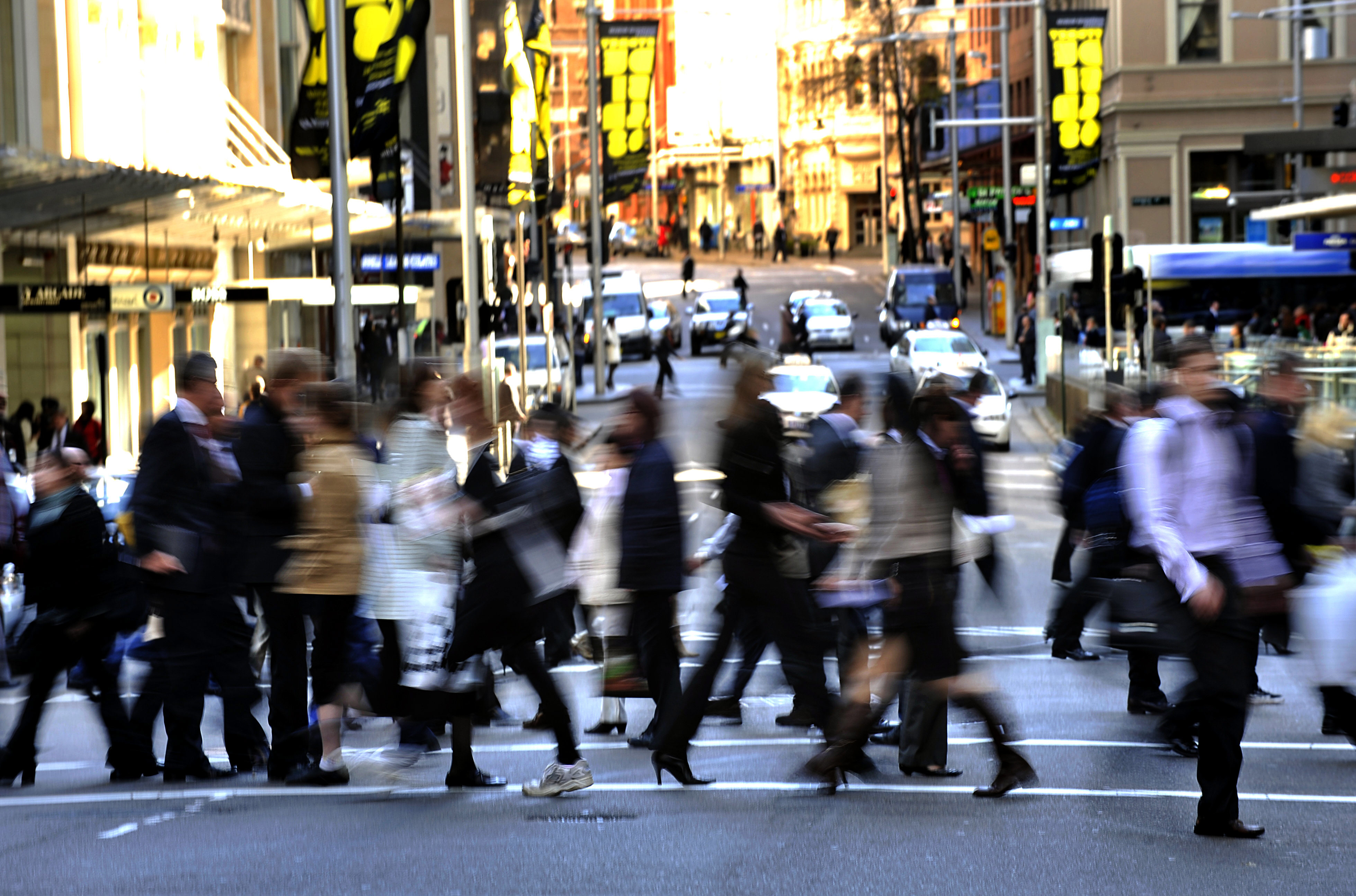
The sluggish economy has put a brake on job creation in Australia, leaving a huge chunk of the workforce paying the price.
For 12 consecutive months the number of Australians either jobless or underemployed has totalled more than 3 million, according to a new study.
Market research company Roy Morgan has crunched the figures on people out of work or seeking more employment over the past year and found Australia's economy is struggling to create jobs.
Last month the country's 'real' unemployment rate - a percentage of the workforce both employed and unemployed - was virtually unchanged at 1,628,000, or 10 per cent of the workforce.
READ MORE: Unemployment remains steady at 4.3 per cent
But factoring in 'shadow' workers - freelancers and part-time staff - shows a further 1.7 million are hungry for more work.
Roy Morgan estimates for last month show overall unemployment and under-employment increasing 54,000 to 3,337,000, equivalent to 21 per cent of the workforce.
Chief executive Michele Levine says combined unemployment and under-employment is continuing at level of 3.3. million.
"A look at the employment market over the last year shows little change in the overall picture with employment down from a year ago by 91,000 to 14,339,000," she said.
"Full-time employment is down 64,000 to 9,203,000, and part-time employment is down 27,000 to 5,136,000 from a year ago indicating the economy has struggled to create new jobs over this period."
READ MORE: Skydiver's narrow escape after parachute deployed early
Levine says the low level of productivity in the economy is stifling growth and leading to the labour market stagnating.
Figures released today by the Australian Bureau of Statistics showed the seasonally adjusted unemployment rate was steady at 4.3 per cent in November - roughly in line with market expectations.
The number of unemployed and employed people fell in November, by 2000 and by 21,000 respectively.
The underemployment rate rose by 0.4 percentage points to 6.2 per cent in November.
This was 0.1 percentage points higher than November 2024, and 2.6 percentage points lower than March 2020.
Sign up here to receive our daily newsletters and breaking news alerts, sent straight to your inbox.
 The influencer act that could ban Aussie tourists
 Man arrested over alleged murder of Adelaide father-of-two
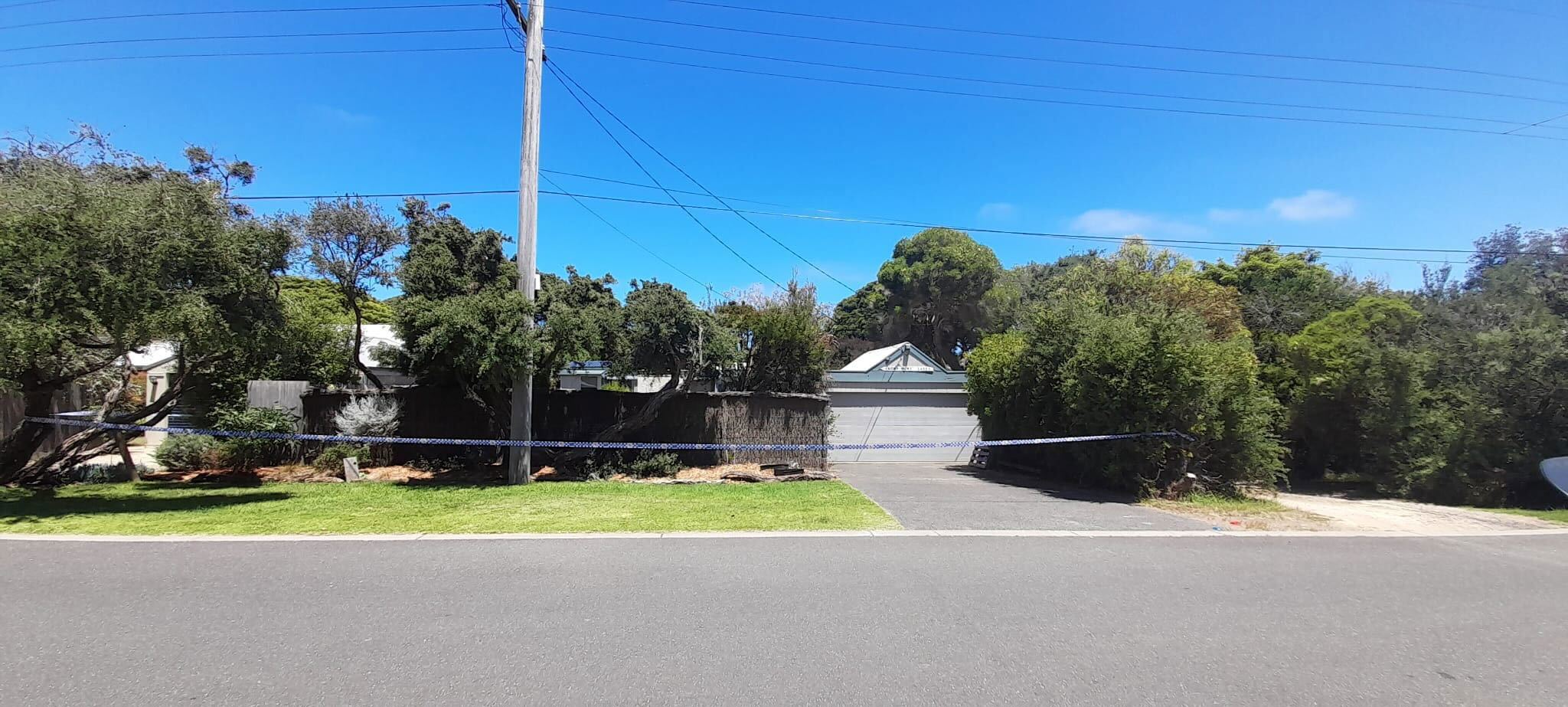 Man critically wounded, another arrested after shooting in Victorian beach town
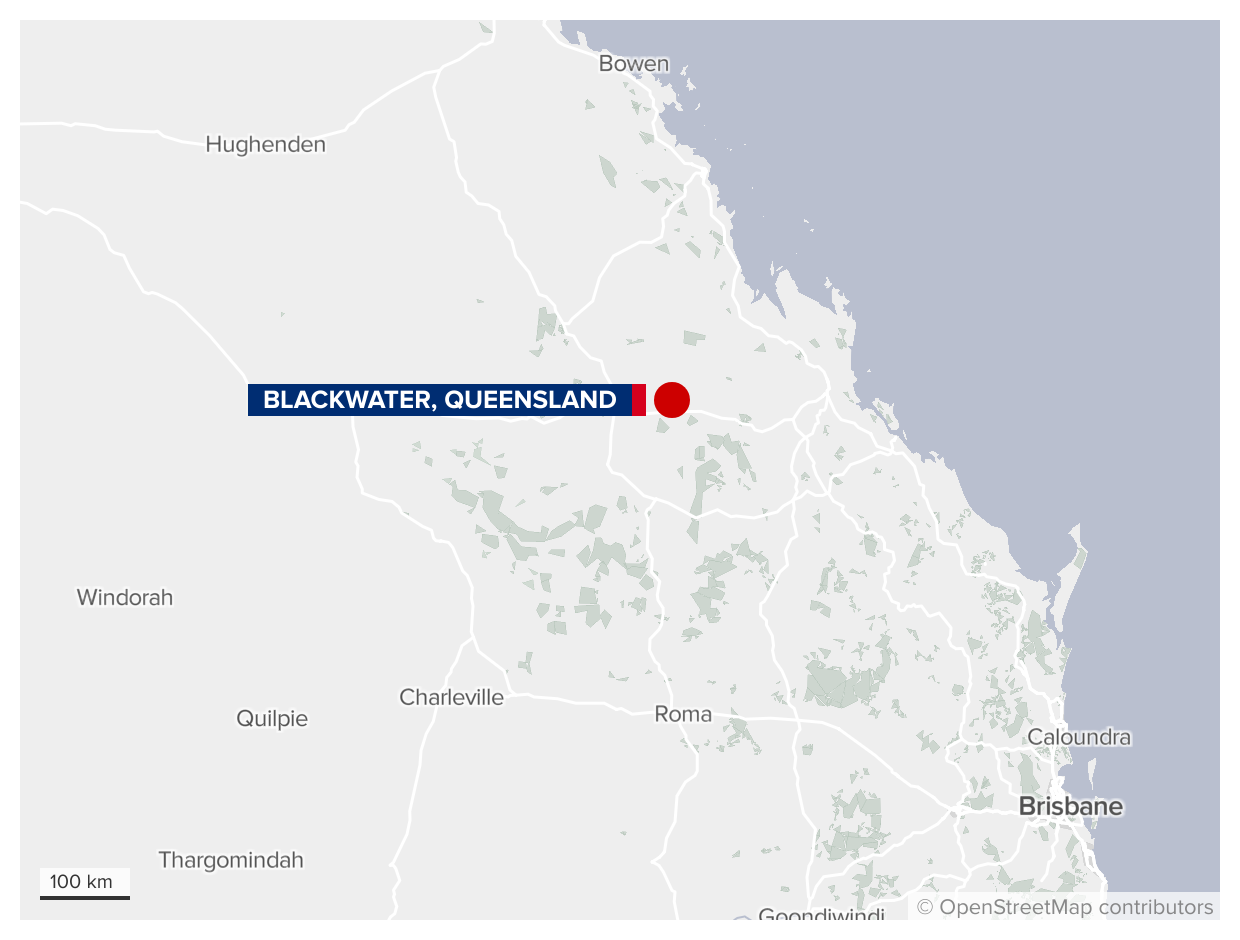 Massage therapist accused of rape and sexual assault hit with 40 more charges
 Burglar found guilty of raping NSW aged-care resident
 Trump's latest move in Venezuela about 'regime change': senator
 Shocking footage shows woman targeted in teen shopping centre brawl
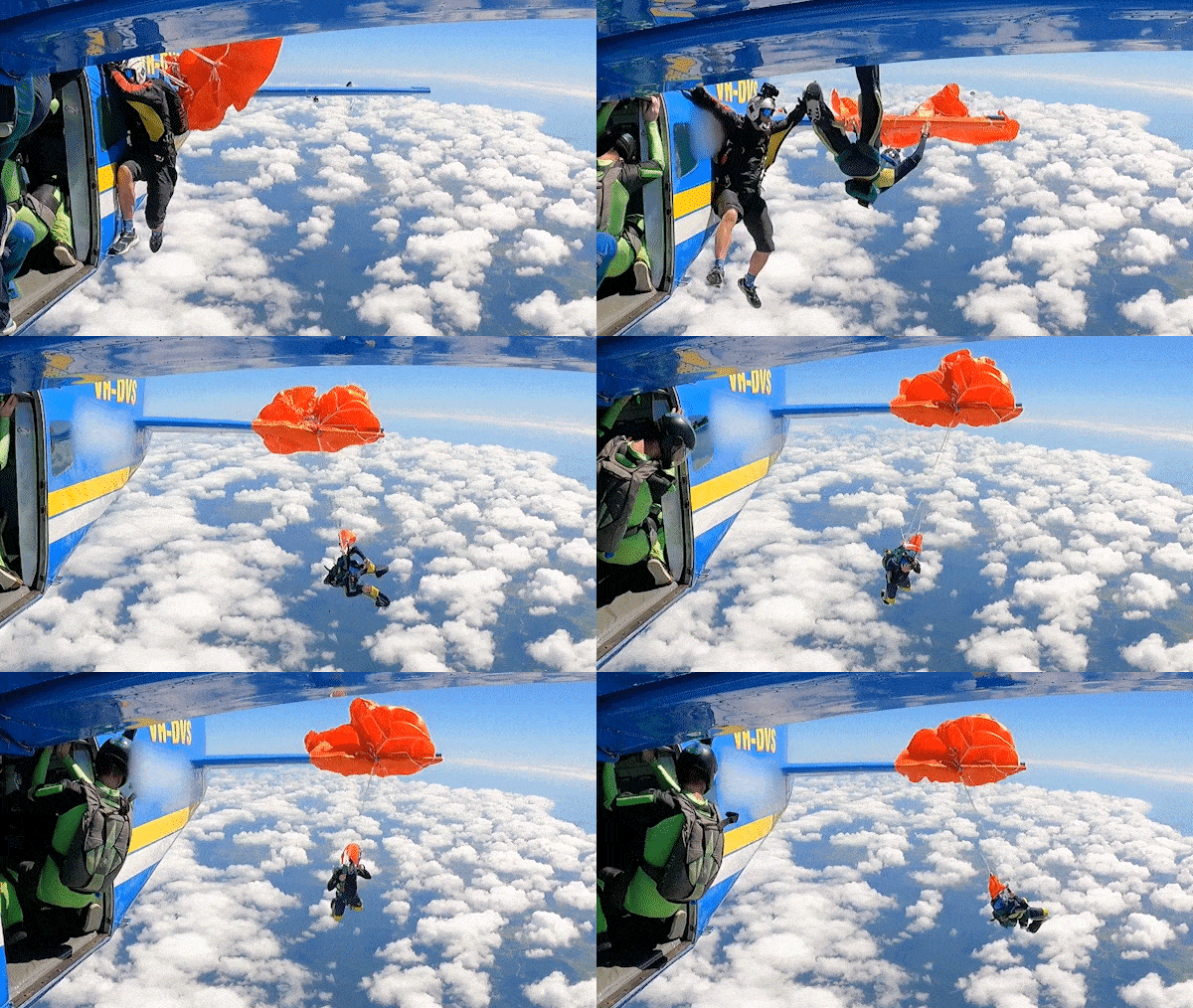 Skydiver's narrow escape after parachute deployed early
 Painstaking detail hidden in Queensland family's Christmas display
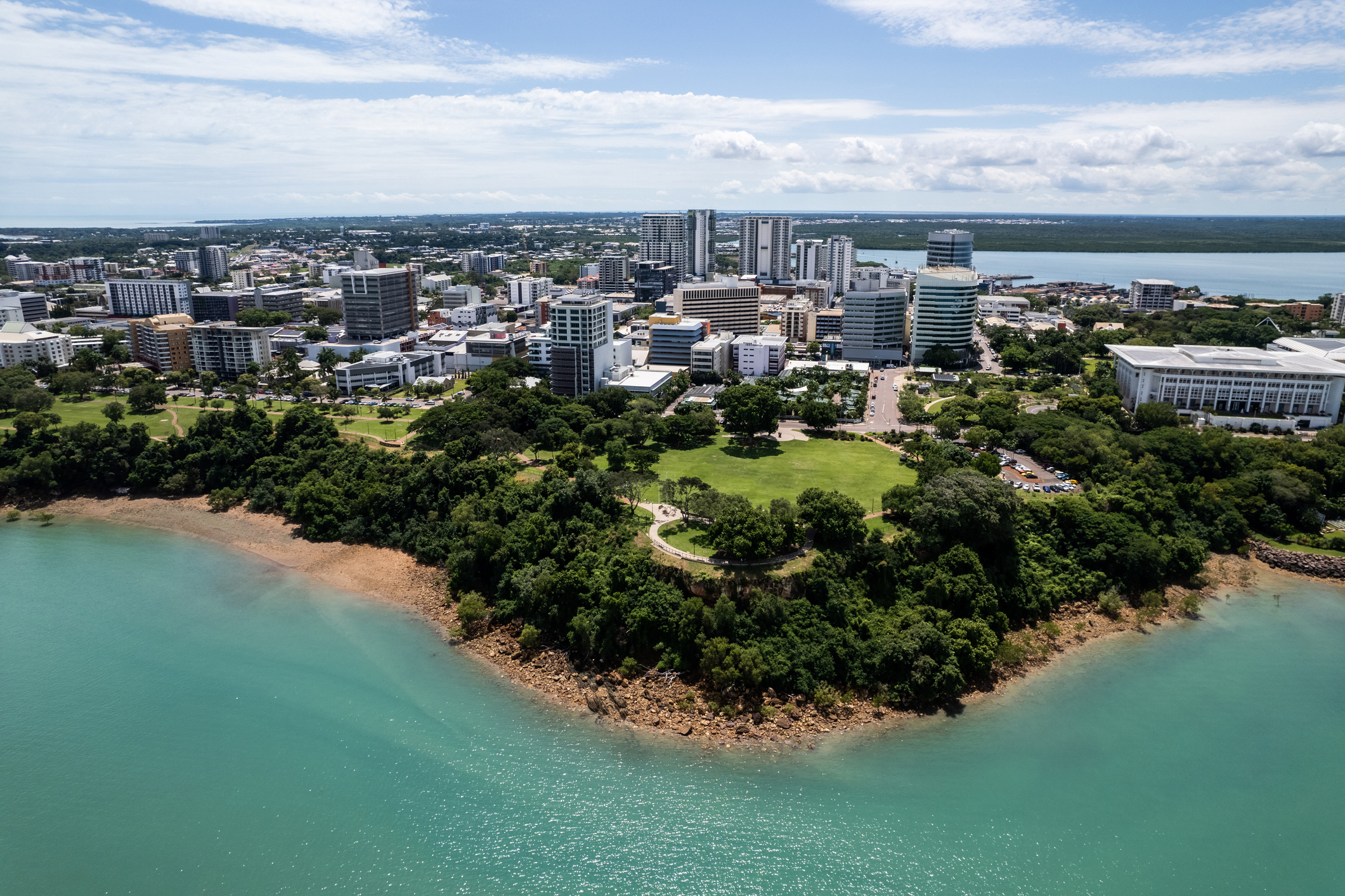 One city set to swelter on Christmas Day
 Jewellery chain collapses into administration
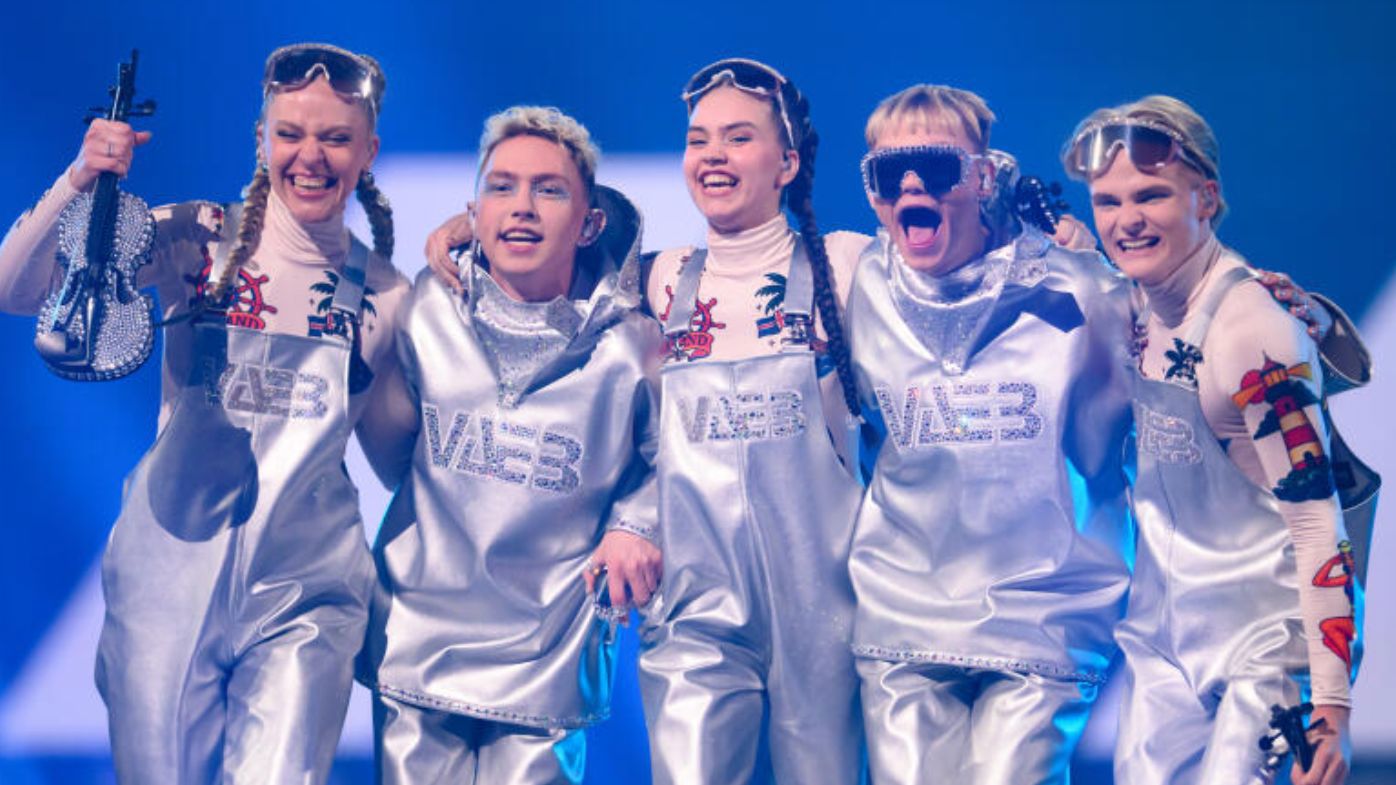 Iceland joins countries boycotting Eurovision
 Millions warned to expect severe storms, damaging winds
 US plans social media check on Australians and other visitors
 Underwater 'storms' are eating away at Antarctica's Doomsday Glacier
 Sophie Kinsella, author of best-selling 'Shopaholic' novels, dies at 55
 Christmas trading hours 2025: When stores are open on Boxing Day and over the New Year
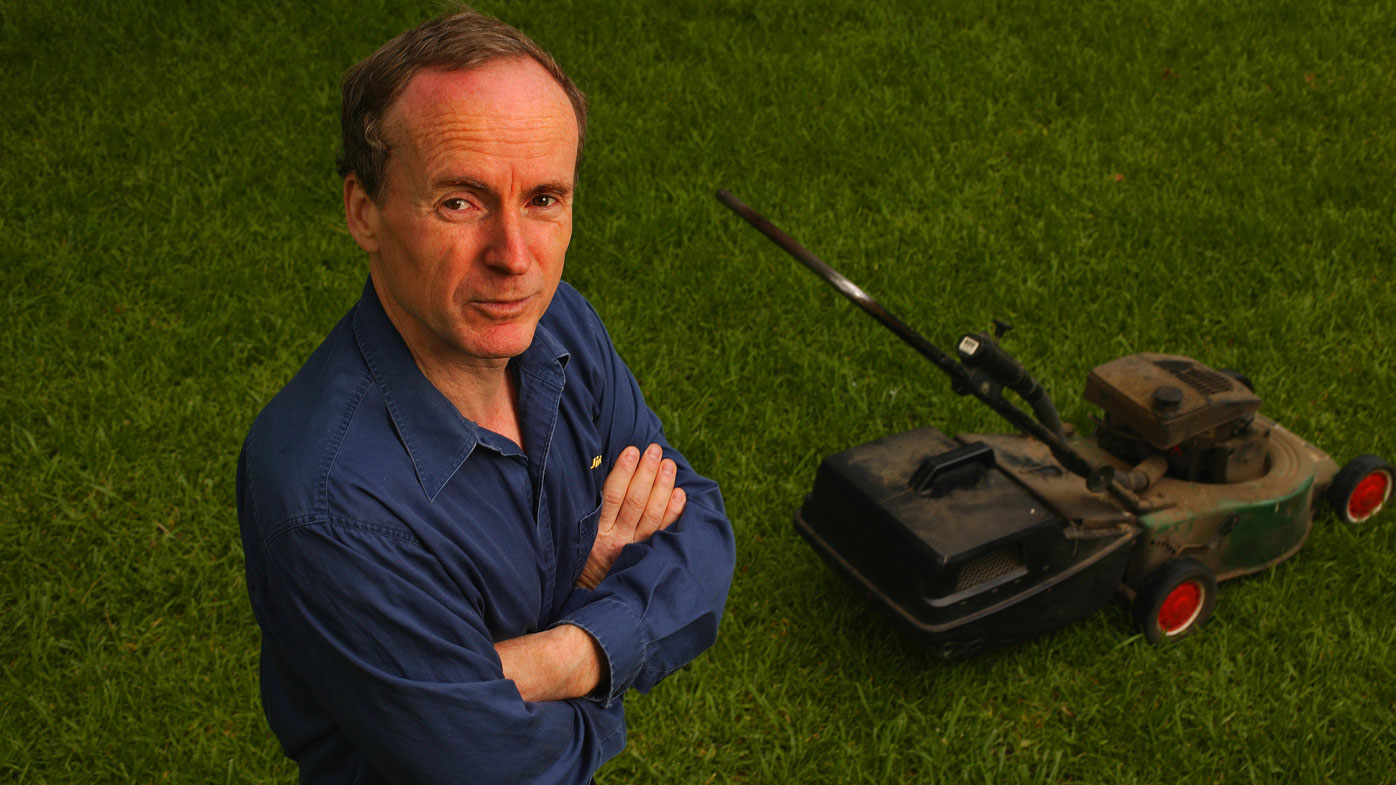 Jim turned $24 and a lawnmower into a billion dollar business
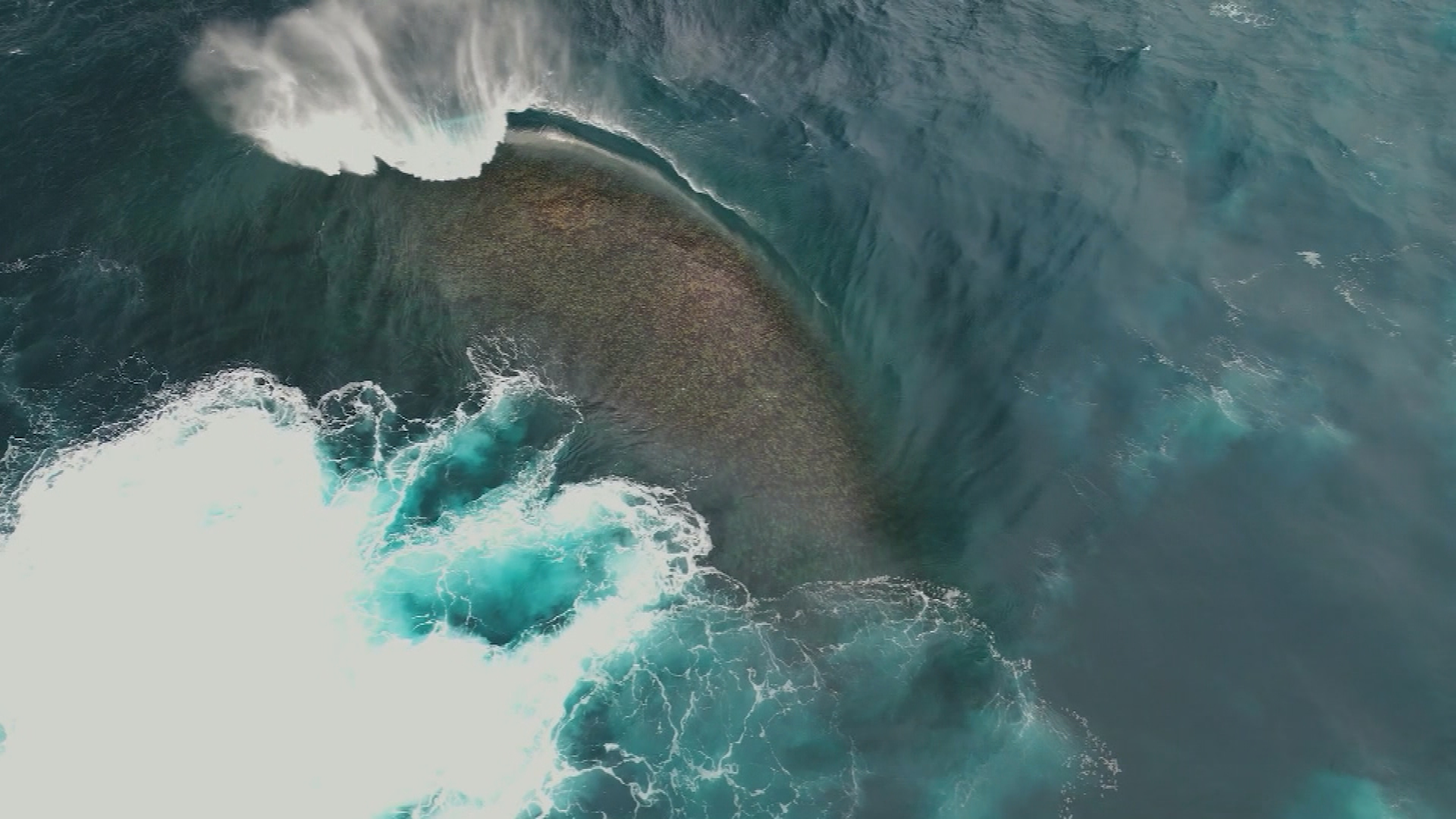 'Freak of nature': Unique ocean spectacle filmed off WA coast goes viral online