The opportunity to get out of the war in Iran is "narrowing". A longer conflict looks more likely.
Australia would suffer a sharp recession under a prolonged war in Iran, according to an Oxford Economics report released as US President Donald Trump declared plans for three more weeks of intensified attacks.
The report ran a scenario where the global conflict continued and kept the Strait of Hormuz disrupted for six months, finding world growth would slow by 1.2 per cent and oil prices would rise above $US150 ($218) per barrel.
This would push global inflation to 7.7 per cent, near the 2022 peak.
READ MORE: Expert reveals whether Aussies will need to ration fuel
While this scenario would be temporary and eventually ease, the report found it would push the Australian economy into a "sharp recession".
This would see GDP, the indicator for economic growth, fall 1.1 per cent by September.
"Excluding the pandemic, this would be the sharpest quarterly fall since the early 1990s," economist and report author Harry McAuley wrote.
Industries with the highest reliance on fuel, like transport, manufacturing and mining, would suffer the most.
The report noted that the opportunity for de-escalation of the war in Iran was "narrowing", with a prolonged conflict becoming increasingly likely.
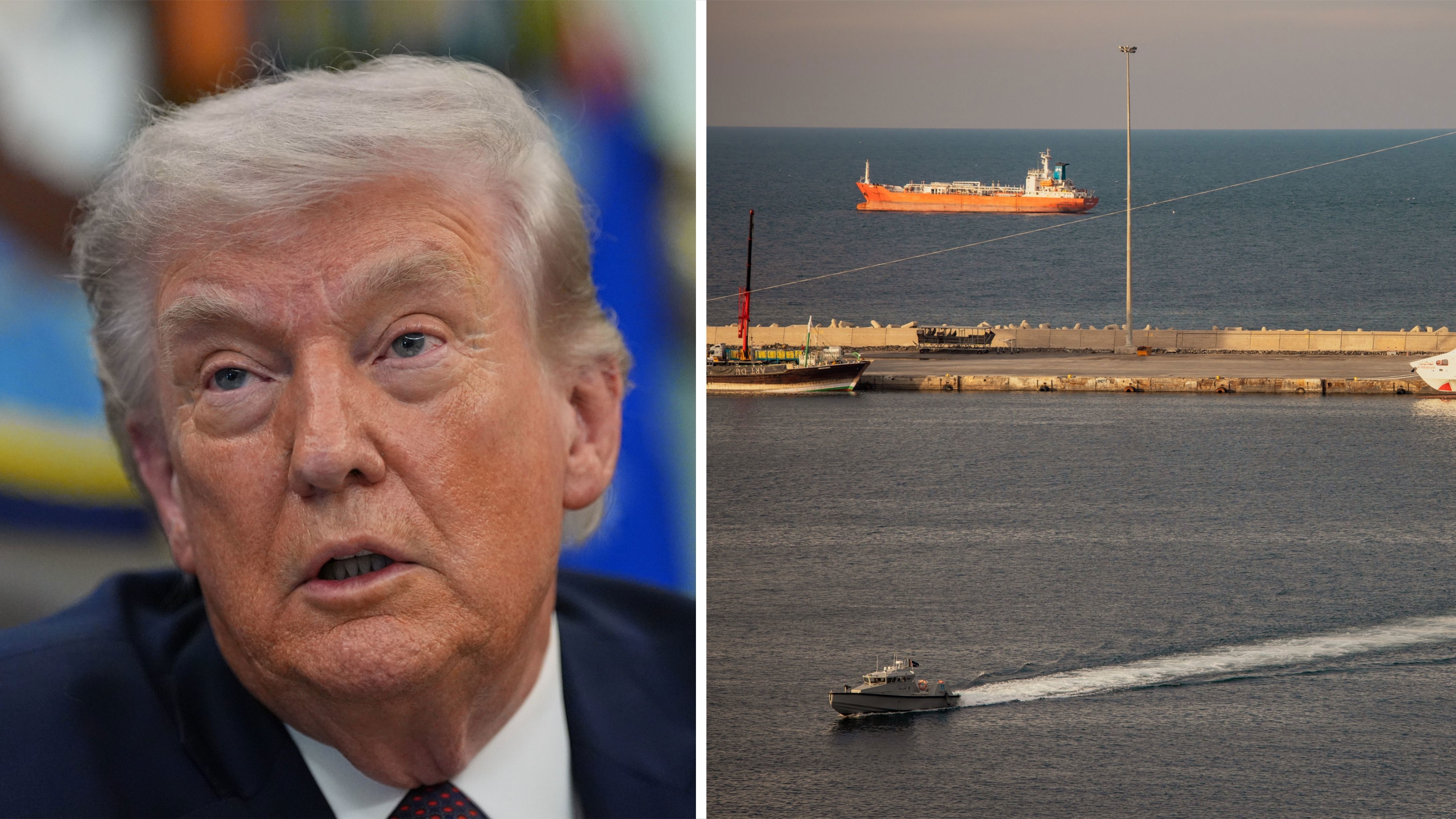
Trump used his national address today to declare that war operations in Iran will intensify over the coming two to three weeks.
He also appeared to wash his hands of responsibility for reopening the Strait of Hormuz, after receiving little support from allies he'd continuously tried to cajole into doing the job.
"(Countries) should take the lead in protecting the oil that they so desperately depend on," the president said.
READ MORE: 'We'll come through this': PM details $1bn plan, defends lacklustre national address
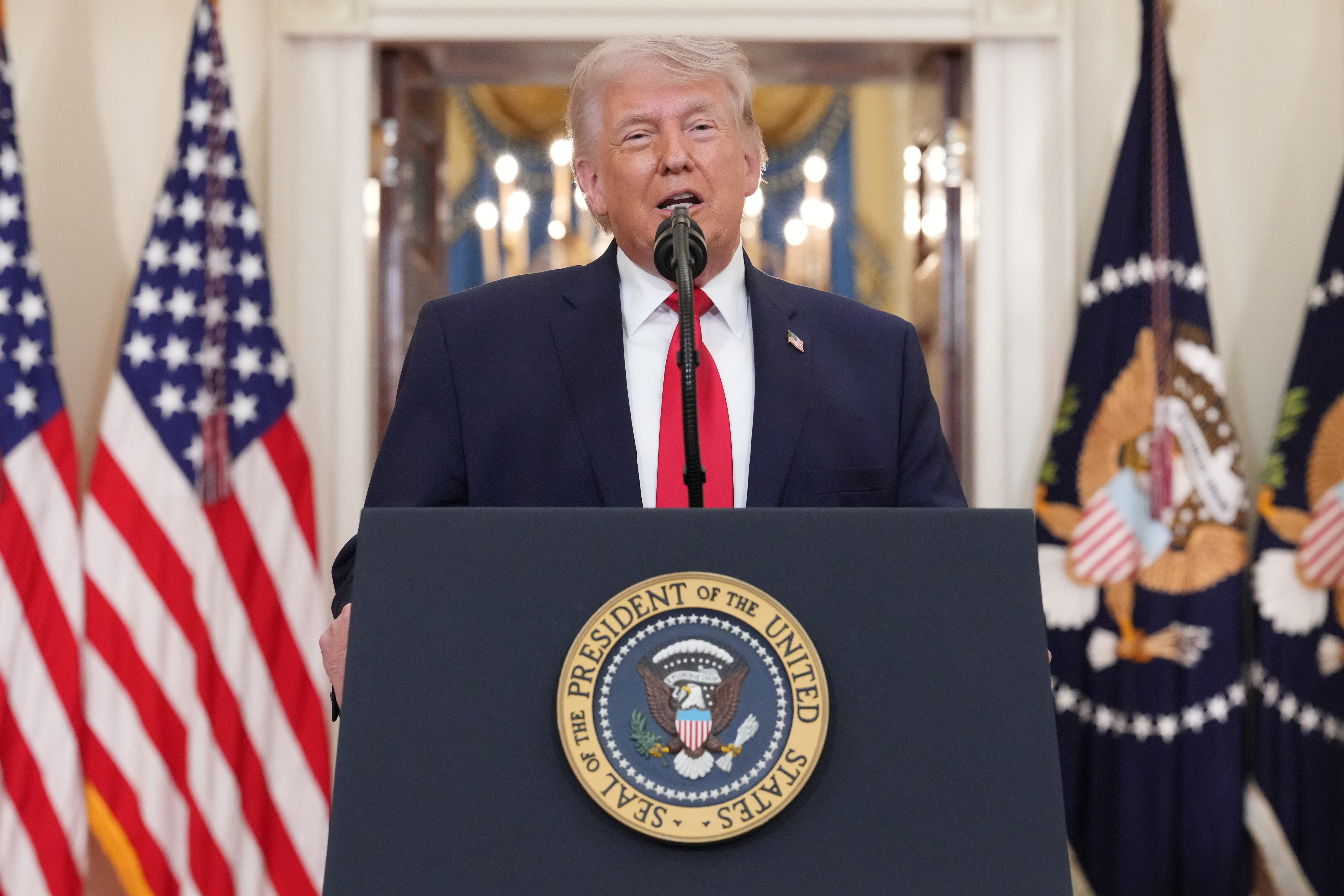
"Build up some delayed courage, go to the Strait and get it, take it. Protect it, use it for yourselves."
Reserve Bank of Australia Governor Michele Bullock warned that the war in Iran posed a "global recession risk" last month when her colleagues met to raise the cash rate for the second time in a row due to the global situation and a surprise inflation jump in January.
"We don't want to have a recession, but if it's hard to get inflation down, then we're going to have to deal with that, possibly," she said at the time.
Treasurer Jim Chalmers has tried to downplay the risk of a recession, but has admitted that the longer the global conflict continues, the longer it will take for the economy to recover.
"The longer the shock drags out, obviously, the harsher the consequences for our economy, whether that's measured by inflation or by growth or by impacts on the labour market," he said at a press conference yesterday.
"I would remind people that we go into this quite severe global economic shock from a position of genuine relative economic strength."
READ MORE: Red meat shortage, price hikes coming if farmers can't secure more fuel
Australia's last technical recession occurred during the first six months of the COVID-19 pandemic in 2020 and ended almost 30 years of back-to-back growth.
Before that, the last recession was the "recession we had to have" in the early 1990s.
A recession is most commonly defined as two consecutive quarters of negative growth in real GDP but the RBA notes it can have other, broader elements.
Australia's latest unemployment rate (seasonally adjusted) was 4.3 per cent in February, rising from 4.1 per cent in January.
While the figure alone is relatively low, it has been tracking upwards since October 2022.
The highest unemployment rate in the past decade was 7.4 per cent in June 2020 during the pandemic.
NEVER MISS A STORY: Get your breaking news and exclusive stories first by following us across all platforms.
- Download the 9NEWS App here via Apple and Google Play
- Make 9News your preferred source on Google by ticking this box here
- Sign up to our breaking newsletter here
 'We must look after ourselves': PM hit with three key demands
 Man dies after stabbing in Sydney's west
 Shoppers scramble as youths brawl at Melbourne retail plaza
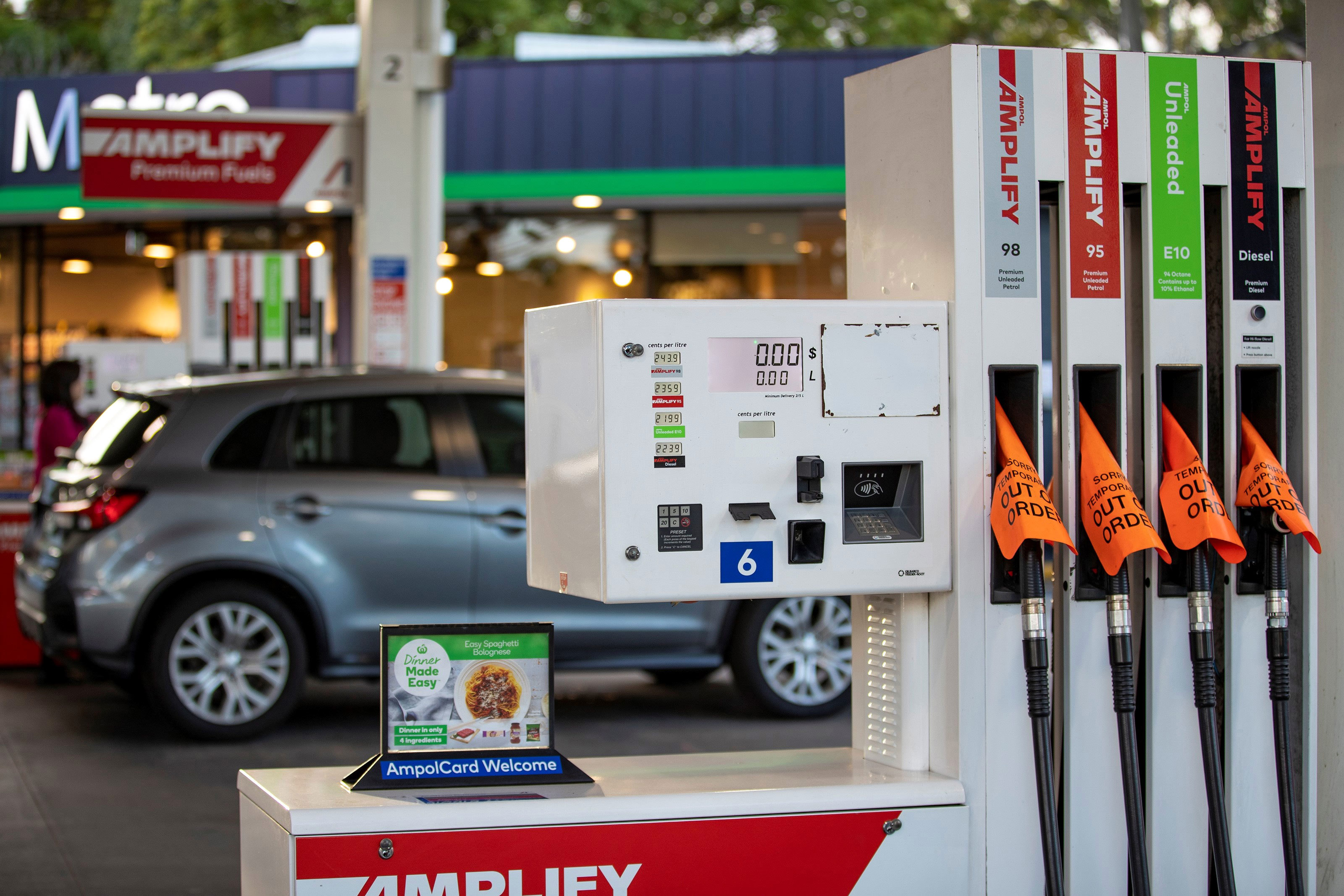 Expert reveals whether Aussies will need to ration fuel
 Where you can and can't get alcohol tomorrow and over the Easter weekend
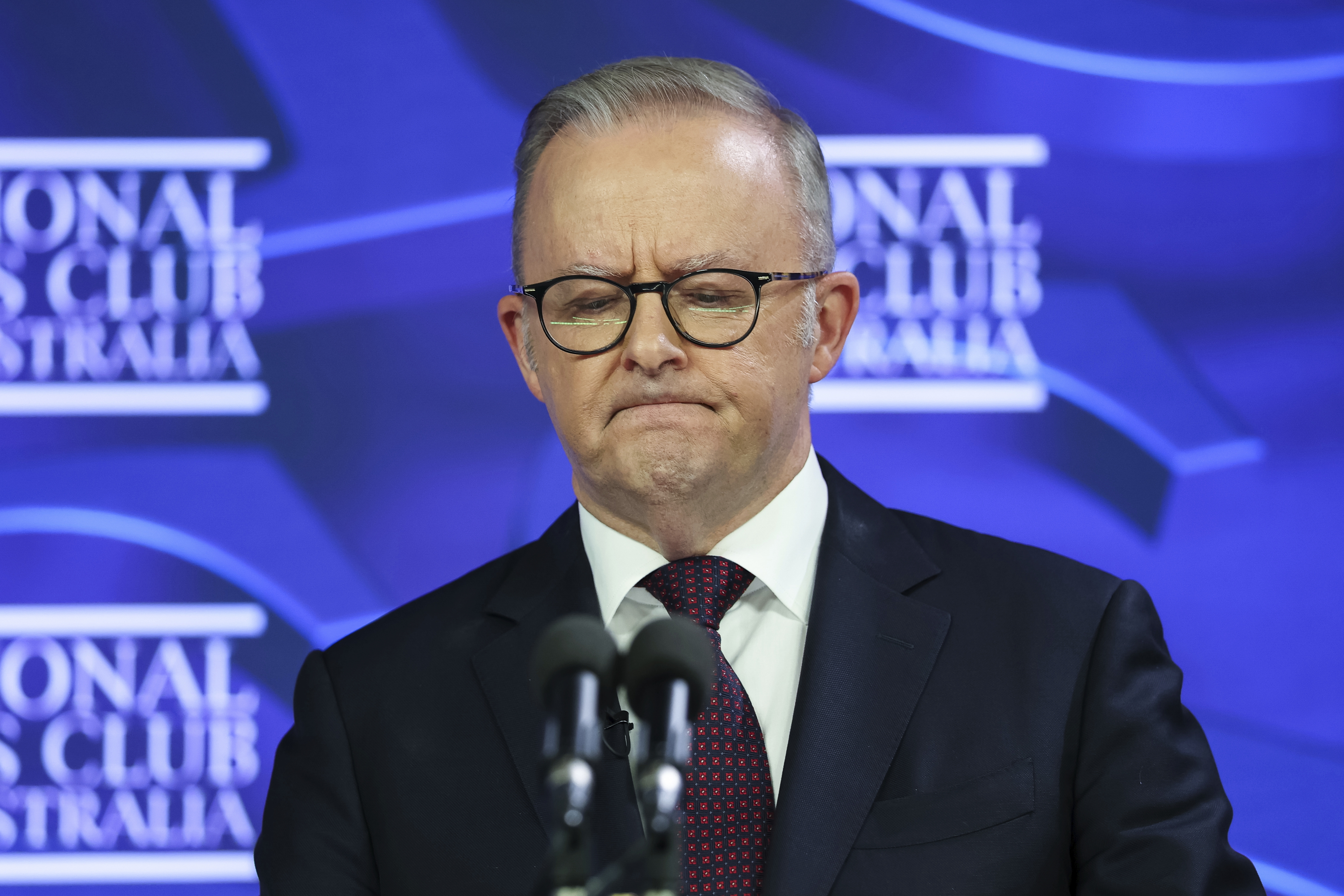 PM details $1bn plan, defends lacklustre national address
 We were all set for prime time, then we were let down with a thud
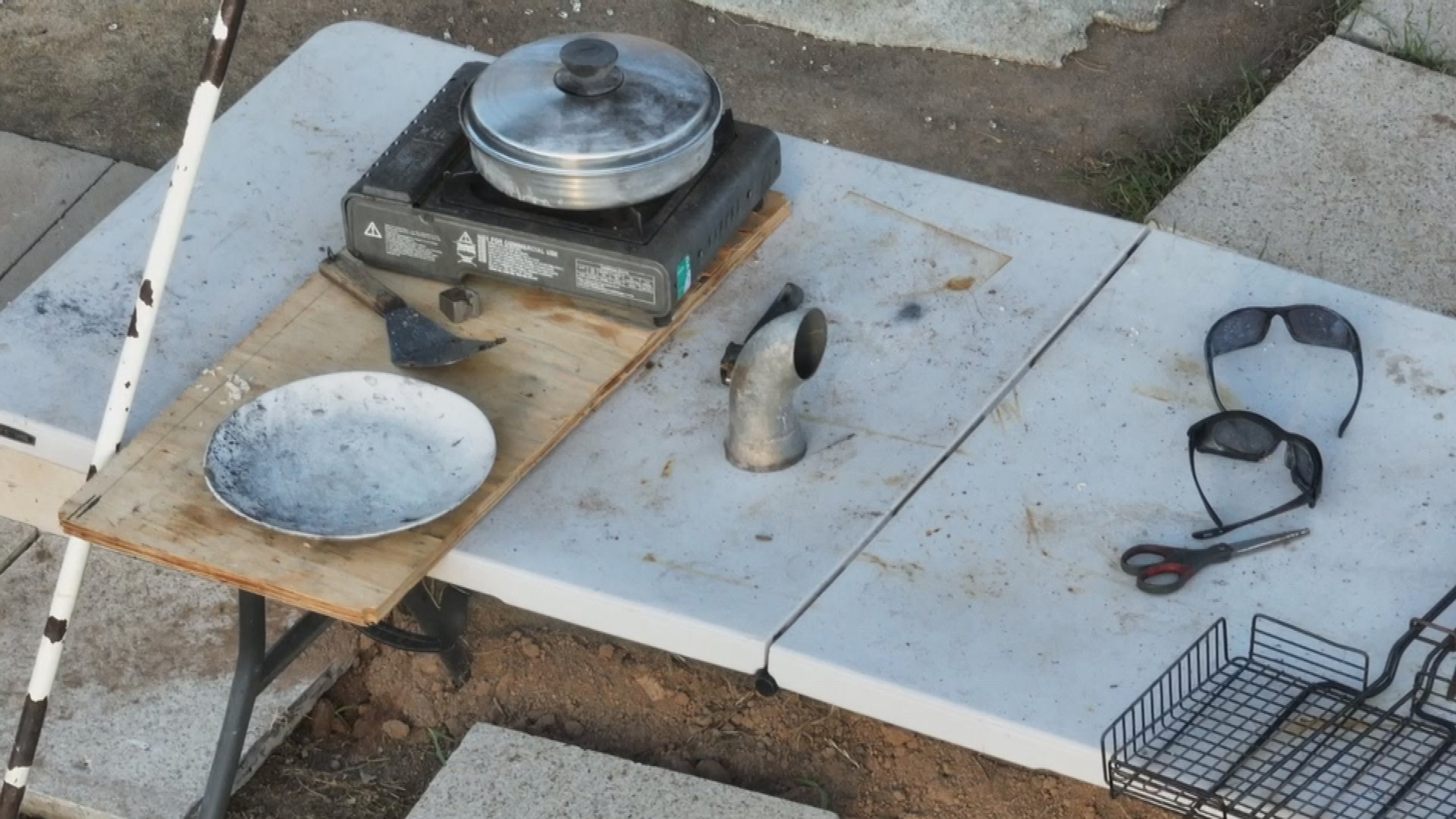 Aerial images provide the closest look yet at Dezi Freeman's hideout
 Thunderstorms, showers and sun: Mixed bag of weather for Easter
 Experts warn brewing El Niño could hit Australia later this year
 NASA launches four astronauts to the moon in first lunar voyage in 53 years
 Donald Trump storms out of Supreme Court as he faces loss
 Easter travel shifts: Fuels prices hit Long weekend holiday bookings
 Red meat shortage, price hikes coming if farmers can't secure more fuel
 PM warns 'economic shocks' to be 'with us for months' in rare address
 Prosecutors assisting police in ex-prince Andrew investigation
 Trump told US allies to 'get your own oil'. But he might be bluffing