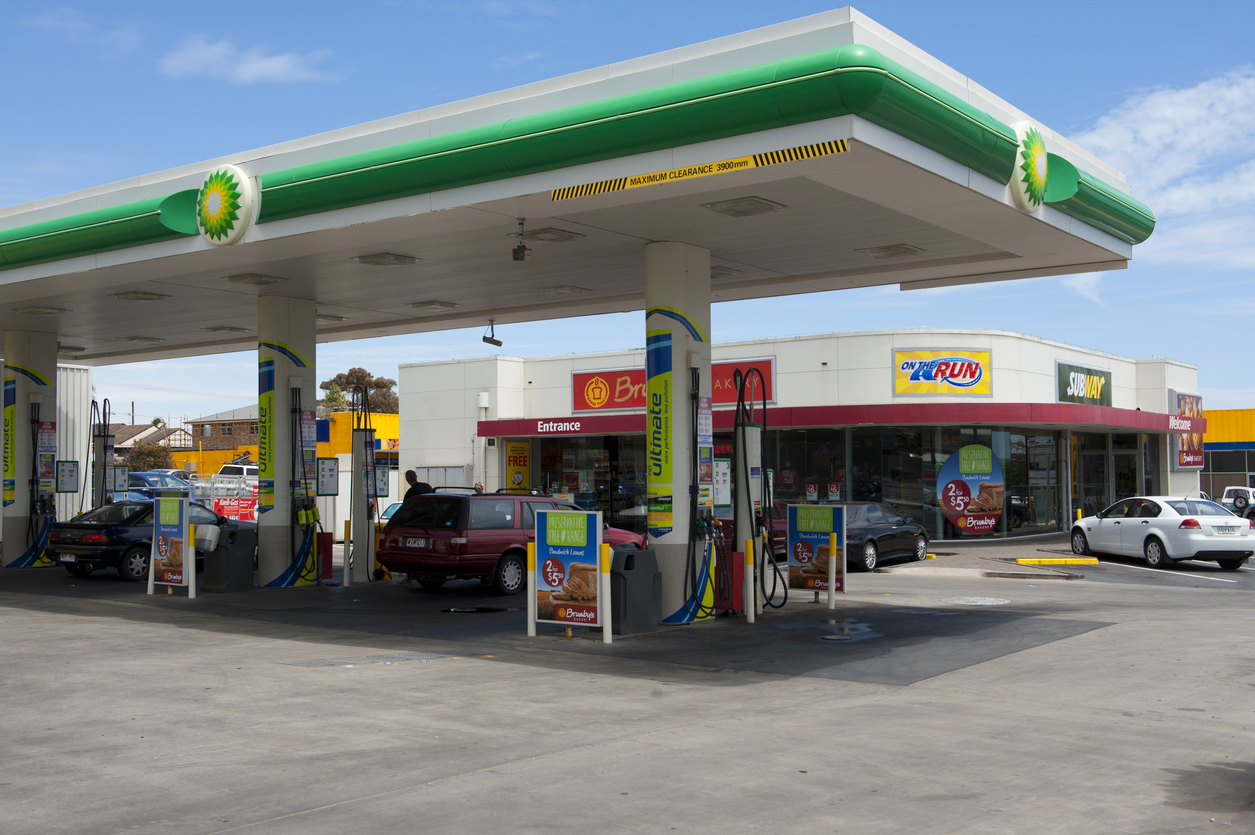
Australian drivers have been told not to panic over the risk to crude oil supply amid strikes in the Middle East, which is expected to flow through to the bowser.
Australian drivers have been told not to panic over the risk to crude oil supply amid strikes in the Middle East, which is expected to flow through to the bowser.
The US and Israeli strikes on Iran are raising concerns that retaliations in the Middle East could disrupt the flow of oil, which is heavily dependent on the Strait of Hormuz.
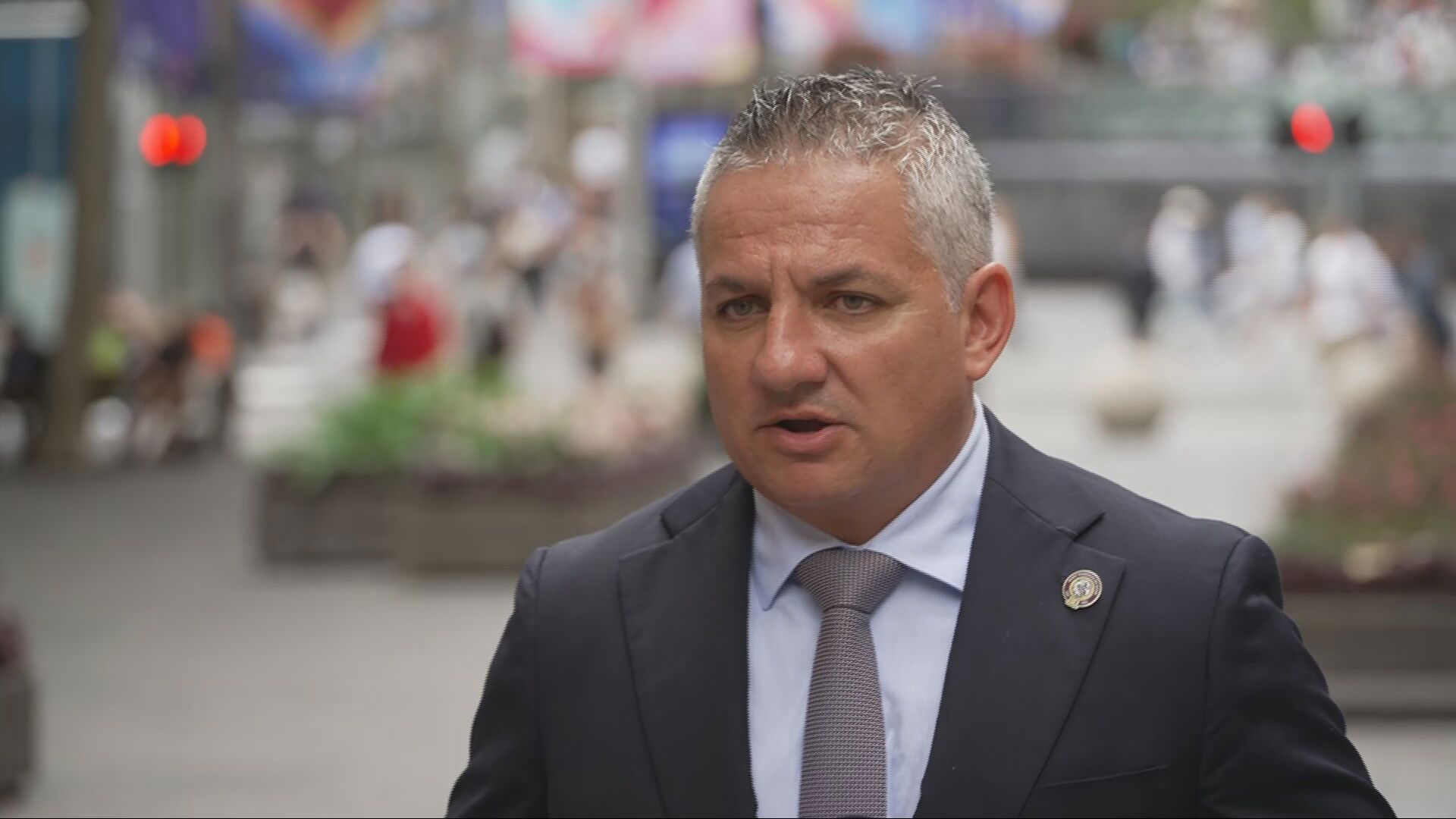
NRMA spokesperson Peter Khoury said oil prices are set to rise by 10 per cent initially, but added that it shouldn't impact petrol prices in Australia for at least a week.
LIVE UPDATES: Iran's chilling vow of revenge as supreme leader's death confirmed
READ MORE: Luxury Dubai hotel damaged as Iran retaliates to attack
READ MORE: Dubai Airport damaged in reported strike, four hurt
"The message to Australian drivers today is this: please do not panic," Khoury said.
"In the first instance, whatever happens overseas takes about 7-10 days to flow on here at home.
"So we should not see an impact at the bowser immediately, and only then if things are sustained over a period of time, and we don't see that jump stabilise and prices come back again."
Khoury warned oil companies not to prematurely hit customers with higher costs.
He said this was not an excuse for companies to "jack up prices".
"We will be watching that closely," he added.
"We know that, for example in Sydney, Melbourne and Brisbane, we are now at the top of the price cycle, and if anything prices should start to come down."
The next few days will be "critical" and Khoury expects prices will stabilise if there is de-escalation in the region.
He said the Strait of Hormuz, where one-fifth of the world's oil supply passes through, is crucial, with a sustained price hike en route if it remains shut.
Iran, which controls the waterway, also manages the world's third-largest proven oil reserves.
"The worst-case scenario for the oil market is an attack on Saudi oil infrastructure followed by a complete closure of the Strait of Hormuz," Andy Lipow, president of consulting firm Lipow Oil Associates, told CNN earlier.
"It remains to be seen if Iran will indiscriminately attack oil tankers in the region, shutting the waterway."
A European Union official told Reuters on Saturday that vessels had been receiving VHF transmission from Iran's Revolutionary Guards saying "no ship is allowed to pass the Strait of Hormuz" but added Iran had not formally confirmed that order.
Asked whether the drop in passage through the strait from 20 million barrels on Friday to zero on Sunday was due to the IRGC's warning or Lloyd's of London hiking wartime insurance cost, Sibylline associate analyst Megan Sutcliffe said it was likely both.
"The first is [concern] is, of course, the risk of being targeted by the IRGC and by Iran's conventional navy," she told the BBC.
"Any order to change course, to redirect into Iranian waters, could result in a hostage situation, or indeed in broader, more kinetic activity from the Iranian armed forces, if that is not abided by and so the genuine risk to staff and to highly flammable assets like oil and gas is certainly acute.
"There's also, of course, the financial concerns stemming from significantly increasing insurance costs. Those will remain in place throughout any period of hostilities between the US, Iran and Israel."
Oil prices could increase as much as $US5 per barrel, if not more, warned Lipow.
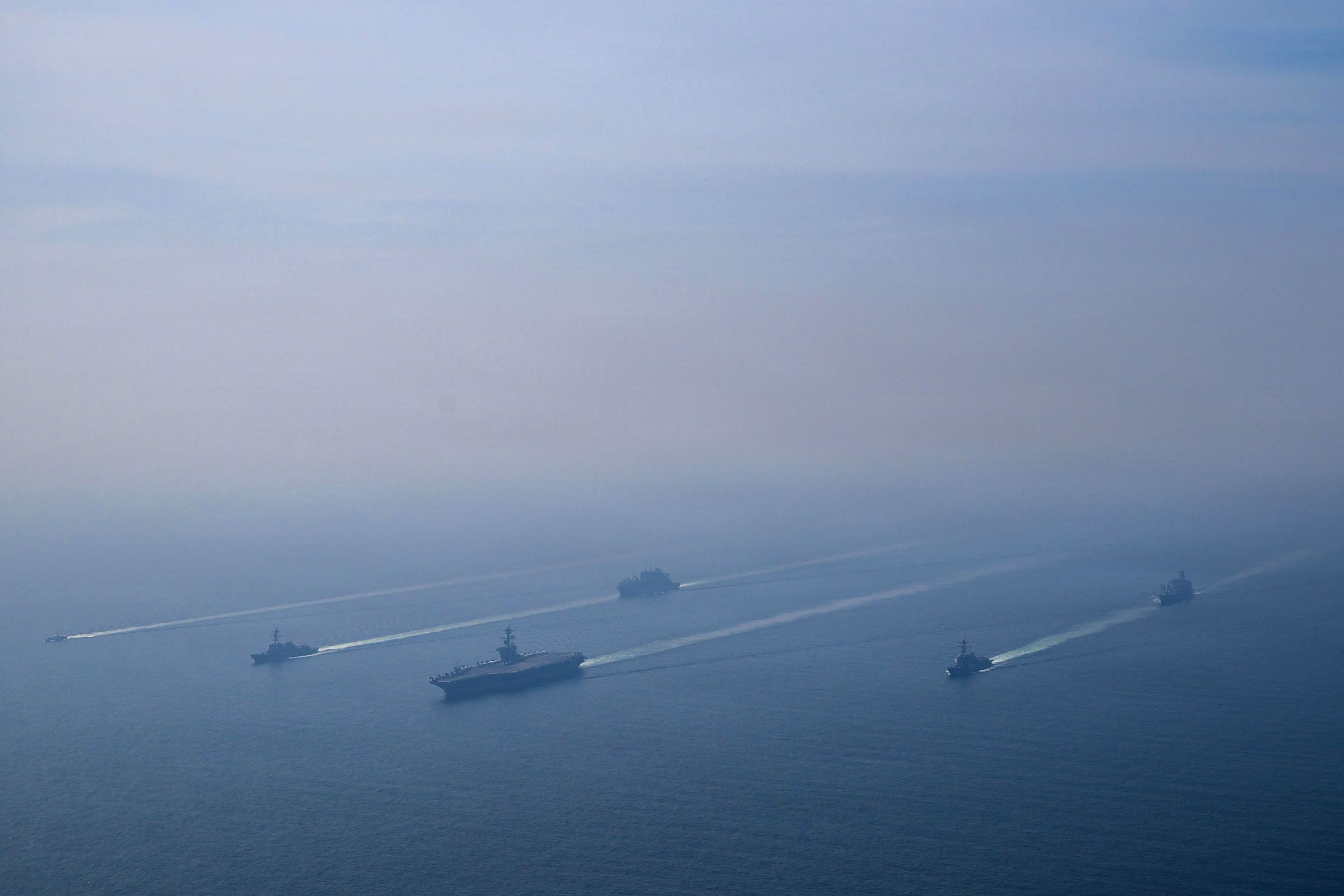
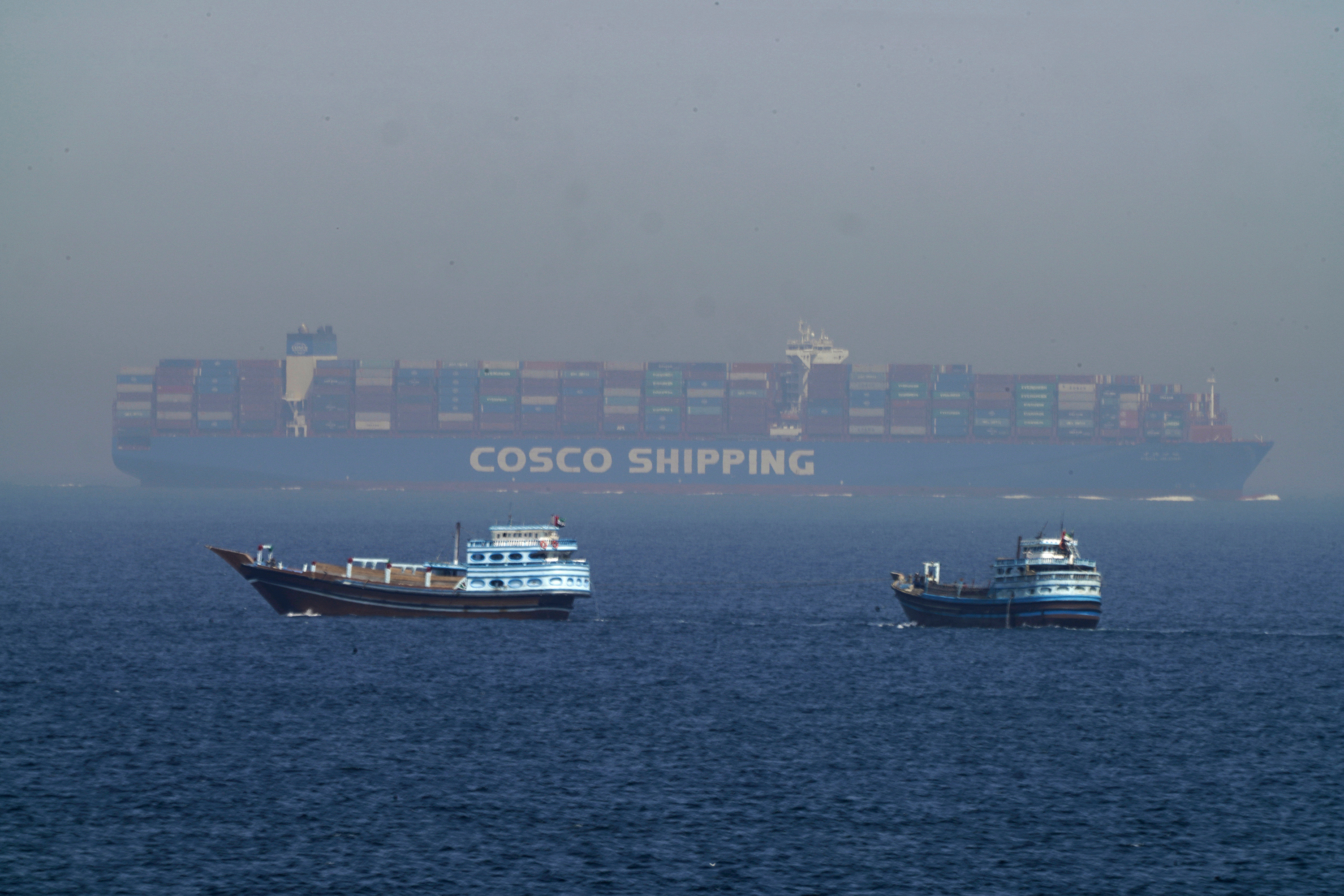
At least 150 tankers, including crude and LNG vessels, dropped anchor in open Gulf waters beyond the Strait of Hormuz and dozens more were stationary on the other side of the chokepoint, shipping data showed on Sunday.
Several tanker owners, oil majors and trading houses suspended crude oil, fuel and LNG shipments via the Strait of Hormuz after the attacks and Tehran said it had closed navigation, trading sources said on Saturday.
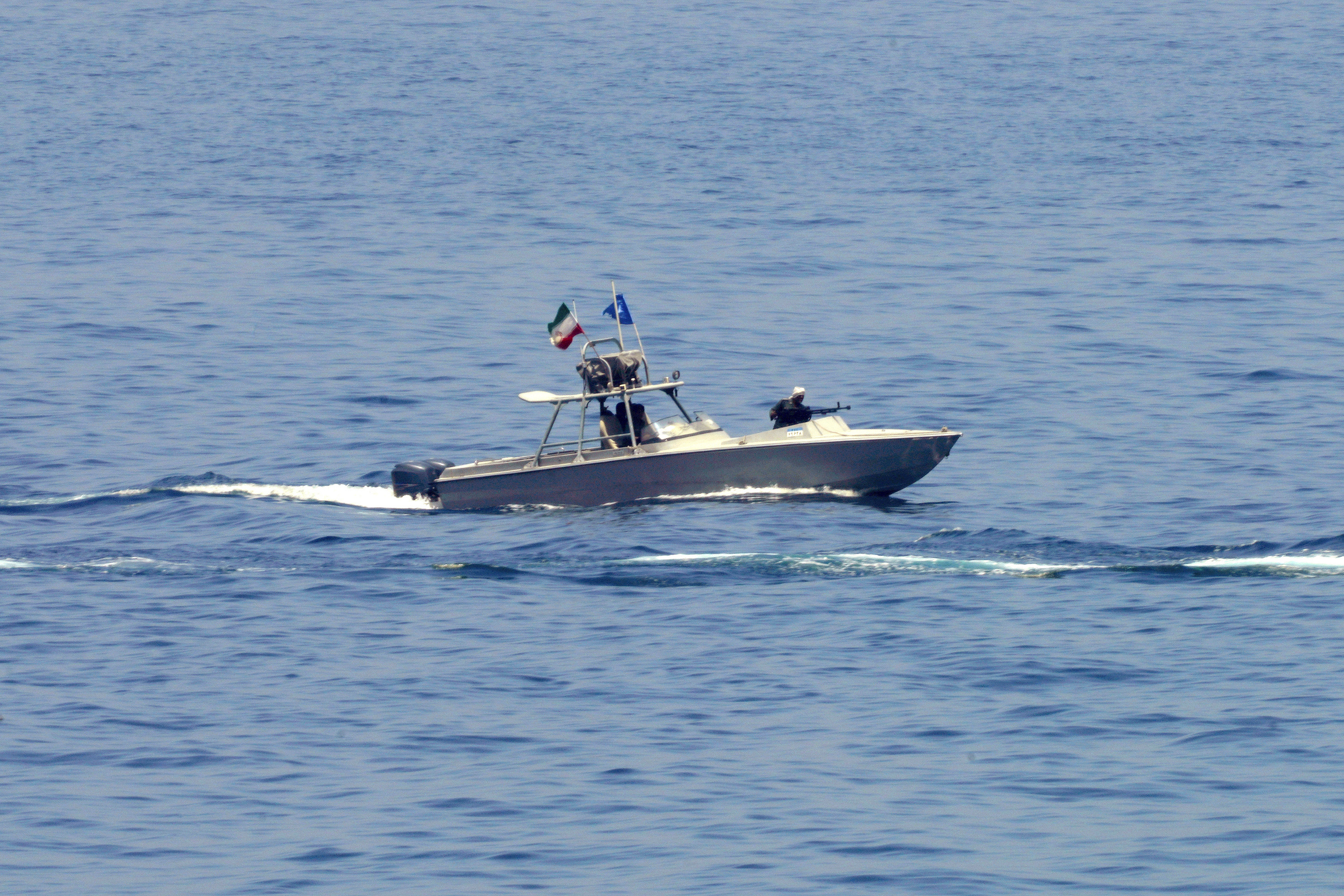
"At present, no such formal suspension (of traffic through the strait) has been communicated internationally by recognized maritime authorities," the US Navy-led Joint Maritime Information Center said in a note on Saturday.
"Mariners should expect increased naval presence, enhanced force protection postures, potential VHF hailing, congestion near anchorage areas outside the Strait, and insurance market volatility."
The waterway, located between the Persian Gulf and the Gulf of Oman, is only 33.7 kilometres wide at its narrowest point.
It's the only way to ship crude from the oil-rich Persian Gulf to the rest of the world. Iran controls its northern side.
About 20 million barrels of oil, about one-fifth of daily global production, flow through the strait every day, according to the US Energy Information Administration (EIA), which called the channel a "critical oil chokepoint".
A closure of the Strait would be particularly detrimental to China and other Asian economies that rely on the crude oil and natural gas shipped through the waterway.
The EIA estimates that 84 per cent of the crude oil and 83 per cent of the liquefied natural gas that moved through the Strait of Hormuz last year went to Asian markets.
China, the largest buyer of Iranian oil, sourced 5.4 million barrels per day through the Strait of Hormuz in the first quarter this year, while India and South Korea imported 2.1 million and 1.7 million barrels per day, respectively, according to the EIA's estimates. In comparison, the US and Europe imported just 400,000 and 500,000 barrels per day, respectively, in the same period, according to the EIA.
- reported with CNN
- Download the 9NEWS App here via Apple and Google Play
- Make 9News your preferred source on Google by ticking this box here
- Sign up to our breaking newsletter here
NEVER MISS A STORY: Get your breaking news and exclusive stories first by following us across all platforms.
 Dramatic footage shows Israel's 'Iron Dome' put to the test
 Pauline Hanson storms out of parliament before being censured
 Several security breaches spotted in Trump's situation room during US strikes
 Chris Minns sets a timeline for his political retirement
 Crocodile captured after being found in pond behind Bunnings store
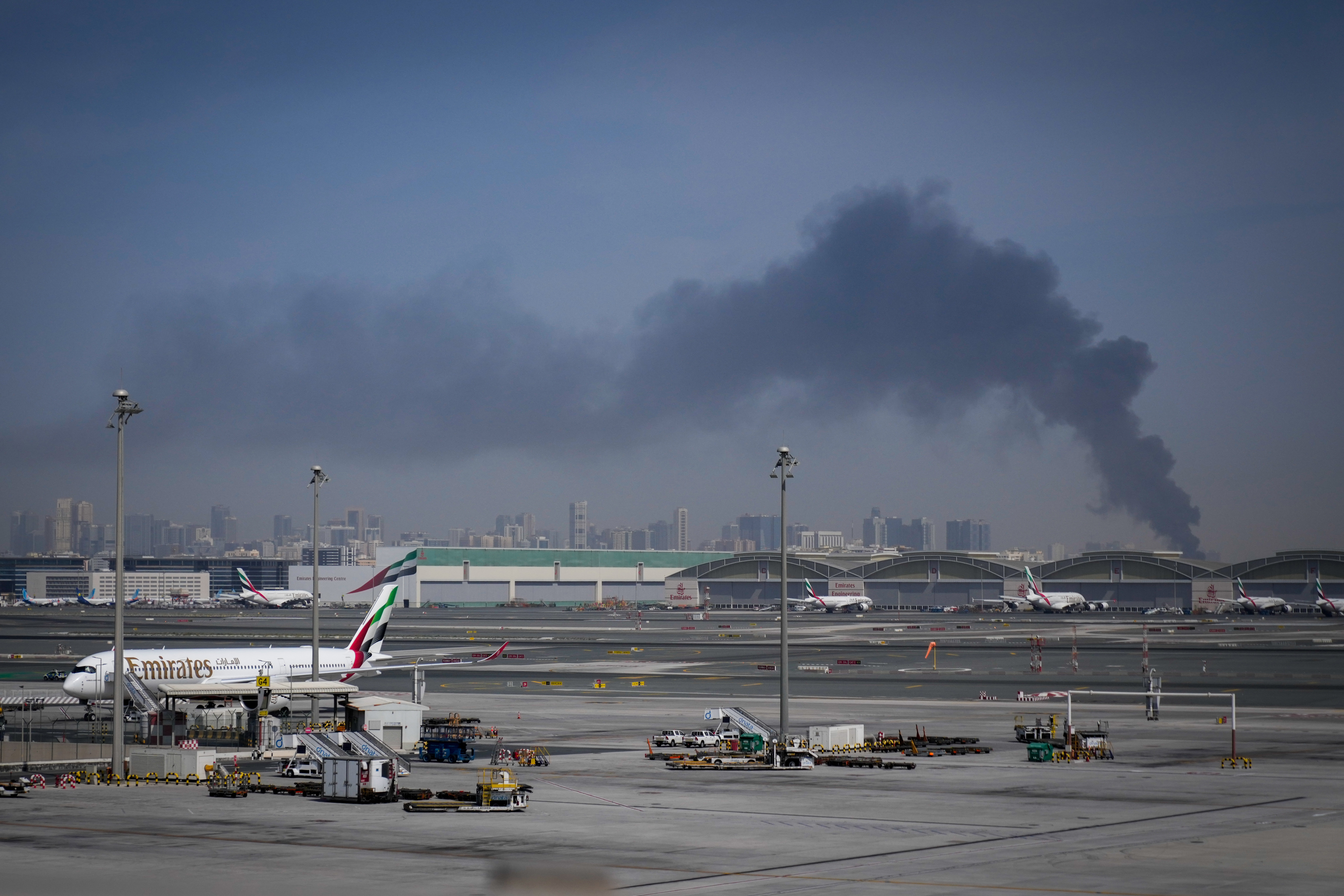 Travel disruption continues as flights from Australia to Middle East scrapped
 Young mum accused of killing son in Gold Coast crash to stay in custody
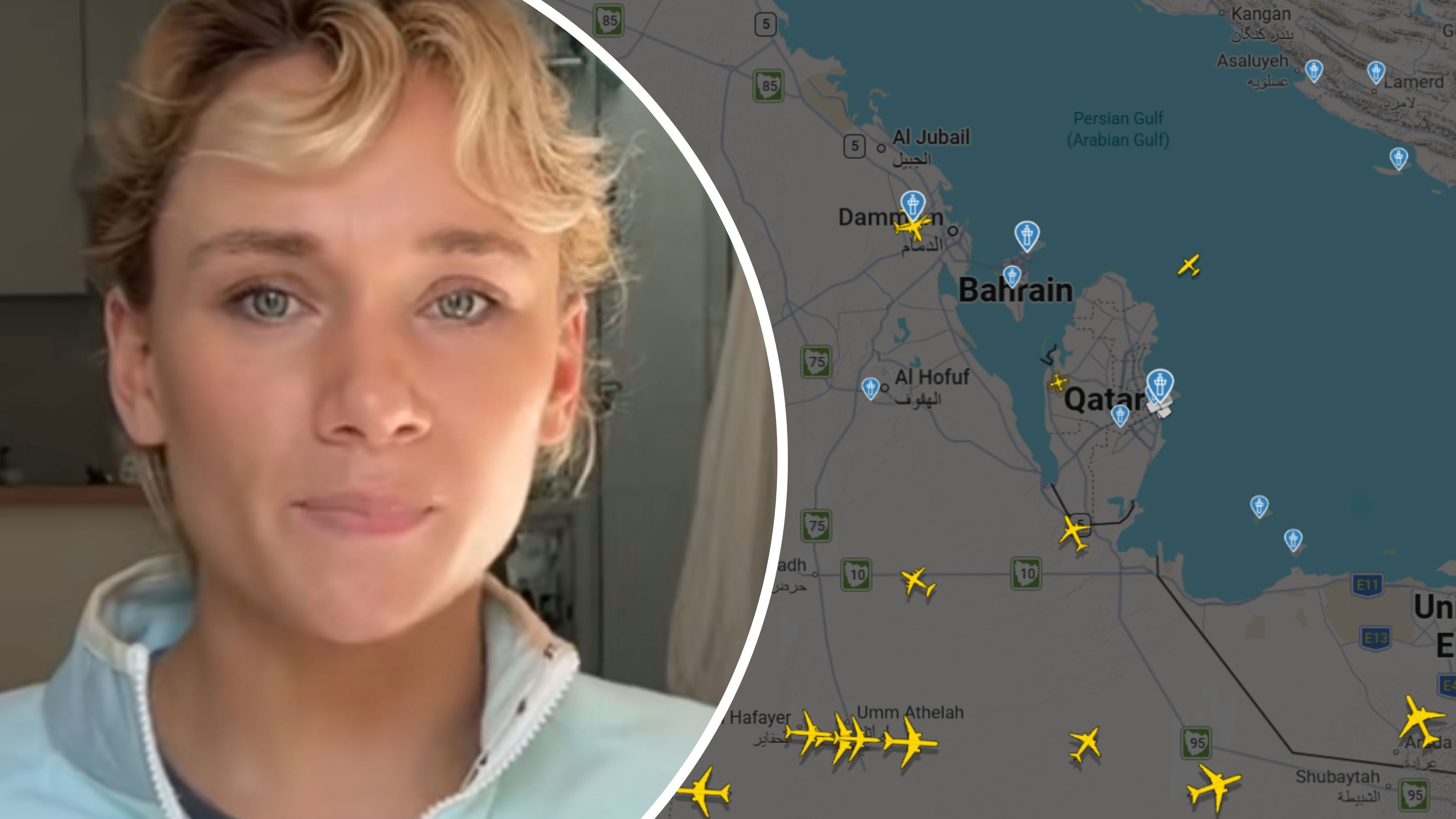 Emily was forced to shell out $6k for flights home amid Middle East chaos
 Missile fires behind Today reporter readying to go on air
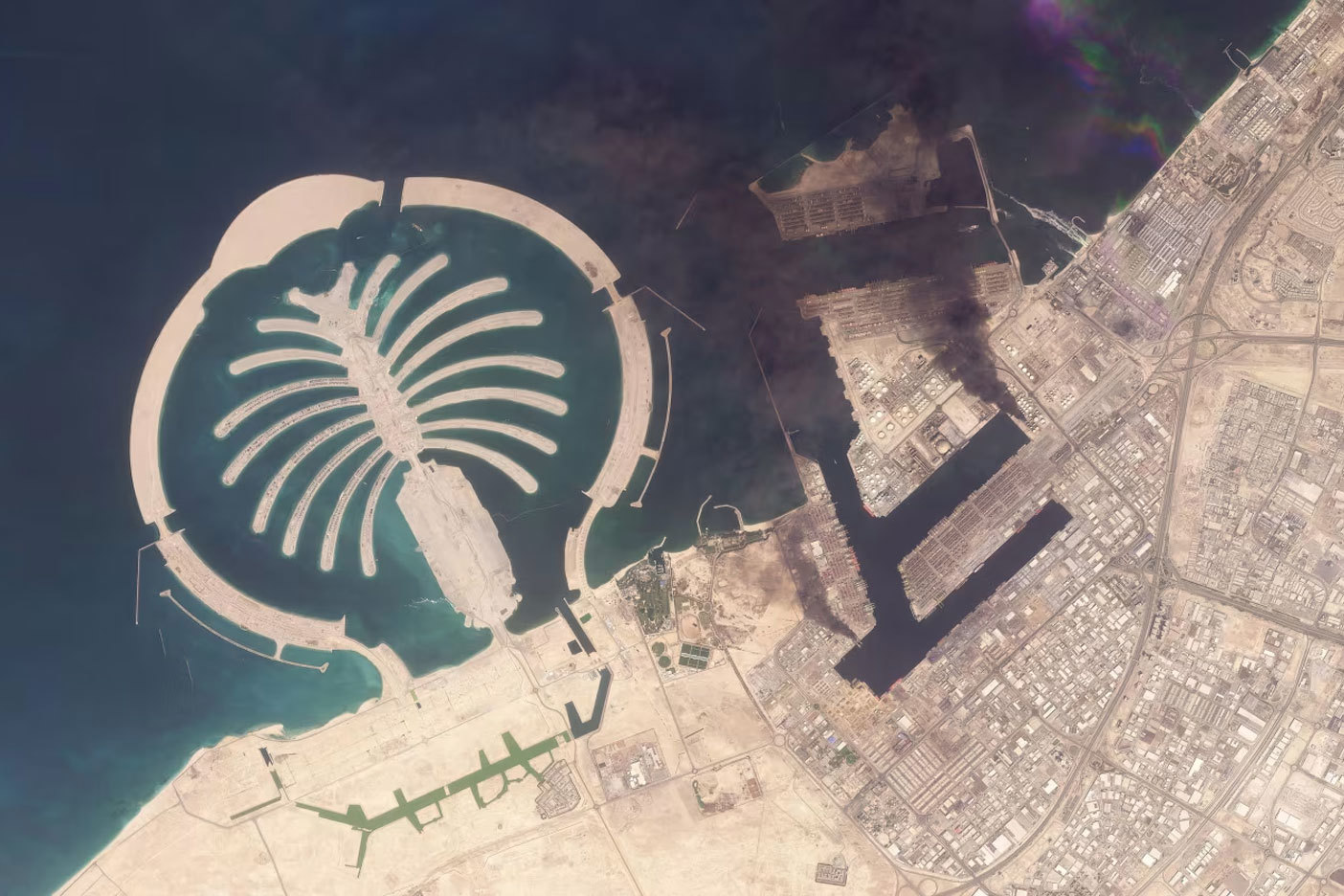 Iran's airstrikes may have just cracked Dubai's safe, shiny façade forever
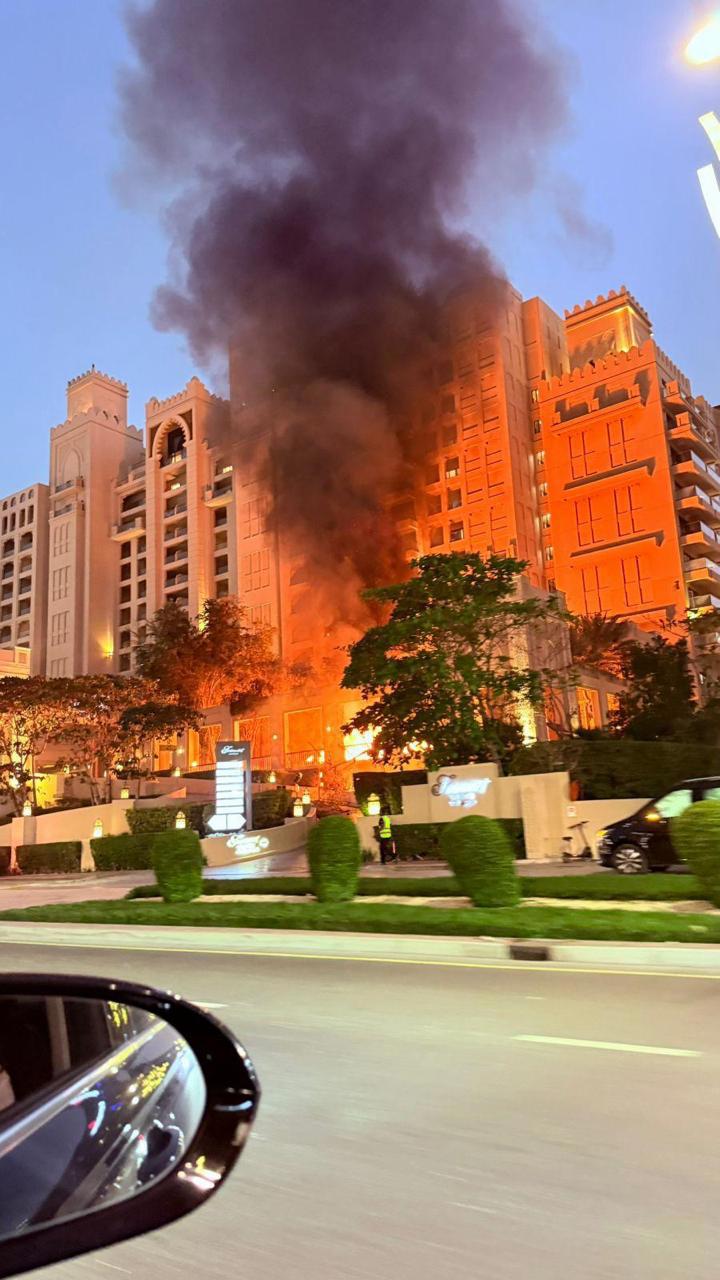 Luxury Dubai hotel damaged in explosion as debris rains down on city
 How 73 years of history led to an attack and leader's assassination
 Dubai Airport damaged in reported strike, four hurt
 State TV presenter cries while announcing the death of Iran's supreme leader
 Five-star hotel complex in Bahrain hit in fresh drone wave