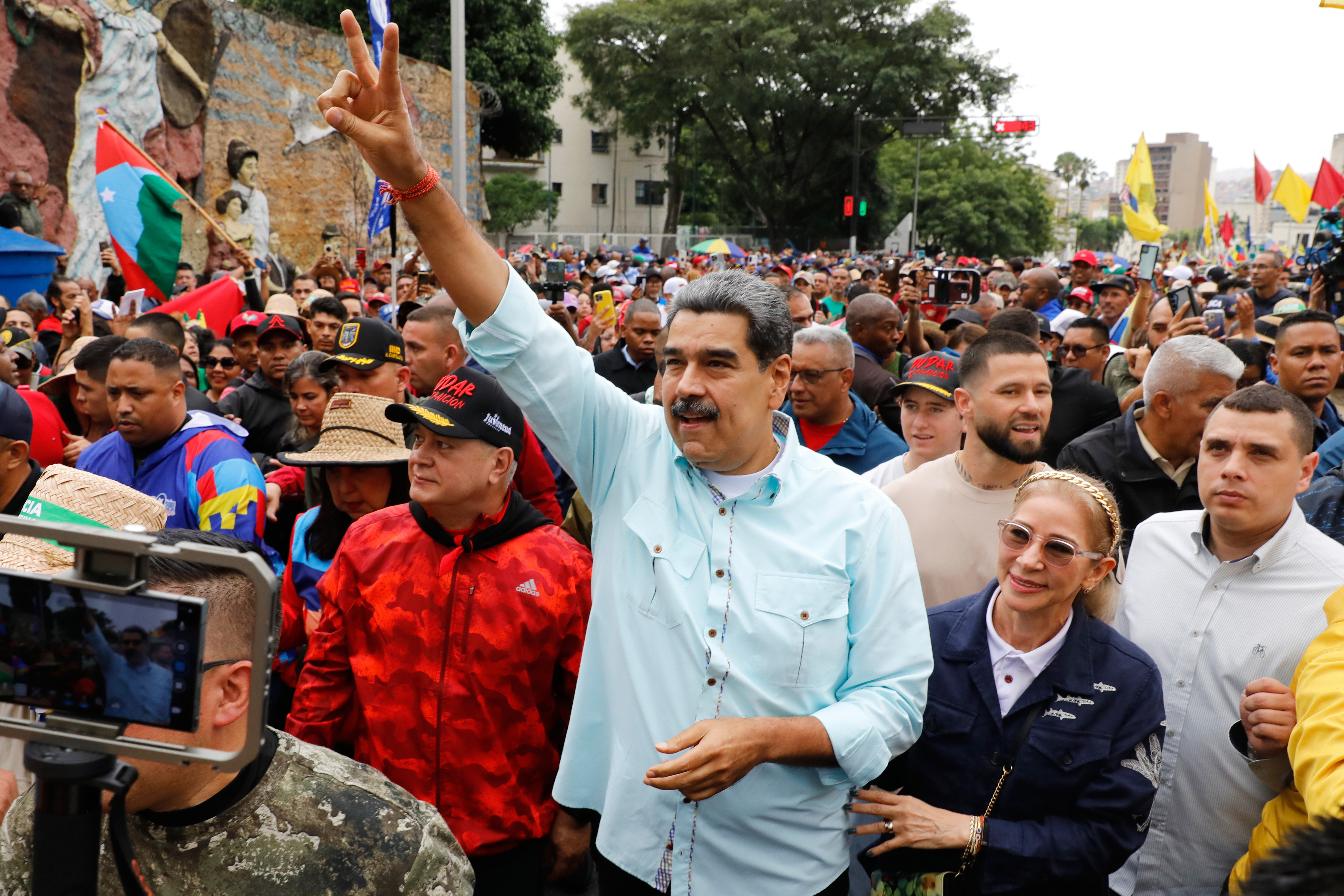
Donald Trump said that Nicolas Maduro and his wife were aboard the USS Iwo Jima heading to New York.
US President Donald Trump announced early on Saturday morning (Saturday night AEDT) that the US carried out a "large-scale strike against Venezuela" and that President Nicolas Maduro and his wife had been captured, a stunning development that plunged the country into uncertainty after weeks of spiraling tensions.
"The United States of America has successfully carried out a large scale strike against Venezuela and its leader, President Nicolás Maduro, who has been, along with his wife, captured and flown out of the Country," he wrote on Truth Social.
Venezuela requested an urgent meeting of the United Nations Security Council in response to the attack, Foreign Minister Yván Gil Pinto said.
READ MORE: Why is the US attacking Venezuela?
"No cowardly attack will prevail against the strength of this people, who will emerge victorious," he said on Telegram, sharing the letter sent to the UN.
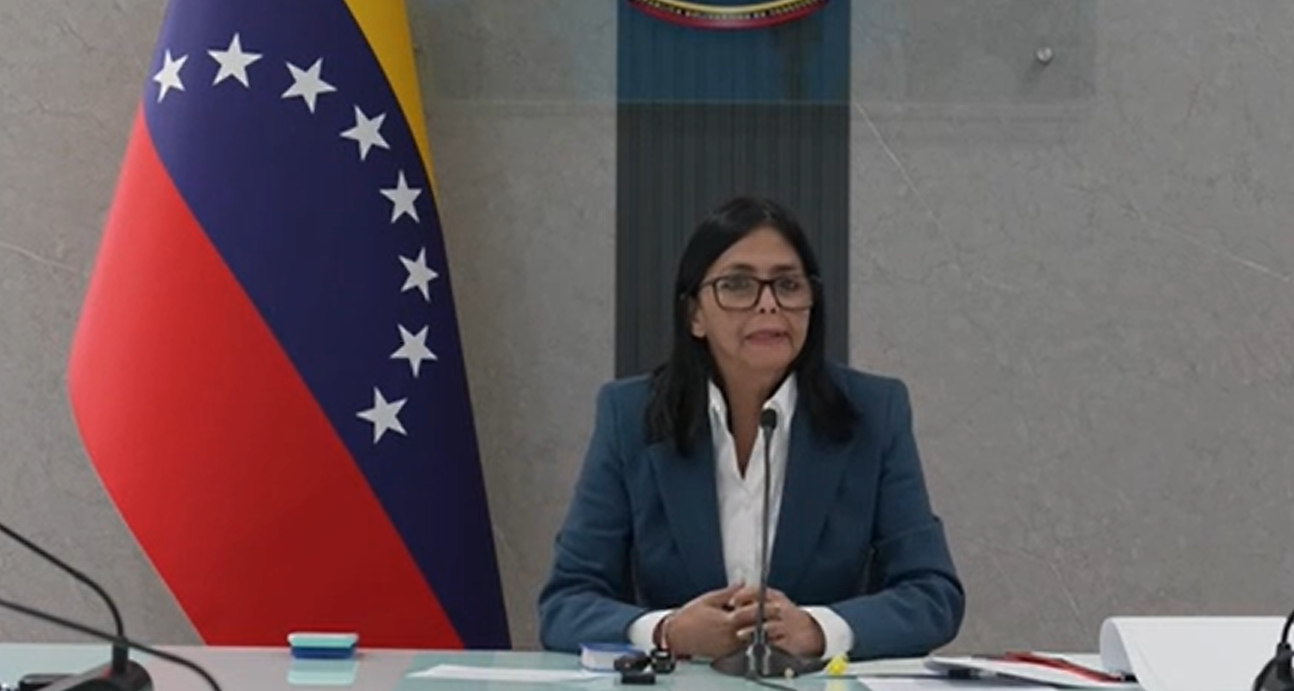
Venezuelan Vice President Delcy Rodríguez said in an audio call with state-run VTV that the government doesn't know the whereabouts of Maduro and first lady Cilia Flores, demanding "immediate proof of life" from the Trump administration.
Speaking to Fox News on Saturday morning, Trump said that Maduro and his wife are aboard the USS Iwo Jima heading to New York. Earlier, in an interview with The New York Times, he declined to answer questions about whether he had sought congressional authorisation for the strike, saying he would address the issue at a news conference.
Here's what we know.
What has happened?
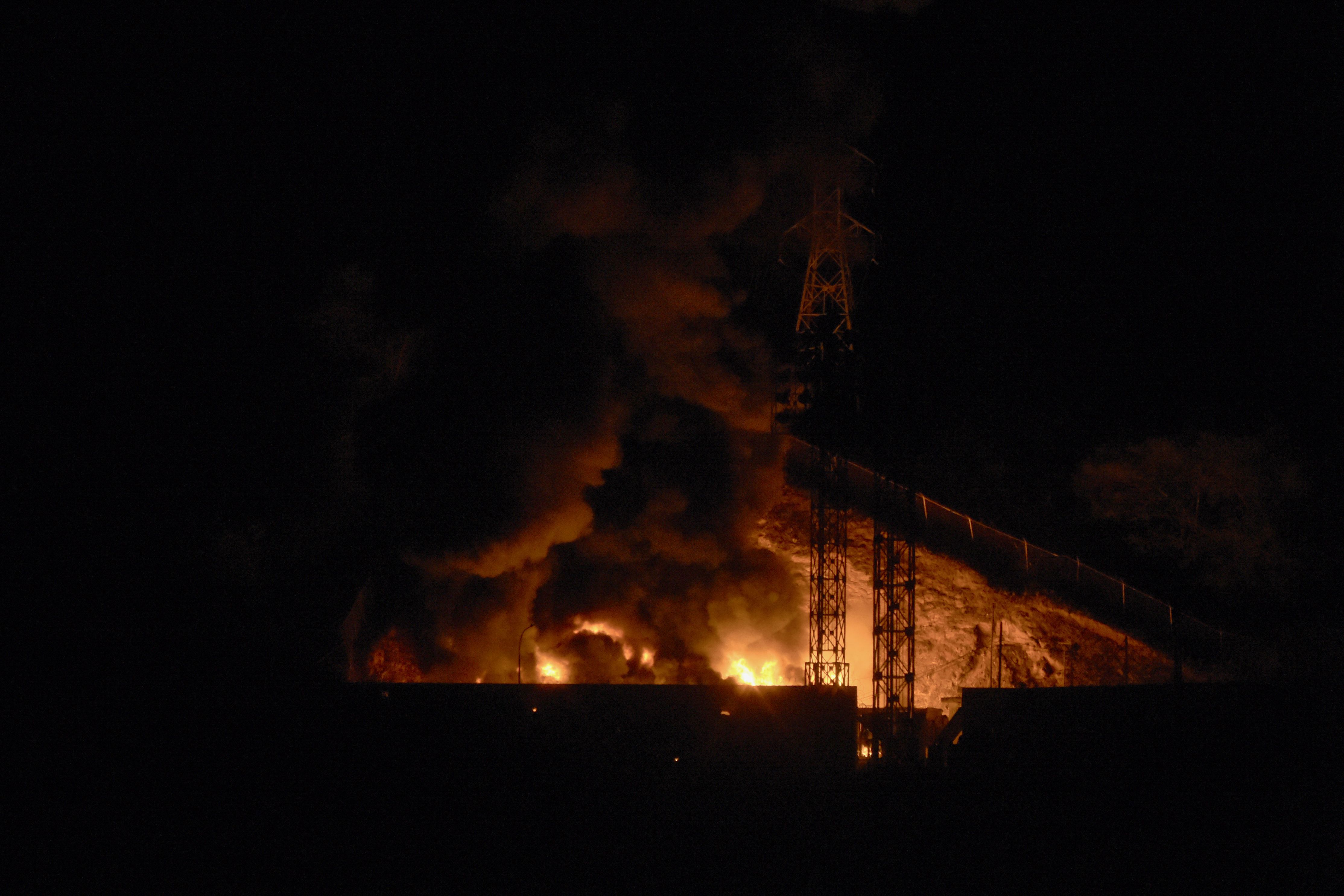
A CNN team witnessed several explosions and heard the sounds of aircraft early Saturday in the Venezuelan capital Caracas, and reported that some areas of the city were without electricity.
Videos verified by CNN showed helicopters roaring over Caracas, with plumes of smoke rising into the night sky. Footage also showed a large blaze and explosions at an airport in the city of Higuerote.
Hours after the strikes, CNN's Mary Mena said from Caracas that the capital was calm.
"We listened to many airplanes and helicopters passing by, but right now the city remains quiet, for the past two hours," she said. "We haven't heard people for example coming to the streets, and the state channel keeps repeating this message from the ministry of defense saying they want people to remain calm and they will deploy military forces across the country."
READ MORE: US captures Venezuela's president and wife, removes them from the country
The first blast witnessed by the CNN team was recorded about 1.50am (5.50pm AEDT).
"One was so strong, my window was shaking after it," CNN correspondent Osmary Hernandez said.
Several areas of the city were without power, and CNN journalists in the capital heard the sound of aircraft after the explosions.
One video obtained and verified by CNN showed two plumes of smoke rising into the night sky amid city lights. An orange glow could be seen at the base of one of the plumes. Then a flash in another location was briefly seen, followed by a dull booming sound.
Two sources familiar with the matter said that Maduro and his wife were dragged from their bedroom by US forces during the raid that led to their capture. The couple was captured in the middle of the night as they were sleeping, the sources said.
The raid, carried out by the US Army's elite Delta Force, did not lead to any US casualties, a US official said.
Why is it happening?
The Trump administration has for years said that Maduro was a criminal and has looked to prosecute him through the US legal system.
In 2020, during Trump's first term, Maduro was charged in the Southern District of New York for "narco-terrorism", conspiracy to import cocaine, and related charges.
The Trump administration offered a $US15 million ($22 million) bounty for Maduro's arrest. That bounty was increased to $US25 million ($37 million) in the waning days of the Biden administration, in early January 2025, and was increased again, to $US50 million ($74 million), in August 2025 after Trump took office for a second term and designated Cartel de los Soles as a foreign terrorist organization. The administration has claimed that Maduro is the leader of that group, which it describes as a criminal organisation.
Utah Republican Senator Mike Lee said Secretary of State Marco Rubio told him that Maduro was arrested to stand trial in the US.

"He informed me that Nicolás Maduro has been arrested by US personnel to stand trial on criminal charges in the United States, and that the kinetic action we saw tonight was deployed to protect and defend those executing the arrest warrant," Lee posted on X early Saturday.
In recent weeks, Trump had repeatedly warned that the US was preparing to take new action against alleged drug trafficking networks in Venezuela and that strikes on land will start "soon".
Trump's pressure campaign on Maduro has included strikes destroying more than 30 boats in the Caribbean Sea and eastern Pacific Ocean in what the US has described as a counter-narcotics campaign. Trump last month ordered a blockade of sanctioned oil tankers coming to and leaving Venezuela.
The CIA carried out a drone strike in December on a port facility on the coast of Venezuela, CNN reported last month, citing sources, marking the first known US attack on a target inside that country.
How has the international community reacted?
Several world leaders have reacted with concern to the US operation.
British Prime Minister Keir Starmer said he "wants to establish the facts" and speak to Trump about the military operation in Venezuela, according to the UK's PA Media news agency.
"I always say and believe we should all uphold international law," Starmer said, adding that Britain was "not involved in any way" in the strike on Caracas, PA Media reported.
Ursula von der Leyen, the president of the European Commission, said in a post on X that the commission "stand(s) by the people of Venezuela and support(s) a peaceful and democratic transition. Any solution must respect international law and the UN Charter."
Meanwhile, Venezuela's allies Russia and Iran condemned the US attack.
The Russian foreign ministry denounced what it called an "act of armed aggression against Venezuela" by the US, calling any "excuses" given to justify such actions "untenable".
"We reaffirm our solidarity with the Venezuelan people and our support for the Bolivarian leadership's course of action aimed at protecting the country's national interests and sovereignty," a statement from the foreign ministry said. "Venezuela must be guaranteed the right to determine its own destiny without any destructive, let alone military, interference from outside."
Similarly, the Iranian foreign ministry said the attack violates Venezuela's sovereignty and territorial integrity as well as the UN charter, Iranian state news outlet Press TV reported.
What comes next?
What happens next in Venezuela is far from clear. The country's constitution states that power will pass to Maduro's vice president, Delcy Rodríguez.
But the future of the regime is in doubt, and the opposition – within and outside the country – will likely see this moment as a critical opportunity.
Venezuela's opposition says the rightful president is the exiled politician Edmundo Gonzalez.
Amid the uncertainty, there are a range of scenarios.
If the constitutional path – Article 233 – is followed, in the "absolute absence" of the president, the executive vice president – Delcy Rodriguez – takes over and calls for an election within 30 days. The newly elected president then serves a full six-year term.
The regime collapses and its senior figures resign or flee, the most likely opposition candidate is Edmundo González Urrutia, who ran in the 2024 election. Gonzales, an academic and long-time diplomat, is now in exile in Spain. He is supported by the recent winner of the Nobel Peace Prize, democratic activist María Corina Machado. Speaking in Oslo last month after receiving the prize, Machado said her movement was preparing for "an orderly and peaceful transition" once Maduro was gone. She said in December that González had invited her to be vice-president and that "the vast majority" of the police and armed forces would follow the new administration's orders once the political transition began.
There could also be a military takeover. But the current defence minister, Vladimir Padrino López, has spoken out against the US strikes, saying Venezuela would resist the presence of foreign troops in the country. "This invasion represents the greatest outrage the country has suffered," he said.
 After Maduro, who's next? Trump spurs anxieties in friends, foes
 Childcare to cost just $15 per day for some Aussies under new rule
 How cocaine and corruption led to the indictment of Maduro
 North Korea says latest missile tests involves hypersonic weapons system
 First designs for Brisbane's new Olympic stadium revealed
 Teenagers as young as 14 among victims of Swiss bar fire that killed at least 40
 'No sense': Danish PM's blunt response as Trump again floats takeover
 Venezuela's billions in distressed debt: Who is in line to collect?
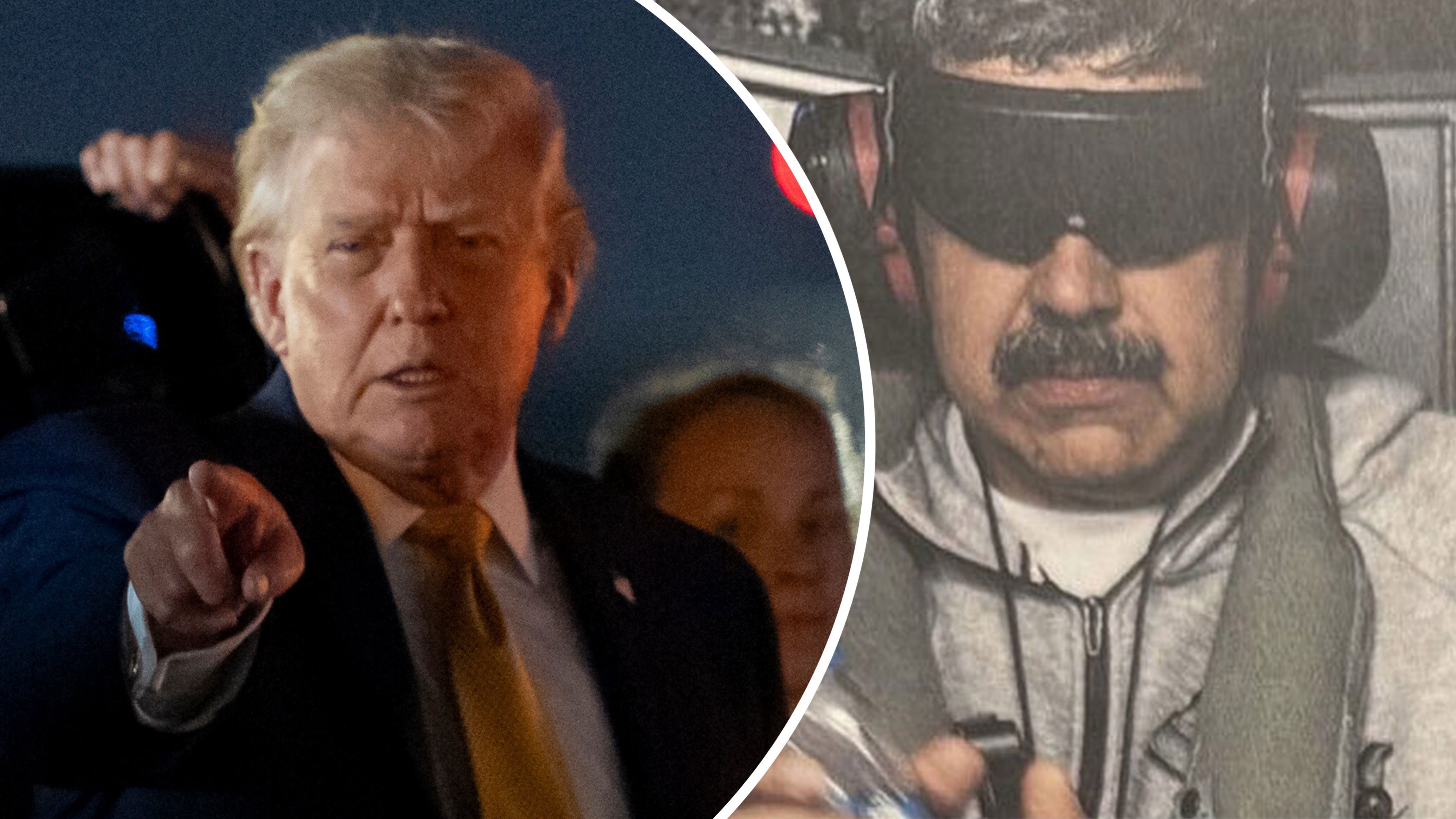 'Extremely dangerous': Five countries unite to condemn US attack on Venezuela
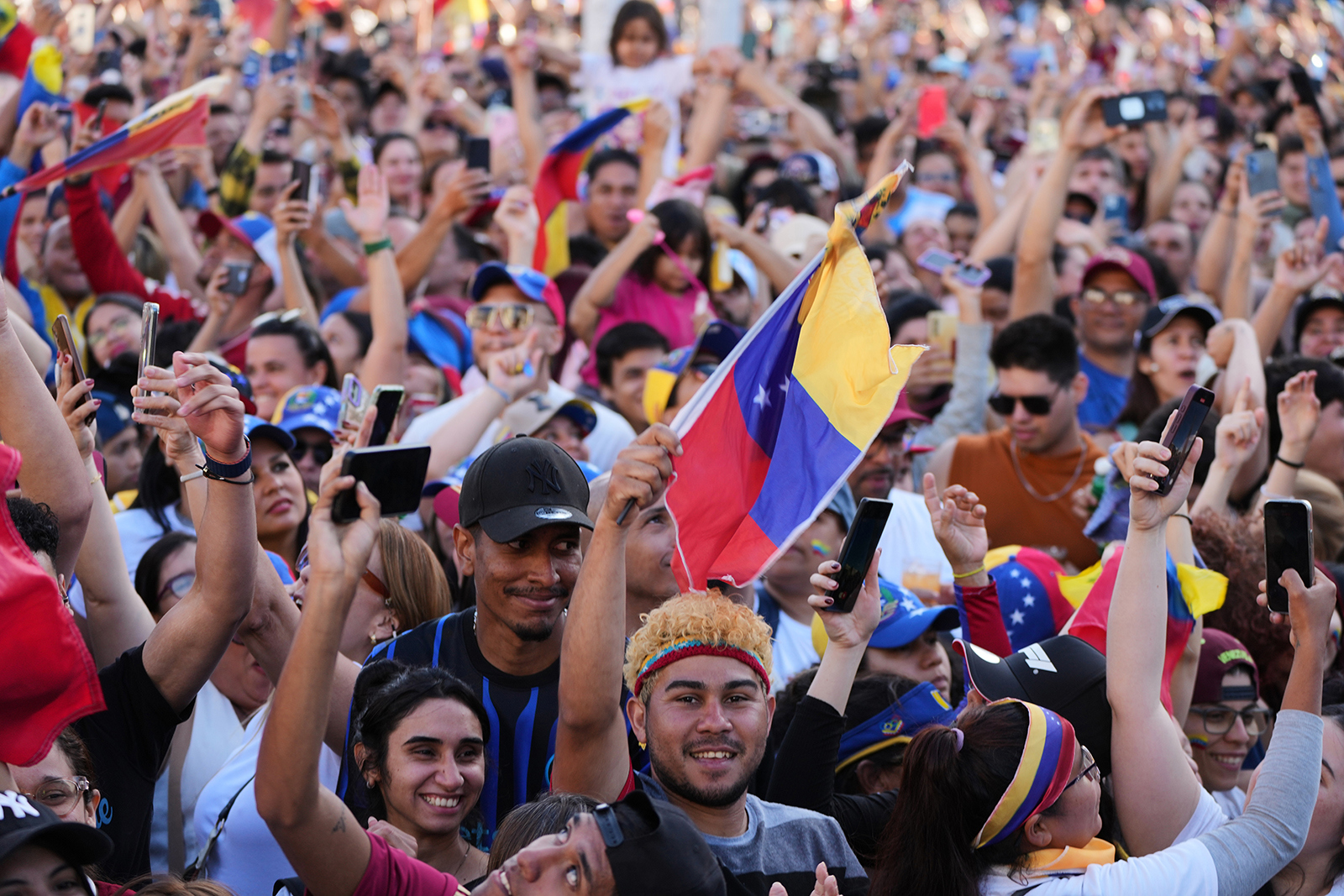 Tears of joy as millions celebrate Maduro's downfall
 Bondi terror attack first responders and heroes honoured at SCG
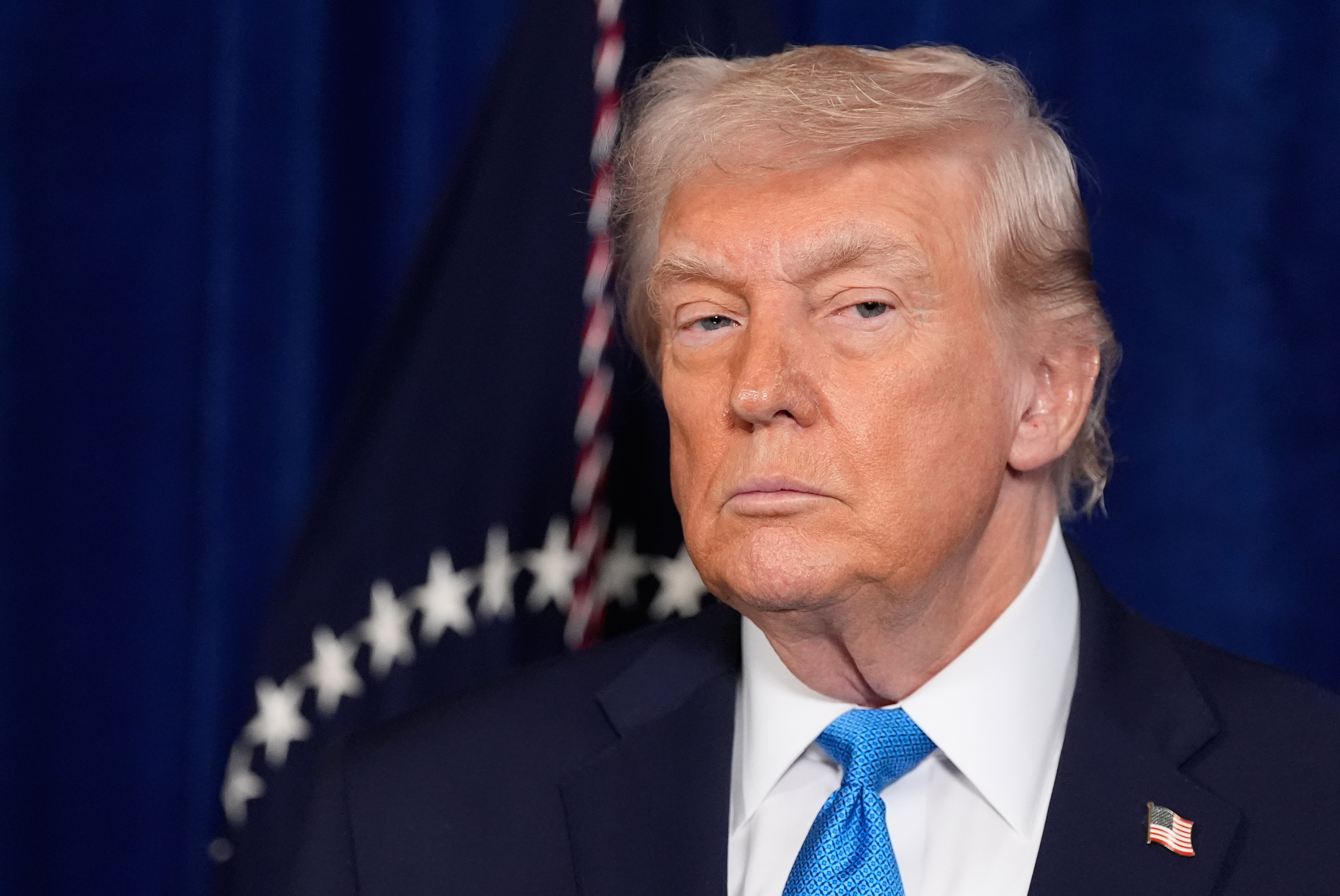 Operation Absolute Resolve: The US mission to capture Maduro
 Venezuela's VP condemns 'kidnapping' and says country will never be a US colony
 'Worse than COVID': How Porepunkah is coping months after horror shooting
 Who is Nicolas Maduro? From bus driver to Venezuela president
 'Extraordinary' couple gunned down in their US home