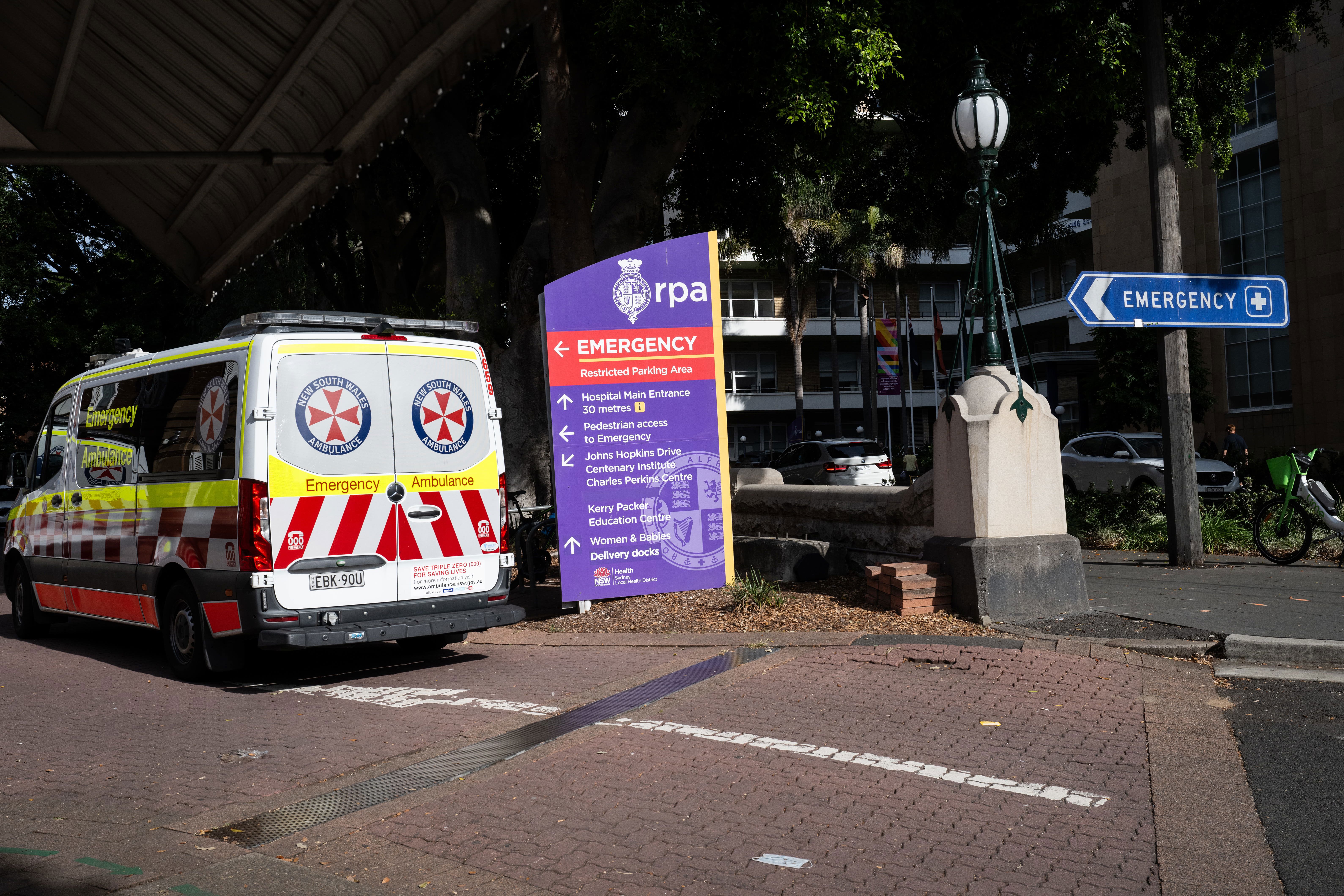
The fungus forced an entire ward of the hospital to be shut down.
Two patients died and four fell seriously ill after all contracting fungal infections while at Sydney's Royal Prince Alfred Hospital last year.
Sydney Local Health District (SLHD) has confirmed it is investigating a cluster of infections from a fungus called Aspergillus at the hospital's transplant unit between October and December.
SLHD acknowledged it is possible the fungal outbreak is linked to the $940 million redevelopment at the hospital. Construction on the project has been ongoing since 2023.
READ MORE: PM defiant as Australian children detained in Syria plead to come home
Aspergillus is a mould that can be found in soil, dust and damp environments like areas of high construction or demolition.
Serious symptoms of Aspergillus include breathlessness, coughing up blood, and respiratory failure.
READ MORE: Australia's biggest loyalty program is getting a major makeover
Six patients have confirmed to have been infected with the fungus. Two died and four others fell seriously ill.
A spokesperson from SLHD said people inhale the aspergillus spores every day without becoming unwell, however it can have a more harmful impact on immunocompromised people.
This includes patients undergoing organ transplant procedures.
"SLHD extends its deepest condolences to the families of the patients who died at Royal Prince Alfred Hospital and acknowledges the impact on all patients and families," the spokesperson said.
"Even before the full extent of the cluster was known, multiple actions were undertaken as quickly as possible beginning with an investigation by infectious diseases clinicians."
READ MORE: Huge swath of the country facing increased bushfire risk in lead-up to winter
It added that "fungal infections are a known risk for patients who are significantly immunocompromised, including patients undergoing organ transplant procedures".
The ward was closed while an investigation took place, with transplant patients relocated and potentially at-risk patients contacted.
A panel of experts, including NSW Chief Health Officer Kerry Chant, decided the ward could be reopened earlier this month after testing and analysis found no increased levels of the fungus remained.
"Additional patient safety measures were implemented, including a deep clean of the transplant ward, review of air intake points, upgrades to air filtration systems and comprehensive air quality testing," the spokesperson added.
NEVER MISS A STORY: Get your breaking news and exclusive stories first by following us across all platforms.
Download the 9NEWS App here via Apple and Google Play
Make 9News your preferred source on Google by ticking this box here
Sign up to our breaking newsletter here
 Loud alarm to blare from every phone in Australia at once
 Call to scrap hated group projects at Australian universities
 Accused murderer Greg Lynn makes bid for freedom
 Coroner rules NSW teenager died of a meat allergy from tick bites
 Family's prison visit to accused Bondi gunman cancelled
 'Spare me': Grace Tame refuses PM's apology over 'difficult' remark
 Kidnapped grandad murdered at rural stronghold: police
 CCTV shows group of masked men carrying out brazen kidnapping
 'Do their worst': Craig is fighting Trump's proposed Gold Coast hotel
 Blind refugee found dead after Border Patrol left him miles from home
 Gang of e-bike riders attack cyclist
 AI bringing 'structural reset' as thousand of jobs lost, expert says
 'Highly unusual' weather system floods four states at once
 Why this beach was just crowned Australia's best
 Samsung's new phone feature blocks prying eyes
 Coles 'down down' prices duped customers, court told
 Upgraded cameras set to detect driving offences on NSW roads better than ever