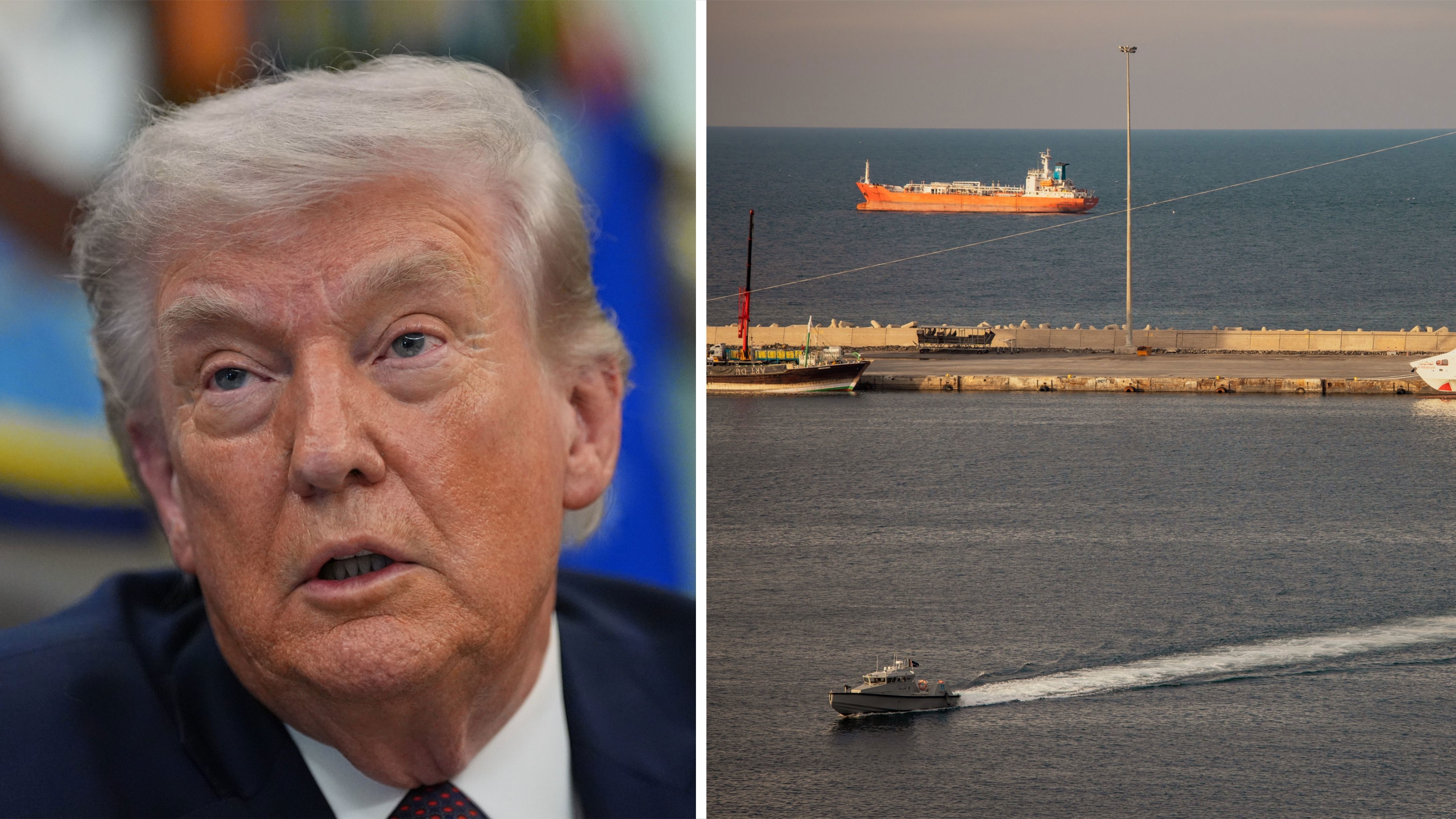
Trump's suggestion that the US will not assist in reopening the Strait of Hormuz to ships might a slight exaggeration.
Donald Trump has decided the rest of the world will clean up his oil spill.
After the US president claimed US troops will leave Iran within "two weeks, maybe three", there has been tentative relief over the possibility of the conflict in the Middle East winding down.
But as for the Strait of Hormuz and the global oil crisis the conflict triggered? Well, that's everyone else's problem.
READ MORE: 'Only as strong as the weakest state': PM's gun buyback scheme hits major snag
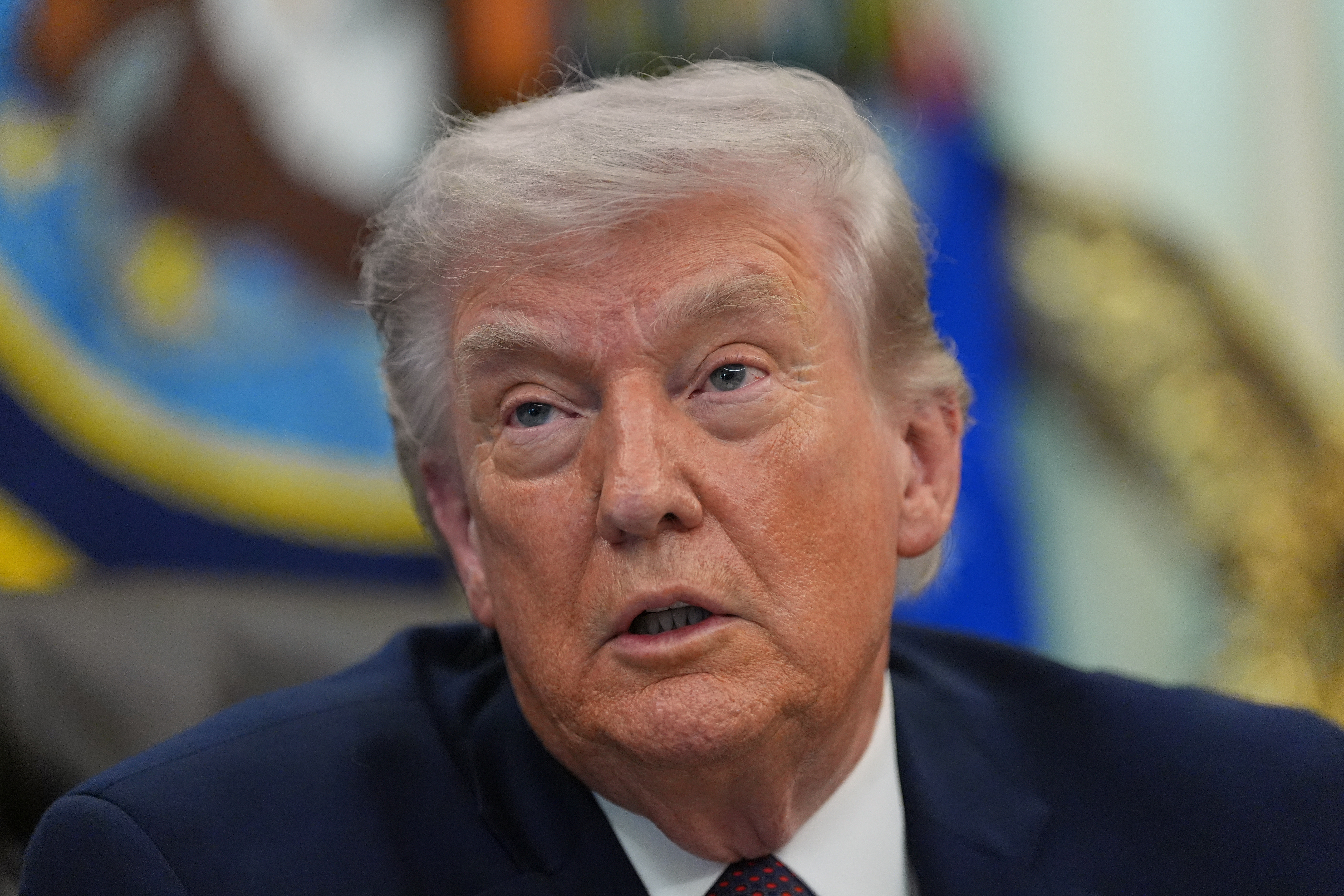
LIVE UPDATES: Trump says US will be leaving Iran within three weeks
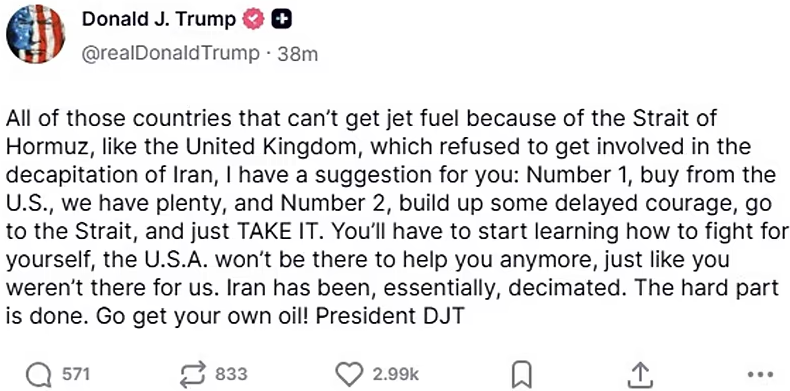
Trump appears to have washed his hands of the Strait of Hormuz and has little sympathy for US allies who are grappling with soaring oil prices.
"You'll have to start learning how to fight for yourself, the USA won't be there to help you anymore, just like you weren't there for us," he wrote in a post on Truth Social.
"Iran has been, essentially, decimated. The hard part is done. Go get your own oil!"
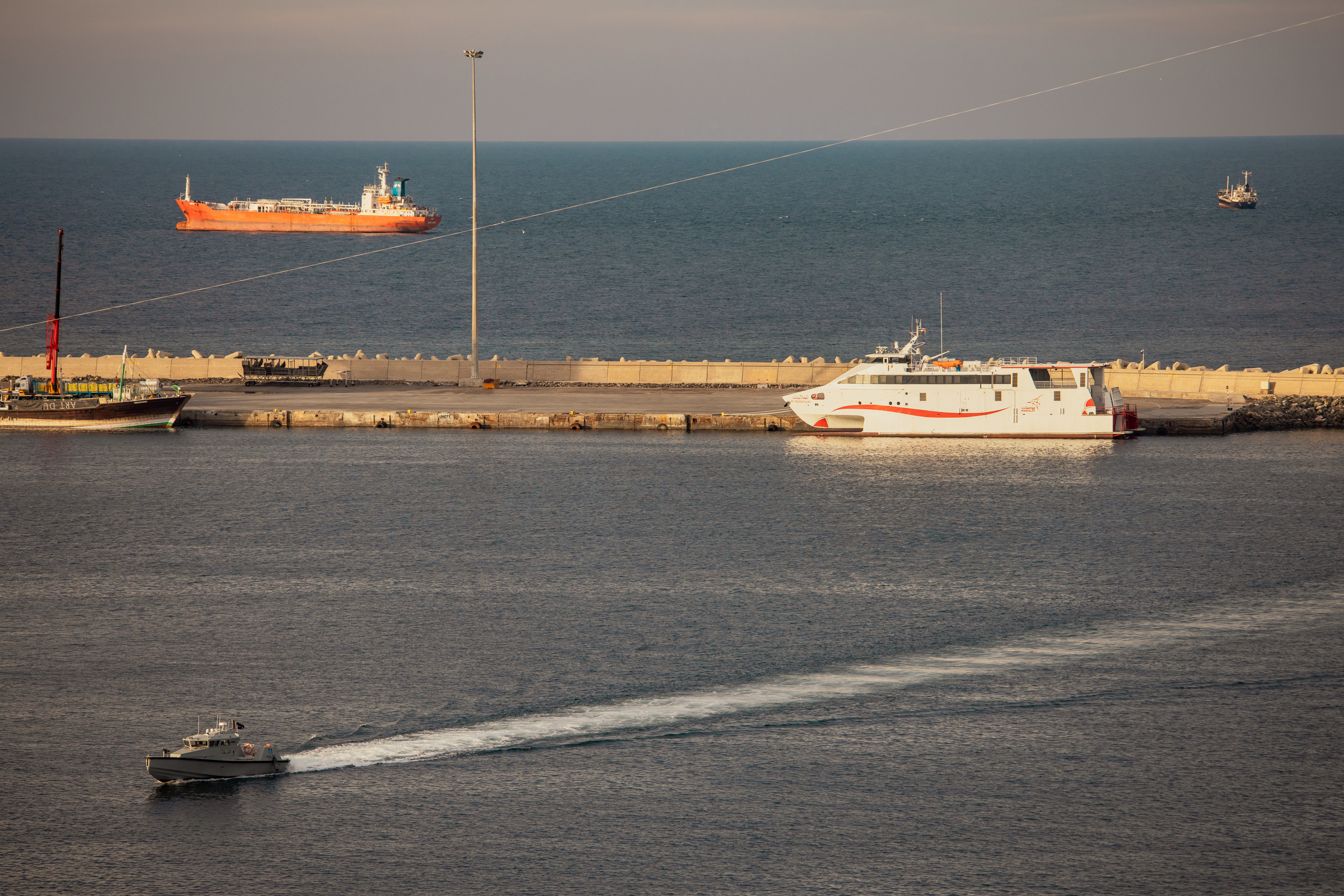
The Strait of Hormuz, a critical waterway for the world's oil supply, has been effectively closed since the war in began after Iran began targeting commercial ships.
For some time, an effective end to the war on Iran has felt dependent on prying back open the strait.
Now, it seems, Trump is more than willing to finish the US campaign without loosening Tehran's grip on the waterway.
However, Trump's suggestion that the US will not assist in reopening the strait to ships might be a slight exaggeration.
FUEL CRISIS: Servos cut prices as fuel excise reduction passes Parliament
Adjunct professor with the University of Western Australia Defence and Security Institute Jennifer Parker said she expects there will be heavy US involvement in any diplomatic negotiation with Iran.
"You've got to remember with President Trump, he'll say one thing one day and another thing another day," Parker told nine.com.au.
"I don't think, despite Trump's comments, that the US will not be engaged in [opening the strait].
"I think those tweets are unhelpful. But I don't think that the US will walk away from that problem."
The Trump administration previously threatened to forbibly take control of the Strait of Hormuz "one way or another".
US Secretary of State Marco Rubio said it may happen a few different ways, one of which could see a coalition of nations intervene to allow traffic back into the waterway.
Parker said, even if the conflict ends overnight, it will take a delicate operation to ensure ships can safely pass through.
READ MORE: This state just banned all phones, smartwatches and earbuds in schools
"There'll need to be a consistent campaign of making sure that civilian ships feel safe to go through the Strait," she said.
"And that will involve military patrols, it may well involve some escorts, it will involve strategic communications and broader naval presence.
"And then my view is that that will involve a coalition of some sorts."
Parker said she is almost certain that the US would be part of this coalition, despite his recent verbal retaliation against key allies.
"I think that they will play a leading role, as they have always done, in terms of the maritime security around that Strait," she added.
But Trump's words on Truth Social will carry some meaning.
The president's worldview stems from the Reagan-era of an aggressive US superpower, where allies will respond swiftly to a call to arms.
Parker doesn't believe this is entirely "unfair".
"Where it becomes unreasonable, though, is the way that Trump expresses that," she added.
"You also can't say that alliances also don't depend on trust and political suitability.
"I do think that it does undermine public trust in those alliances."
NEVER MISS A STORY: Get your breaking news and exclusive stories first by following us across all platforms.
- Download the 9NEWS App here via Apple and Google Play
- Make 9News your preferred source on Google by ticking this box here
- Sign up to our breaking newsletter here
 Price increase for milk could be next if fuel crisis deepens
 'We'll come through this': PM details $1bn plan, defends lacklustre national address
 Markets crash, oil skyrockets after Trump speech
 Major gambling reforms to cap betting TV ads between 6am and 8.30pm
 Bid to suppress names of alleged Bondi shooter denied in court
 What nine.com.au readers thought of Prime Minister Anthony Albanese's address to the nation
 Neo-Nazi kicks up stink over prison showers, cell time
 One dead, homes damaged following Indonesia earthquake
 Expert reveals whether Aussies will need to ration fuel
 Aerial images provide the closest look yet at Dezi Freeman's hideout
 Thunderstorms, showers and sun: Mixed bag of weather for Easter
 Experts warn brewing El Niño could hit Australia later this year
 NASA launches four astronauts to the moon in first lunar voyage in 53 years
 Donald Trump storms out of Supreme Court as he faces loss
 Easter travel shifts: Fuels prices hit Long weekend holiday bookings
 Red meat shortage, price hikes coming if farmers can't secure more fuel
 PM warns 'economic shocks' to be 'with us for months' in rare address
 Prosecutors assisting police in ex-prince Andrew investigation
 Easter trading hours 2026: When shops are open this long weekend