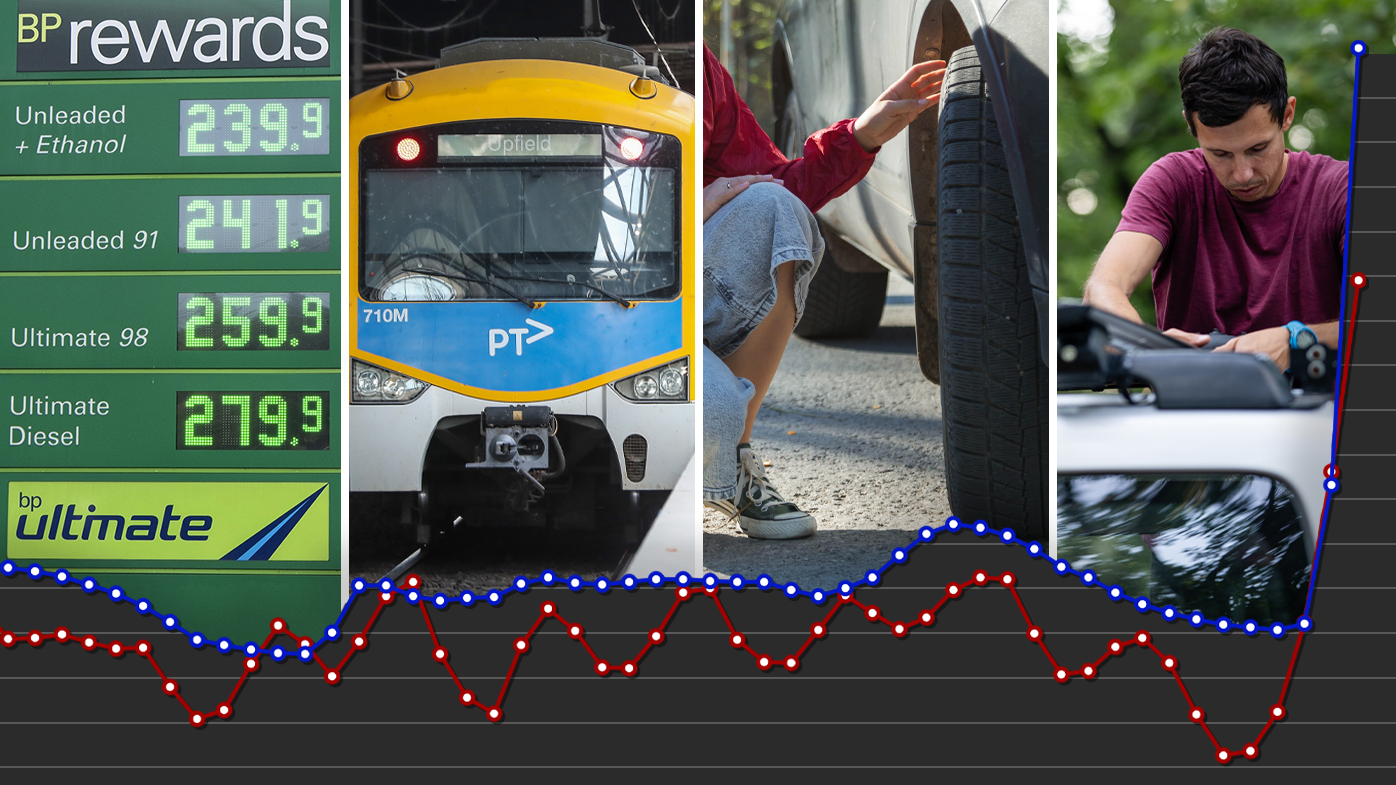
With petrol needed to keep many Australians moving, here are tips we can all follow to save money at the bowser.
Aussies all over the country are being hit by rising petrol prices at the pump as the cost of oil skyrockets due to the war in the Middle East.
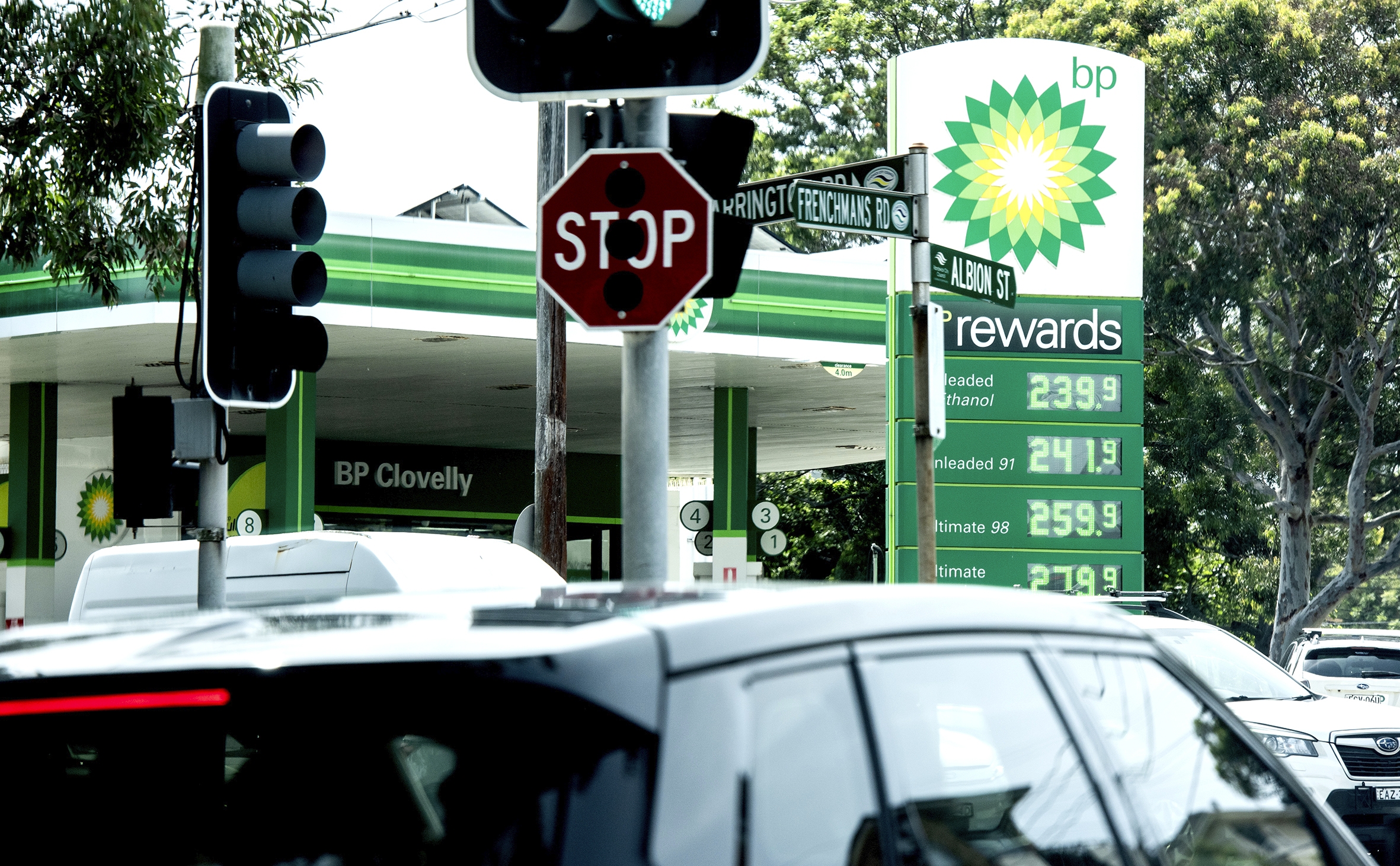
The average price of petrol across Australia reached an average of $2.19 a litre at the end of last week, with the price of diesel shooting up to above $2.40 a litre.
With petrol needed to keep many Australians moving, here are five tips we can all follow to save money at the bowser next time you fill up.
LIVE UPDATES: Trump berates allies as he finds himself alone on Iran war
1. Change your driving style
Experts agree a great and simple way to save on fuel every time you drive is to keep a close eye on your driving style.
If you are constantly speeding up and then having to slow down due to changing speed limits or traffic conditions, you burn more fuel as you have to break more often, and then get back up to speed.
"Heavy throttle use and excessive acceleration are a guaranteed way of using fuel or range," RACV's Andrea Matthews said.
She also suggested using cruise control if your car has it, as this helps maintain a consistent speed without using the brakes or accelerator too much.
The NRMA also suggests carefully planning your route to try and avoid peak periods if possible or roads where traffic will be higher, causing you to be stuck in a pattern of stop-start driving, as well as sitting idle, which burns more fuel.
READ MORE: Australia's most valuable company names new CEO
2. Make sure your tyres are inflated and properly aligned
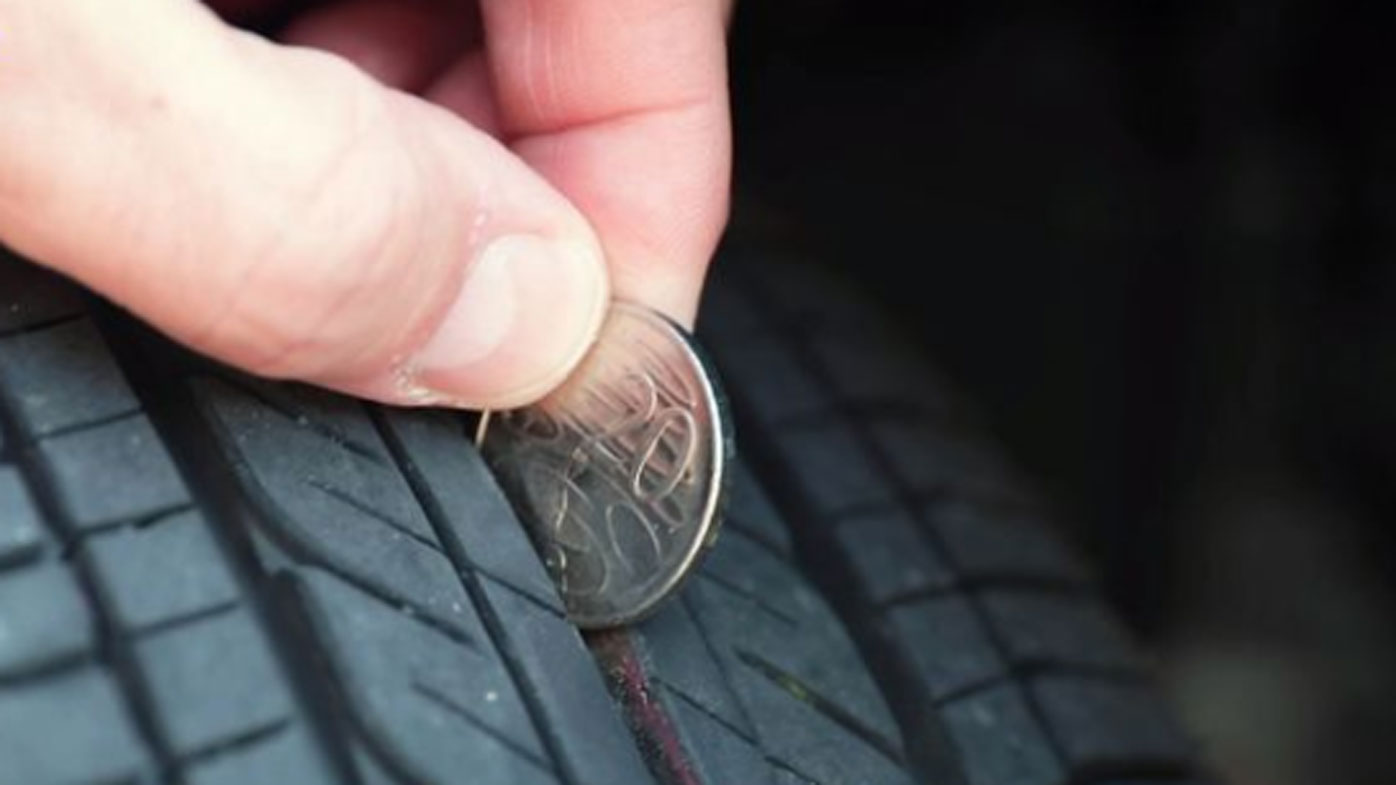
Not only is having your tyres properly inflated and maintained a good safety measure, it also saves on the amount of petrol you use.
Tyres that are under-inflated increase rolling resistance, and can increase fuel consumption by two per cent, according to the NRMA.
That doesn't sound like a lot, but it can add up over time.
"Underinflated tyres will wear earlier on the edges," Matthews said, "contributing to engine wear and higher fuel consumption."
To ensure your tyres last longer, she also recommends making sure your car has a wheel alignment.
"Getting a regular wheel alignment check will ensure your tyres last as long as possible," she said, saying a poor wheel alignment can produce more wear on the tyres and on other parts of the car, reducing its fuel efficiency.
The NRMA also recommends getting a wheel alignment once a year, as it reduces drag and rolling resistance.
READ MORE: Third man charged with murder over underworld shooting
3. Reduce weight by removing roof racks and other heavy items
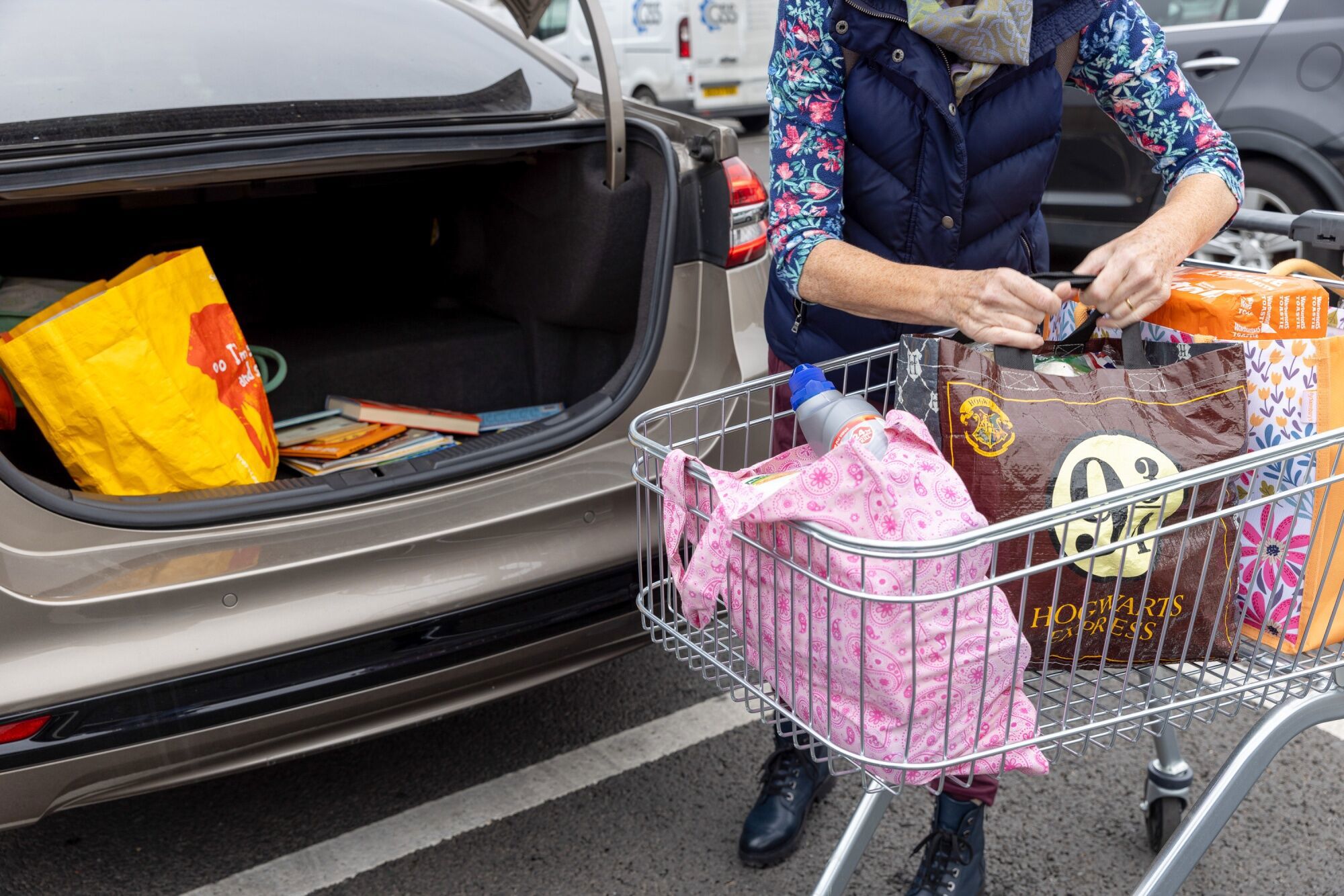
Science dictates it takes more fuel to move a heavier car, so reducing the luggage and items in your car can help your car remain more efficient.
While there are times you will need to have lots of things in the boot, make sure you do a regular clean out of your car, for example, every time you wash it, to make sure any heavy items that aren't necessary or used often don't take up space and add weight.
According to figures from the NRMA, a car that is loaded to its maximum weight can increase fuel consumption by 24 per cent.
Experts also recommend removing roof racks from your car if they are not being used.
This is because they increase weight, but more importantly, increase drag, making your car less aerodynamic and causing it to use more fuel.
READ MORE: 'I don't accept it': Kyle Sandilands reveals contract terminated by ARN
4. Use your air conditioner less
It may be a big sacrifice to make, especially in a country like Australia where the weather can be extreme, but experts say reducing your air conditioner use in your car is an important way to save on petrol.
The NRMA recommends, when practical, to roll down your windows instead when driving at lower speeds as a way to cool down your car without having to put the air conditioner on, though it warns doing this at higher speeds may have the opposite effect, as it increases drag and resistance.
If you feel the need to use the air conditioner, Matthews recommends these settings.
"Turn the A/C on to recirculate, as a way of reducing fuel consumption," she said.
"That way, you're cooling the same air from inside repeatedly for less money, instead of drawing in hot air from outside."
5. Drive less
While this is not an option for people in all parts of Australia, being more selective on when or how you drive is a useful strategy to save on petrol, especially amid the current crisis.
If possible, carpool with others when driving to work or other events to share the burden of having to drive and use petrol.
READ MORE: Rideshare fares increase as drivers grapple with soaring fuel prices
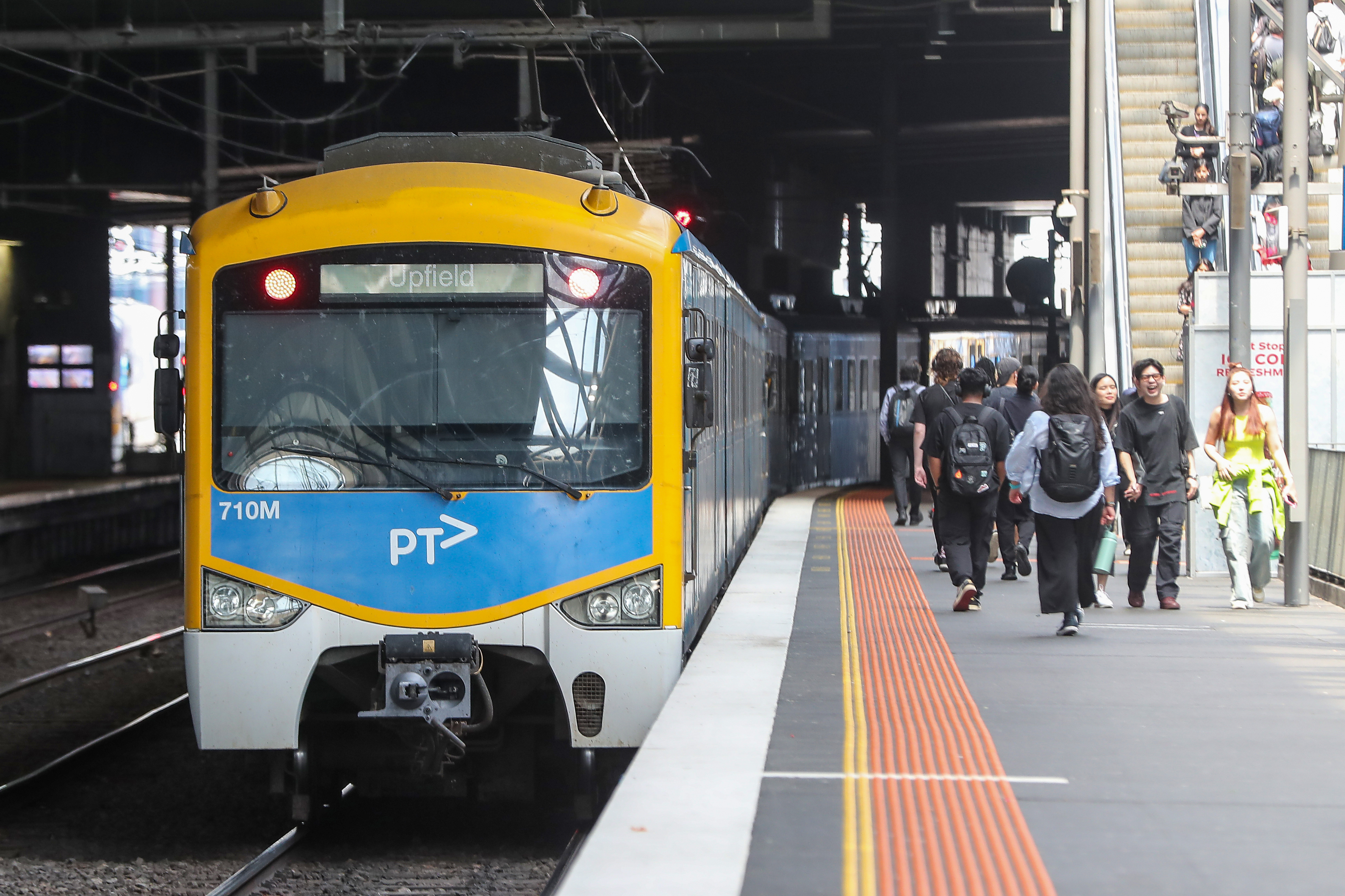
If carpooling is not possible and you are able to, use alternative means to get to work or to where you need to go.
Try walking or using a bicycle, or use public transport if you are near a bus stop or train station.
NEVER MISS A STORY: Get your breaking news and exclusive stories first by following us across all platforms.
- Download the 9NEWS App here via Apple and Google Play
- Make 9News your preferred source on Google by ticking this box here
- Sign up to our breaking newsletter here
 Dire warning about war's impact in Australia
 Chilling prediction of 'slaughter' in diplomatic cables
 NSW government paid $700 to get serial killer out of home with foster children
 Ex-NRL star has 'come to Jesus' moment after alleged attacks on teen and cop
 Australian troops safe after Iranian missile strikes near UAE base
 With one sentence, treasurer drops major hint on $22 billion tax overhaul
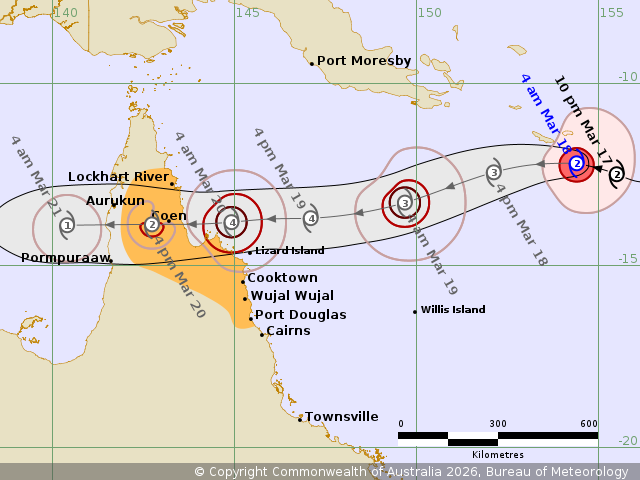 Premier says window to act is closing as Far North Queensland braces for wave of destruction
 Australia's most valuable company names new CEO
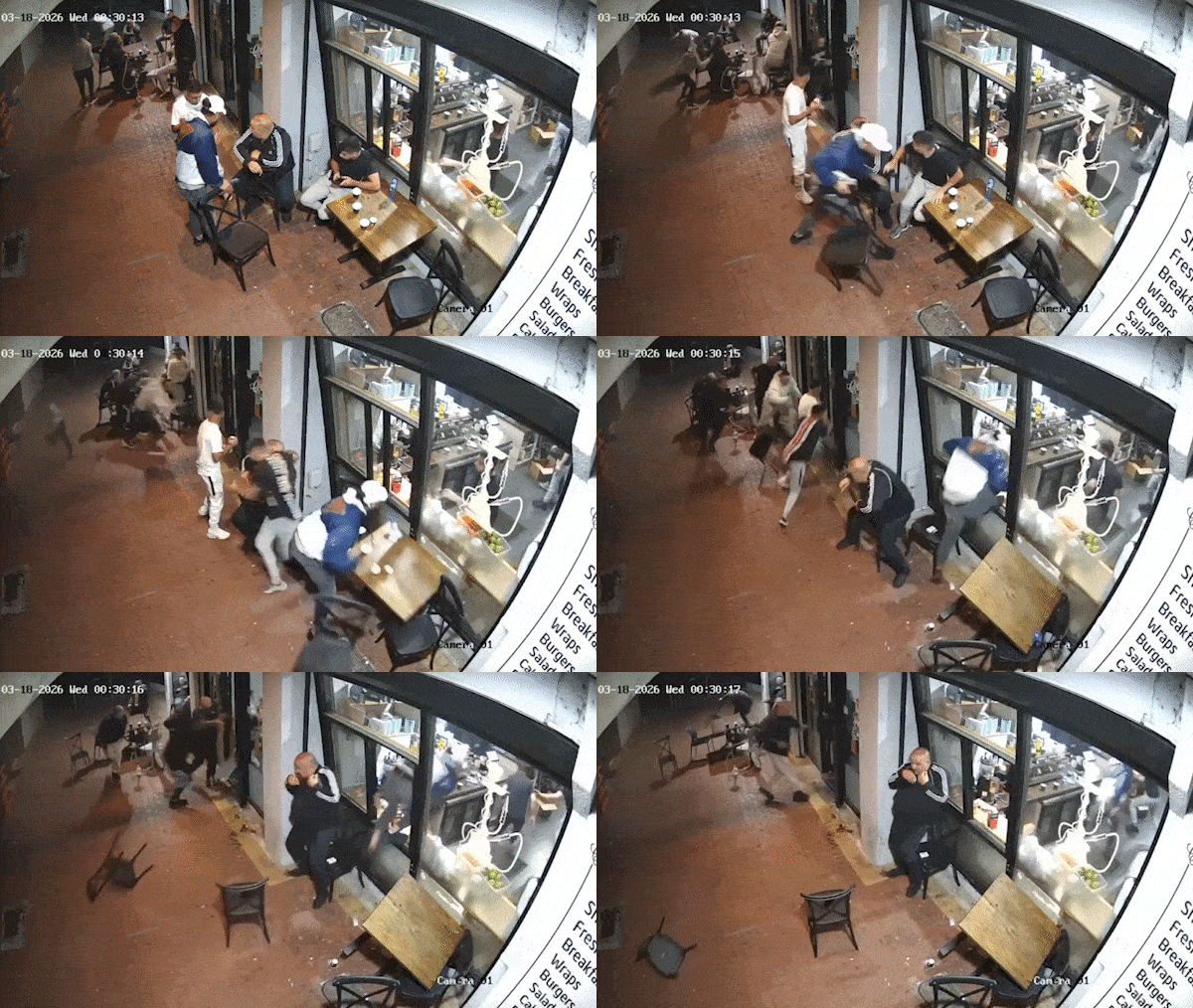 CCTV captures the moment man shot outside Melbourne cafe
 Trump berates allies as he finds himself alone on Iran war
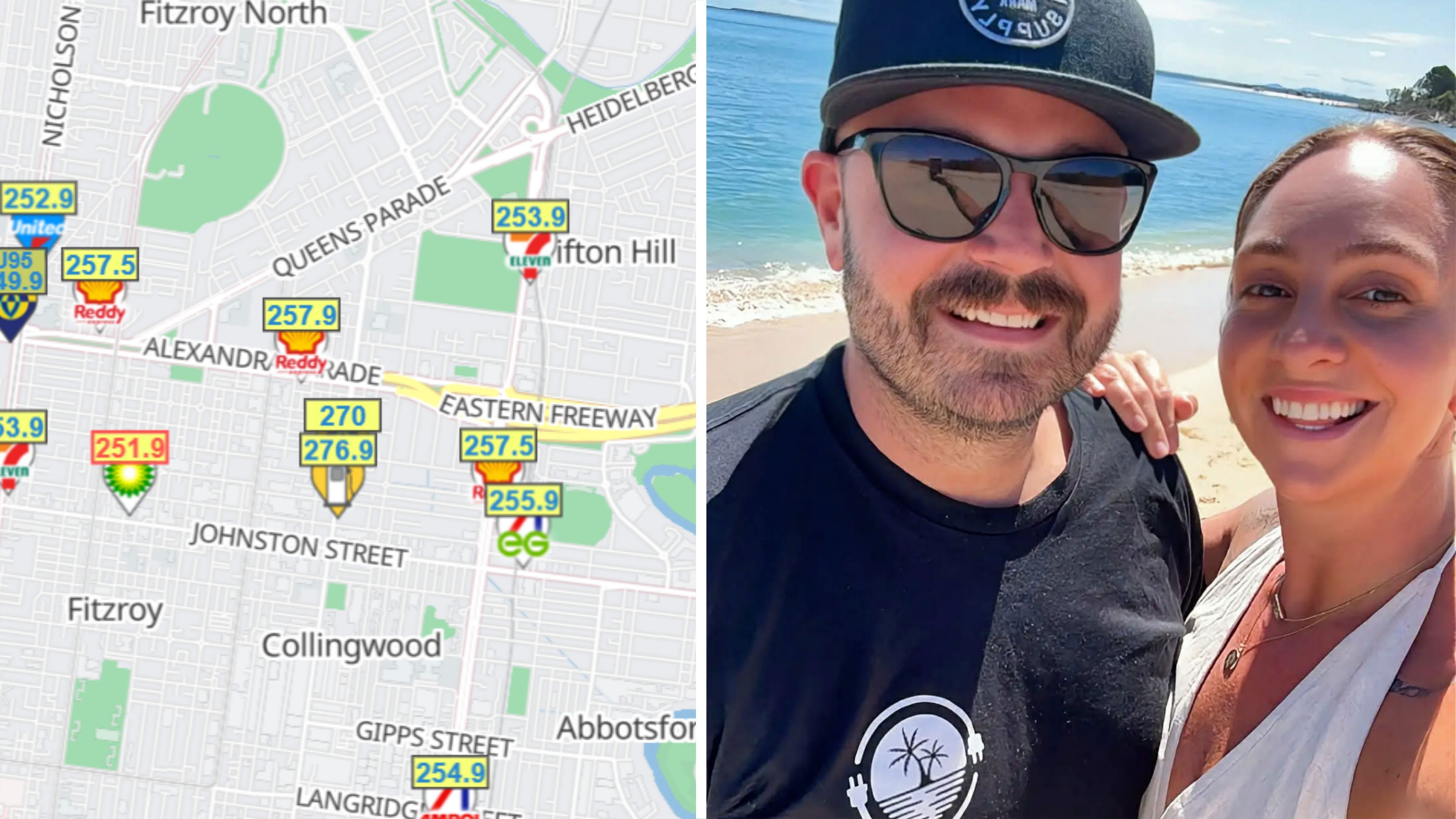 Couple's $800 headache at the bowser as price hikes hurt caravan owners
 'Global recession risk': The danger on the flipside of the RBA's rate hike
 Average Aussie household almost $75 a week worse off than six weeks ago
 Man charged after ute filmed screaming down Melbourne street on rims
 The Reserve Bank has hiked interest rates again. How much will this cost me?
 Alleged Bondi shooter's family 'fearful' and at risk of being killed, court told