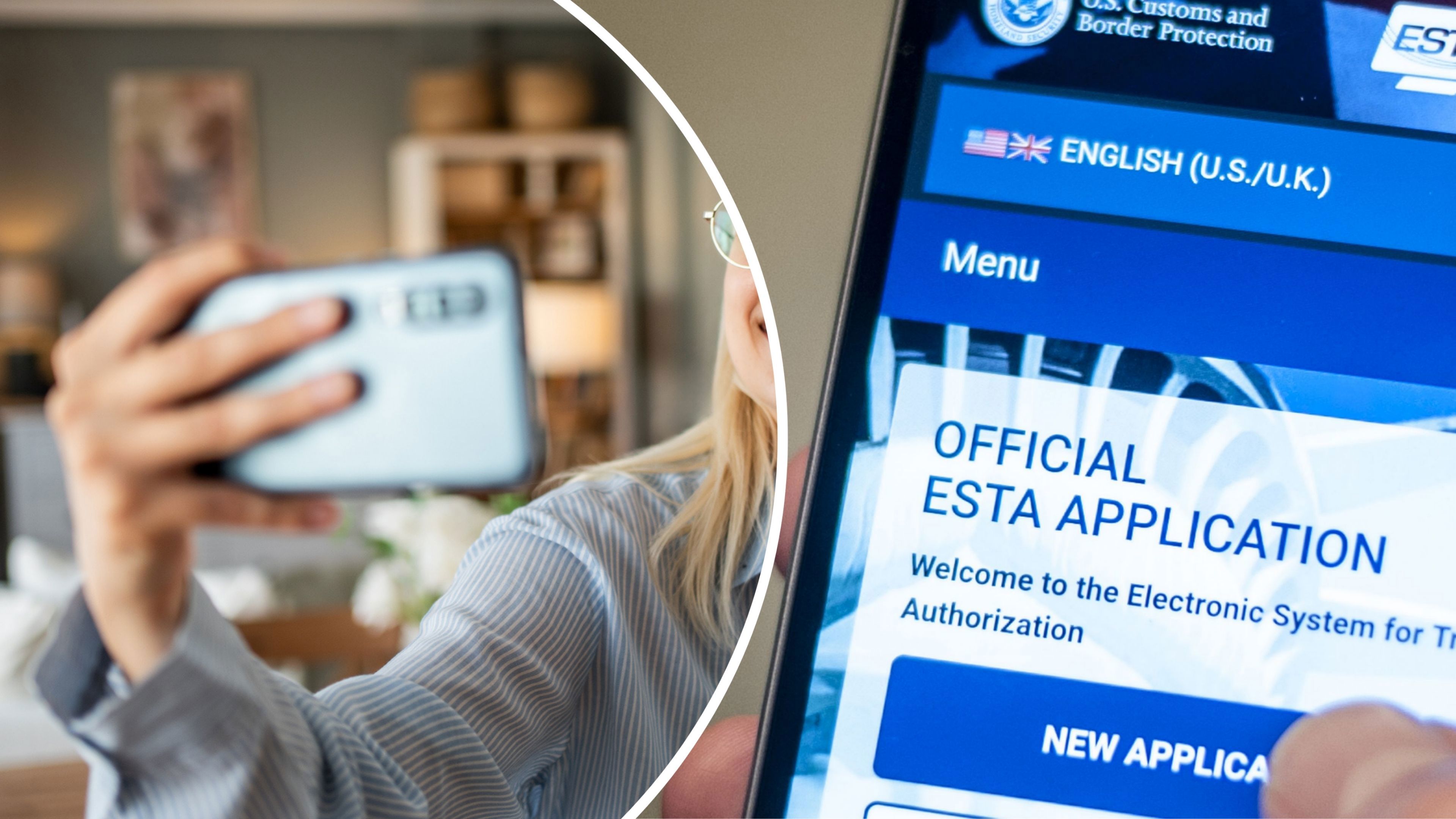
If you want an American holiday, you will now have to give up a surprising amount of personal information.
Australian travellers may soon have a strict new set of rules they must follow before being allowed to enter the United States.
In a post-9/11 world, the US has tightened its border security tenfold.
And in the second Donald Trump administration, an executive order that federally enshrined tougher execution of immigration laws has made it even harder for non-Americans to cross the border.
READ MORE: Aussie couple's dream holiday ruined over US immigration debacle
Do you have a story? Contact reporter April Glover at april.glover@nine.com.au
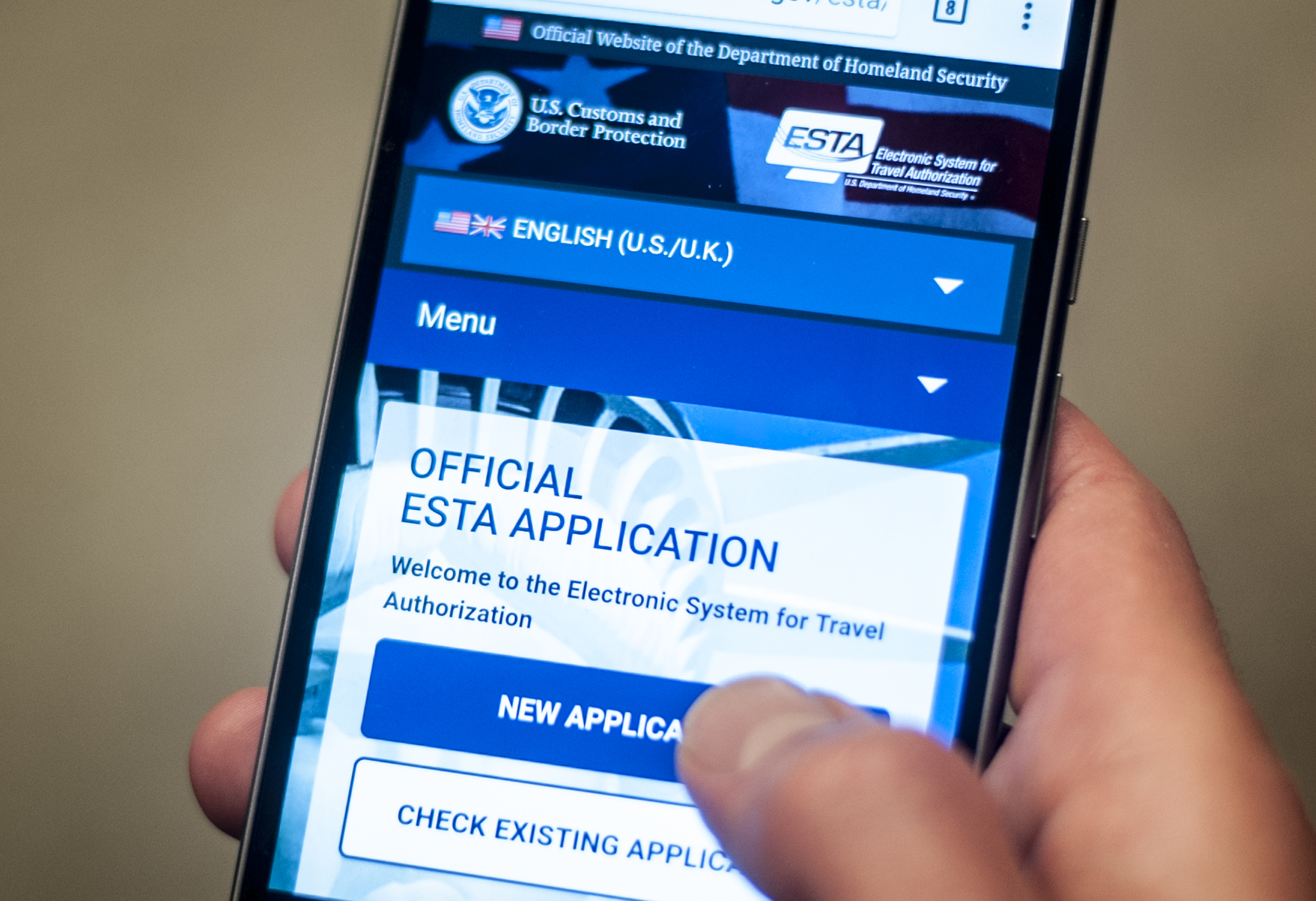
Now, the US has proposed a new condition which could mean your social media may be carefully vetted before an Electronic System for Travel Authorisation (ESTA) is approved.
Under this plan, tourists hoping to visit for 90 days or less on an ESTA could be asked to provide five years of social media history or face being blocked from entering.
The proposed changes to the visa waiver application include making provision of social media history mandatory and adding "high-value data elements".
This may include a traveller's phone numbers and email addresses over the prior five years, plus close family members' names and birth dates, along with their birthplaces, residences and phone numbers over the prior five years.
The US Embassy and Consulate in Mexico also warned if any active social media information or accounts were not listed, it could lead to current or future visas being denied.
"We just want people to come over here, and safe. We want safety," Trump said this week.
"We want security. We want to make sure we're not letting the wrong people [to] enter our country."
READ MORE: Aaron was accused of illegally staying in the US for over 10 years
READ MORE: Tasmanian teenager isolating after measles diagnosis
Melbourne-based US immigration lawyer Sherwin Noorian told nine.com.au it was likely that most of the gazetted changes would be baked into the ESTA guidelines.
But it did not mean every Australian traveller applying for a visa waiver would have their social media thoroughly checked.
Although the proposal suggests your social media data needs to be accessible, manual history checks might be rare.
"Some may be singled out for manual inspection by a Customs and Border Protection (CBP) officer," Norrian said.
"There also may be incorporation in the future of AI technology to analyse social media and other data automatically and flag anything of concern to officers."
When asked about the looming proposal, Prime Minister Anthony Albanese said the US had the "right to set rules".
"We give advice on Smart Traveller to Australians travelling to destinations overseas about what are the expectations of particular countries, be it the United States or other nations as well," the PM said.
Can a traveller be denied entry for past social media posts?

Noorian said there were certain types of social media usage and posts that could be flagged by the CBP.
Some travellers have reported this year they were denied entry at US airports because of a meme or blog post associated with their social media accounts which were critical of the Trump administration.
"Legally speaking, purely political criticism would not lead to inadmissibility to the US," Noorian added.
"However, it is always possible that an individual officer singles someone out for political content and gives them a hard time, due to the level of discretion they hold."
CBP officers may also be hyper-vigilant to any evidence of illegal drug use.
Noorian warned even marijuana use, which is legal in 26 US states, could be deemed problematic.
"Violation of controlled substances laws of the US or any other country leads to inadmissibility to the US for foreign nationals," he said.
READ MORE: Shocking footage shows woman targeted in teen shopping centre brawl
Social media influencers on an ESTA visa waiver should also be wary of the content they film while in the US.
Noorian said if Australian influencers filmed paid content on US soil, this could be a violation of an ESTA.
"An influencer or content creator who filmed monetised content in the US on an ESTA can also pose issues in theory, because it can be considered 'work' and therefore not authorised as a visitor," he added.
An ESTA, which most Australians use to enter the US, does not guarantee entry.
The first time a traveller is genuinely assessed under an ESTA, Noorian said, was once you land on US soil.
"For most people, they wait until they're in the country and then they say, 'OK, we're going to assess you for your eligibility to enter,'" he said.
"I think the Smartraveller advice on this is really quite accurate when they say, be aware that the US authorities have a high level of discretion for visa waiver entries.
"It means even more for an Australian traveller than someone coming from Canada or the UK."
READ MORE: Woman dead, man hospitalised in Adelaide house fire
Which social media platforms are tracked by US immigration?
The CBP and Department of Homeland Security has not yet outlined which social media platforms they will expect history from, or how they will get it.
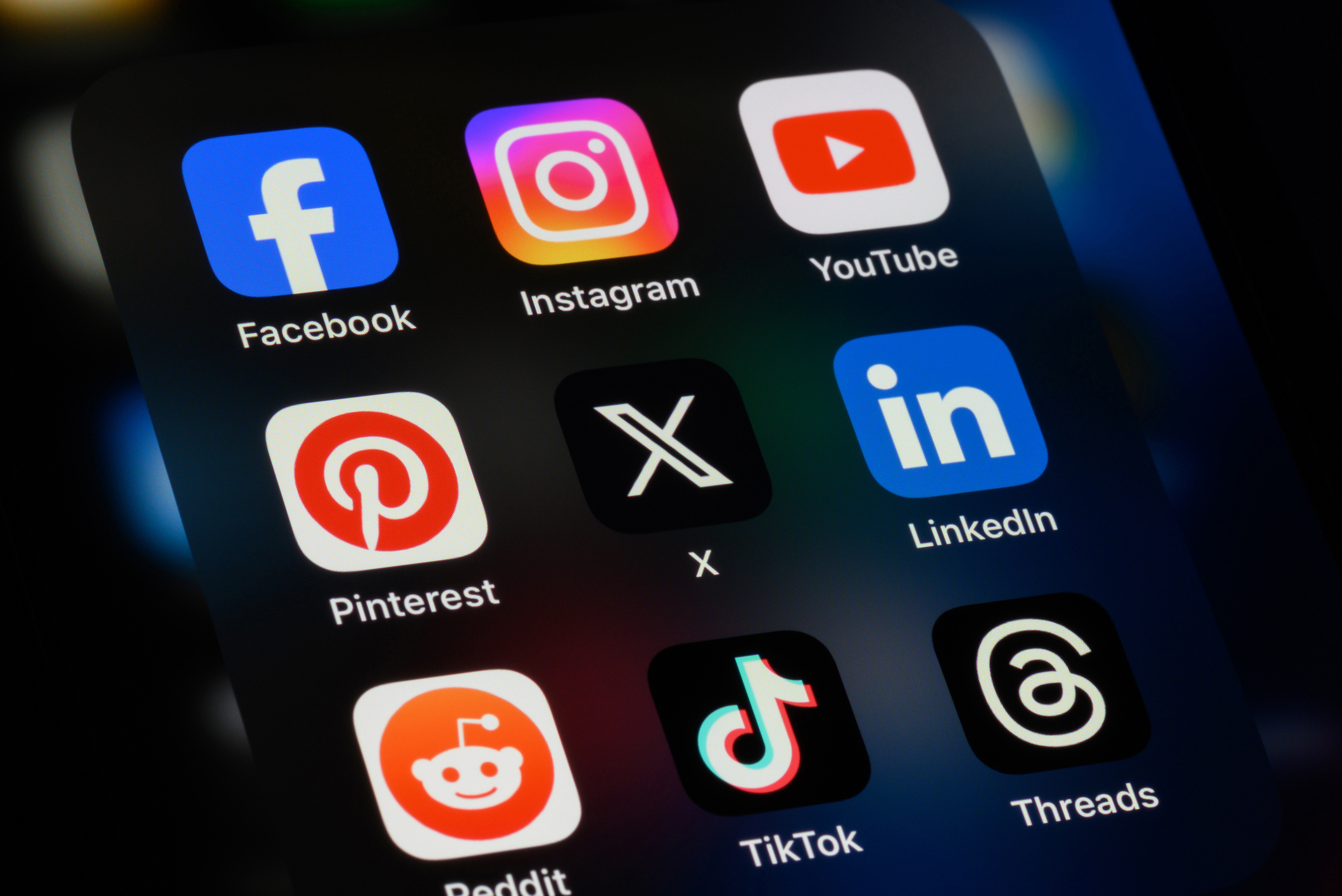
It is likely that popular platforms such as Instagram, X, Facebook and TikTok fall under this umbrella.
Anti-Trump or anti-US blog posts, TikToks or Instagram content that evidences illegal activity or paid work done in the US could also be looked at by the CBP.
Sign up here to receive our daily newsletters and breaking news alerts, sent straight to your inbox.
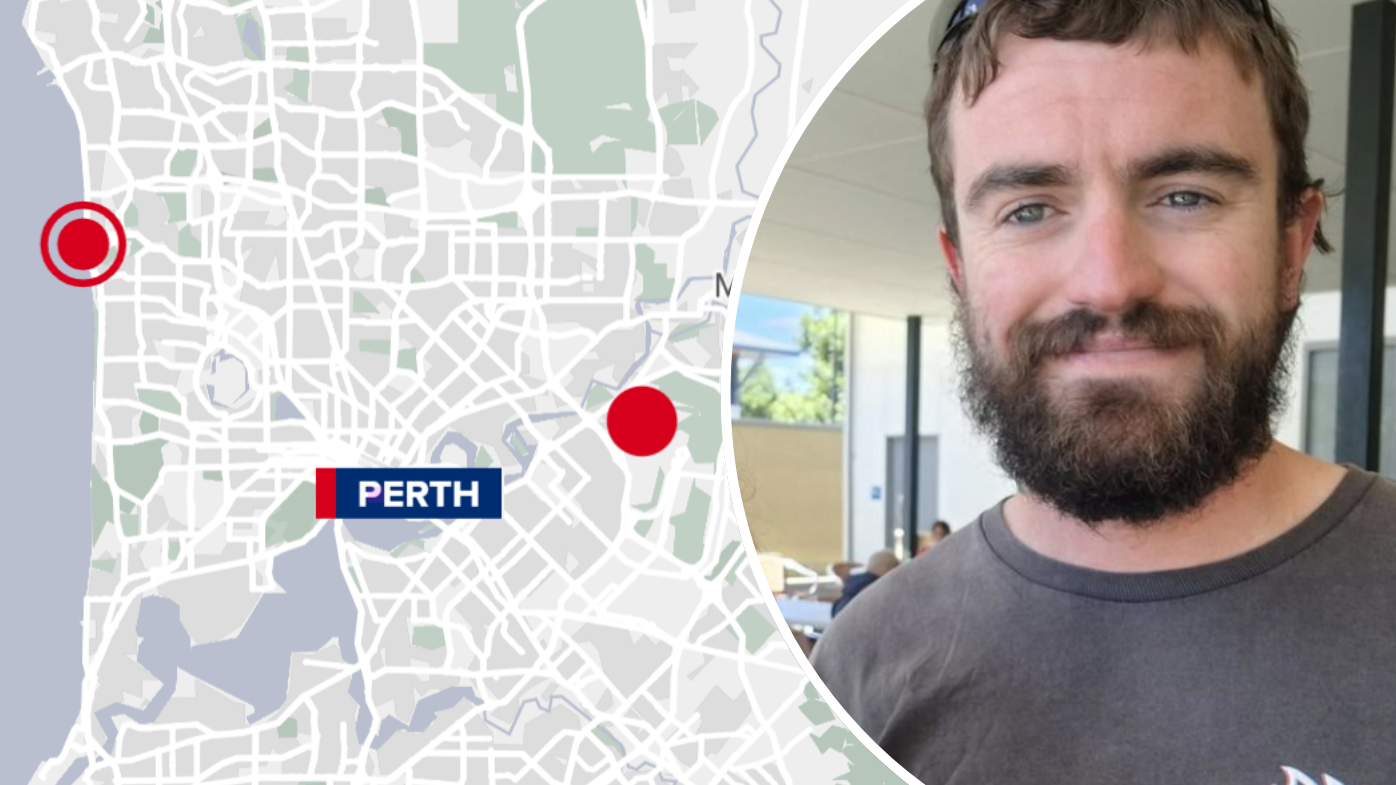 Missing FIFO worker failed to board flight and hailed a cab to the beach
 Man arrested over alleged murder of Adelaide father-of-two
 Man critically wounded, another arrested after shooting in Victorian beach town
 Massage therapist accused of rape and sexual assault hit with 40 more charges
 Why more than 3 million Australians aren't finding enough work
 Burglar found guilty of raping NSW aged-care resident
 Trump's latest move in Venezuela about 'regime change': senator
 Bupa fined $35m for misleading thousands of customers for over five years
 Cath has re-stocked her pantry and planned her meals for 2026
 Chilling footage shows masked men breaking into woman's bedroom before robbery
 Watches worth nearly $8.5m still missing after French thieves target Canberra home
 Skydiver's narrow escape after parachute deployed early
 Painstaking detail hidden in Queensland family's Christmas display
 One city set to swelter on Christmas Day
 Jewellery chain collapses into administration
 Iceland joins countries boycotting Eurovision
 Millions warned to expect severe storms, damaging winds
 US plans social media check on Australians and other visitors
 Underwater 'storms' are eating away at Antarctica's Doomsday Glacier