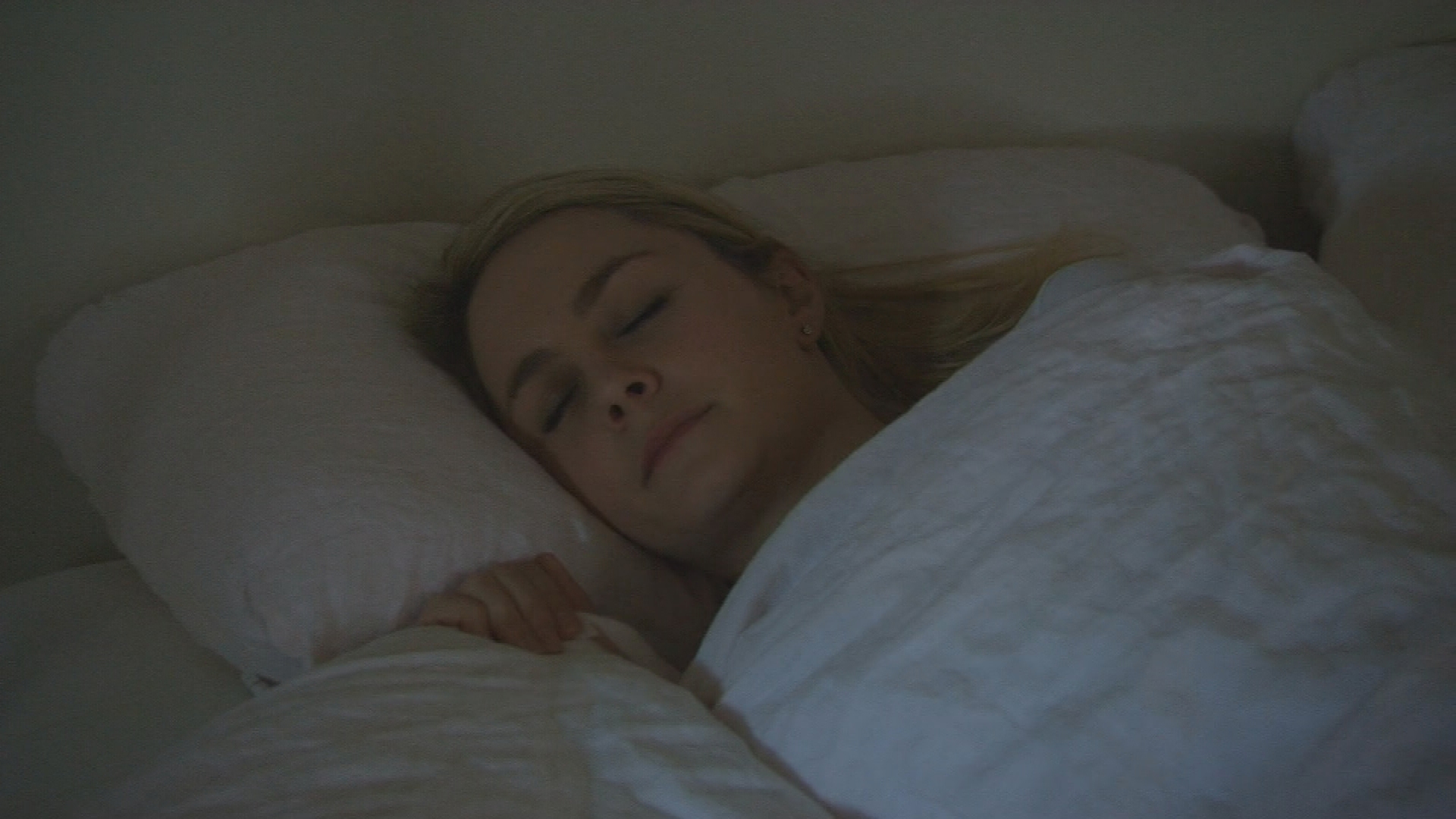
The study found men are far more likely to be impacted than women.
People who have disturbing dreams more often could be at higher risk of developing dementia, an Australian-led study has claimed.
More than 10,000 adults aged between 60 and 89 were followed over time and asked how many times a week they would have disturbing dreams.
The study's authors define disturbing dreams as nightmares or bad dreams, which are intense dreams that can wake the sleeper.
READ MORE: Parts of Melbourne set for high rises up to 20 storeys tall under new planning reforms
"Technically, nightmares are the disturbing dreams that wake the sleeper up but there are also other dreams that have similar emotional intensity but they don't wake the sleeper up," lead author Dr Darren Lipnicki said.
Nearly a quarter of all participants said they experience disturbing dreams, and the study, an international collaboration featuring scientists from Europe, Asia and the Americas, has found a potential link to having more bad dreams and developing dementia later in life.
Adults between 60-69 who reported experiencing bad dreams are four times more likely to develop dementia.
ROYAL NEWS: Matt took on the King of Denmark in a game of ping pong - and won
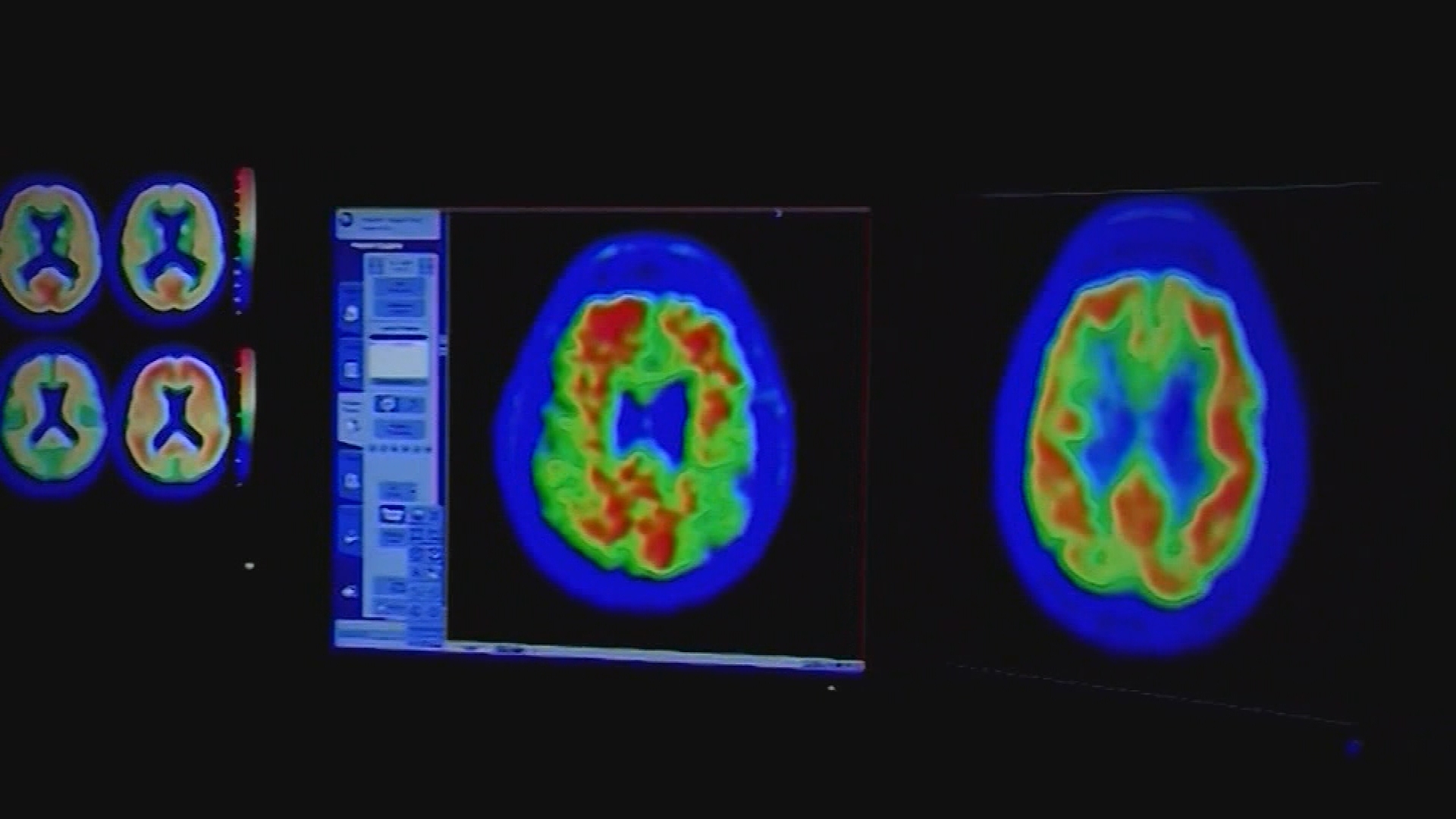
"We found the strongest association in people in their 60s, which may suggest that disturbing dreams could be an early marker of dementia risk for some individuals," Lipnicki said.
Researchers say the do not know the reason why bad dreams and dementia could be linked, but they believe it could be a sign of early changes in the brain chemistry, as well as the impacts of long-term chronic stress on the brain.
It found men were far more likely to experience this link, with Lipnicki stating there was little evidence for women to be affected by this new phenomenon.
"I think the reason for this has to do with the pathology and the type of dementia that's involved," he said.
FINANCE: Dire warning about war's impact in Australia

However, he was at pains to suggest it wasn't a set in stone finding, instead that it could be used to guide future research on the issue.
This is especially important as our population begins to age.
"It's important to emphasise that not everyone who experiences disturbing dreams will go on to develop dementia," he said.
"However, the findings suggest that frequent disturbing dreams - particularly in men and adults in their 60s - may warrant further investigation in future research."
NEVER MISS A STORY: Get your breaking news and exclusive stories first by following us across all platforms.
- Download the 9NEWS App here via Apple and Google Play
- Make 9News your preferred source on Google by ticking this box here
- Sign up to our breaking newsletter here
 Conspiracy theorist podcaster admits murdering woman
 Australian man accused of assaulting TSA officer at Los Angeles airport
 Supermarket giants say 'no changes' to delivery prices - yet
 Teens accused of bullying girl, 13, in school bathroom face court
 Monitoring regime voided with killer's High Court win
 Man who allegedly fatally stabbed daughter and fiancée suffers mental disorder, lawyer says
 Second hiker dies in hospital after horror fall on Sunshine Coast mountain
 Matt took on the King of Denmark in a game of ping pong - and won
 CCTV captures the moment man shot outside Melbourne cafe
 Top tip to save on fuel in Australia's fuel crisis
 Trump berates allies as he finds himself alone on Iran war
 Couple's $800 headache at the bowser as price hikes hurt caravan owners
 'Global recession risk': The danger on the flipside of the RBA's rate hike
 Average Aussie household almost $75 a week worse off than six weeks ago
 Man charged after ute filmed screaming down Melbourne street on rims