Australia's drugs regulator has new advice on the risk of suicidal ideas and contraception issues.
Australia's drugs regulator has issued a fresh warning for users of high-profile injectable diabetes and weight-loss drugs such as Ozempic.
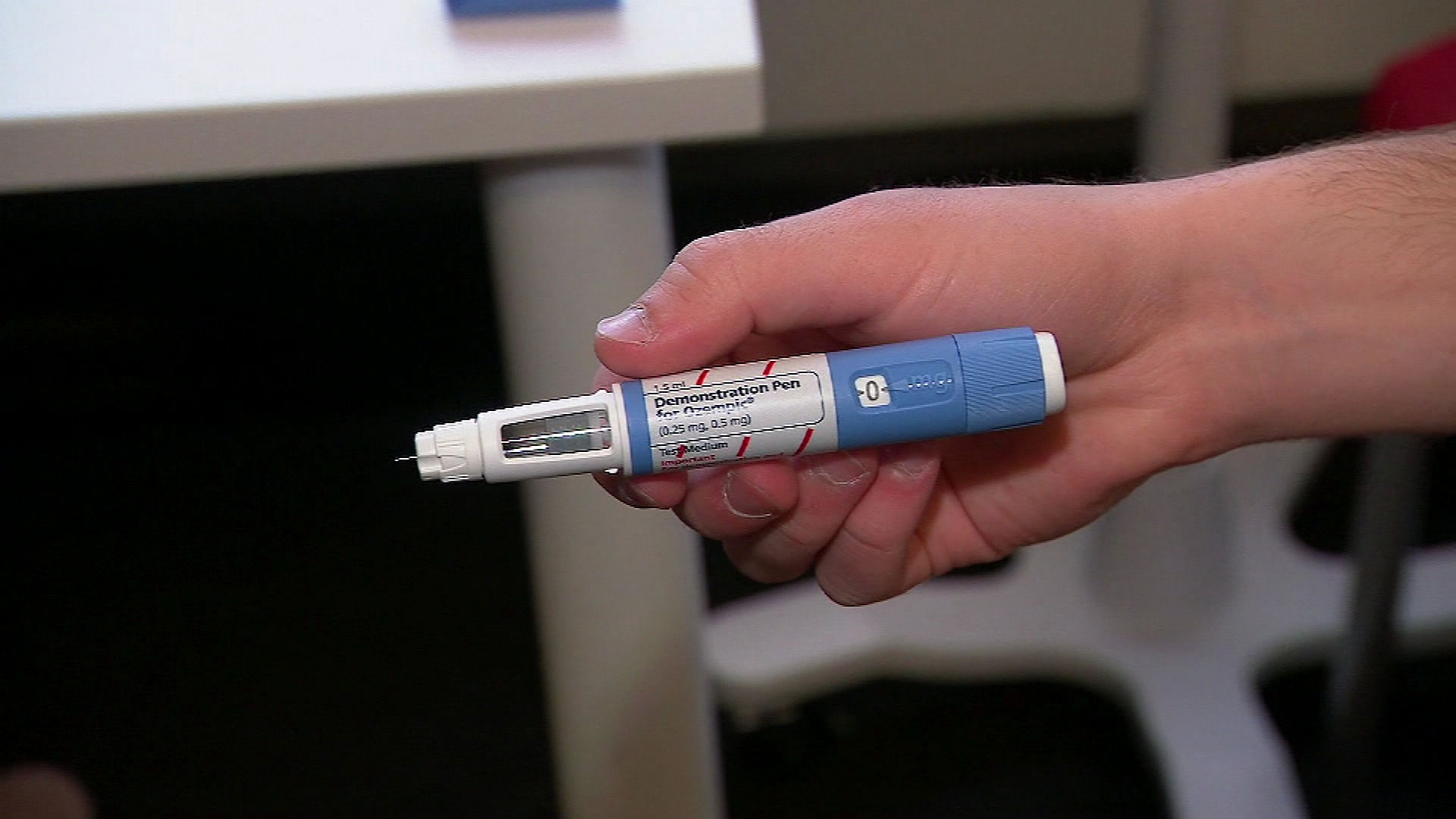
The Therapeutic Goods Administration today updated its advice for the whole class of GLP-1 receptor agonists with warnings about the potential for suicidal thoughts, as well as an increased contraception warning for one popular brand.
The updated self-harm advice followed international signs of "potential risk of suicidal thoughts or behaviours".
READ MORE: Shocking truth as companies forced to reveal ransoms they've paid
The TGA said it consulted with the Advisory Committee on Medicines, which didn't find enough evidence to support a causal link but noted "complex interplay between mental illness and chronic endocrine disorders" for which the drugs may be prescribed.
It also highlighted the "potential relationship between weight loss and suicidal/self-injurious ideation".
"Patients taking any of these medicines should tell their health professional if they experience new or worsening depression, suicidal thoughts or any unusual changes in mood or behaviour," the TGA recommended.
The warning covers Ozempic (semaglutide), Wegovy (semaglutide), Saxenda (liraglutide), Trulicity (dulaglutide) and Mounjaro (tirzepatide).
The TGA also couldn't rule out a link between Mounjaro and reduced effectiveness of oral contraception.
"Patients taking tirzepatide are advised to switch to a non-oral contraceptive or add a barrier method of contraception for four weeks after first taking the medicine and for four weeks after each increase in the dose," the TGA said.
READ MORE: Man from high-profile family denies rape
READ MORE: Teen charged after schoolies celebrations go horribly wrong
None of the class of drugs should be used during pregnancy.
The injectables, first used to treat type 2 diabetes, have become wildly popular since their appetite suppression properties were discovered.
They're used to treat obesity, as well as by many for general weight loss.
The World Health Organisation on Monday issued its first guideline on the use of GLP-1 therapies for obesity, conditionally recommending them as part of long-term treatment for the condition.
But researchers have also raised several health concerns, such as arthritis and stomach issues, while noting the potential for health benefits for overweight people stemming from weight loss.
Potential long-term side effects of the new drugs are yet to be fully understood.
Readers seeking support can contact Lifeline on 13 11 14 or beyond blue on 1300 22 4636.
 Trump willing to release MRI results, but 'no idea' which part of body it examined
 Australia's happiest generation of workers revealed
 Australian businesses paying ransoms to cybercriminals in alarming numbers
 Cars being weaponised against owners by domestic violence abusers
 Brave boy who lost mum, leg attends chopper crash probe
 Chinese naval flotilla could be heading for Australia
 Police reveal key clues about whoever is behind Adelaide school threats
 Weather whiplash as cities swelter, freeze on first day of summer
 Will children under 16 get in trouble for accessing social media?
 Oxford Dictionary's Word of the Year 2025 is utterly infuriating
 The little-known apps kids are switching to ahead of social media ban
 Australia welcomes summer with weather extremes from snow to heat
 Hit with an unusual spring flu? Turns out you aren't alone
 Why millions of Aussies could lose thousands by the end of the year
 Dozens arrested in Port of Newcastle climate change protest
 Massive industrial fire in Sydney's west could burn for days