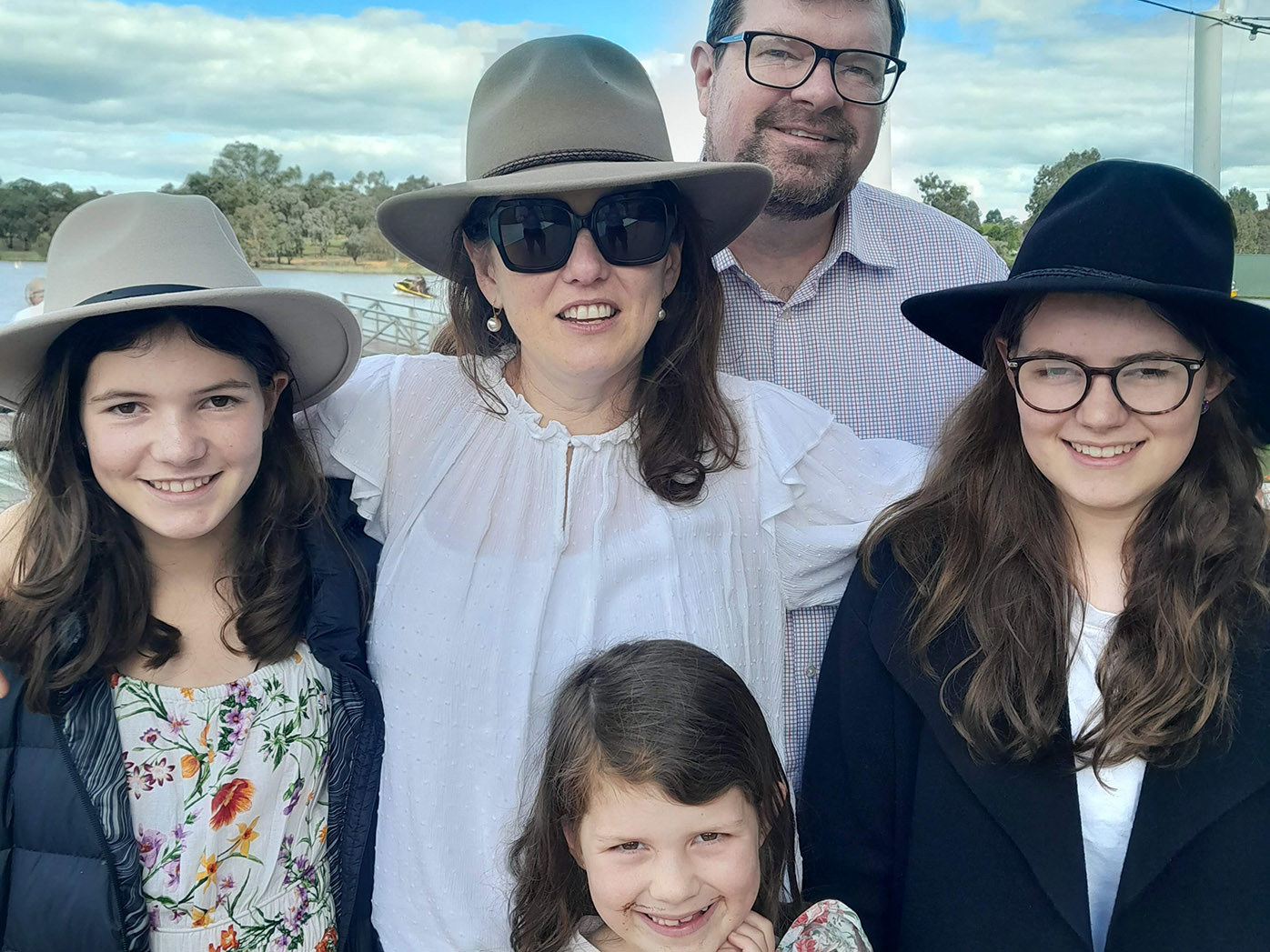
The national birth rate is expected to plummet to a record low of 1.42 this year, but a small population of Aussies are bucking the trend.
Exclusive: The national birth rate is set to plummet to a record low of 1.42 this year as Australians increasingly choose to have fewer kids, or none at all.
The cost-of-living crisis, rental and housing shortages, and the state of the world are common factors in Aussie couples' decisions to keep families small.
But there are some bucking the trend and having three, four, or more children despite the financial and other pressures.
READ MORE: Aussies on good money are being priced out of parenthood
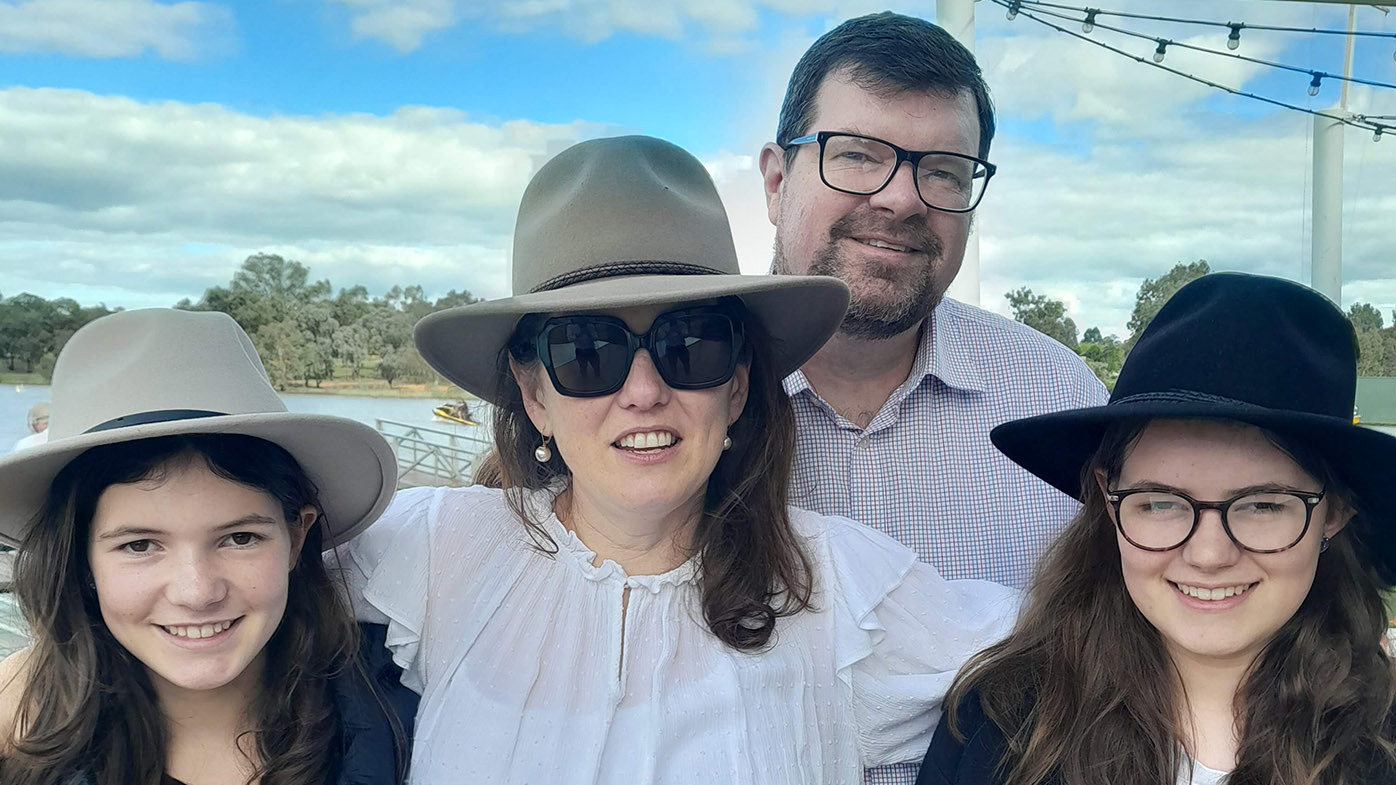
Rosina Gordon, 53, and her teacher husband moved to regional NSW to raise their six children, aged between 10 and 20.
One of six herself, Gordon loved growing up with the sense of community a large family can foster and wanted the same for her own kids.
Her Catholic faith also played a role.
"Is it faith that helped me to overcome the fear, the unforeseeable financial burden and instability that looms with the prospect of children? Well, yes," she told nine.com.au.
"Having a large family has also definitely made my faith stronger."
Have you got a story? Contact reporter Maddison Leach at mleach@nine.com.au
But it set her apart from many other Aussie families.
About 19.6 per cent of couple families and 15.3 per cent of one-parent families had three or more children in the 2021 Census.
Those figures were down from 21.6 and 15.6 per cent respectively in 2015.
Raising six children on a single income hasn't been easy and the family has always had to be careful with money.
Research suggests it can cost anywhere from $164,000 to $370,000 to raise one child in Australia and families with two or more children can expect to cough up a lot more.
The cost is high for a family as big as Gordon's but she makes ends meet.
Her children wore hand-me-down clothes from relatives, their home is stacked with thrifted furniture, and family outings were done on a budget.
For Gordon, the joys have outweighed the hardships.
But she's also willing to admit that in this day and age "you really can't have it all".
"We are focused on individual goals and consumerism [and] motherhood is not promoted as glamorous or fulfilling," she said.
She's spent the last 20 years fostering a small but tight-knit community of mums who also have big families and understand the demands of raising so many kids.
She says they've been absolutely vital in supporting her emotional and mental health.
"I have always sought out and surrounded myself with families living similarly to us," Gordon said.
"It can't be done without a solid, committed, loyal friendship circle."
Jangelah Frew, 33, gets support from within her own large family.
READ MORE: 'Australians aren't choosing careers over children, they're choosing financial survival'
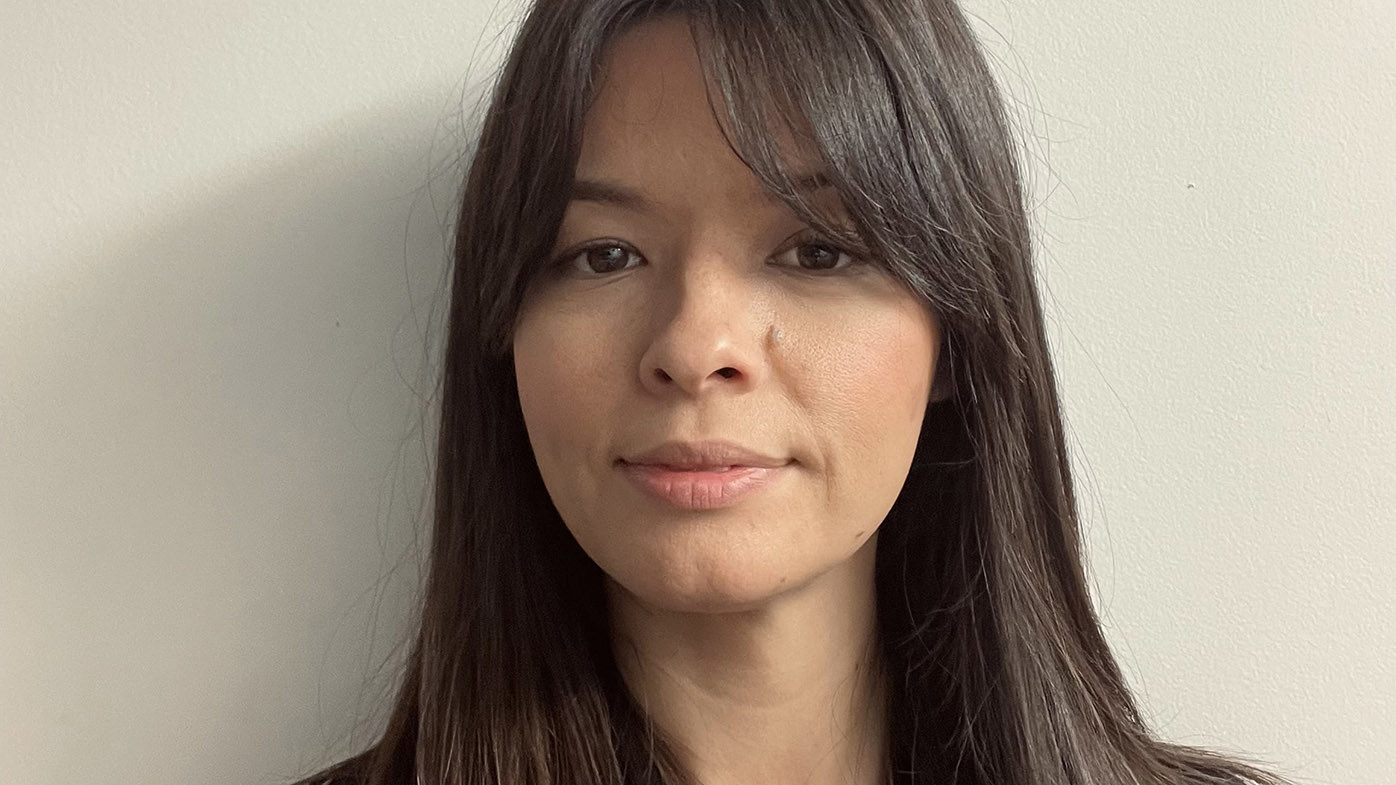
She didn't always want lots of kids but found her life's purpose and fulfillment when she had her first nine years ago.
Now she's pregnant with her fifth and couldn't be happier.
"We wanted a big family and we got all of the joy, love, chaos and stress that comes with it," she said.
Inflation and the cost of living has made the family budget tight.
There have been times when Frew and her partner had to juggle multiple minimum wage jobs to get by.
Now they're self-employed and receive government support, but they always find a way to make it work.
They've sacrificed things like annual holidays, eating out, food delivery and technology upgrades.
Frew home-schools the children in their Victoria rental and all meals are made from scratch on a grocery budget of about $300 per week.
READ MORE: This surgical procedure is booming in Australia as cost of living bites
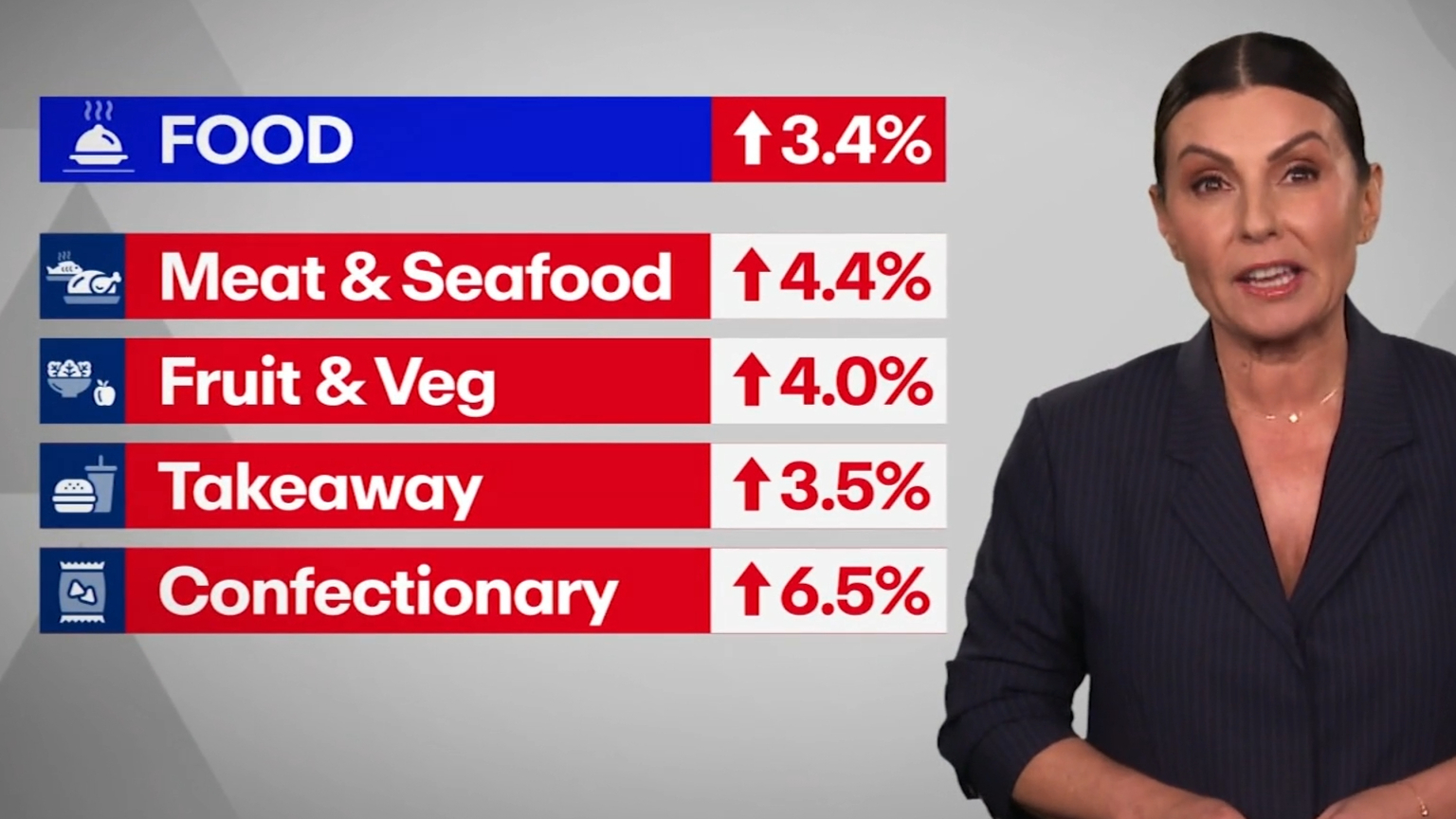
The family motto is "needs before wants" but for Frew, the sacrifice is worth it.
"The support for having a large family is already there and we're proof," she said.
"We utilise government support, my partner and I are solid, and we make life work within our means while we strive towards providing more for our family."
She also rejected assumptions that all big families must be religious, "povo" (poor), bogan, or only reproducing to claim benefits.
Between the cost-of-living crisis and housing shortages, many Australians feel they can't afford to have a big family and the life they want for themselves.
Gordon and Frew said they're proof that it can be done.
They also called for more support to be made available to help Aussies who want large families, like additional childcare funding and tax deductions.
NEVER MISS A STORY: Get your breaking news and exclusive stories first by following us across all platforms.
- Download the 9NEWS App here via Apple and Google Play
- Make 9News your preferred source on Google by ticking this box here
- Sign up to our breaking newsletter here
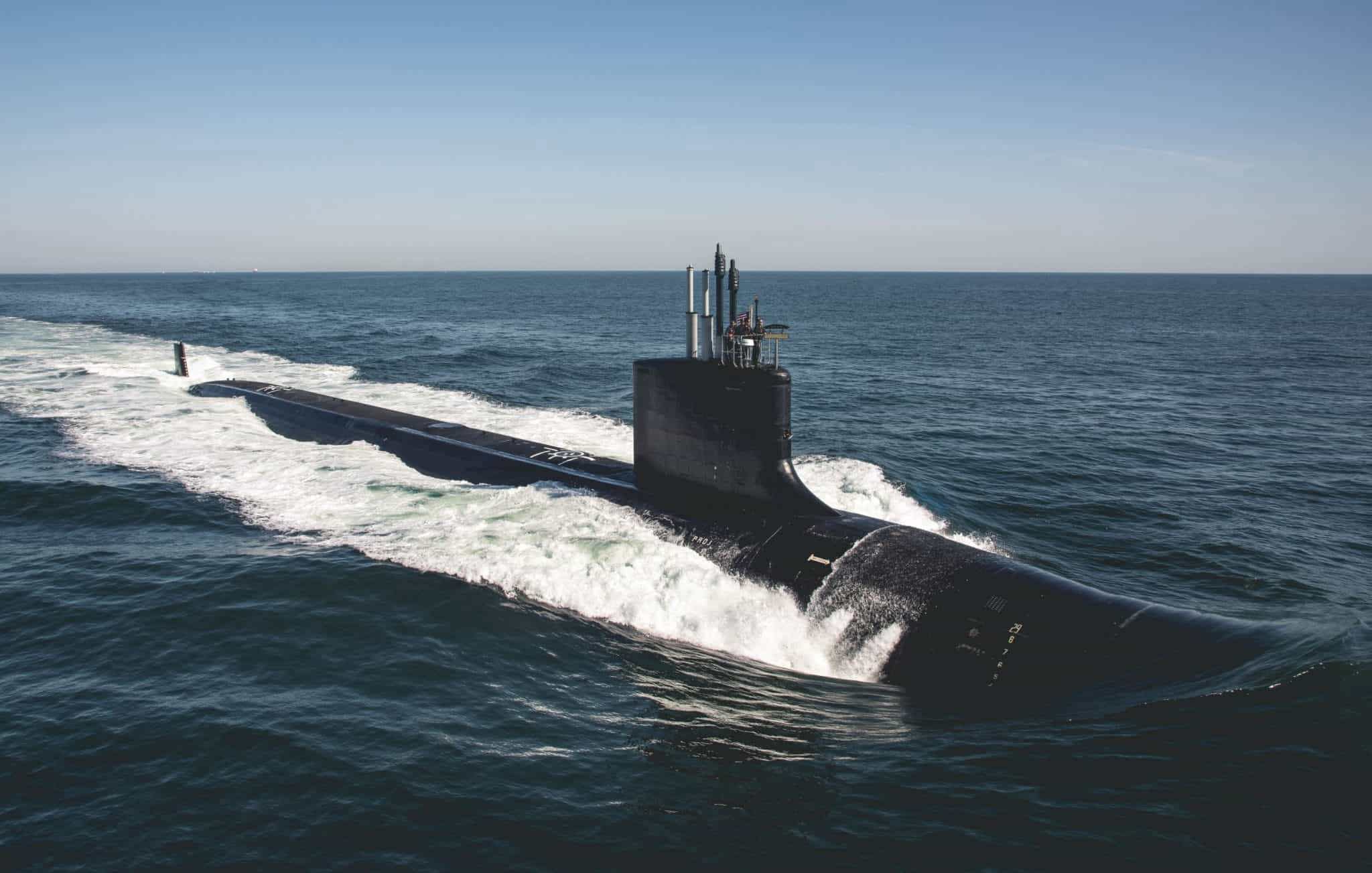 PM makes 'downpayment' on $30 billion shipyard to build nuclear submarines
 Man critical after crashing e-bike while allegedly fleeing police
 Man charged after two women killed in crash with allegedly stolen car
 NSW to get an extra public holiday for the next two years
 'Clown show': Barack Obama hits back at Donald Trump over racist video
 Law enforcement raids in Nancy Guthrie search end with no arrests
 Milo snack bars recalled over contamination alert
 Drenching continues for South-East Queensland
 Teens pinned to wall by out-of-control car skidding into takeaway shop
 La Niña on the way out as experts flag possibility of El Niño within months
 Chilling images from Nancy Guthrie's porch could hold valuable clues