A survey released by the Red Meat Advisory Council (RMAC) found that 85 per cent of red meat producers only have enough fuel to keep operations going for one more week.
Fuel supplies are quickly drying up on farms and abattoirs around Australia, which could result in a nationwide red meat shortage.
A survey conducted by the Red Meat Advisory Council (RMAC) has found that 85 per cent of red meat producers only have enough fuel to keep operations going for one more week.
Less that half of producers are confident that they could stretch their supplies to meet supermarket quotas for the remainder of the US-led war on Iran, which Donald Trump flagged could last for at least another three weeks.
READ MORE: Trump told US allies to 'get your own oil'. But he might be bluffing
April and May are peak periods for red meat producers, with demand ramping up during the Easter holidays and pre-winter season.
"This isn't a future problem – it's happening now," council independent chair John McKillop said.
"Producers are already facing difficult decisions, including the potential early slaughter of animals, where access to feed, water and transport cannot be guaranteed."
The RMAC has warned that the industry could soon be under "severe strain" if fuel supplies are not directed back to farming and regional communities.
"Up to 76 per cent of producers identified April and May as a peak period when reliable fuel access is absolutely critical," he said.
"Without it, they simply cannot operate."
READ MORE: Tech giant slashes 30,000 jobs in 6am email
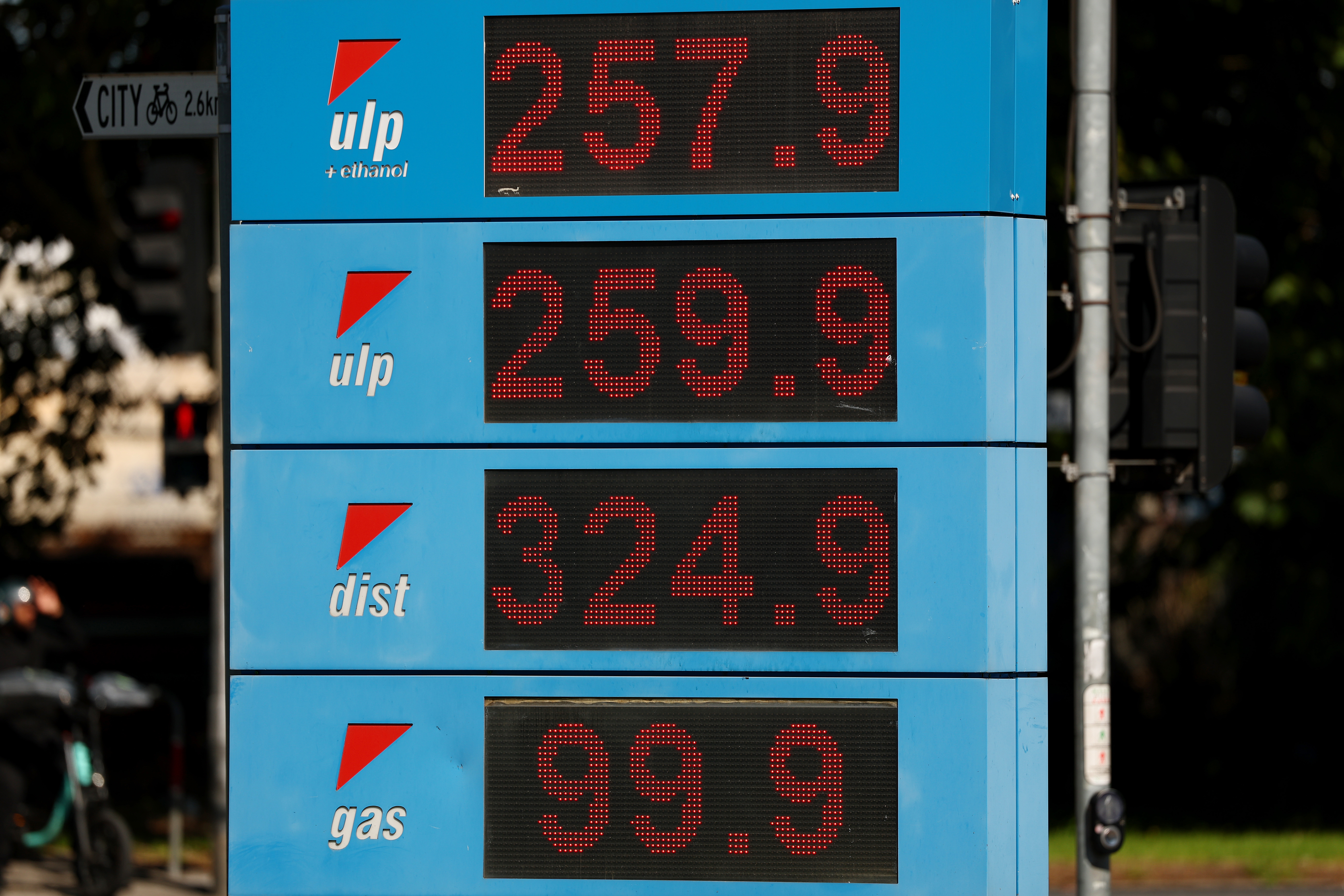
Shoppers won't arrive to empty supermarket fridges, but the variety of meats could reduce and prices could rise over the next fortnight.
Australian farmers rely heavily on diesel to operate machinery and feed stock.
Rising freight costs may also contribute to the increased price of red meat at the checkout.
The National Farmers Federation (NFF) previously urged the federal government to devise a plan to keep fuel flowing to regional areas – and fast.
While the government announced a three-month reduction of the fuel excise, producers say this isn't enough.
"Halving the fuel excise will provide relief for consumers, but it does little directly for farmers and we hold concerns about the impact this policy may have on overall fuel demand," NFF President Hamish McIntyre said.
"Now we have the beginnings of a national framework, farmers and fishers need a clear, agriculture-specific plan so they can make informed decisions about planting, harvesting and keeping food moving across the country."
NEVER MISS A STORY: Get your breaking news and exclusive stories first by following us across all platforms.
- Download the 9NEWS App here via Apple and Google Play
- Make 9News your preferred source on Google by ticking this box here
- Sign up to our breaking newsletter here
 What six more months of war would mean for Australia
 'We must look after ourselves': PM hit with three key demands
 Man dies after stabbing in Sydney's west
 Shoppers scramble as youths brawl at Melbourne retail plaza
 Expert reveals whether Aussies will need to ration fuel
 Where you can and can't get alcohol tomorrow and over the Easter weekend
 PM details $1bn plan, defends lacklustre national address
 We were all set for prime time, then we were let down with a thud
 Aerial images provide the closest look yet at Dezi Freeman's hideout
 Thunderstorms, showers and sun: Mixed bag of weather for Easter
 Experts warn brewing El Niño could hit Australia later this year
 NASA launches four astronauts to the moon in first lunar voyage in 53 years
 Donald Trump storms out of Supreme Court as he faces loss
 Easter travel shifts: Fuels prices hit Long weekend holiday bookings
 PM warns 'economic shocks' to be 'with us for months' in rare address
 Prosecutors assisting police in ex-prince Andrew investigation
 Trump told US allies to 'get your own oil'. But he might be bluffing