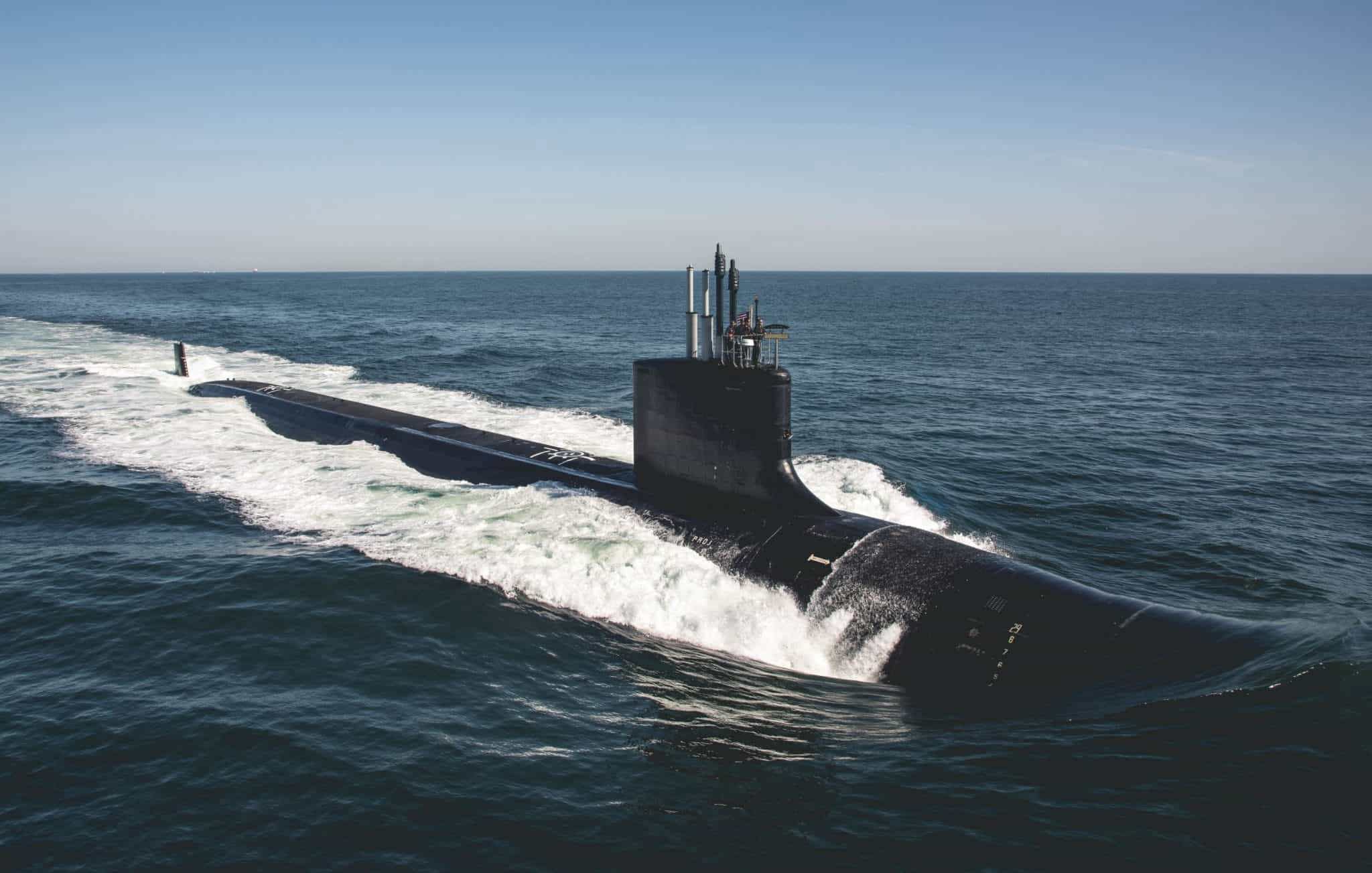
Thousands of jobs will be created in South Australia in the nation's most expensive defence project.
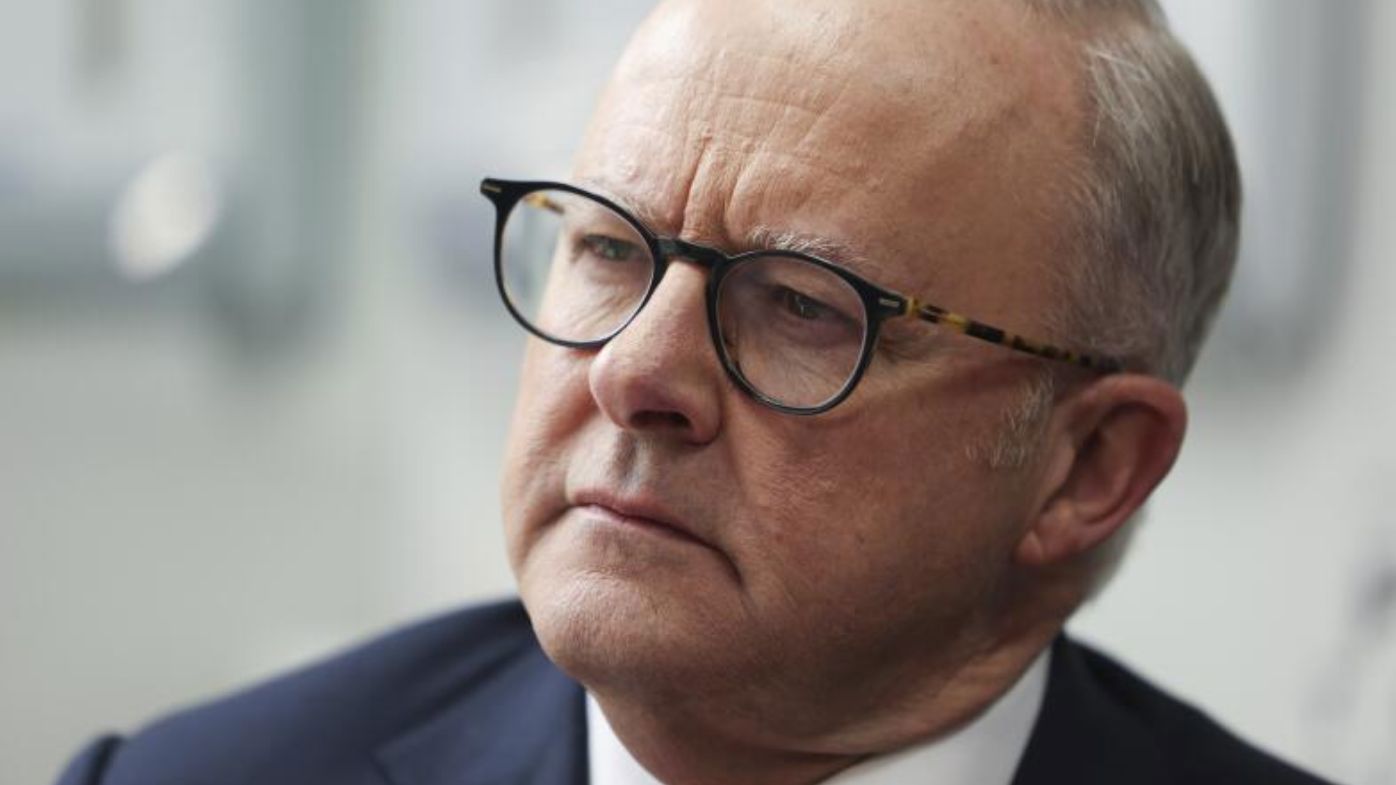
Prime Minister Anthony Albanese today announced a multi-billion dollar investment in an Adelaide shipyard to train workers in building AUKUS nuclear-powered submarines.
He said the $3.9 billion cash injection into the Osborne shipyard by the federal government was a "downpayment" for the facility, which will support the 10,000 skilled workers required to build the vessels.
Albanese confirmed today the total cost will be $30 billion, as forecast by the Australian Naval Infrastructure.
READ MORE: Aussie state to get an extra public holiday for the next two years after Anzac Day
Under the AUKUS agreement, the Australian navy will acquire eight nuclear-powered (but not nuclear armed) submarines over the next decade from the United States and Britain.
The federal government says 5500 jobs will be created at the shipyard, with thousands more indirect roles stemming from the shipyard's construction programs.
"This is a driver of not just of national security and how were going to defend our nation into the future," Albanese said.
"It's also a driver of our economic prosperity, as well as making such an enormous difference to some of the apprentices that we've met here today."
Speaking alongside the prime minister, Defence Industry Minister Pat Conroy said the Adelaide shipyard would be the only in the southern hemisphere capable of constructing nuclear-powered submarines.
READ MORE: Russia accused of killing opposition leader Alexei Navalny with 'dart frog toxin'
"Importantly, this will modernise Aussie manufacturing as we go through it because it's not just the 10,000 jobs here," he said.
"We've got 70 companies already going through the qualification process to win work supplying not just Australian submarines but UK and US submarines."
AUKUS was signed five years ago by the leaders of Australia, the US and UK in a move aimed at deterring China's assertiveness in the Pacific.
Doubt over the future of AUKUS emerged last January when US President Donald Trump was sworn in.
He ordered a review of the defence pact by the Pentagon, concerned it did not meet his "America first" agenda.
The agreement hung in the balance for months until the US Defence Department gave the green light in September.
Later, Trump warmly endorsed AUKUS when he hosted Albanese at the White House, saying it was "full steam ahead".
NEVER MISS A STORY: Get your breaking news and exclusive stories first by following us across all platforms.
- Download the 9NEWS App here via Apple and Google Play
- Make 9News your preferred source on Google by ticking this box here
- Sign up to our breaking newsletter here
 Man critical after crashing e-bike while allegedly fleeing police
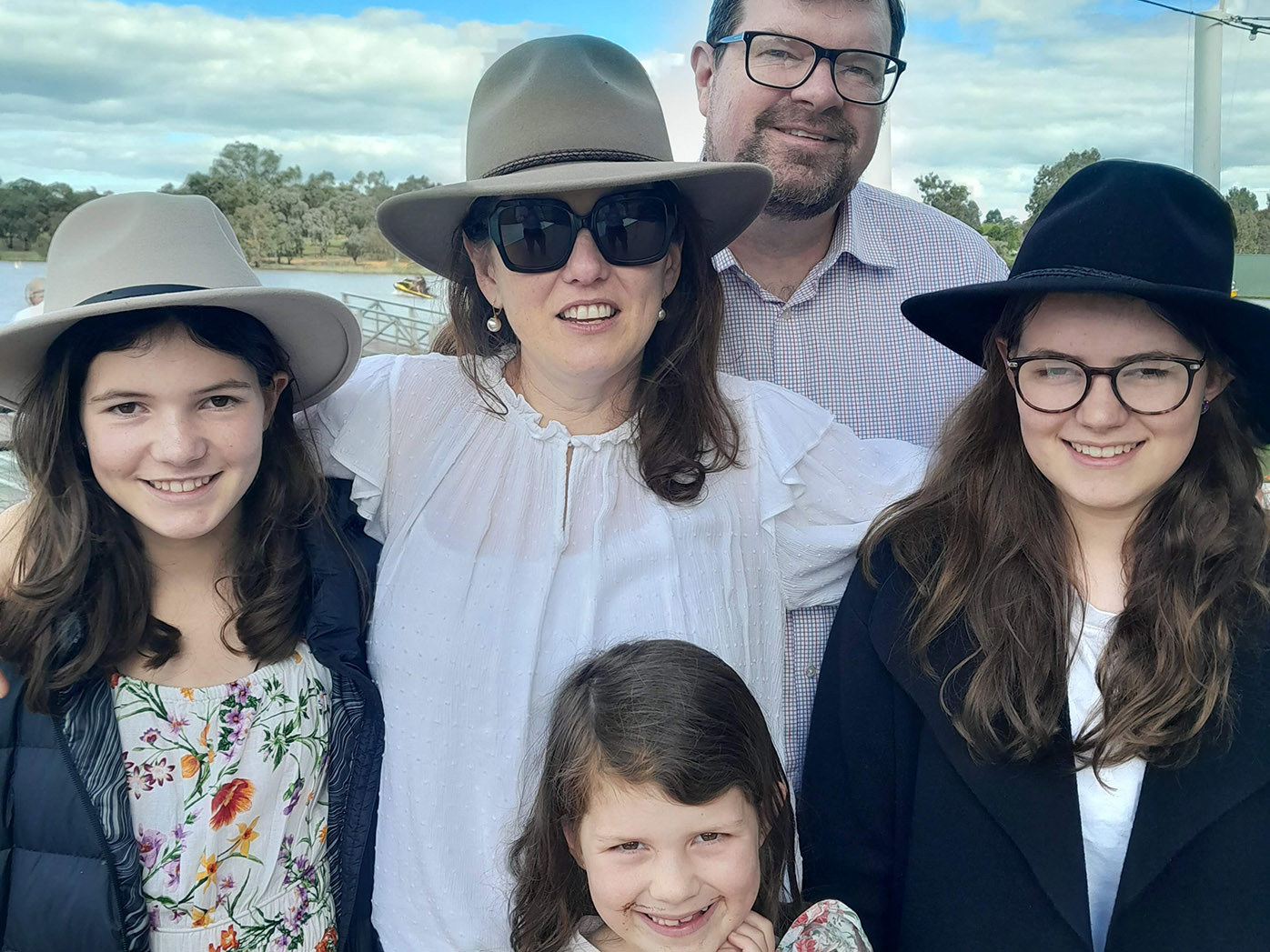 Rosina has six kids. That makes her a rarity in Australia
 Man charged after two women killed in crash with allegedly stolen car
 NSW to get an extra public holiday for the next two years
 'Clown show': Barack Obama hits back at Donald Trump over racist video
 Law enforcement raids in Nancy Guthrie search end with no arrests
 Milo snack bars recalled over contamination alert
 Drenching continues for South-East Queensland
 Teens pinned to wall by out-of-control car skidding into takeaway shop
 La Niña on the way out as experts flag possibility of El Niño within months
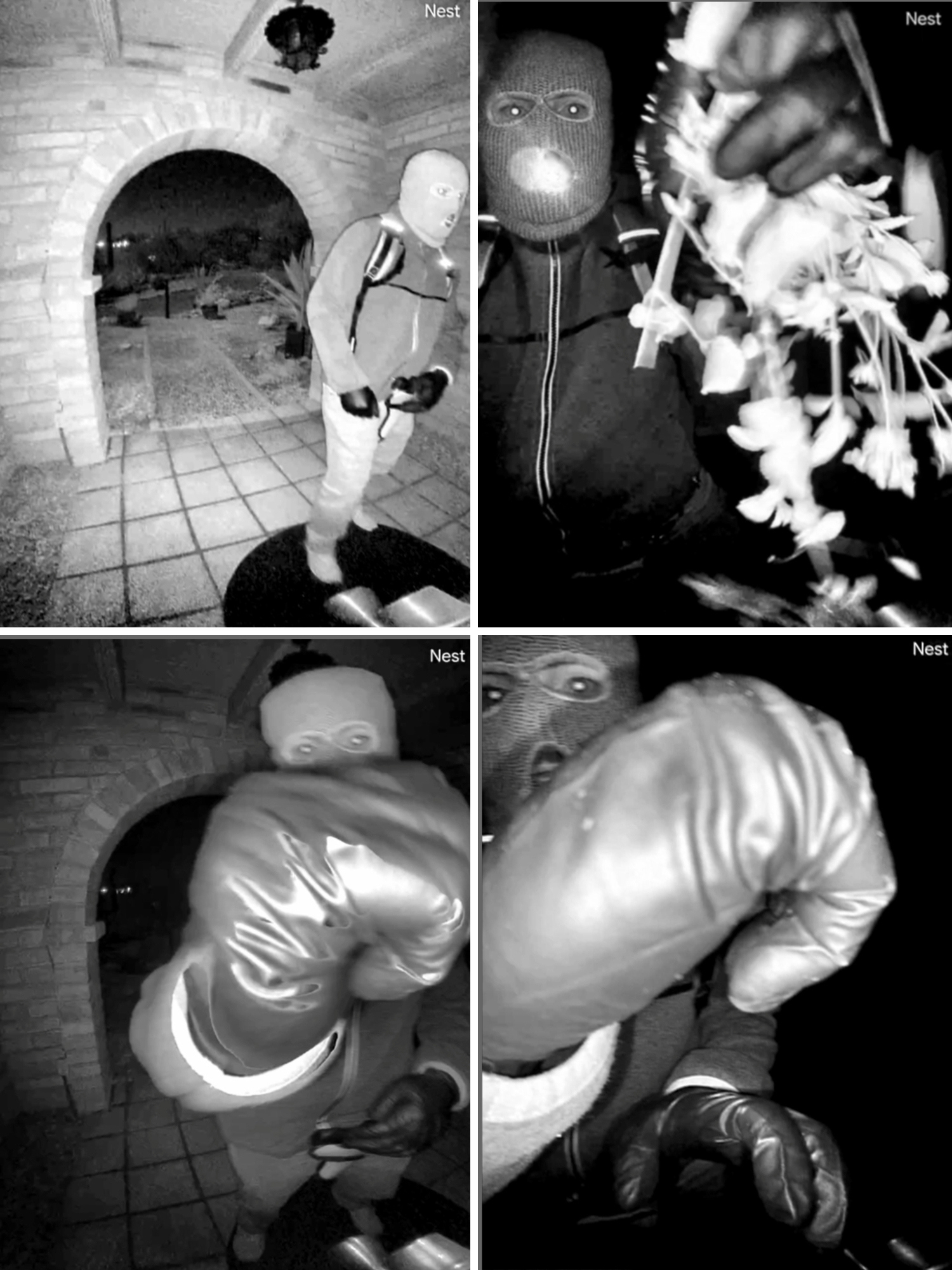 Chilling images from Nancy Guthrie's porch could hold valuable clues