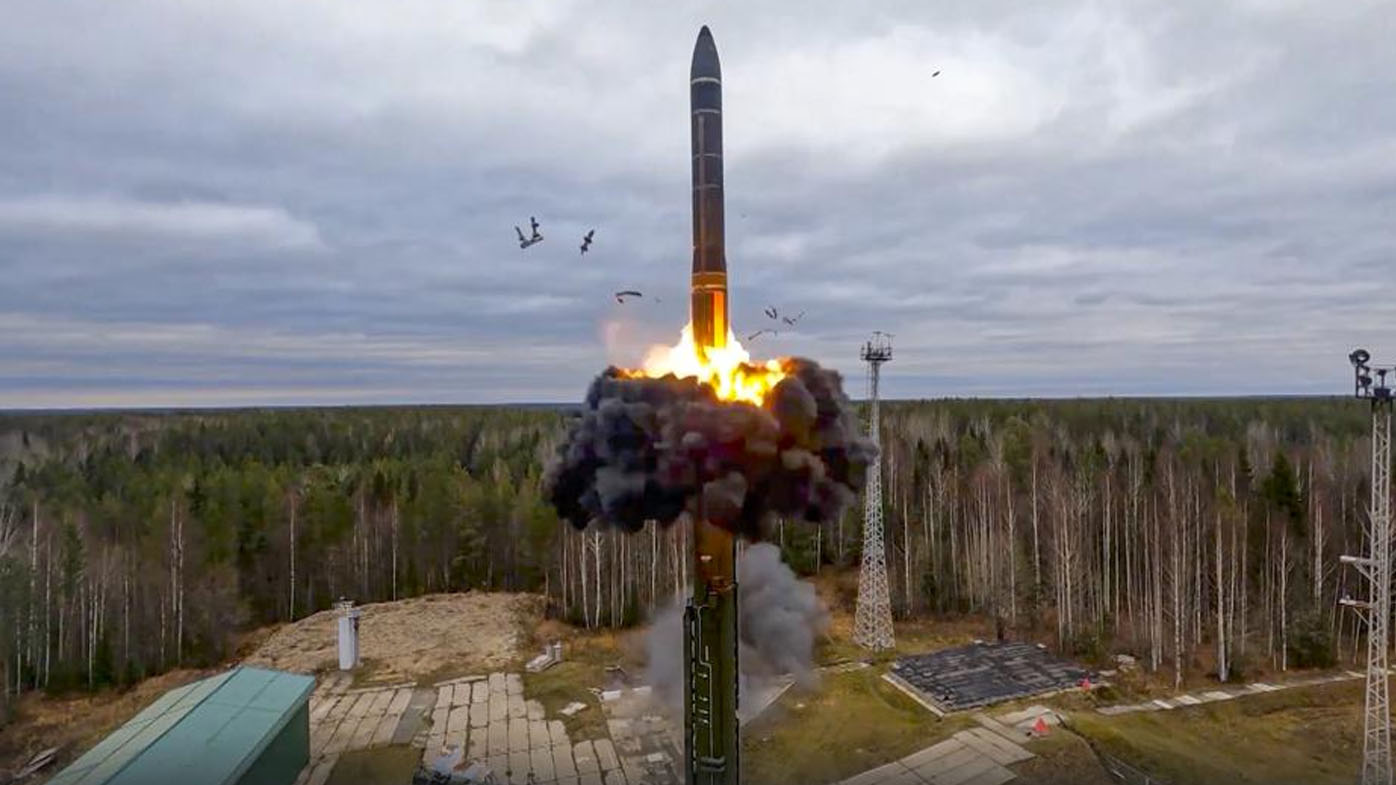
The New START pact has been in place since 2010, imposing crucial limits on nuclear weapons. It's about to end.
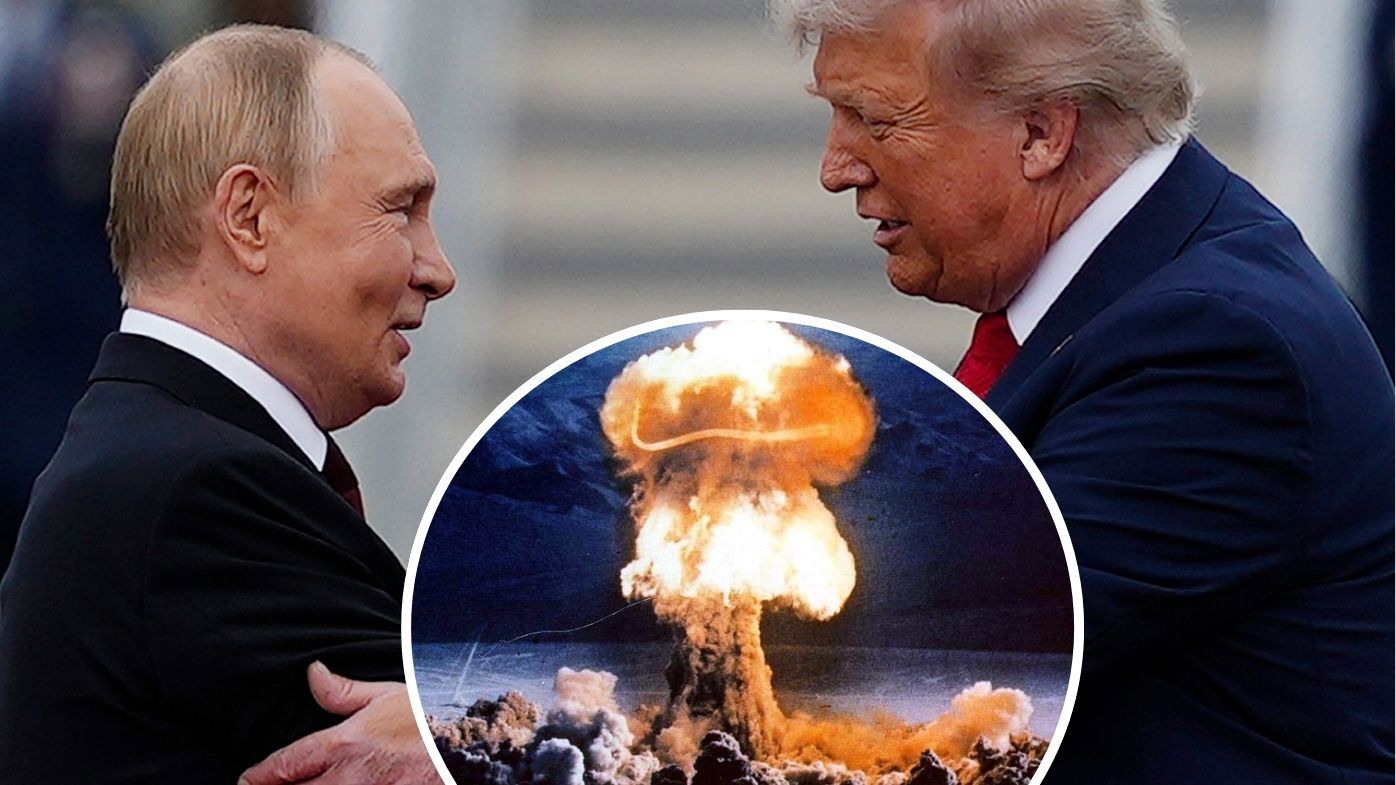
In a matter of hours, the final nuclear treaty still in force between the US and Russia is set to expire, and there are grave fears about what comes next.
The New START Treaty, signed in 2010 by then-US president Barack Obama and then-Russian president Dmitry Medvedev, imposed limitations on how many nuclear warheads each country could have deployed.
Observers have warned its abandonment could signal a new era of nuclear proliferation, even as other nations such as China seek to increase their own arsenal of the devastating weapons.
READ MORE: Measles circulating undetected in Aussie city after new case detected
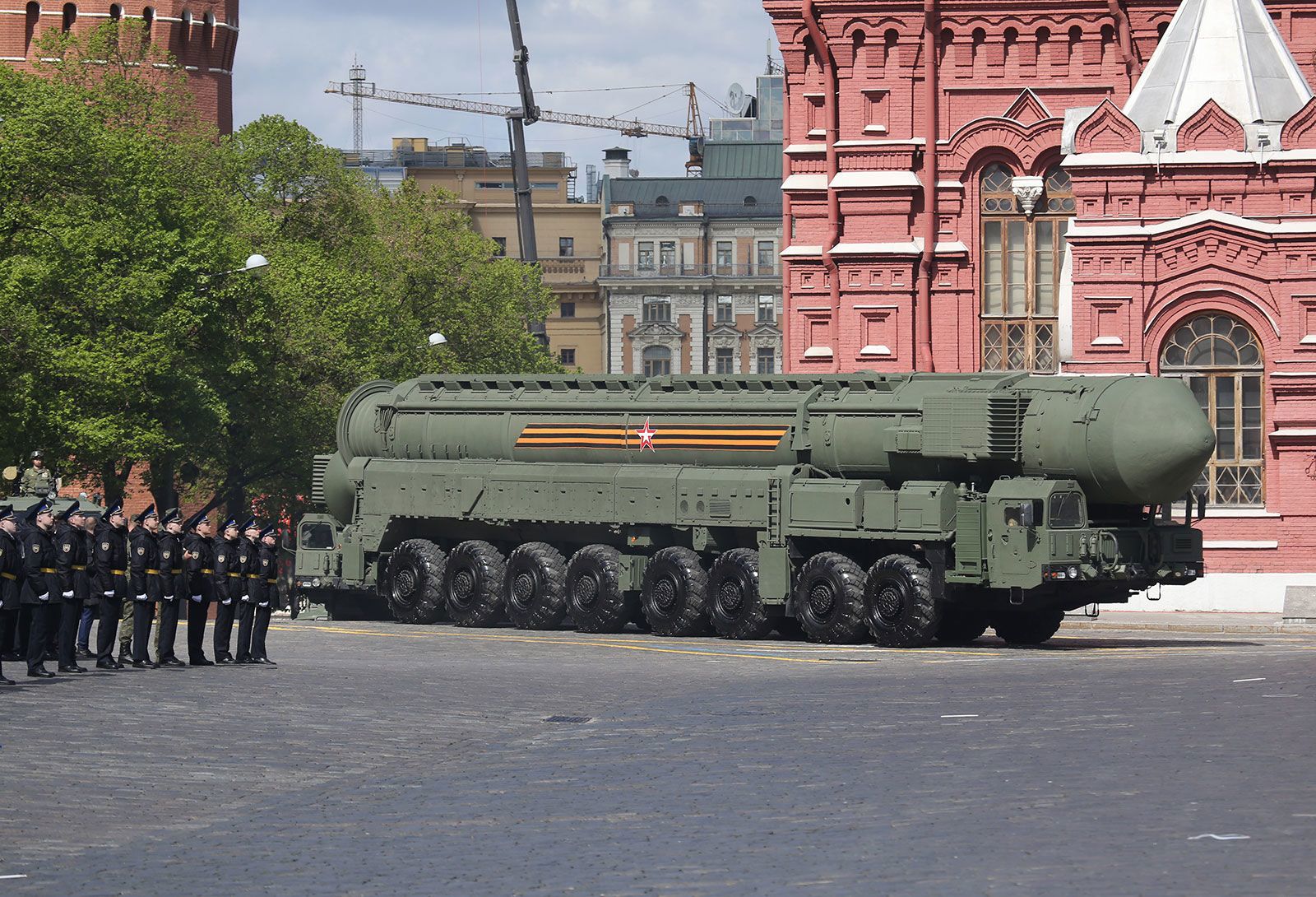
The treaty was set to expire in 2021, but was extended for five years.
The clock will run out on Thursday, February 5, northern hemisphere time - or some time overnight in Australia.
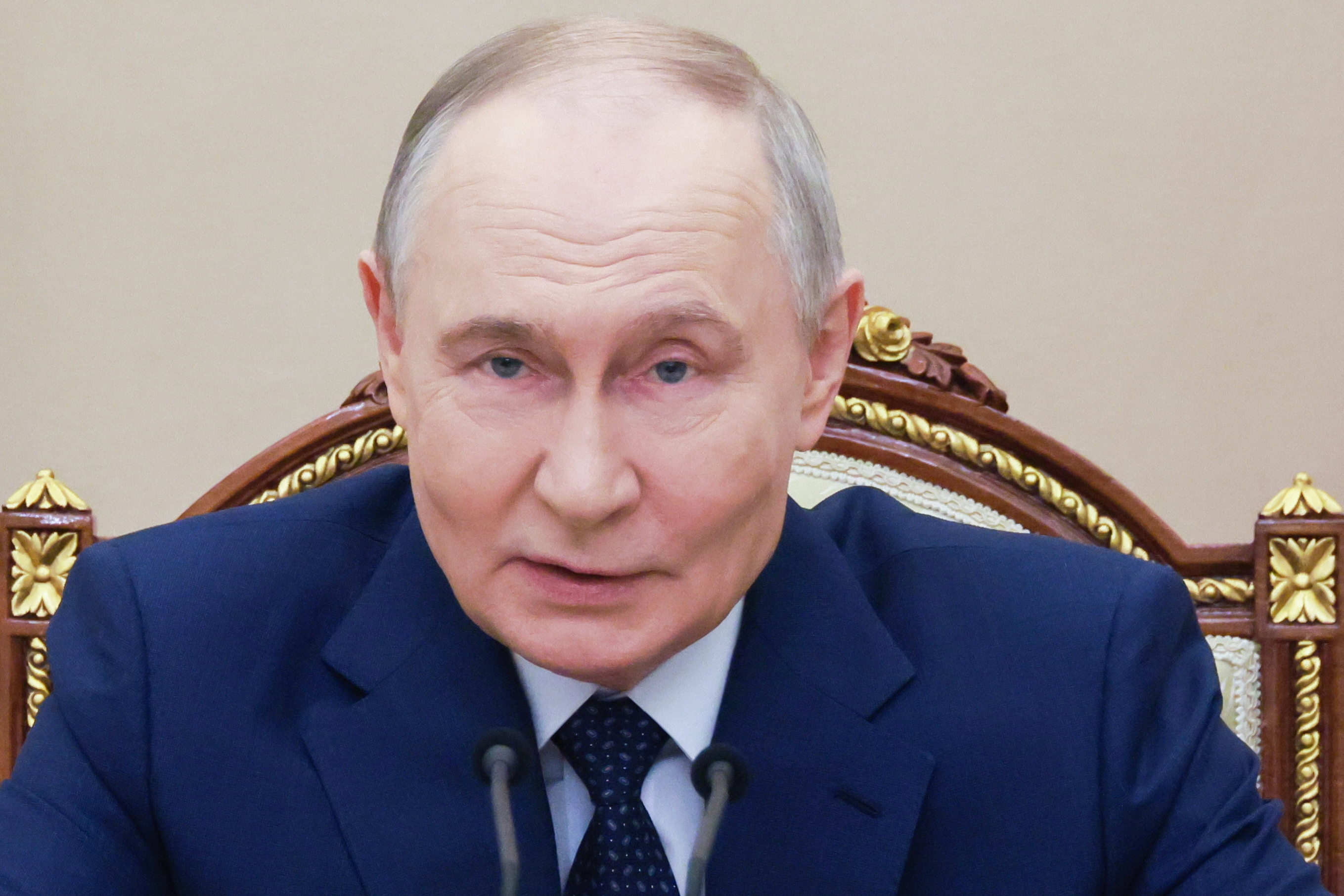
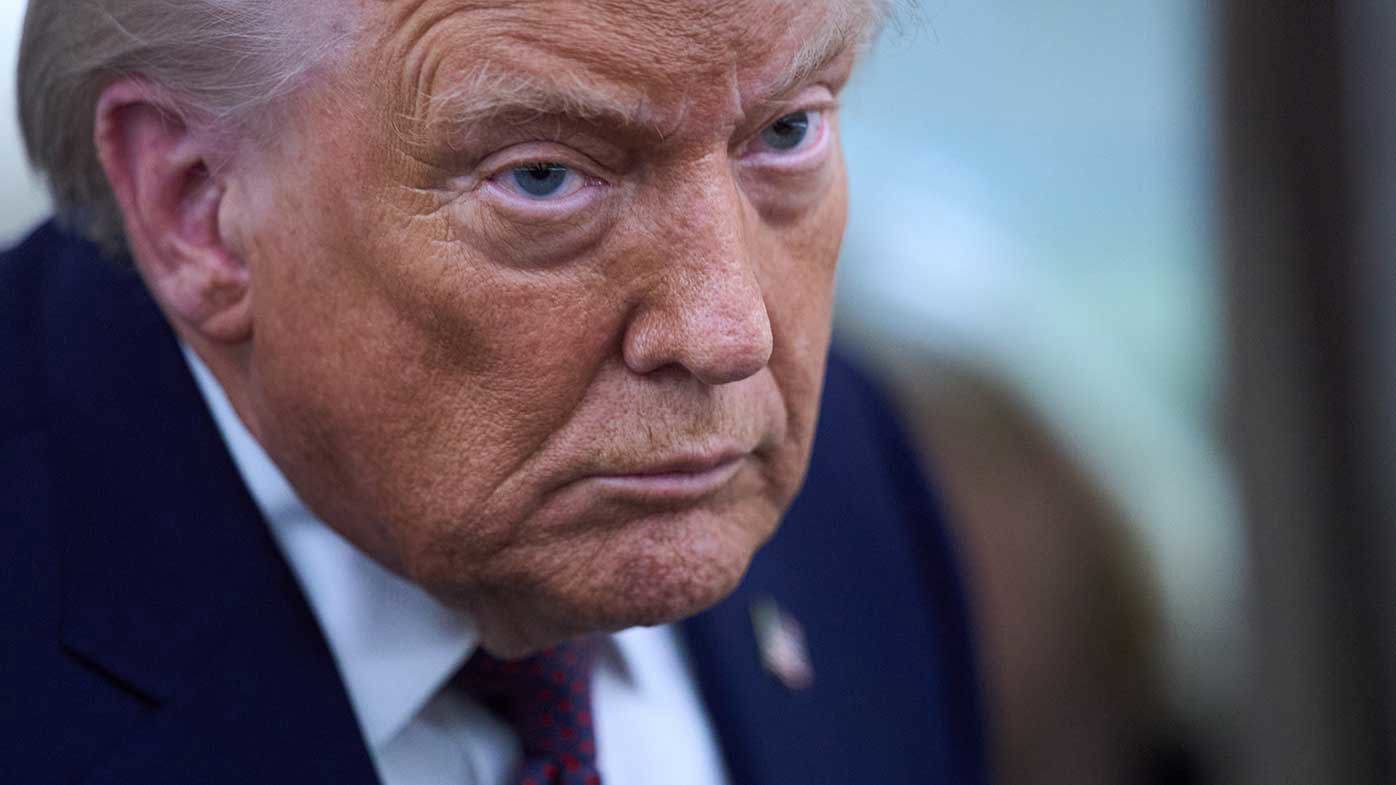
Russian President Vladimir Putin last year offered to agree to a one-year extension, but US President Donald Trump has so far been non-committal.
READ MORE: Email points to photo of former Prince Andrew and Virginia Giuffre being real
The US, meanwhile, is about to sit down with Iranian representatives in Oman to discuss Tehran's nuclear program.
A White House official speaking anonymously told The Associated Press Trump wanted to keep limits on nuclear weapons globally, and involve China in any talks.
Trump would make a decision on nuclear arms control "on his own timeline," the official said.
READ MORE: The phone call that will have the world on notice
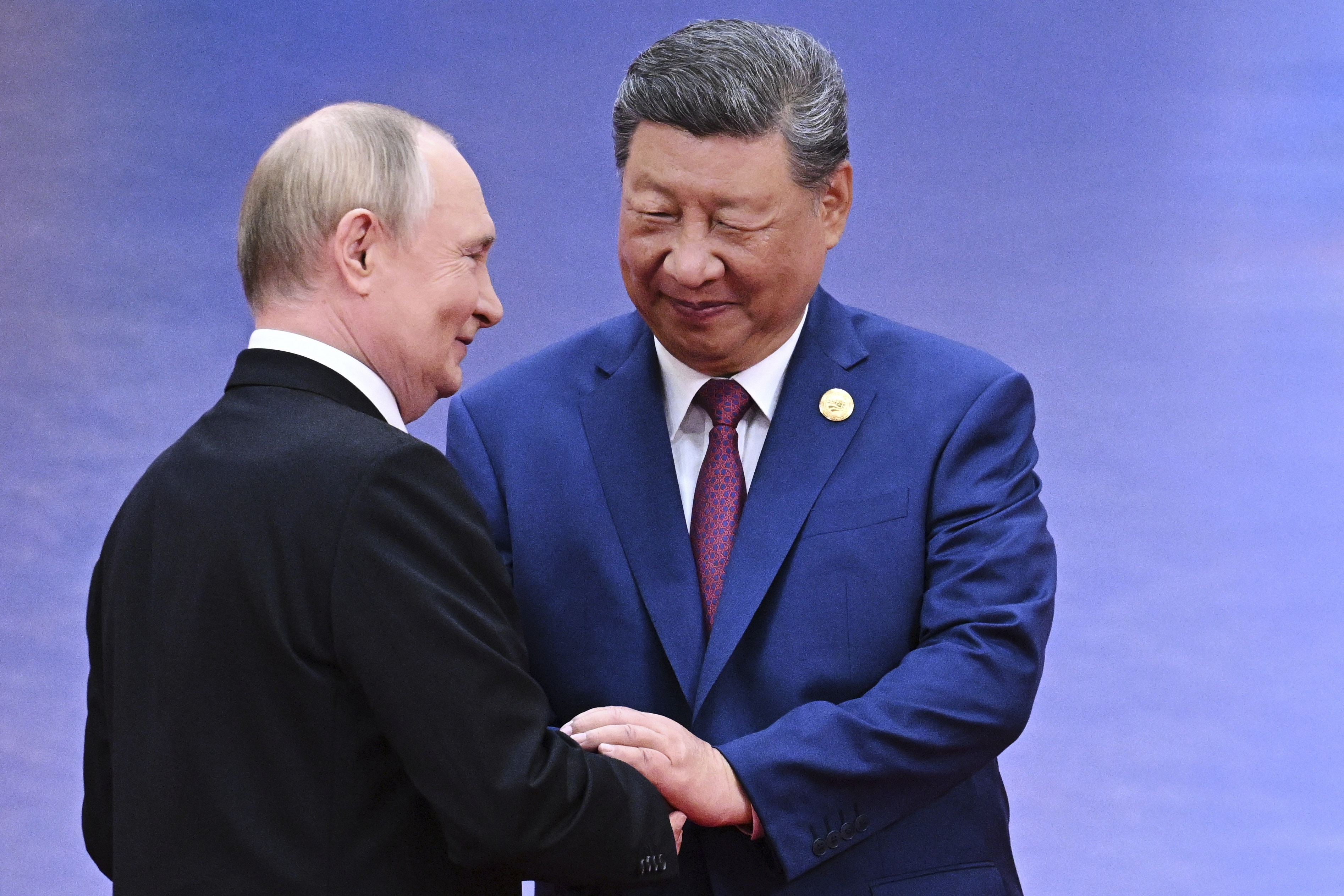
Kremlin adviser Yuri Ushakov said Putin discussed the pact's expiration with Chinese President Xi Jinping, but noted Washington had not responded to his proposed extension.
Russia would "act in a balanced and responsible manner based on thorough analysis of the security situation," Ushakov said.
Arms control advocates have long voiced concerns about the expiration, warning it could lead to a new arms race, foment global instability and increase the risk of nuclear conflict.
https://x.com/Pontifex/status/2019040748298178970Pope Leo XIV called for the treaty "not to be abandoned without seeking to ensure its concrete and effective continuation".
Failure to agree on keeping the pact's limits would likely encourage a bigger deployment, said Daryl Kimball, executive director of the Arms Control Association in Washington.
"We're at the point now where the two sides could, with the expiration of this treaty, for the first time in about 35 years, increase the number of nuclear weapons that are deployed on each side," Kimball told AP.
"And this would open up the possibility of an unconstrained, dangerous three-way arms race, not just between the US and Russia, but also involving China, which is also increasing its smaller but still deadly nuclear arsenal."
The New START agreement limited both nations to 1550 accountable deployed strategic nuclear warheads and bombs, and counted each heavy bomber as one warhead.
That's about 30 per cent below the 2200-warhead limit set by the previous agreement, the 2002 Strategic Offensive Reductions Treaty.
New START also limited Russia and the US to no more than 700 deployed intercontinental ballistic missiles (ICBMs), submarine-launched ballistic missiles (SLBMs), and heavy bombers assigned to nuclear missions, apiece.
Deployed and nondeployed ICBM launchers, SLBM launchers and bombers were limited to 800.
"If New START ends, the US and Russia could virtually double their deployed nuclear weapons in about six months," Dr Tillman Ruff, of the International Campaign to Abolish Nuclear Weapons (ICAN) Australia, told 9news.com.au previously.
With Associated Press
NEVER MISS A STORY: Get your breaking news and exclusive stories first by following us across all platforms.
- Download the 9NEWS App here via Apple and Google Play
- Make 9News your preferred source on Google by ticking this box here
- Sign up to our breaking newsletter here
 Person with close ties to household of Gus Lamont identified as suspect in his disappearance
 Ex-detective accused of receiving trips to Thailand and luxury hotels
 Government hails Aussie's 'resilience' in Chinese jail on dark anniversary
 Medical workers 'robbed' child of chance at survival, grieving parents say
 Flags fly at half-mast for Australian man who died on Japanese ski mountain
 Man accused of mimicking Bondi attack to remain behind bars
 New poll reveals rising worker anxiety about AI
 Almost half a million Aussies are living with the nation's biggest killer
 TV host's desperate plea to mother's kidnappers
 Vasectomies in Australia spike by more than 60 per cent as cost of living bites
 Truth finally revealed about image that will forever haunt Andrew
 Melania pulled from cinema over joke made on marquee
 'This job sucks': Trump administration lawyer's honesty in court gets her fired
 'Australians aren't choosing careers over children, they're choosing financial survival'
 The lone Aussie state that puts age limits on e-bike riders
 The phone call that will have the world on notice
 Why a beer tax break has some claiming the 'system is broken'