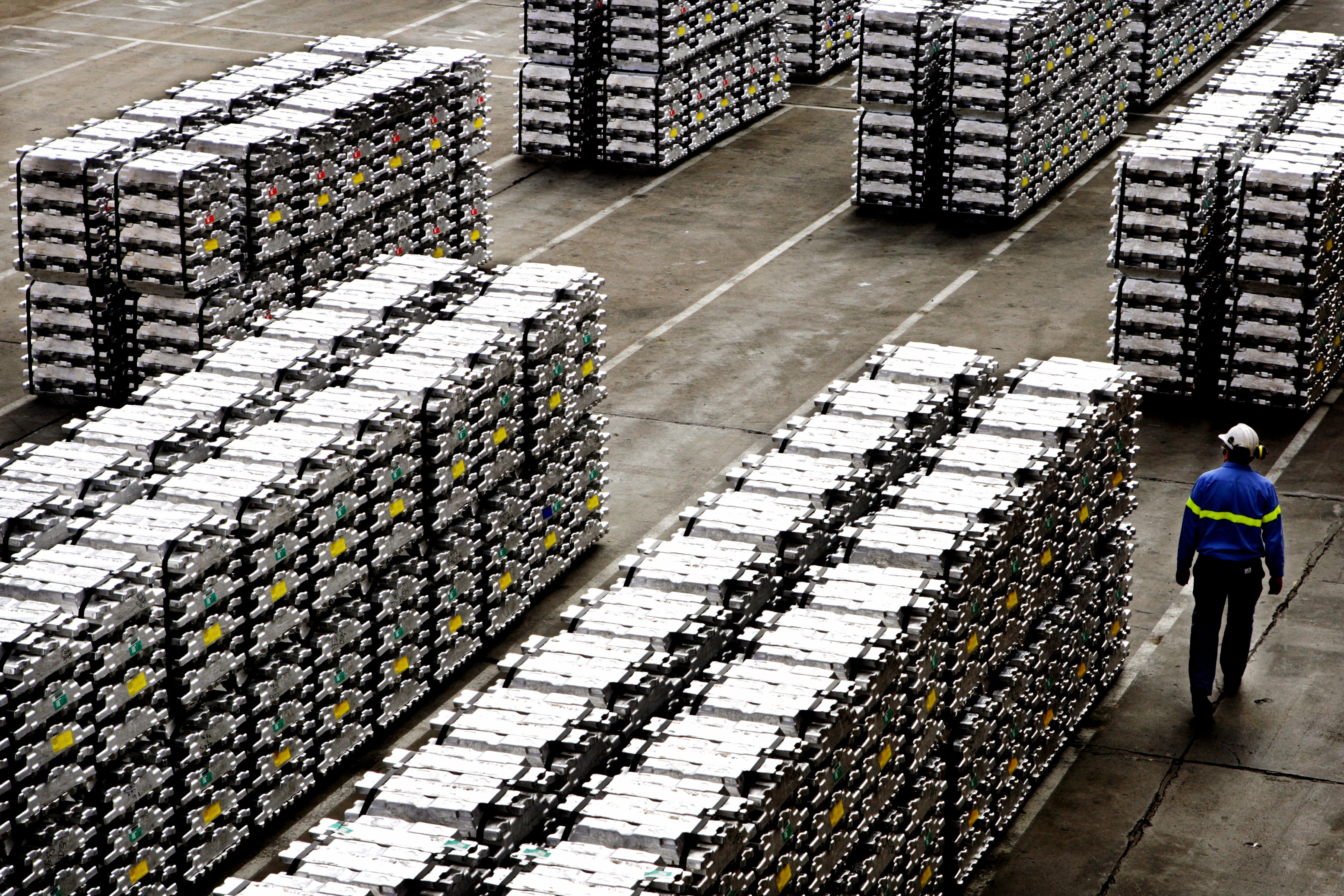
What is saving most Australians from blackouts is an arrangement with some of the country's biggest users of electricity.
Some days are made for air conditioning.
On those days where the mercury rises to the angry end of the 30s, those of us with air-con wondered what we did without it.
But it's on those days Australians stand the greatest risk of losing it all to an unwelcome blackout.
READ MORE: Politicians billed taxpayers $1.1 million for their family's travel
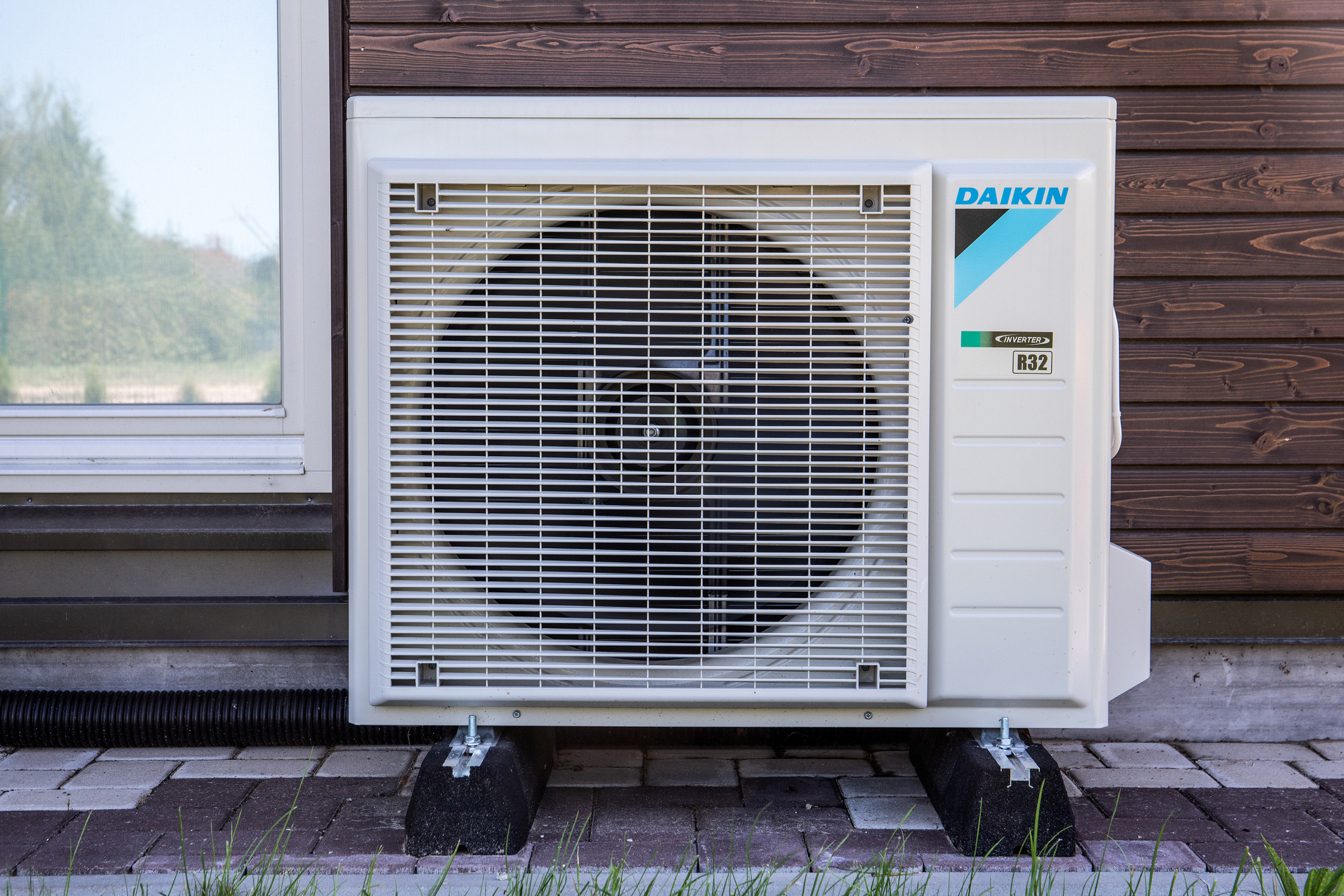
While the grid used to be under the most pressure on winter nights, things have changed, according to the Grattan Institute's Alison Reeve.
"The winter evening peak in the old days was just everyone coming home and putting the heating on at the same time," she said.
"Now what it's shifting to is everyone putting the air conditioning on at the same time."
Adding more pressure on the grid is an ironic issue with coal generation.
If it gets too hot, coal plants start to struggle.
READ MORE: One-in-five mortgage holders rue taking on huge home loans
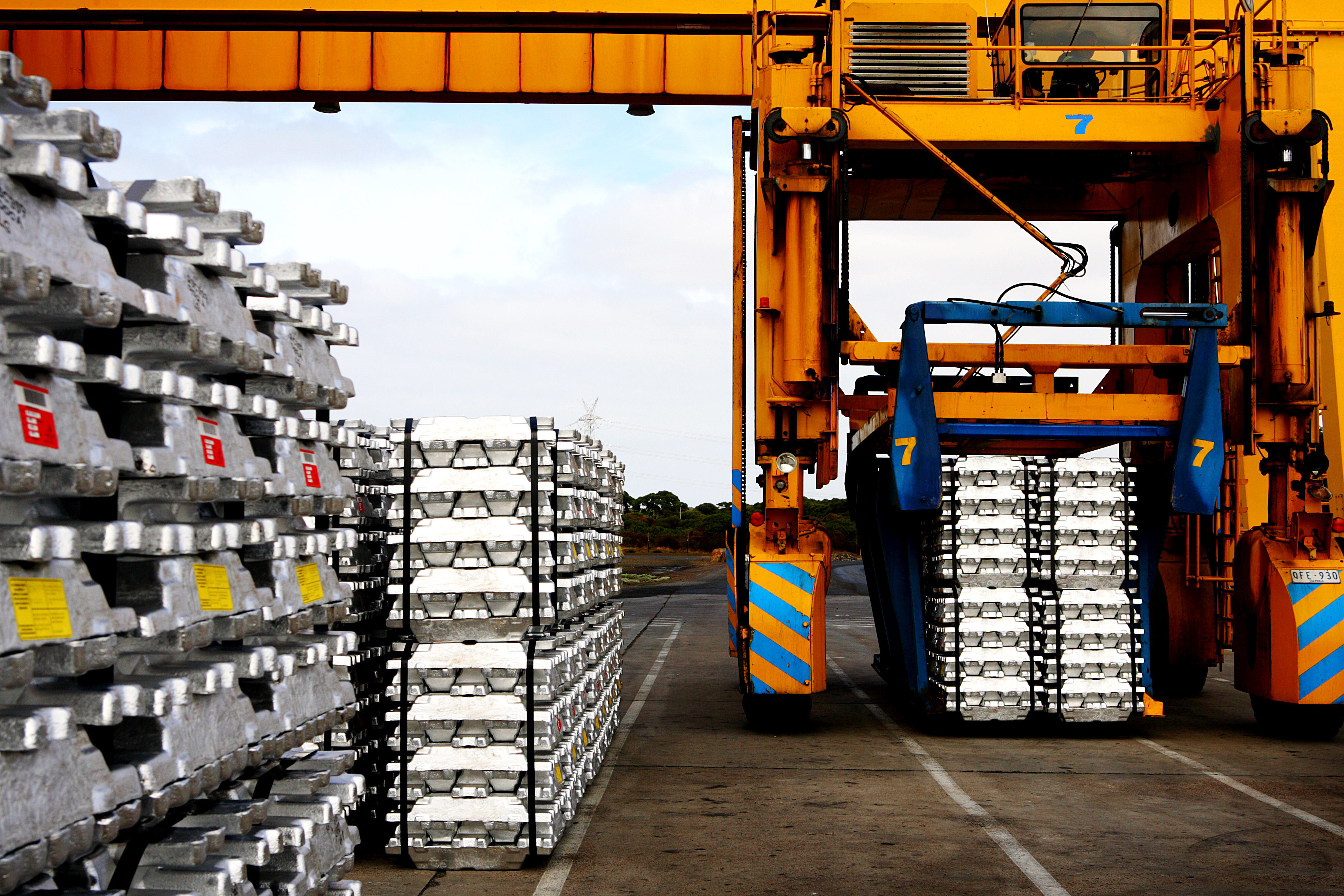
"Coal generators are more likely to break down because they don't cope very well with high heat," Reeve said.
"So when that happens, that can also cause a blackout or a brownout, because you've got such high demand at the same time."
What is saving most Australians from blackouts is an arrangement with some of the country's biggest users of electricity.
When the grid is under too much strain, the major users are asked to switch off.
The biggest offenders are aluminium smelters.
Australia has four aluminium smelters that account for 10 per cent of the electricity used in the country.
READ MORE: The most expensive (and most affordable) states for electricity bills
The Tomago smelter on the NSW Central Coast uses as much power as a city of a million people.
And high power bills has meant the smelter is now turning to the federal government to keep them open.
But switching them off is an expensive endeavour.
The smelters run 24 hours a day, and any shutdown is problematic.
"It doesn't happen that often," Reeve said.
"It's there if we need it."
And while rooftop solar panels are helpful for the grid on hot days, it is taking the edge off rather than carrying the load.
Solar panels generate the most electricity around 1pm, but the usual peak time for power usage is about 5pm. By then, the sun has started to set and less electricity is being generated.
So how can the average punter reduce the risk of blackouts on a hot summer's day?
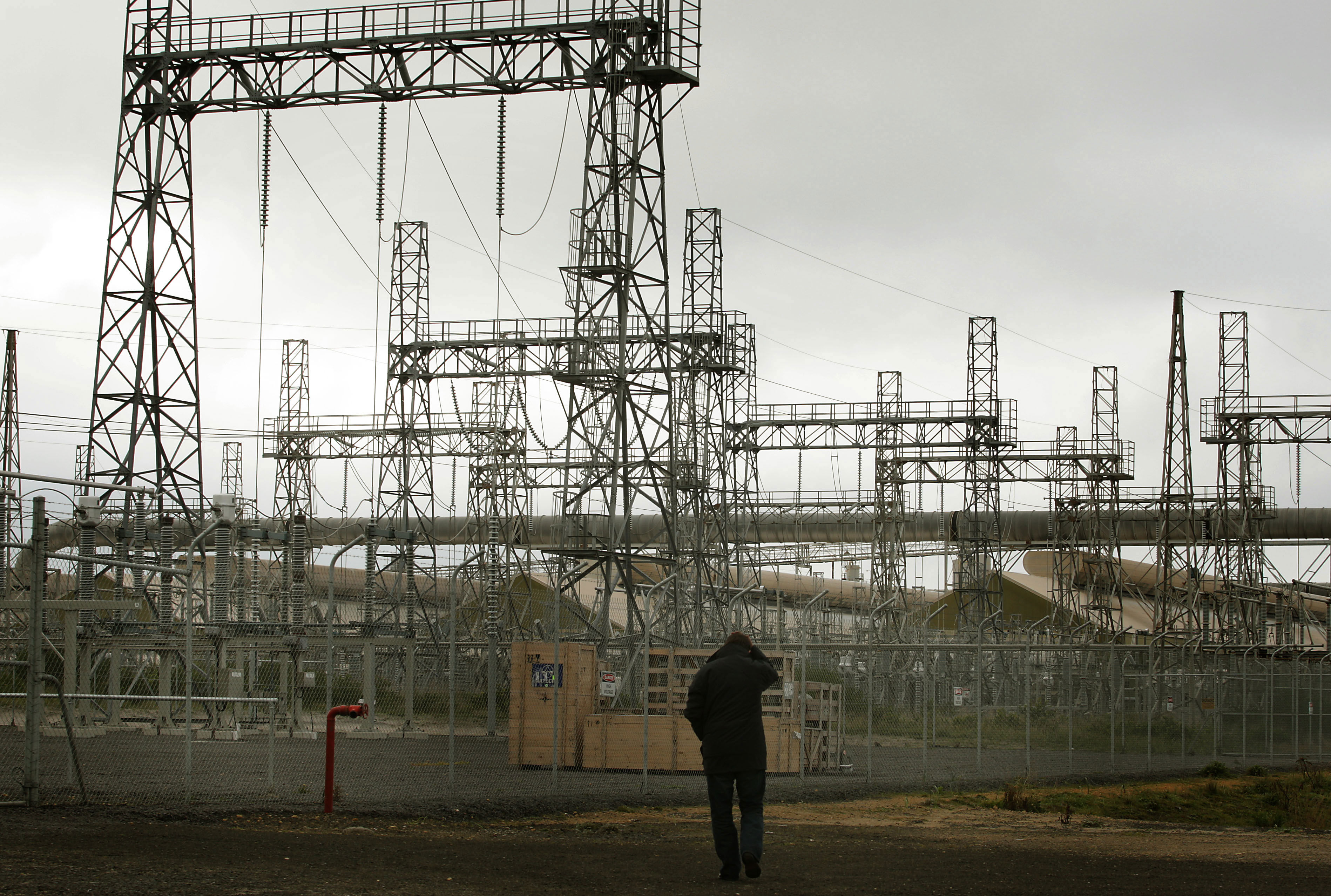
The best options are to add a few degrees to the air conditioner, and, obliquely enough, make sure your aluminium cans are getting recycled.
READ MORE: How each Australian state is doing when it comes to renewable energy
DOWNLOAD THE 9NEWS APP: Stay across all the latest in breaking news, sport, politics and the weather via our news app and get notifications sent straight to your smartphone. Available on the Apple App Store and Google Play.
 Trump says 'we will retaliate' after three Americans killed in Syria attack
 Teenager falls to her death while trying to take photo at lookout
 Home in Sydney's west sprayed with bullets while three people slept
 'It's outrageous': Pressure grows for Albanese to act on expense claims
 Cop car pulls into driveway before almighty smash
 New Epstein photos 'no big deal', says Trump
 Man charged over random attack on teen and woman who rushed to help
 These Aussies uphold a treasured Christmas tradition. But it doesn't come cheap or easy
 Perth family offers reward for rare, valuable dog feared stolen
 Clare restaurant destroyed in explosion
 Apple issues urgent iPhone update after triple zero emergency call testing raises concerns
 Perth family's 14-year fight to escape deportation finally over
 Reality TV star jailed for interfering with crash probe
 New AI safety cameras capture 'beyond mind-boggling' driver behaviour
 David Jones hints at return of Christmas tradition next year
 Driver walks away from chaotic peak-hour crash in Adelaide