Fresh questions are being asked about the expenses federal politicians are allowed to claim and what reviews should be implemented.
Fresh questions are being asked about the expenses federal politicians are allowed to claim and what reviews should be implemented.
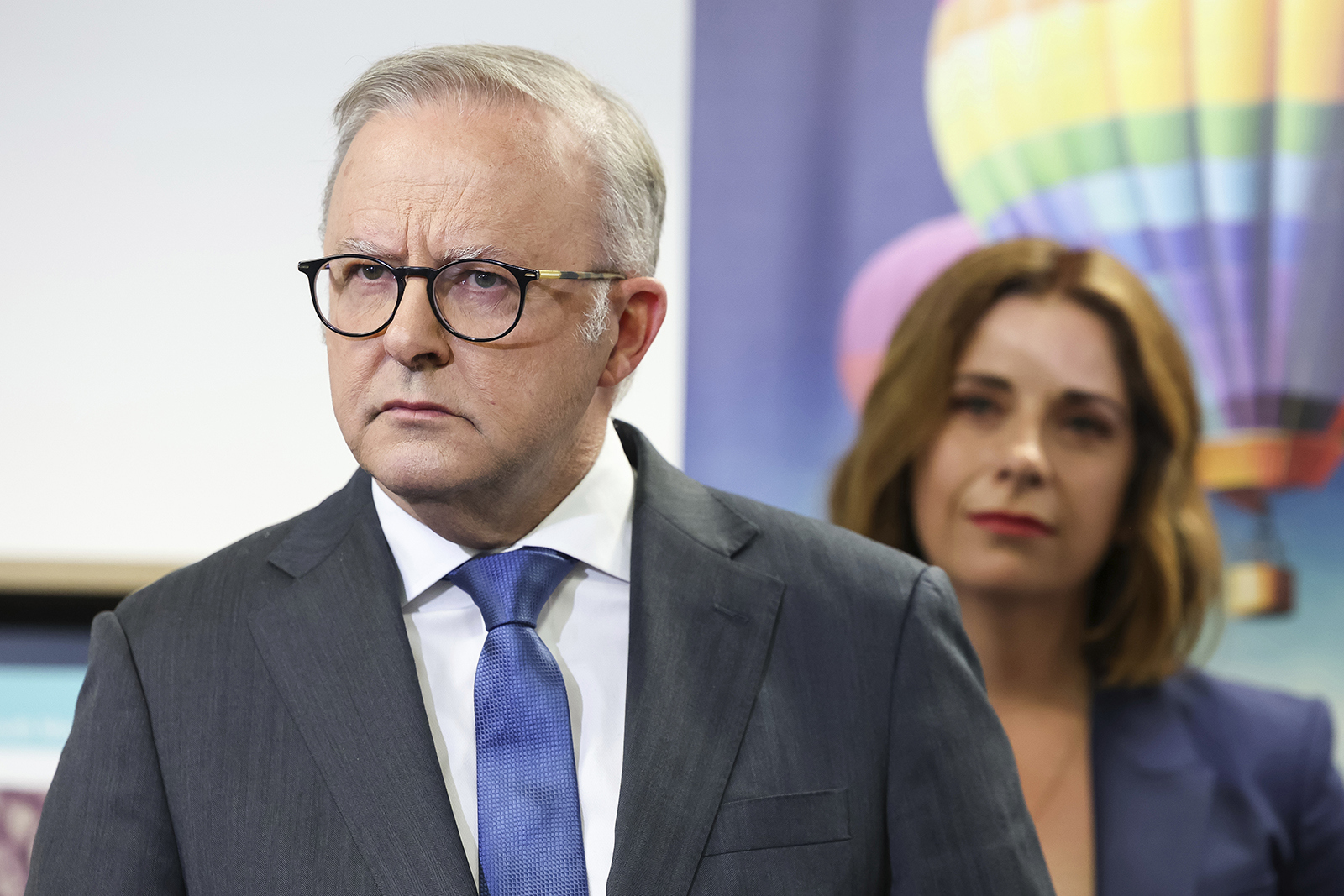
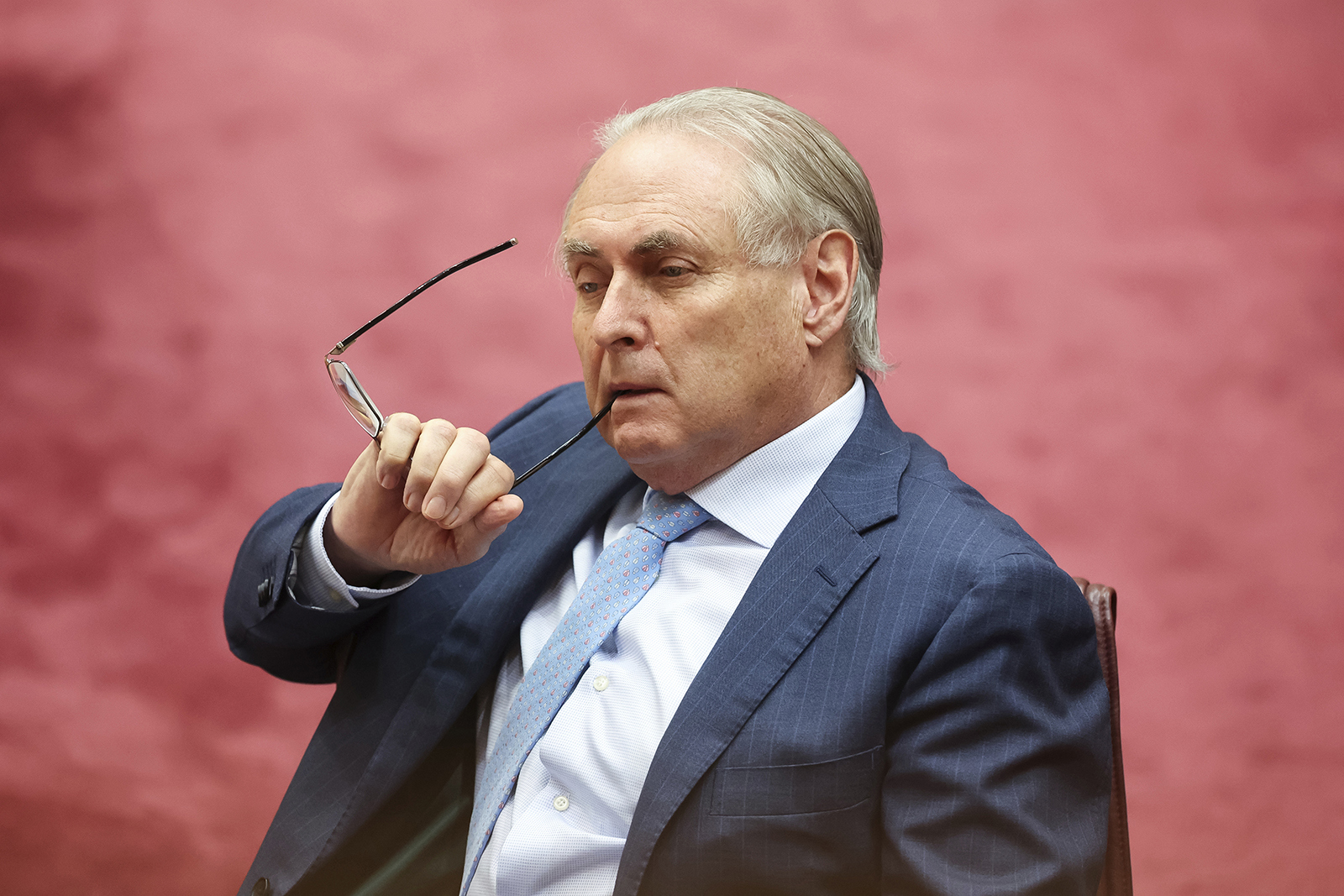
Despite Prime Minister Anthony Albanese saying this week that the rules governing politicians' travel allowances were set by the previous government, documents reveal Labor's Special Minister of State Don Farrell made an alteration on February 12, just weeks before the federal election was called.
That change affected what classified as party political duties and seemingly broadened what politicians might be able to bill taxpayers for when it comes to travel expenses.
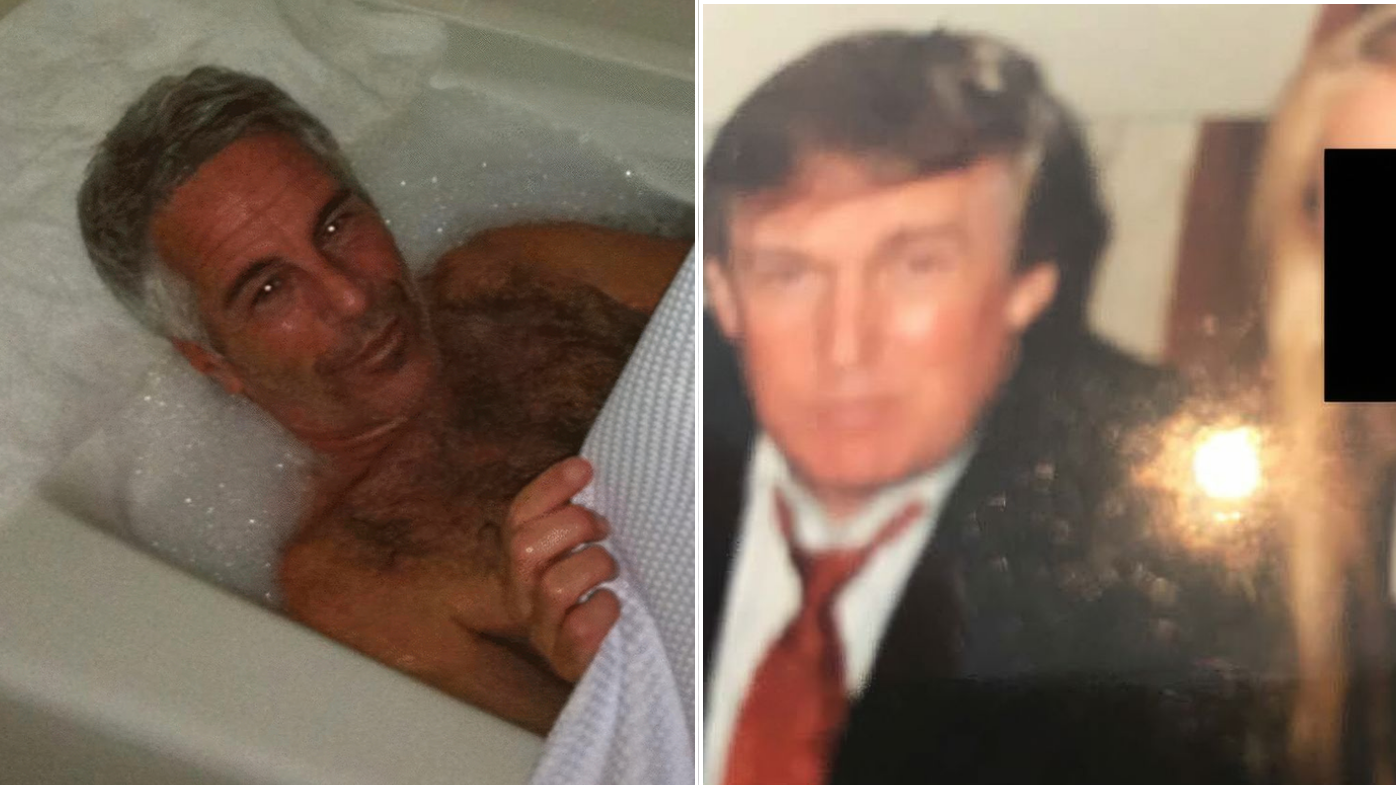
READ MORE: New Epstein photos 'no big deal', says Trump
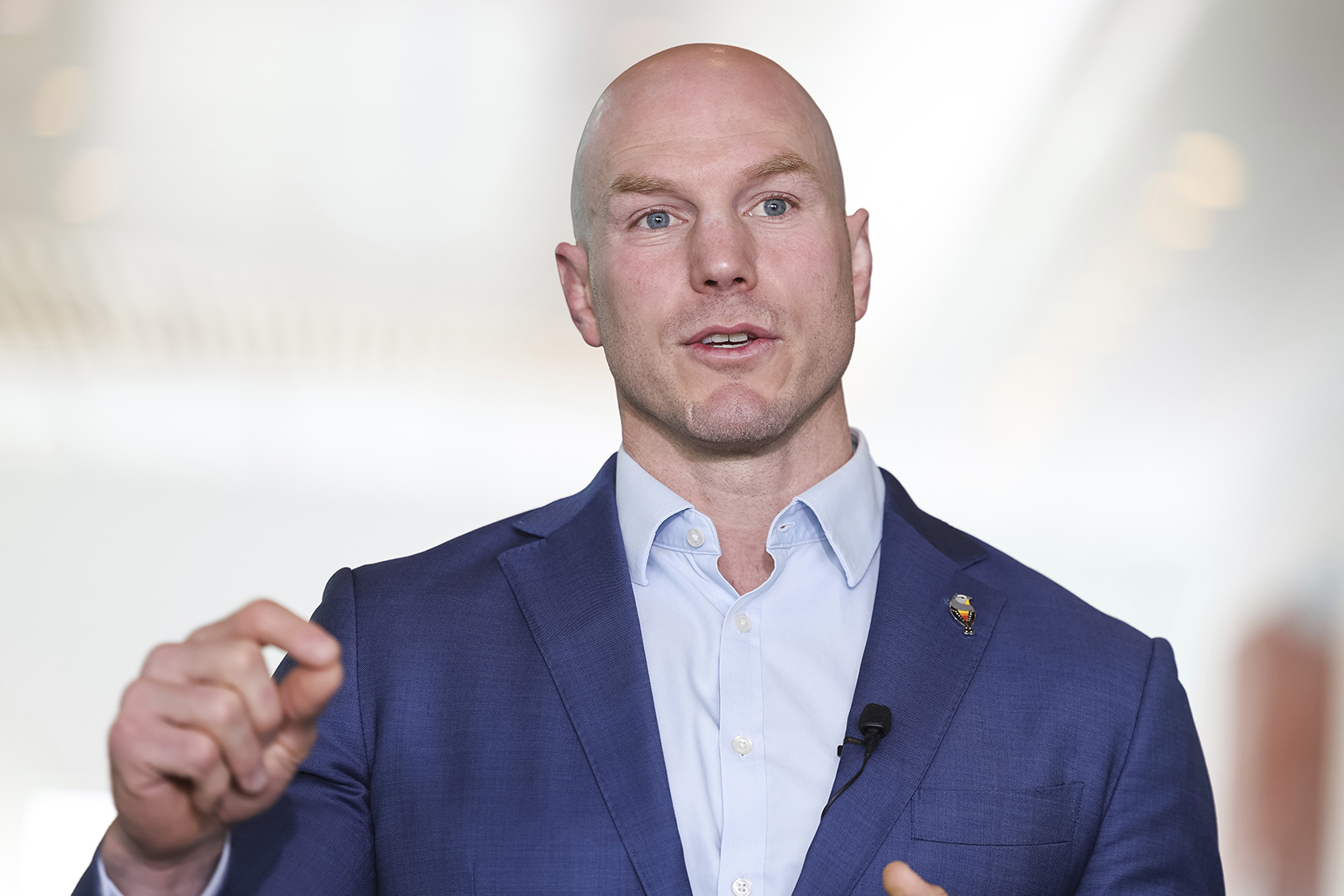
"It's outrageous to change the rules so that the taxpayer can pay for campaigning and political party events," independent Senator David Pocock said.
"Clearly the rules are not in line with community expectations and we need to make sure they are in line with what Australians expect."
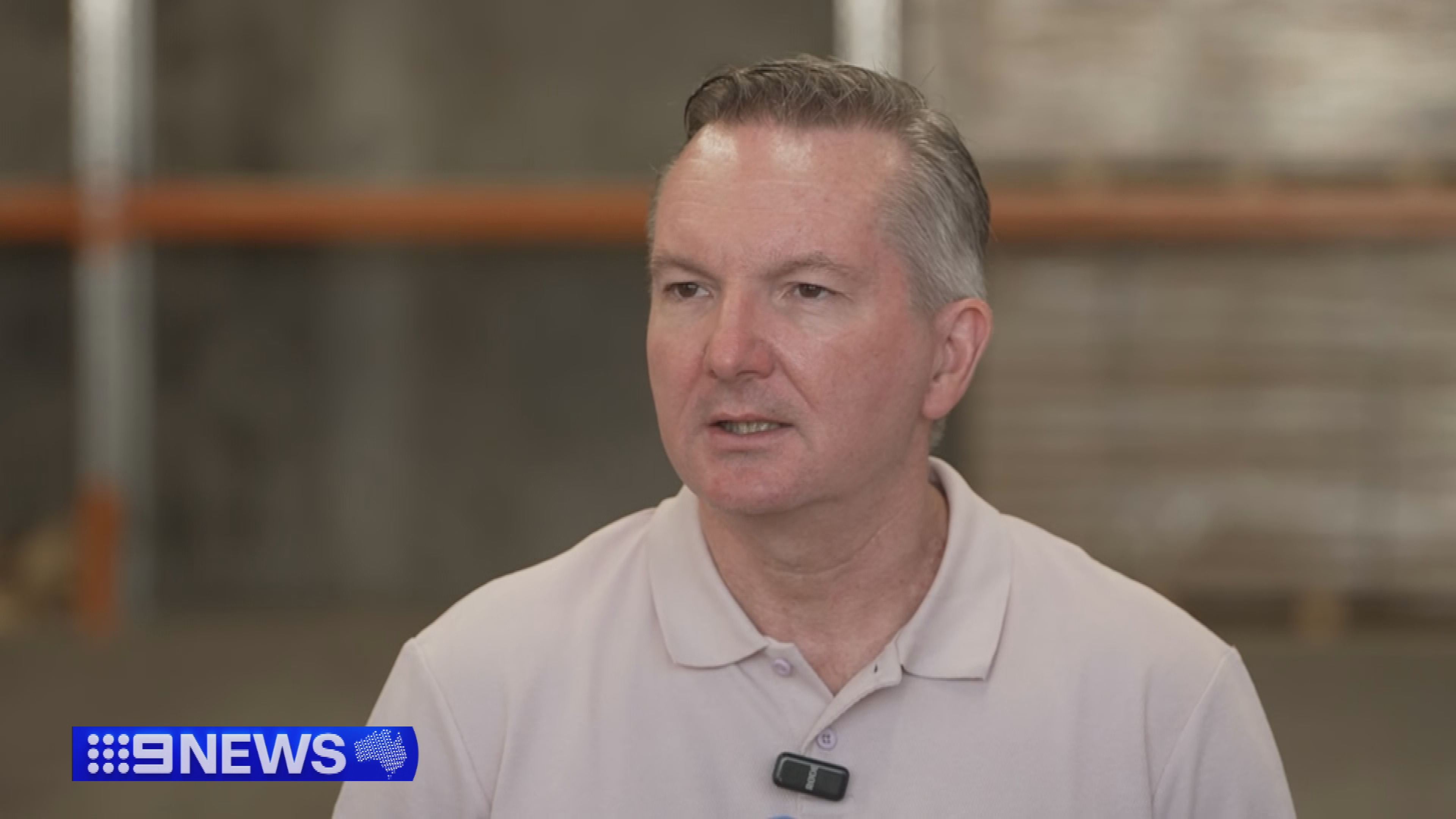
Energy Minister Chris Bowen defended the alterations, saying: "My understanding is that that change was simply a clarification of the rules to make them simpler."
"There was no change to what is allowed or not allowed," Bowen said.
It has also emerged that a review into political expenses was meant to take place this year but was postponed by two years, and now won't take place until 2027.
READ MORE: CCTV shows shirtless man run from scene after police car rammed
The government, at the time of postponing the review, cited disruptions from the federal election as the reason for the delay.
Centre for Public Integrity executive director Dr Catherine Williams said changes needed to be made.
"It's clear that the rules need to be reviewed so that members of parliament and the public can have confidence that when taxpayer money is being spent on parliamentarians' travel, it's meeting community expectations," she said.
Albanese has said he's seeking advice from the expenses watchdog regarding the legislation.
Bowen responded to questions about his colleagues' expenses during the unveiling of a shakeup of the government's home batteries subsidy.
Bowen said the subsidy scheme proved "even more successful than the government originally anticipated", meaning most of the $2.3 billion set aside for the four-year program would be exhausted within the next year.
As a result, the government has splashed an extra $5 billion into the program, but they're changing the parameters of the discounts.
From May next year, only smaller batteries will receive the full 30 per cent discount.
That figure will taper down for larger batteries "to make sure the program continues to be fair and sustainable", Bowen said.
EV benefits are also set to be reviewed.
DOWNLOAD THE 9NEWS APP: Stay across all the latest in breaking news, sport, politics and the weather via our news app and get notifications sent straight to your smartphone. Available on the Apple App Store and Google Play.
 Trump says 'we will retaliate' after three Americans killed in Syria attack
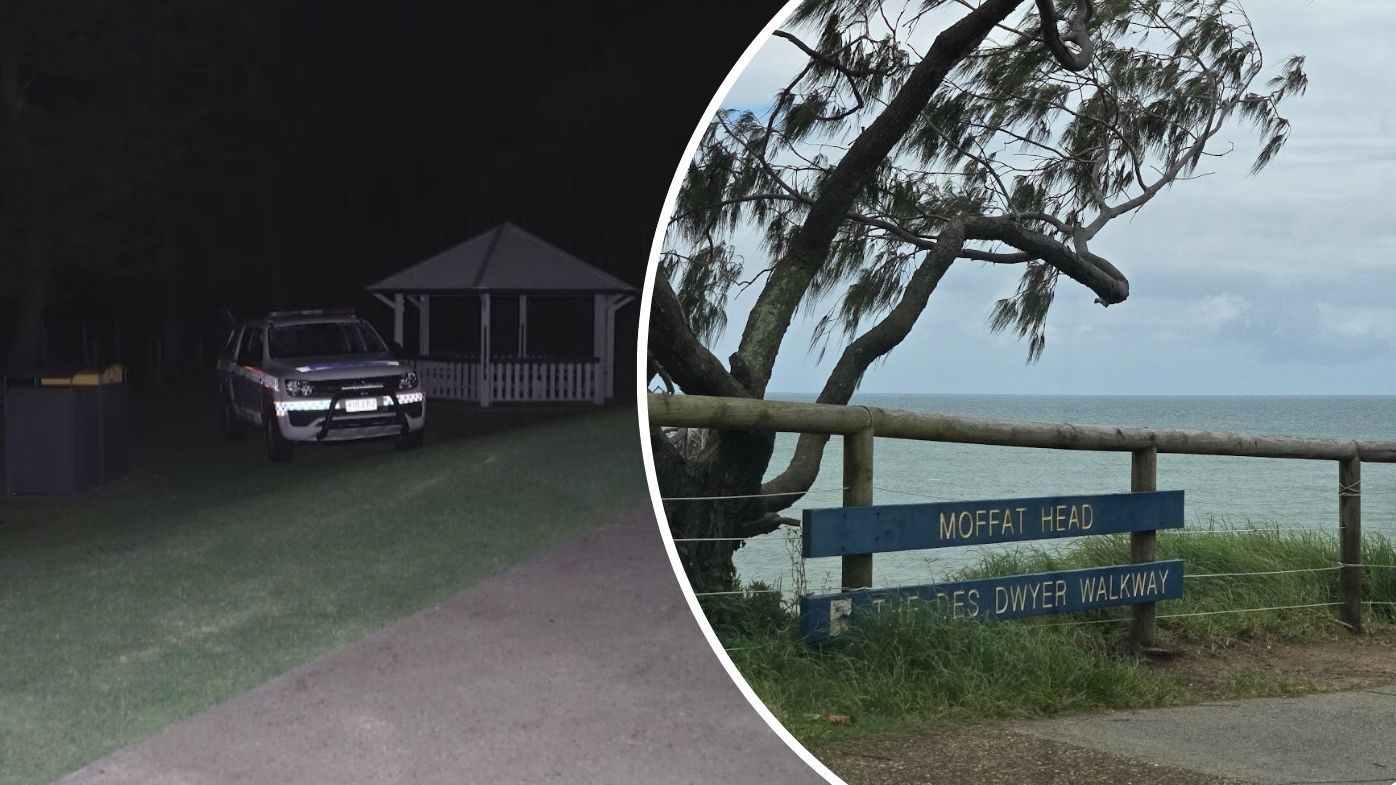 Teenager falls to her death while trying to take photo at lookout
 Home in Sydney's west sprayed with bullets while three people slept
 Cop car pulls into driveway before almighty smash
 New Epstein photos 'no big deal', says Trump
 Man charged over random attack on teen and woman who rushed to help
 These Aussies uphold a treasured Christmas tradition. But it doesn't come cheap or easy
 Perth family offers reward for rare, valuable dog feared stolen
 Clare restaurant destroyed in explosion
 Apple issues urgent iPhone update after triple zero emergency call testing raises concerns
 Perth family's 14-year fight to escape deportation finally over
 Reality TV star jailed for interfering with crash probe
 Keeping homes powered on scorchers relies on shutting one industry down
 New AI safety cameras capture 'beyond mind-boggling' driver behaviour
 David Jones hints at return of Christmas tradition next year
 Driver walks away from chaotic peak-hour crash in Adelaide