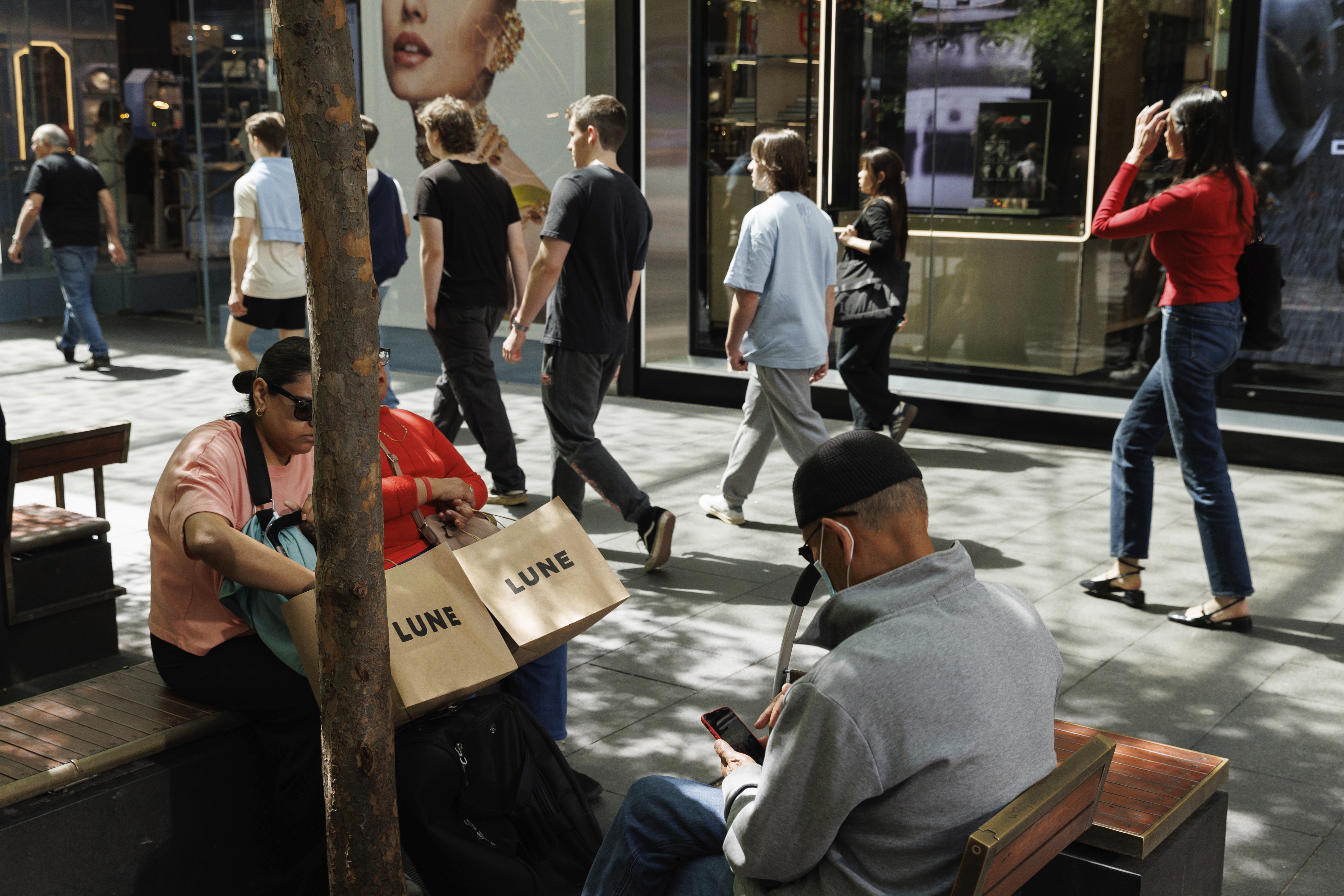
Inflation could soar past five per cent as experts warn Australians could be slapped with higher prices.
Inflation has eased for the first time since November, but Australians could be slapped with higher prices in the coming months as experts forecast figures to soar past 5 per cent.
New data from the Australian Bureau of Statistics (ABS) revealed the consumer price index eased to 3.7 per cent for the 12 months to February, down from 3.8 per cent the previous month and slightly lower than economists' expectations.
The trimmed mean – the Reserve Bank of Australia's (RBA) preferred measure of underlying inflation – was steady at 3.3 per cent.
READ MORE: Mining giant handed $2 billion in taxpayer funds to save 3000 jobs
Today's data only covers February, and therefore doesn't capture any of the inflation caused by skyrocketing oil prices and other flow-on effects from the war in Iran.
Canstar forecasts the global backdrop and inflation remaining above the 2 to 3 per cent target will encourage the Reserve Bank to deliver a third interest rate hike at its next meeting in May.
"There's no calm before the storm, but instead, persistent inflation that is set to spike once the Middle East conflict hits next month's data, just six days out from the RBA's next meeting," Canstar's data insights director Sally Tindall said.
"If the RBA ratchets up the cash rate lever for the third time in as many meetings, borrowers will be back to the highest cash rate setting since November 2011.
"This would translate into a 7.4 per cent increase in a typical borrower's monthly repayments, on top of which will almost certainly be elevated petrol, grocery and services costs."
The ABS figures also showed fuel prices were 7.2 per cent lower this February than the same time last year.
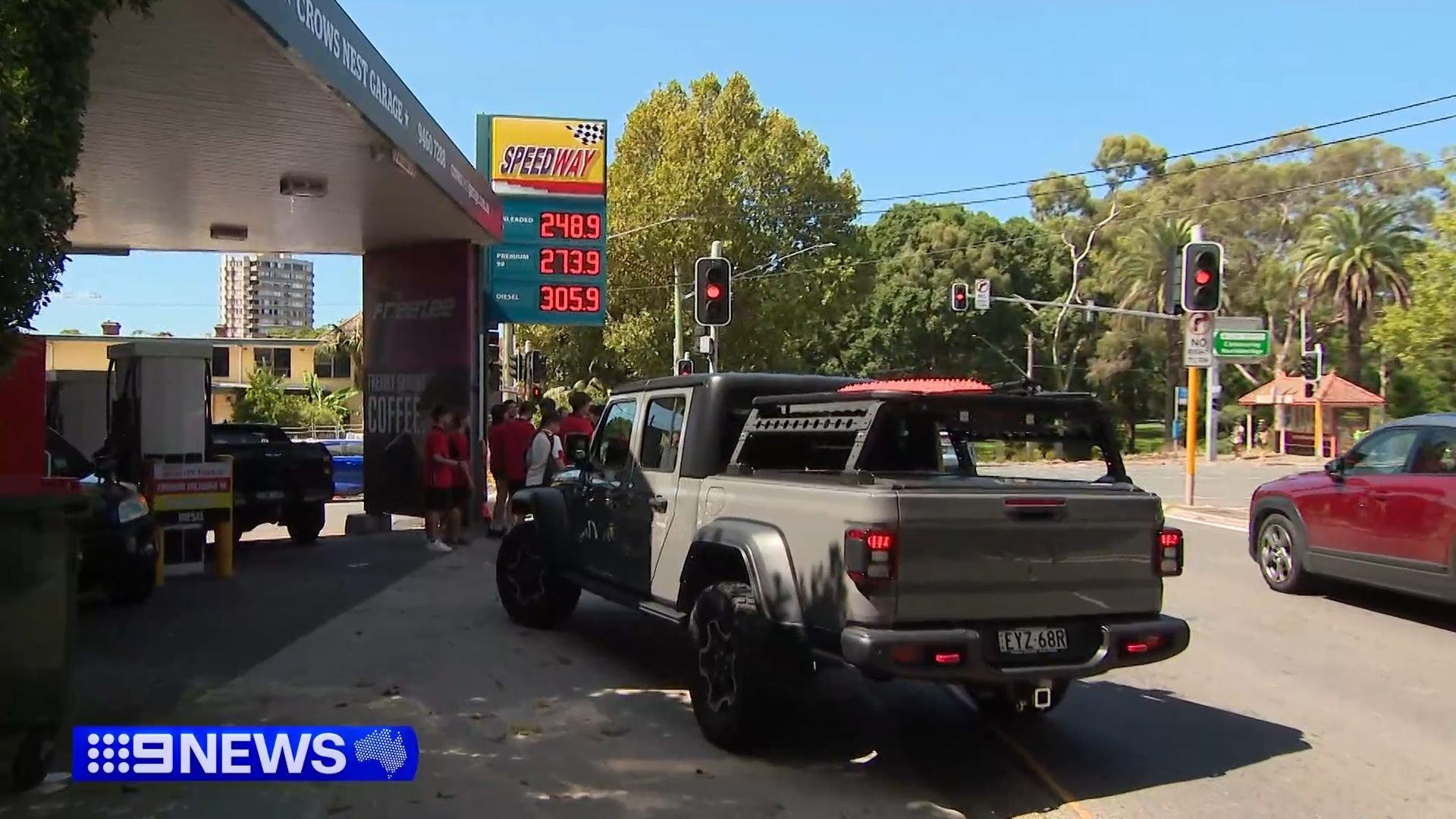
In the three weeks since, fuel prices have soared to record highs, with unleaded near $3 a litre and diesel more than $3 per litre in parts of the country.
Housing costs were the main driver of inflation over the past 12 months, driven by a whopping 37 per cent energy price surge as government rebates ended.
Food and non-alcoholic drink prices also rose 3.1 per cent, with meals and takeaway prices increasing 3.7 per cent in the past year and beef and lamb prices rising by 13 per cent.
The RBA's monetary policy board doesn't meet again until early May, when the ABS will have released another round of inflation data, including quarterly figures.
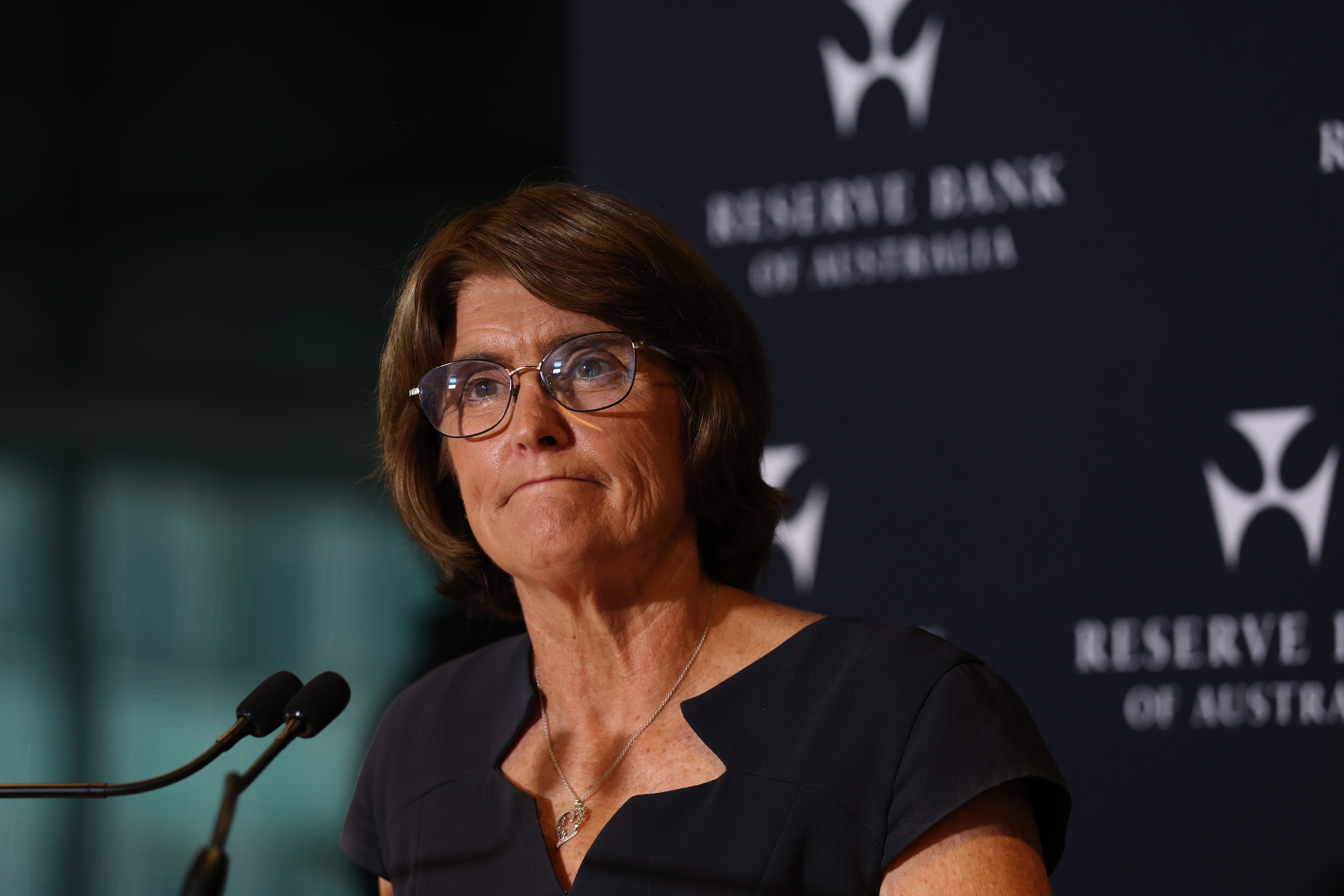
Governor Michele Bullock suggested more rate increases could come if inflation does not decrease.
"We don't want to have a recession, but if it's hard to get inflation down, then we're going to have to deal with that possibly," she said earlier this month.
READ MORE: 1.4 million Aussies feared at risk of mortgage stress after double rate whammy
Inflation expected to climb past 5 per cent
Treasurer Jim Chalmers last week revealed modelling forecasts inflation to rise to 5.5 per cent if global oil prices continue to rise to $US120 per barrel.
A less severe scenario that sees oil prices reach $US100 per barrel in the short-term would still see inflation hit high 4 per cent.
Today, speaking to reporters after the latest inflation figures were released, he said those scenarios look "pretty conservative now".
"There are two key considerations here. First of all, the timing of the end of the war and secondly, how long it takes for the global economy to get back on track after the hot part of the hostilities," he said.
"Those are really the two key variables which play out in all of our scenario planning and all of our modelling."
READ MORE: Commonwealth Bank raises home rates for the second time this month
Chalmers has also warned that the economic impacts of the global conflict could be as damaging as the 2007 global financial crisis and the COVID-19 pandemic.
Westpac expects headline inflation to reach 5.5 per cent by mid-year due to fuel prices and the trimmed mean, which will exclude fuel volatility, to reach 3.5 per cent in the same time.
Commonwealth Bank similarly forecasts inflation to soar past 5 per cent if the conflict severely escalates and causes oil prices to reach closer to $US150 per barrel.
NEVER MISS A STORY: Get your breaking news and exclusive stories first by following us across all platforms.
- Download the 9NEWS App here via Apple and Google Play
- Make 9News your preferred source on Google by ticking this box here
- Sign up to our breaking newsletter here
 Experts liken sky-high fuel prices to three interest rate rises
 What nation's youngest murderer asked a stranger
 'We are in agony': Savannah Guthrie's first interview since mum's disappearance
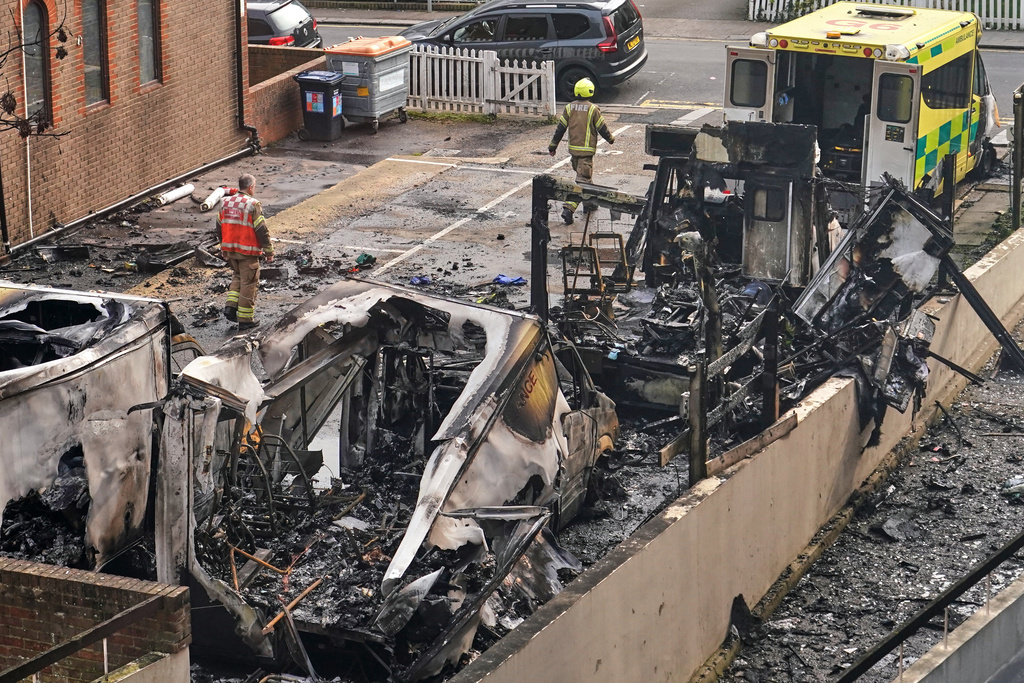 Two arrested over arson attack on UK Jewish charity's ambulances
 SA premier announces surprise cabinet reshuffle after landslide win
 Urgent recall issued for baby monitor unit over possible battery fire hazard
 'I wish they killed me': Mother left traumatised after violent home invasion
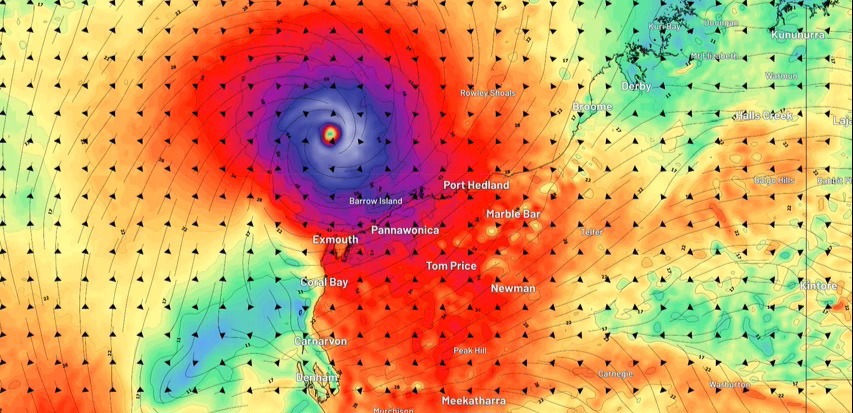 Cyclone expected to deliver massive 'rain dump' to Perth after crossing WA coast
 'My kids' lives mean nothing': Mum sobs as 'callous' driver jailed
 Identity of 'major player' charged with Sydney grandfather's murder revealed
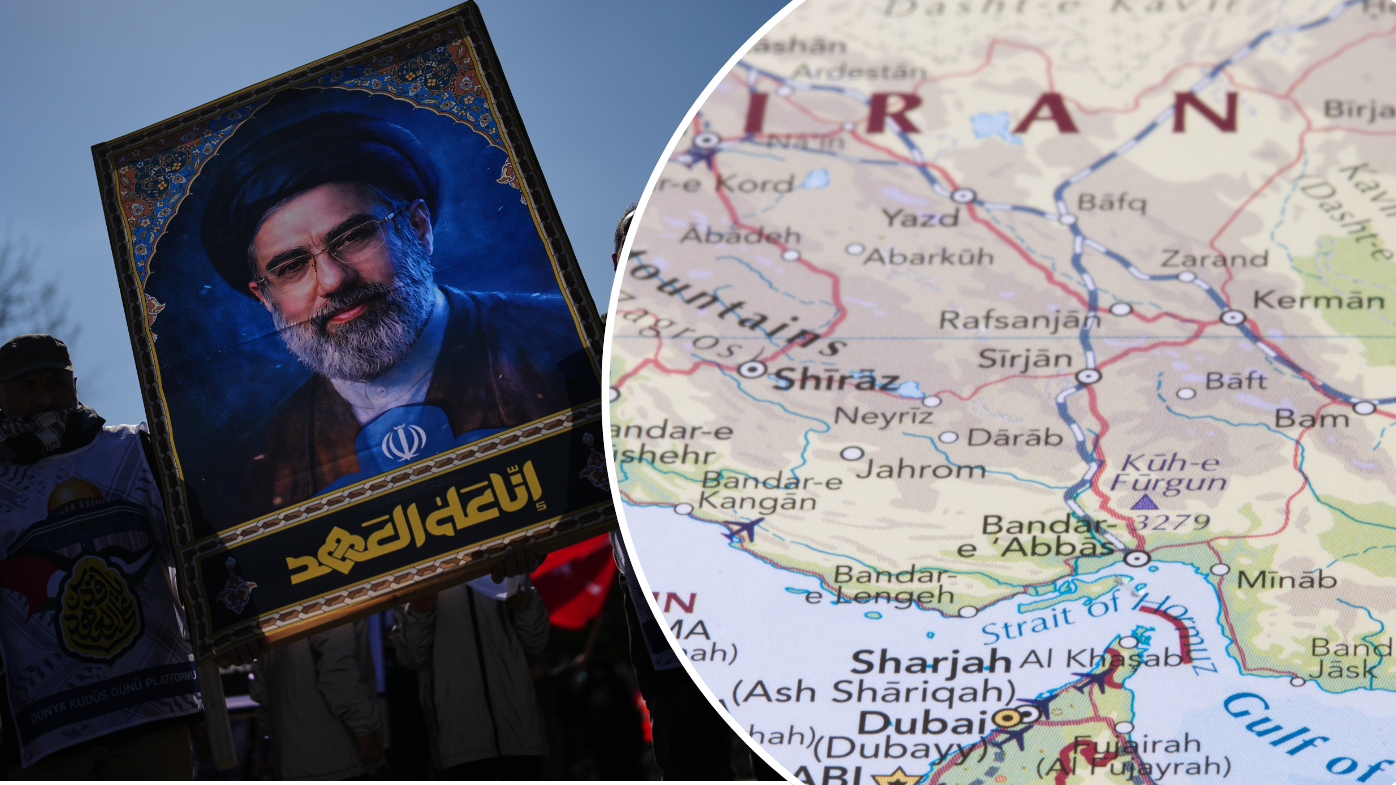 Iran looking to turn Strait of Hormuz into massive toll booth
 'They're screaming out for it': Hanson's warning after election shock
 Sydney Opera House sails light up to mark 50 Years of Apple
 Trump on shaky ground after Democrats win Mar-a-Lago seat
 Motorists flock to tiny growers mart selling city's cheapest fuel
 Hours of daily free power to be offered to 2.6 million Aussie households
 Diesel hits $4.25/litre on K'gari as owner lays bare reality of fuel crisis
 Trump says Iran has sent expensive gift to US, but won't say what it is
 Jetstar slashes flights to New Zealand as fuel costs bite