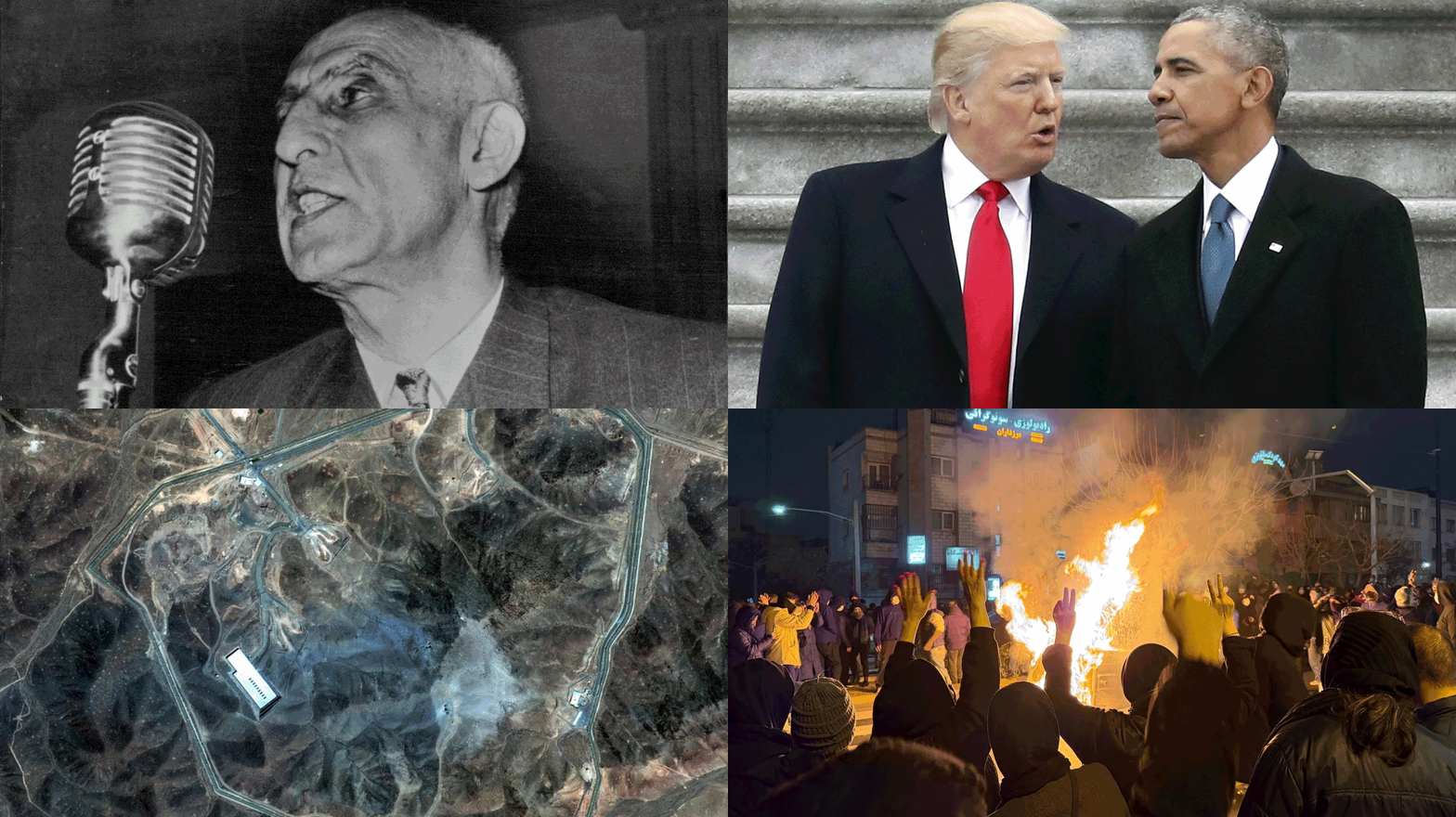
This weekend's strikes by the United States and Israel on Israel come on the back of months of tensions ratcheting up in the Middle East. But the origins go back decades.
This weekend's strikes by the United States and Israel on Iran, resulting in the assassination of Supreme Leader Ayatollah Ali Khamenei, come on the back of months of tensions ratcheting up in the Middle East.
But the events leading up to the dramatic military action date back far further, US President Donald Trump ordering a increased armed presence in the region, instead reaching back almost three-quarters of a century ago.
Here's how we got here.
LIVE UPDATES: US and Israel attack Iran, Tehran retaliates with strikes throughout Middle East
1953
Iranian Prime Minister Mohammed Mossadegh is overthrown in a UK-instigated, US-supported coup aimed at protecting British oil interests.
His removal strengthens the power of the monarchy under Shah Mohammad Reza Pahlavi, but also anti-American and anti-British sentiment in the country.
READ MORE: 'Iran can end this now': World leaders react to US-Israel strikes
1979
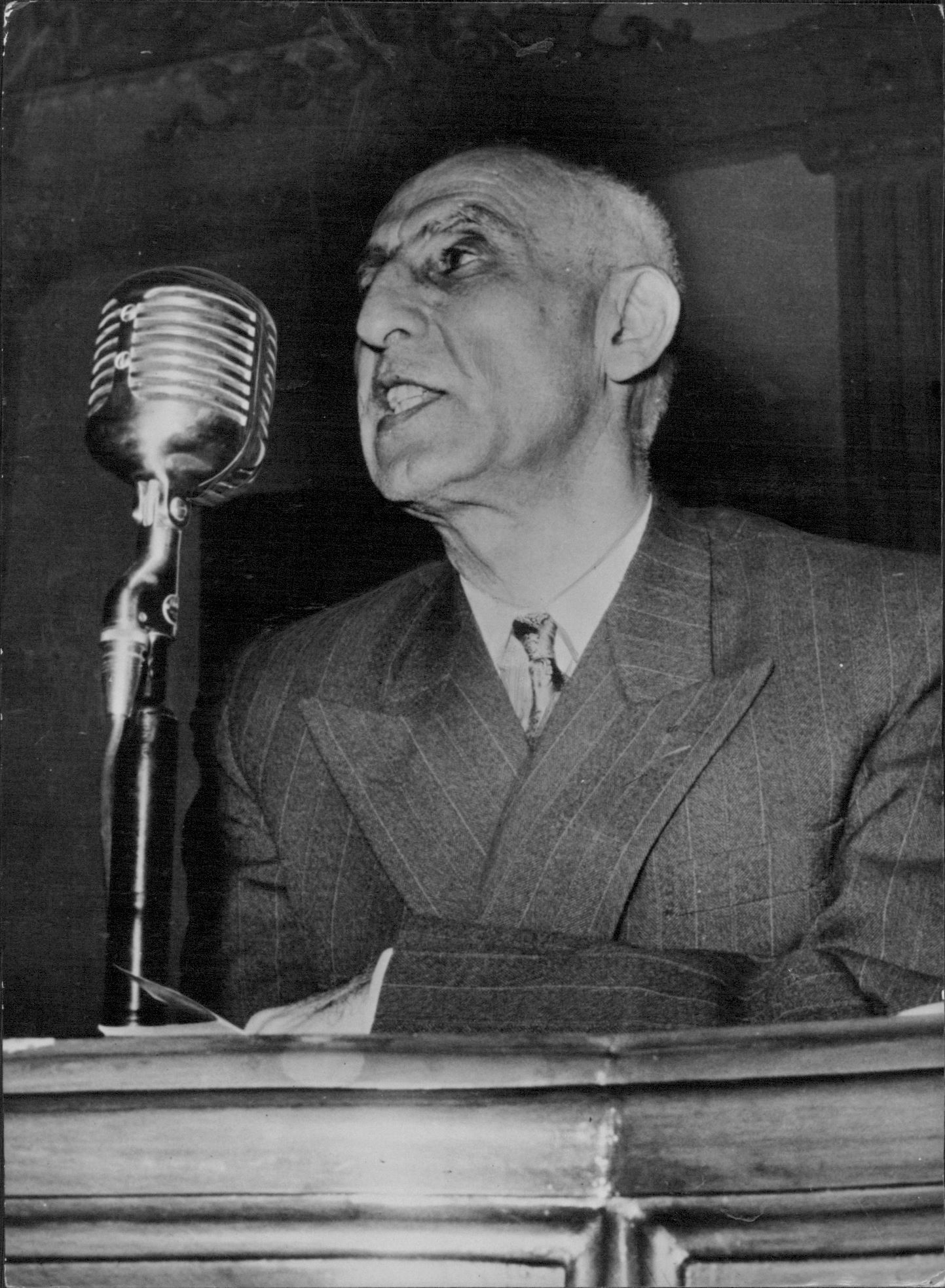
The shah, who is by now deeply unpopular, is overthrown in the 1979 Iranian Revolution. The Islamic Republic of Iran is formally established, with Ayatollah Ruhollah Khomeini its first supreme leader.
Under the new Islamic Republic, the rights of women are heavily restricted.
READ MORE: Potential oil price hike could impact petrol cost in Australia
1981
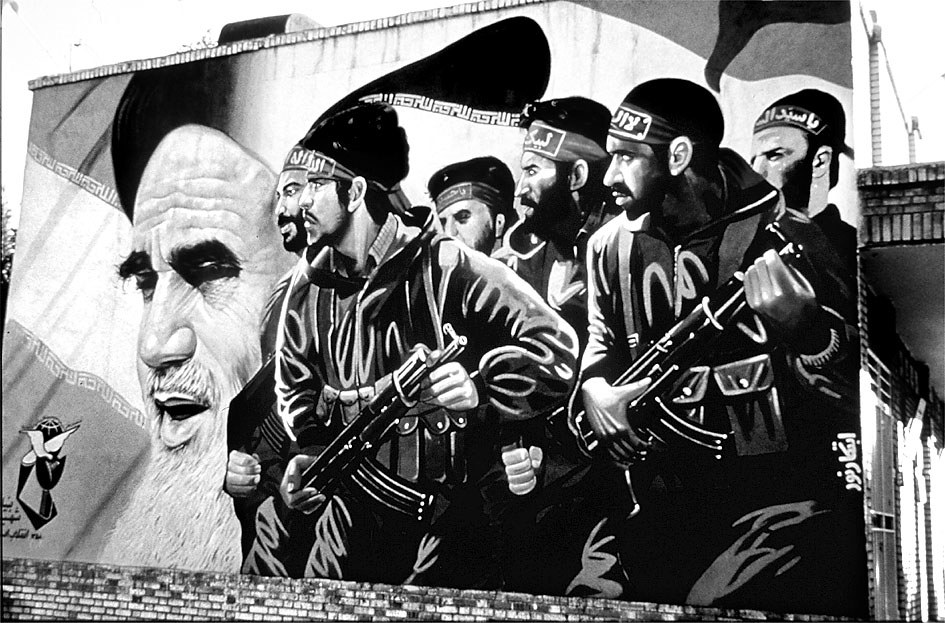
Ali Khamenei becomes the president of Iran. He is sworn in wearing a sling for his right arm, which was paralysed in a failed assassination attempt in 198.
1989
Khomeini dies. Khamenei replaces him, becoming Iran's second supreme leader.
Around this time, it establishes a plan to develop nuclear weapons, known as Project AMAD.
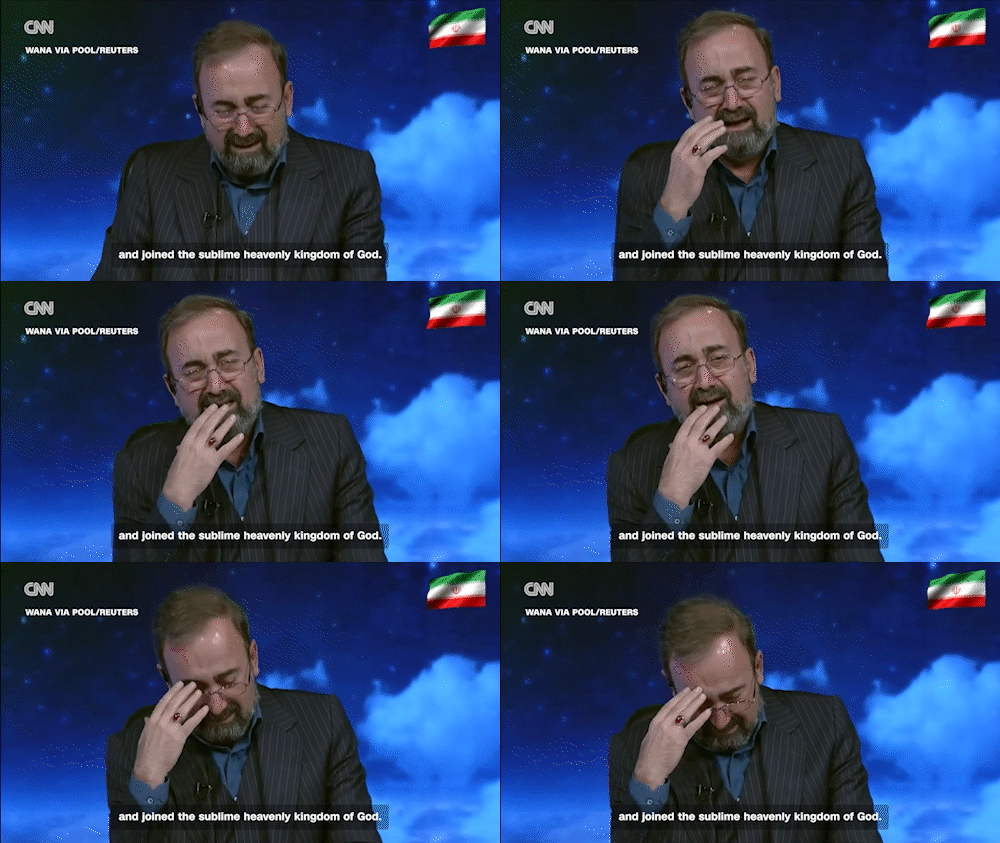
WATCH: State TV presenter cries while announcing the death of Iran's supreme leader
1995
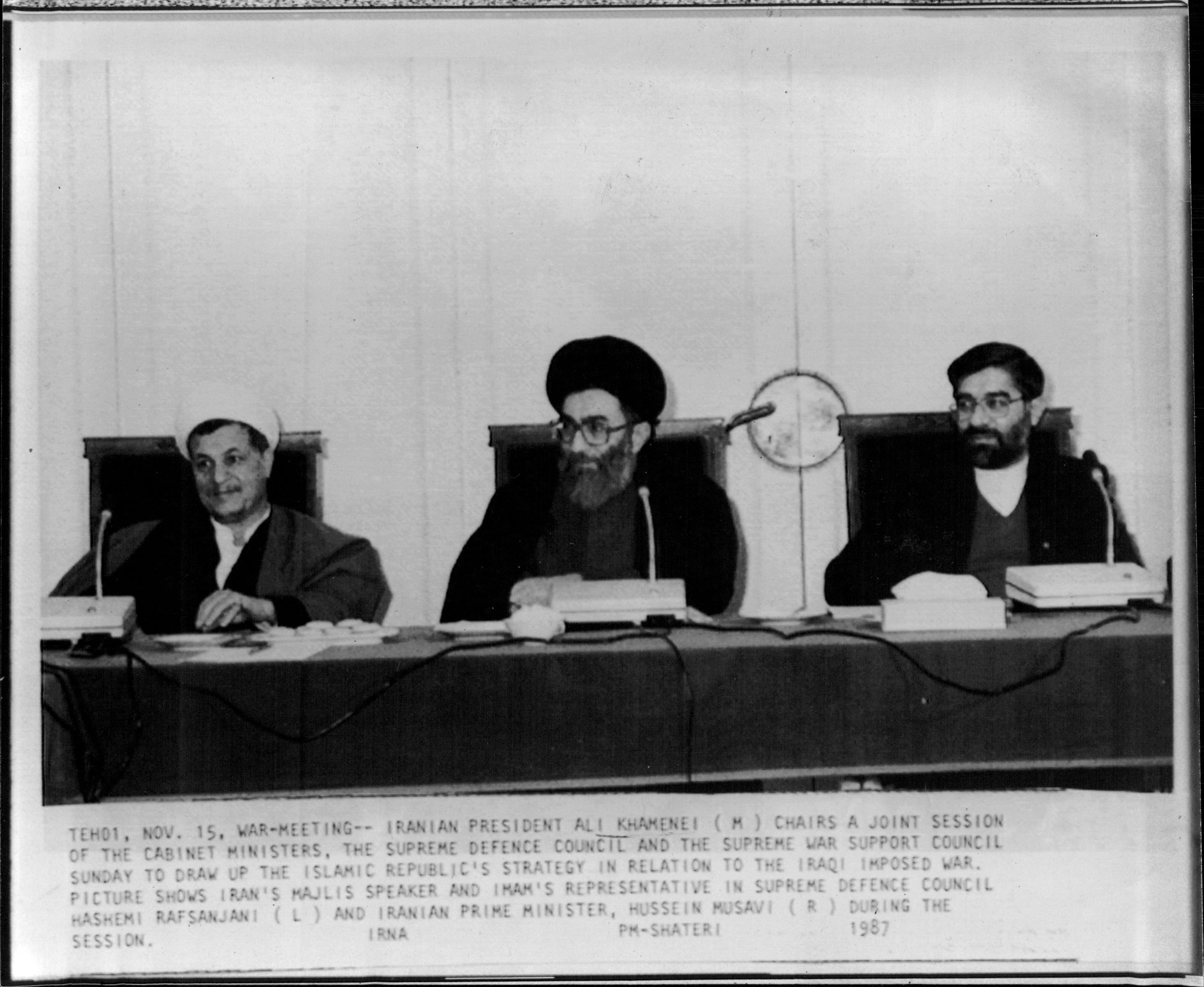
Iran is subjected to oil and trade sanctions by the US over state terrorism sponsorship and the desire for a nuclear weapon. Further sanctions are applied in the coming decades.
1999
Student protests break out in response to the closure of reformist newspaper Salam.
In the largest demonstrations since the days of the revolution, at least four students are killed, hundreds are wounded and more than 1000 are arrested in the crackdown by authorities.
READ MORE: Dubai Airport damaged in reported strike, four hurt
2003
Project AMAD is shelved, although Iran's nuclear program, including civilian uses, continues.
Iran signs the Tehran Agreement, which included pledges to temporarily suspend uranium enrichment and reprocessing, and more intrusive inspections by international authorities, although its cooperation with those commitments is frequently questioned.
2009, June
Protests in major cities break out in response to the 2009 presidential elections, after incumbent Mahmoud Ahmadinejad is declared the winner over two reformist opposition candidates, who claim the result is fraudulent.
Dozens are killed and thousands arrested in the ensuing crackdown.
TRAVEL CHAOS: Will my flight be cancelled? What to know about conflict in the Middle East and flight plans
2009, September
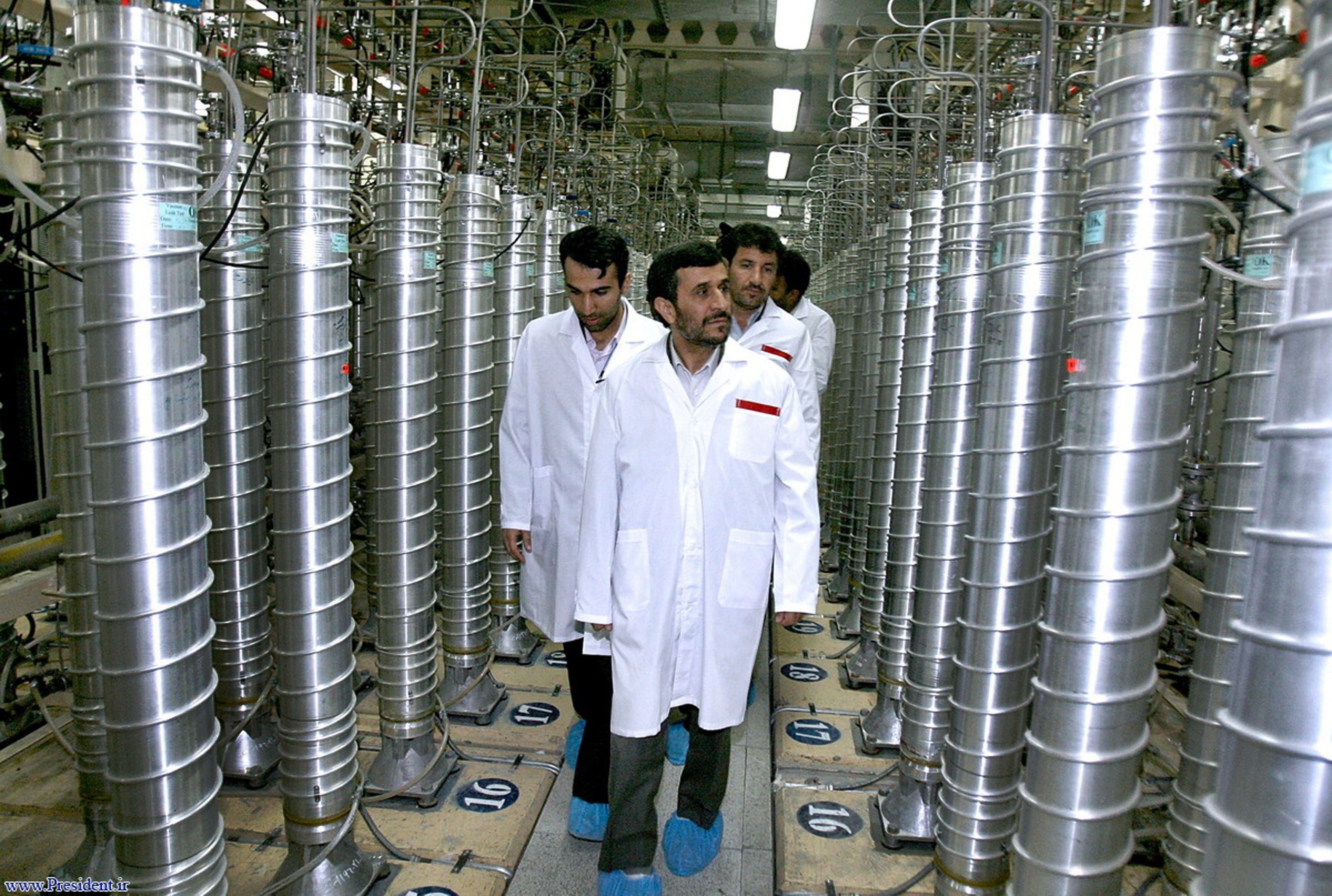
Iran admits it is building a uranium enrichment plant, but insists it is for civilian purposes.
Separately, it test-fires a range of medium- and long-range missiles that could reach Israel and US military bases in the region.
2015
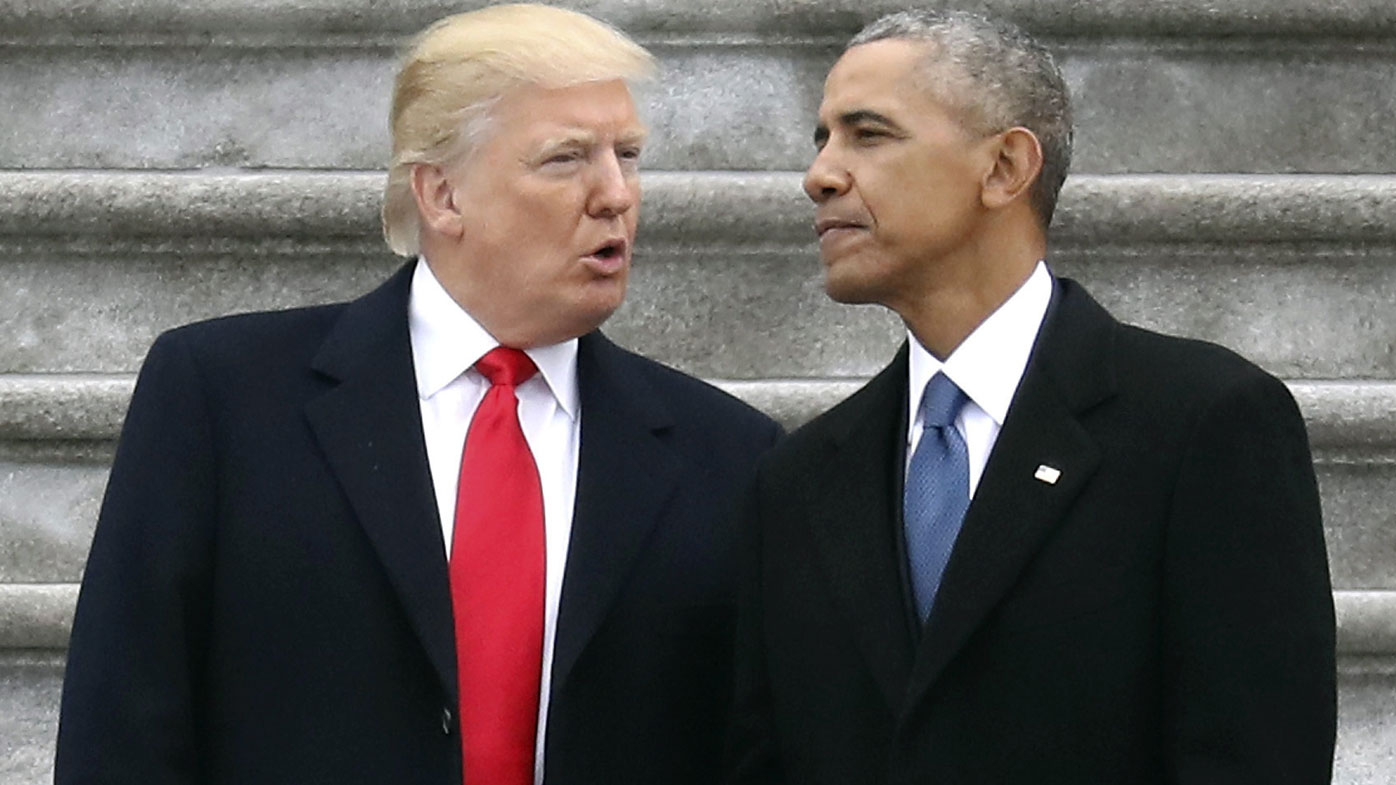
Iran signs the Joint Comprehensive Plan of Action with the United States under President Barack Obama, as well as China, France, Russia, United Kingdom and Germany.
The agreement limits Iran's nuclear program in exchange for the lifting of sanctions.
READ MORE: Australian travellers stranded as closed airspace causes flight cancellations
2018
US President Donald Trump withdraws from the nuclear deal.
2020
The commander of the Islamic Revolutionary Guard's elite Quds Force, Qassem Soleimani, is assassinated in a US drone strike.
2022
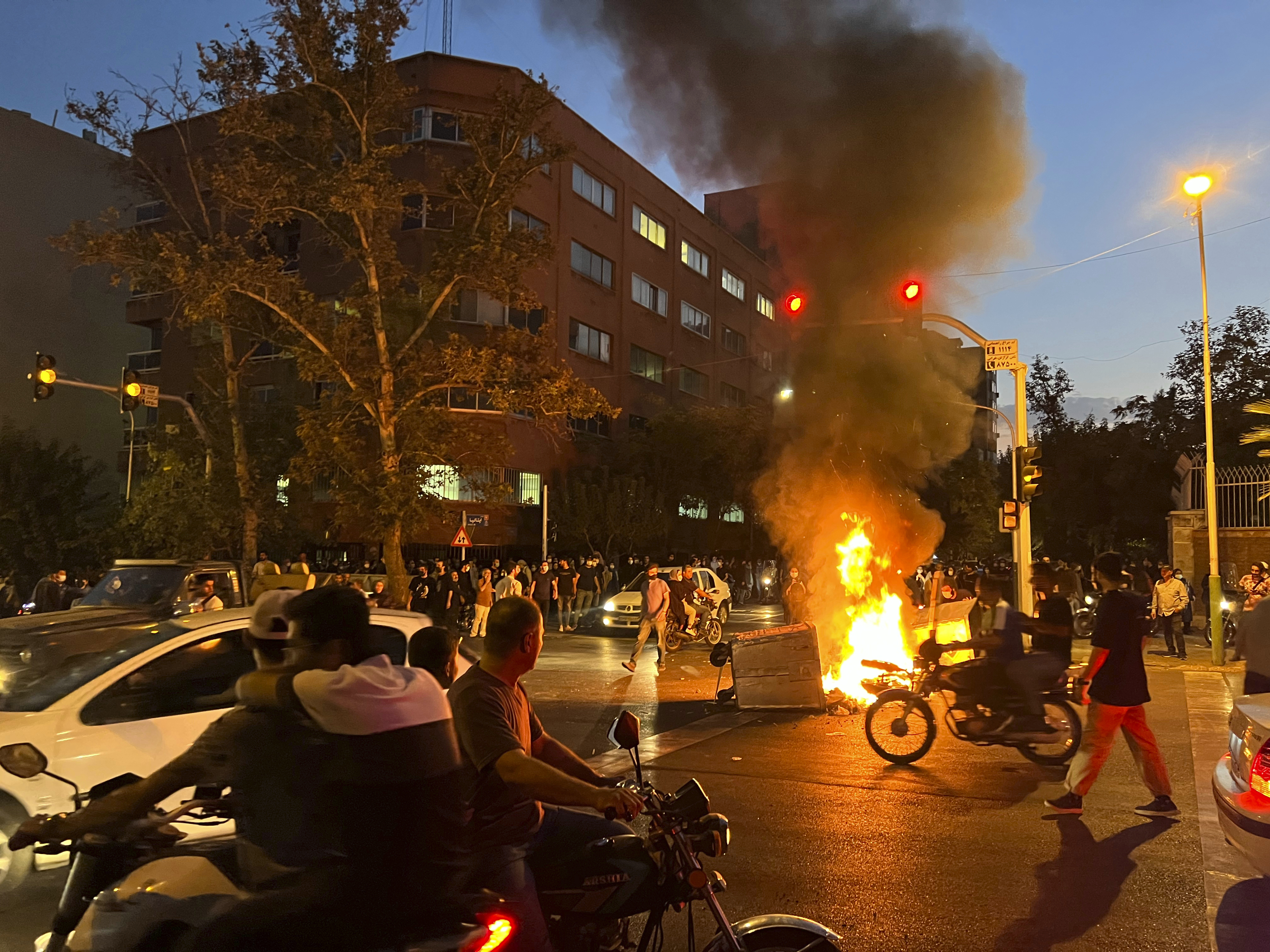
Massive protests erupt following the death of young woman Mahsa Amini in a suspected case of police brutality for not wearing a hijab properly.
More than 550 people are killed in the crackdown, and almost 20,000 arrested.
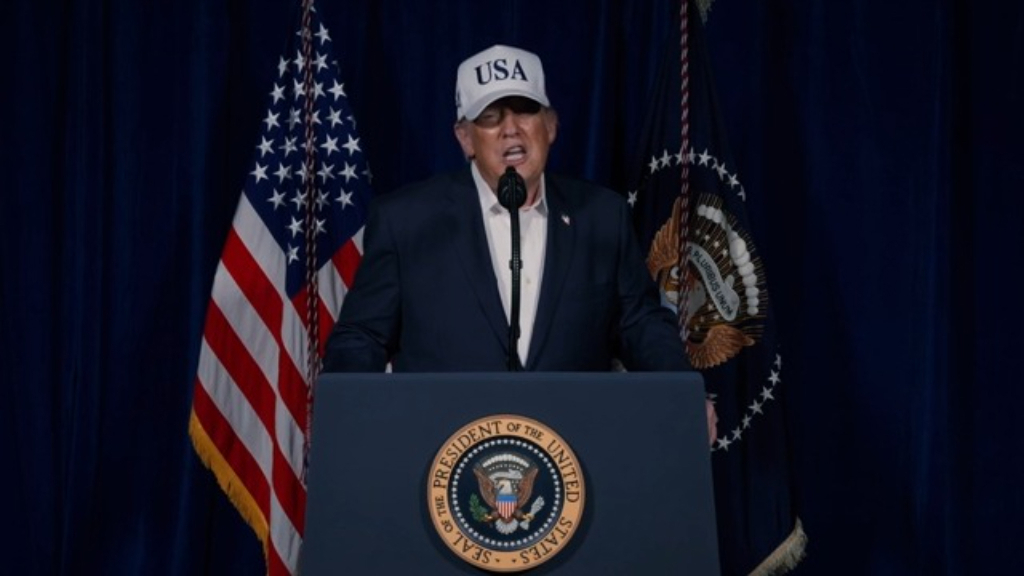
READ MORE: Trump declares Khamenei, 'one of most evil people in history', is dead
2023
Iranian proxy Hamas carries out the deadly October 7 attacks on Israel from Gaza. Nearly 1200 are killed and more than 200 hostages taken, and the Israeli retaliation leaves Hamas and fellow Iranian-backed group Hezbollah massively weakened.
2025, June 13-24
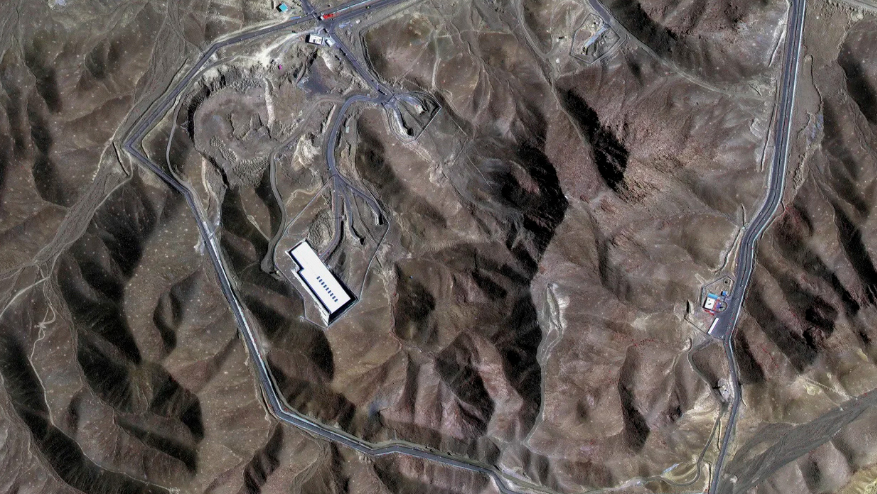
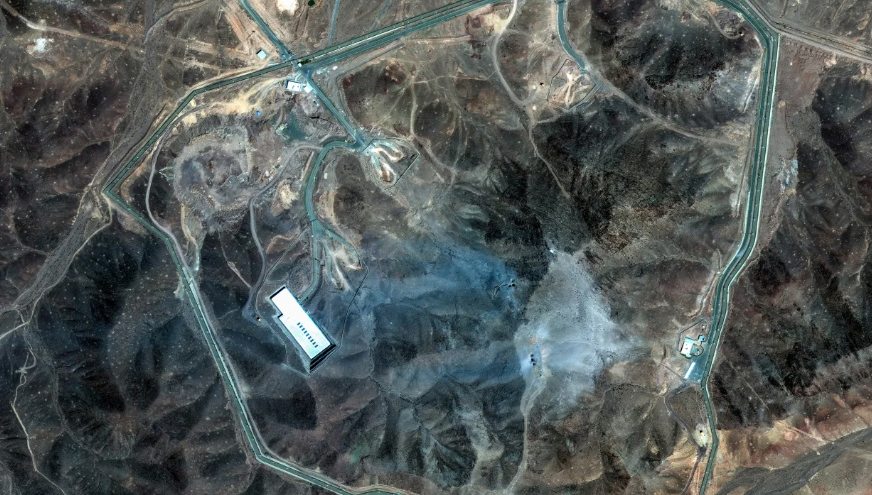
Israel carries out surprise strikes against Iranian nuclear facilities, starting what becomes known as the 12-Day War. Iran responds with missile strikes against Israel, most of which are intercepted. The US carries out bombing attacks on Iranian nuclear facilities, which Trump claims are "completely and totally obliterated".
2025, December 28
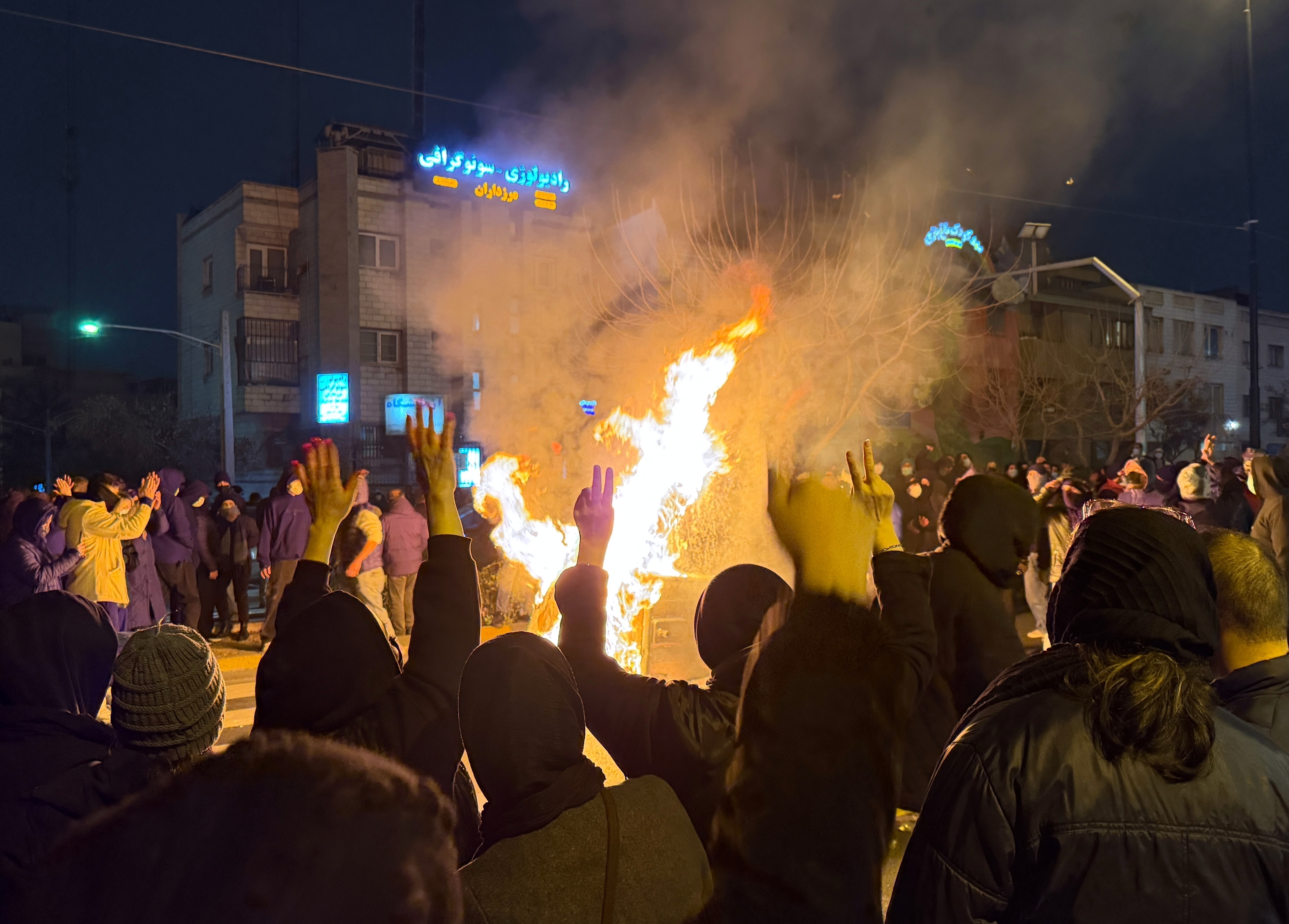
Protests break out in Tehran over the collapsing currency, the rial.
2026, early January
The protests grow into nationwide demonstrations, the largest in Iran since the revolution. Trump tells civilians to "keep protesting" and that "help is on the way".
However, the US does not take military action in Iran.
Thousands are killed by authorities. Exact casualty figures remain unknown, but one reputable human rights agency said about 7000 are dead, while others claim the death toll is higher than 30,000.
READ MORE: PM's brutal message after confirmed death of Iranian leader
2026, February 19
As the US and Iran hold talks over the latter's nuclear program, Trump says he'll decide on whether to take military action in the next 10 or 15 days. The US has built up a massive armed presence in the area, with two aircraft carrier groups in the region.
2026, February 28
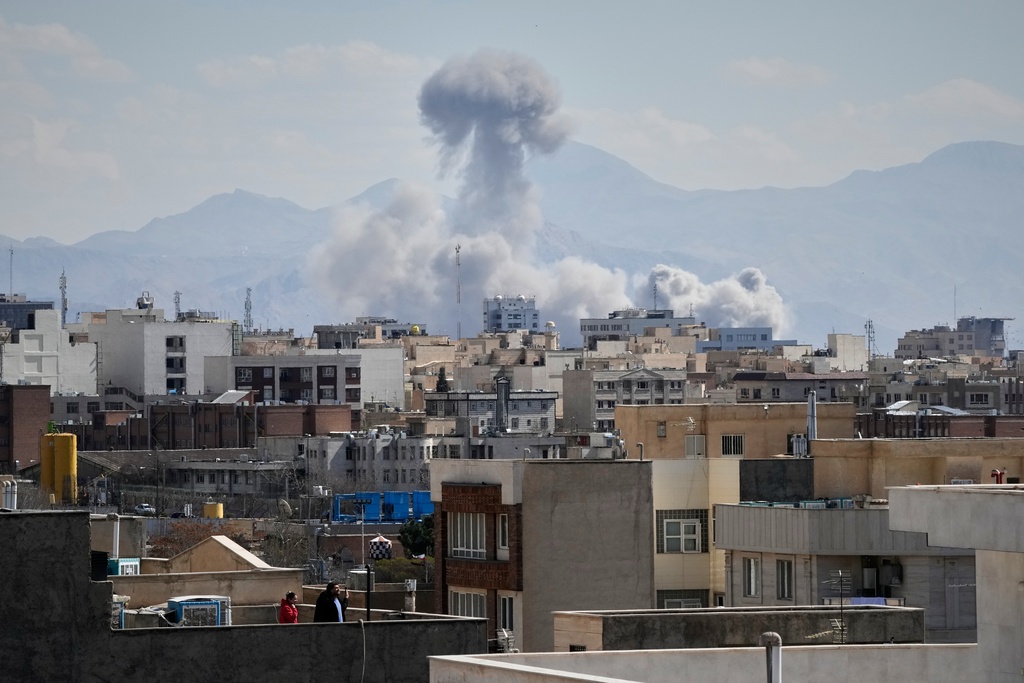
Israel and the US launch massive, widespread airstrikes on Iran. Iran responds with strikes on Israel and US bases in the Middle East. Supreme Leader Khamenei is killed in the strikes, along with the head of the Revolutionary Guard and other senior leaders.
NEVER MISS A STORY: Get your breaking news and exclusive stories first by following us across all platforms.
- Download the 9NEWS App here via Apple and Google Play
- Make 9News your preferred source on Google by ticking this box here
- Sign up to our breaking newsletter here
 Massive explosion as Israel targets 'heart' of Tehran
 Australian travellers stranded as closed airspace causes flight cancellations
 Will my flight be cancelled? What to know about conflict in the Middle East and flight plans
 'Will not be mourned': PM's brutal message after confirmed death of Iranian leader
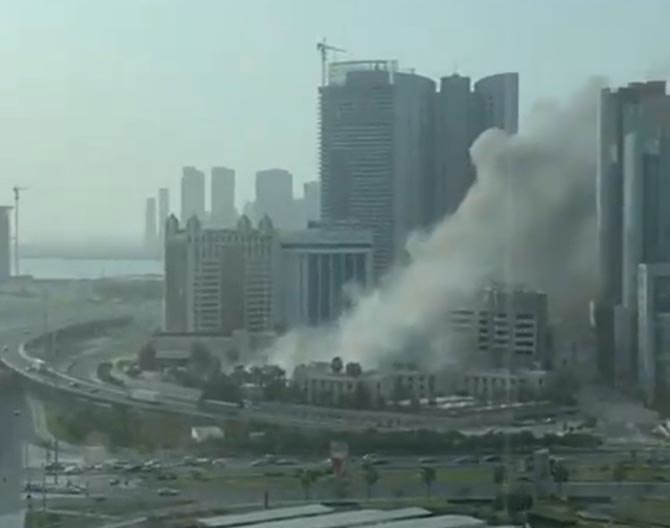 Five-star hotel complex in Bahrain hit in fresh drone wave
 Potential oil price hike could impact petrol cost in Australia
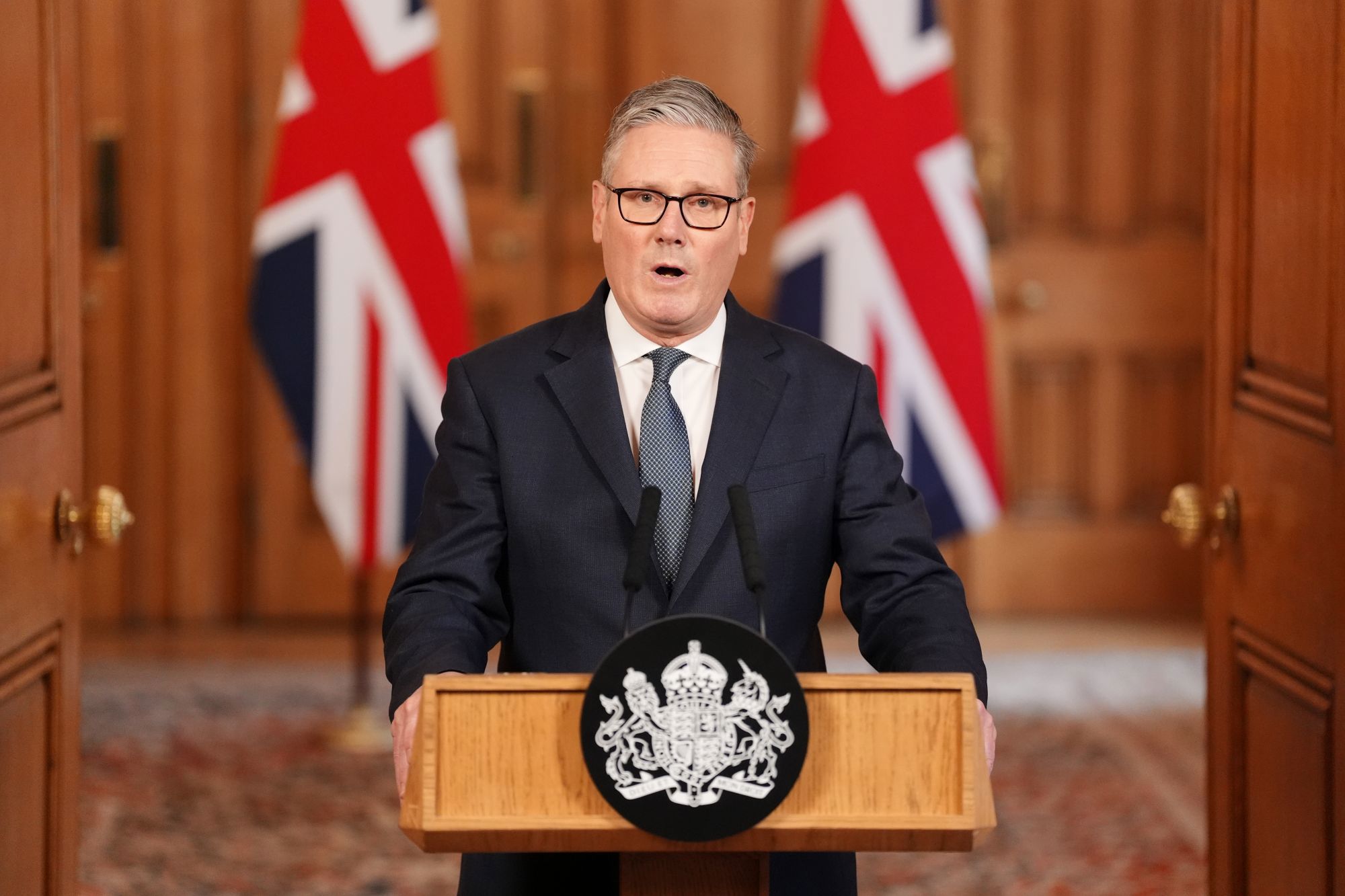 'Iran can end this now': World leaders react to US-Israel strikes
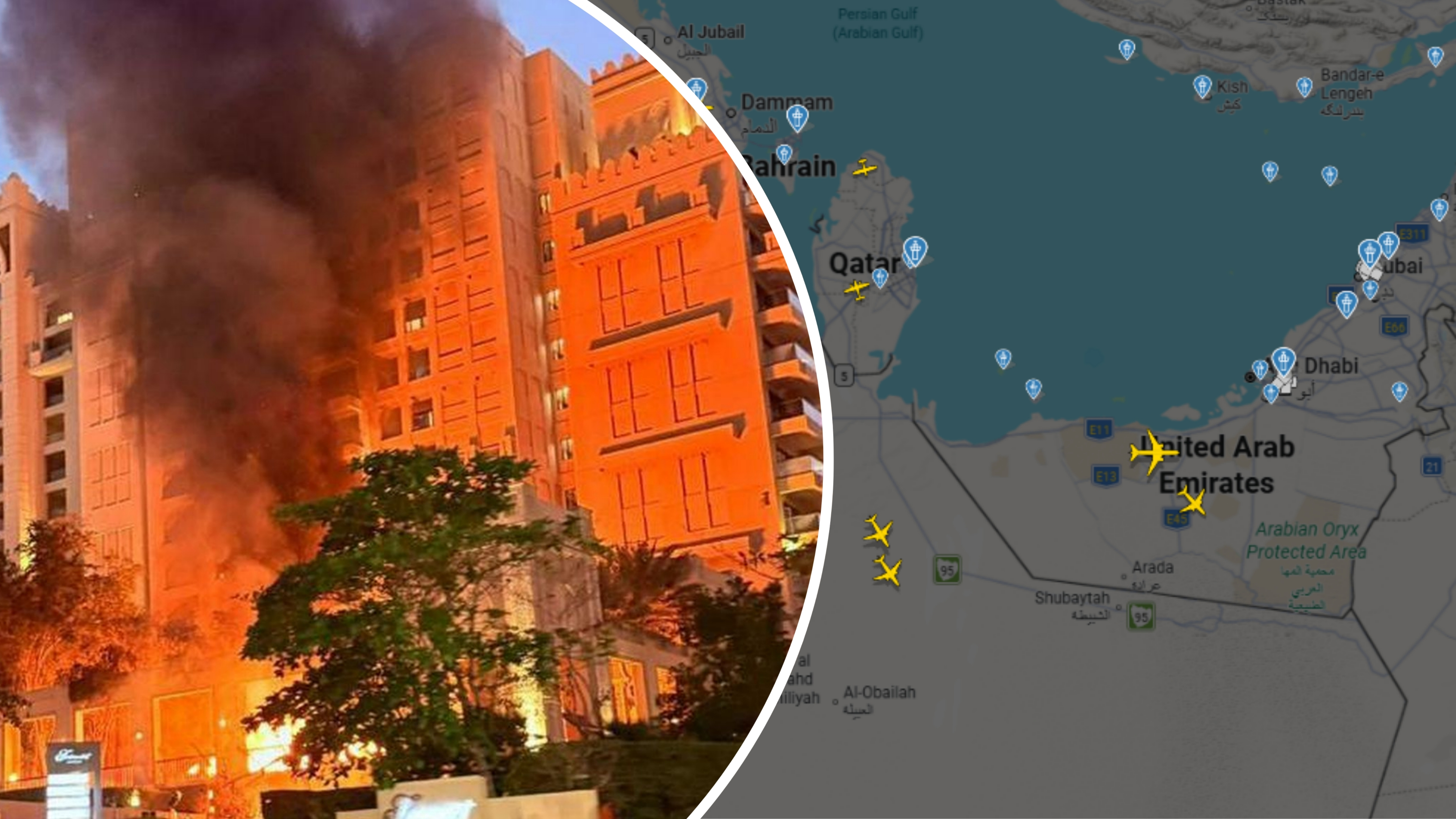 Aussies warned against travelling to much of the Middle East in wake of strikes on Iran
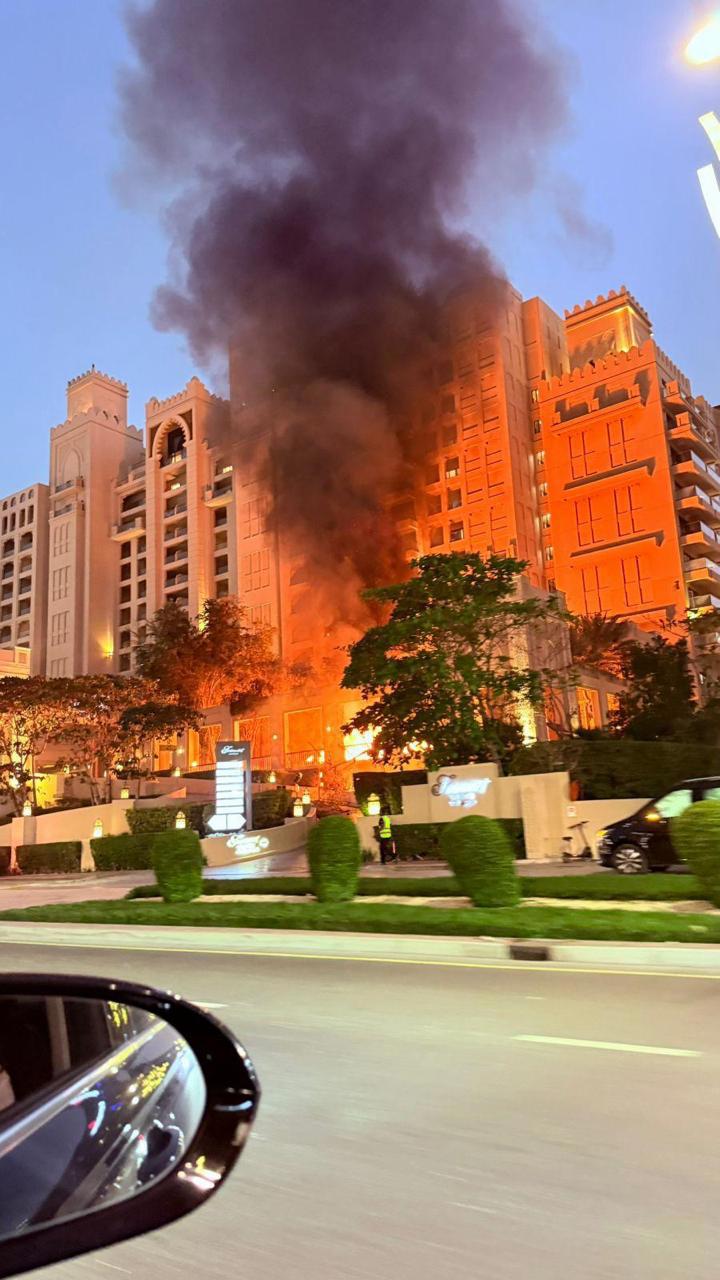 Luxury Dubai hotel damaged in explosion as debris rains down on city
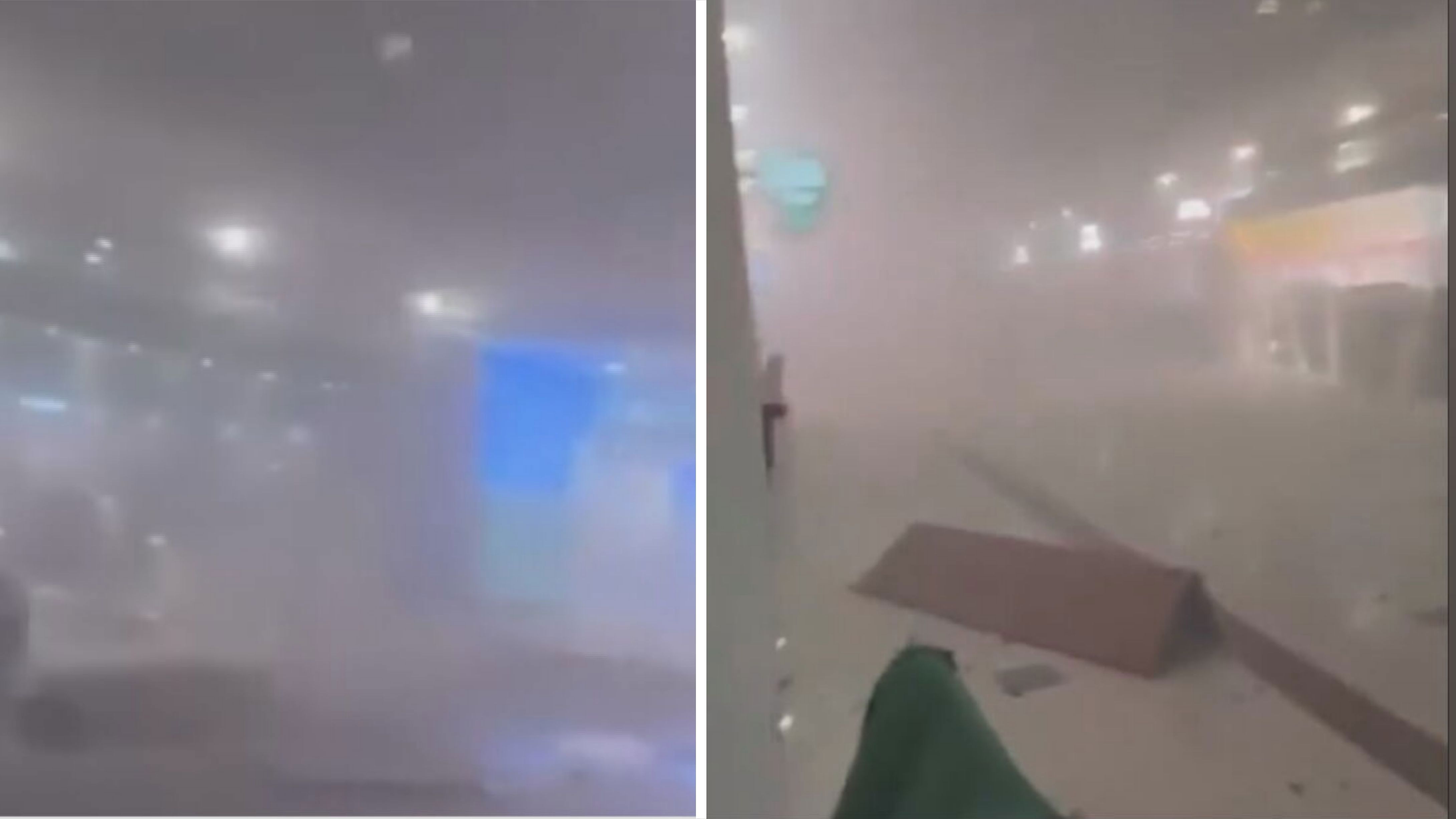 Dubai Airport damaged in reported strike, four hurt
 State TV presenter cries while announcing the death of Iran's supreme leader
 'Lay down your arms or face death': Watch Trump's warning to Iran in full
 Sydney celebrates Mardi Gras parade
 Melbourne woman's desperate plea to save disabled sister from deportation
 Teens charged after man allegedly stabbed with machete at Bondi Beach
 Ryan has spent thousands on Pokémon GO. He wouldn't change a thing
 Man allegedly planned terrorist attack on multiple locations in Perth