Think petrol prices are bad now? It's entirely possible you ain't seen nothing yet.
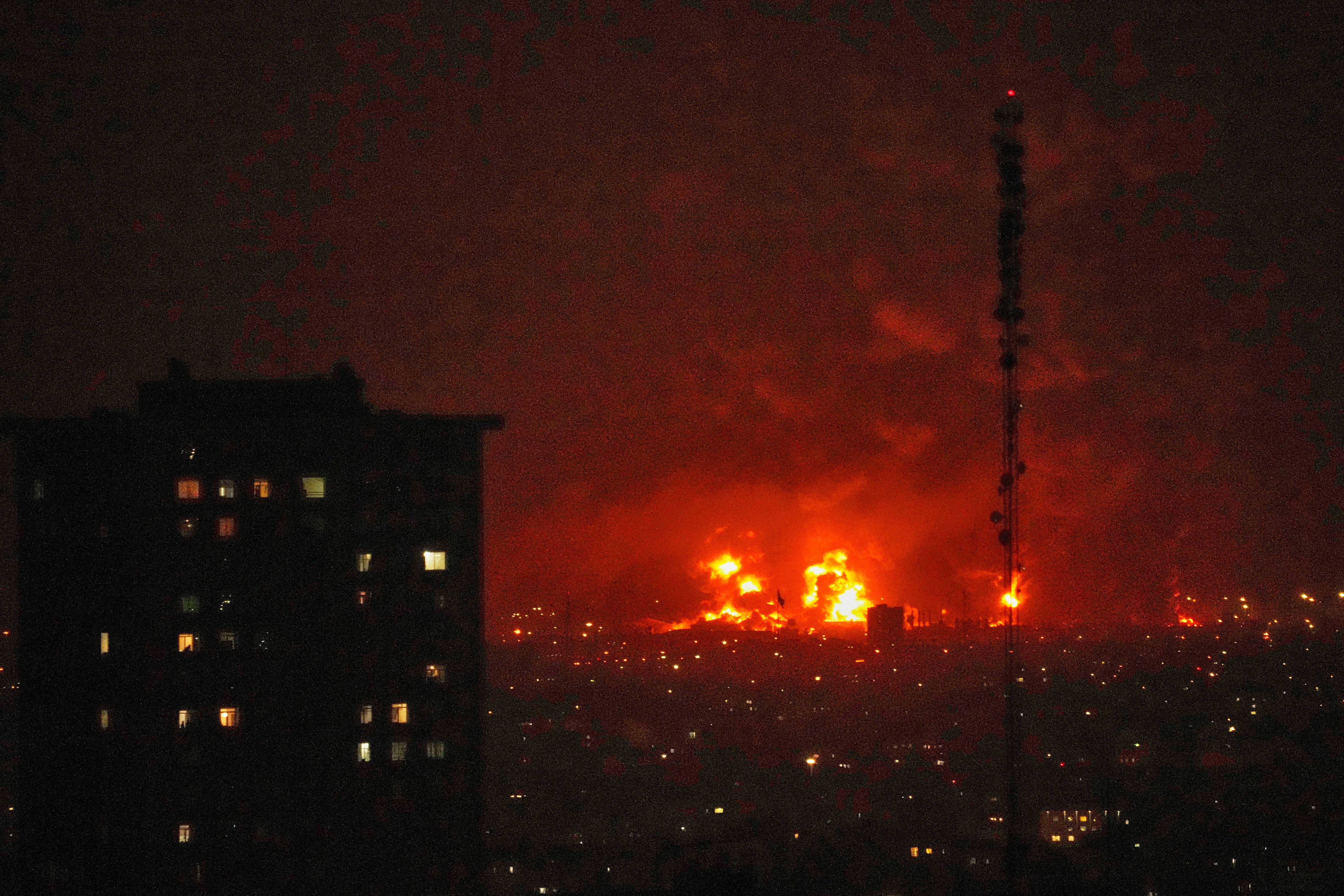
Think petrol prices are bad now? It's entirely possible you ain't seen nothing yet, if a worse-(but not worst)-case scenario plays out in the war in Iran.
Westpac has updated its modelling on the economic impacts brought about by the conflict, particularly on energy costs.
The big four bank's baseline – the scenario it thinks is most likely to play out – is the war lasts about a month, but that shipping through the Strait of Hormuz takes a further month to normalise.
PETROL PRICES: Rideshare giant increases fuel surcharge as petrol prices bite
If that does play out, the bank forecasts oil prices will hit $US110 a barrel but average out at $US90 between April and June, with flow-on effects to hit Australian motorists, and economic growth to take a 0.1 of a percentage point hit.
"Petrol and diesel prices are likely to rise by more than the direct pass-through from higher crude oil prices alone," said Sian Fenner, Westpac's head of business and industry economics.
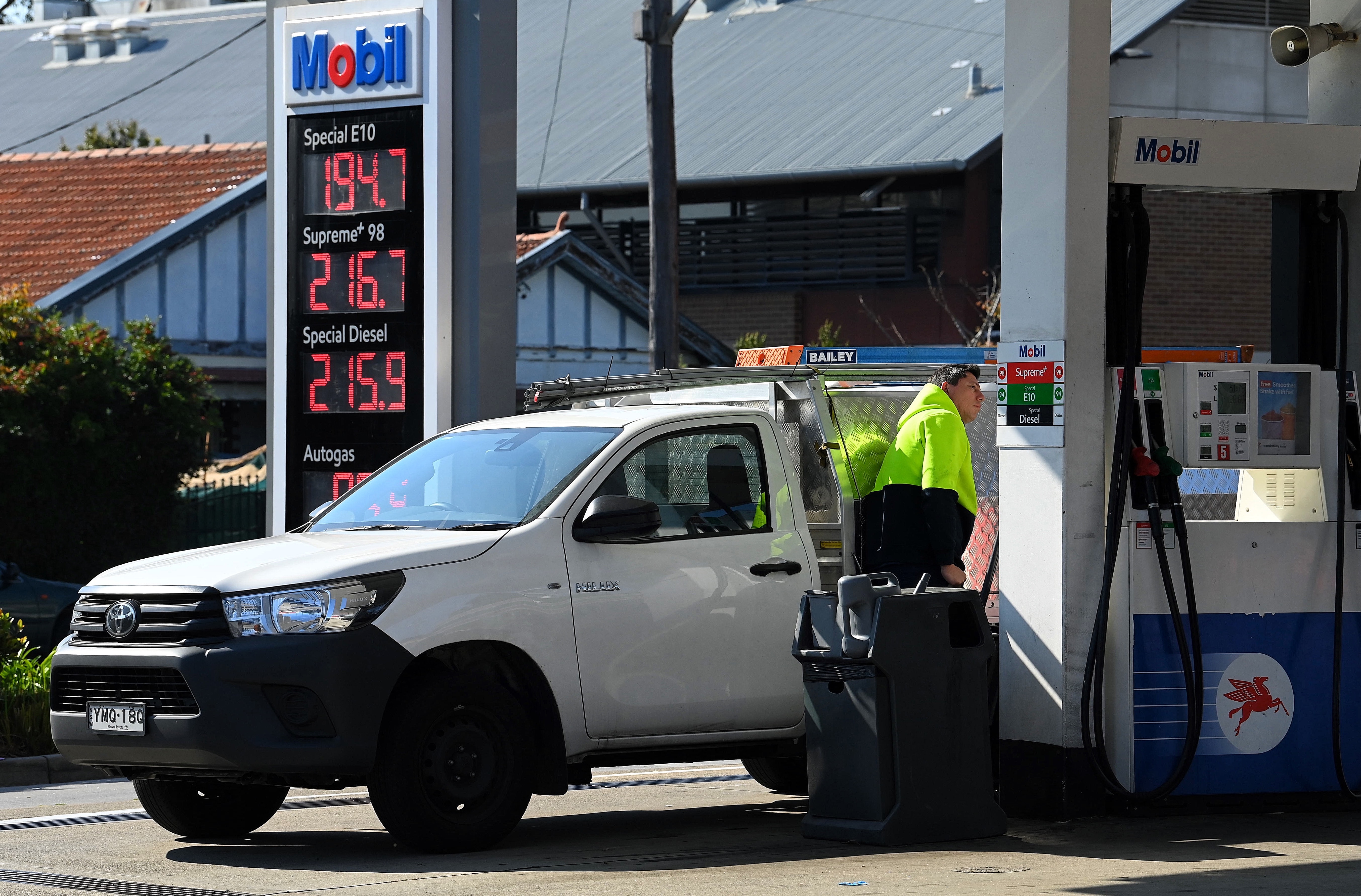
"As a result, we expect retail petrol and diesel prices to average around $2.02/litre and $2.50/litre respectively.
"Fertiliser prices such as urea are also up sharply and some airlines have already announced price increases due to the rise in jet fuel."
Considering Australian petrol and diesel prices already averaged 219.5 and 245.6 cents a litre last week, and Brent crude is currently sitting above $US100 a barrel, that appears to be a relatively sedate impact on the economy for what the International Energy Agency has labelled the worst oil supply shock in global history.
READ MORE: 'I don't accept it': Kyle reveals contract terminated by ARN
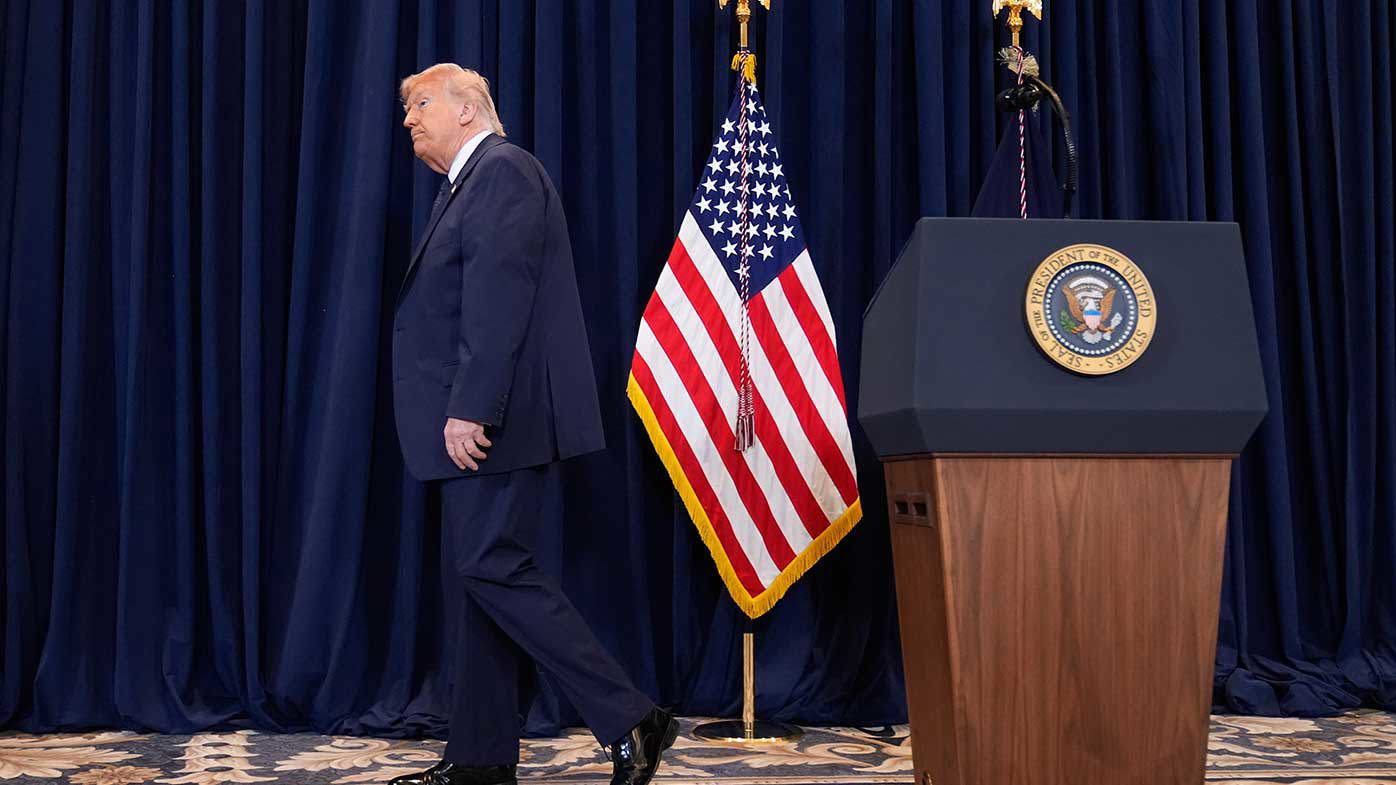
However, there is significant uncertainty about how long the war will last, with US President Donald Trump's erratic statements about a timeframe, and his boasting that the conflict is won while demanding help from allies to open the Strait of Hormuz, doing nothing to quell market volatility.
Fenner said there "remains a material risk of a more extensive and prolonged disruption", and Westpac's alternative scenario now has the conflict lasting three months.
In such a case, the economic impact would be far worse.
Oil prices would average $US130 a barrel in the second quarter of the year, and at their peak would hit $US200.
READ MORE: With one sentence, treasurer drops major hint on $22 billion tax overhaul
Given Australian petrol prices rise about 1 cent per litre for every dollar oil increases by, drivers could end up being slugged more than $3 a litre in the coming months.
Underlying inflation would also remain above the Reserve Bank's target until well into 2027, and half a percentage point would be lopped off Australia's overall economic growth.
In a sobering end to her research note, Fenner said the turmoil could be even worse if energy infrastructure suffers permanent damage.
"This (alternative) scenario assumes no significant damage to oil and LNG production and freight facilities," she wrote.
"A permanent loss of supply would prolong the cost to the real economy.
"It would also add to the risk of a sell-off in financial markets that would not only amplify the negative shock to the global economy but complicate the policy response."
NEVER MISS A STORY: Get your breaking news and exclusive stories first by following us across all platforms.
- Download the 9NEWS App here via Apple and Google Play
- Make 9News your preferred source on Google by ticking this box here
- Sign up to our breaking newsletter here
The information provided on this website is general in nature only and does not constitute personal financial advice. The information has been prepared without taking into account your personal objectives, financial situation or needs. Before acting on any information on this website you should consider the appropriateness of the information having regard to your objectives, financial situation and needs.
 Chilling prediction of 'slaughter' in diplomatic cables
 NSW government paid $700 to get serial killer out of home with foster children
 Ex-NRL star has 'come to Jesus' moment after alleged attacks on teen and cop
 Australian troops safe after Iranian missile strikes near UAE base
 With one sentence, treasurer drops major hint on $22 billion tax overhaul
 Premier says window to act is closing as Far North Queensland braces for wave of destruction
 Australia's most valuable company names new CEO
 CCTV captures the moment man shot outside Melbourne cafe
 Top tip to save on fuel in Australia's fuel crisis
 Trump berates allies as he finds himself alone on Iran war
 Couple's $800 headache at the bowser as price hikes hurt caravan owners
 'Global recession risk': The danger on the flipside of the RBA's rate hike
 Average Aussie household almost $75 a week worse off than six weeks ago
 Man charged after ute filmed screaming down Melbourne street on rims
 The Reserve Bank has hiked interest rates again. How much will this cost me?
 Alleged Bondi shooter's family 'fearful' and at risk of being killed, court told