
Alkira wants two or three kids but when she fell pregnant, she was forced to accept a hard truth.
Exclusive: The cost-of-living crisis is hitting Australians so hard many are having to delay their dreams of becoming a parent, and in some cases even having to make the heartbreaking decision to terminate a pregnancy.
The government says it is trying to make parenthood more affordable through childcare subsidies and better paid parental leave.
But for Australians such as Alkira Barber, 24, it's just not enough.
EXCLUSIVE: The extraordinary lengths young Aussies are going to after being forced out of home ownership
Barber fell pregnant unexpectedly in 2024.
She had a well-paid job but still couldn't afford to give a child the life she wanted for them.
"More than half my net pay goes to general living costs," she told nine.com.au.
"Australians aren't choosing careers over children, they're choosing financial survival."
Have you got a story? Contact reporter Maddison Leach at mleach@nine.com.au
At just 24, Barber already feels like she's falling behind.
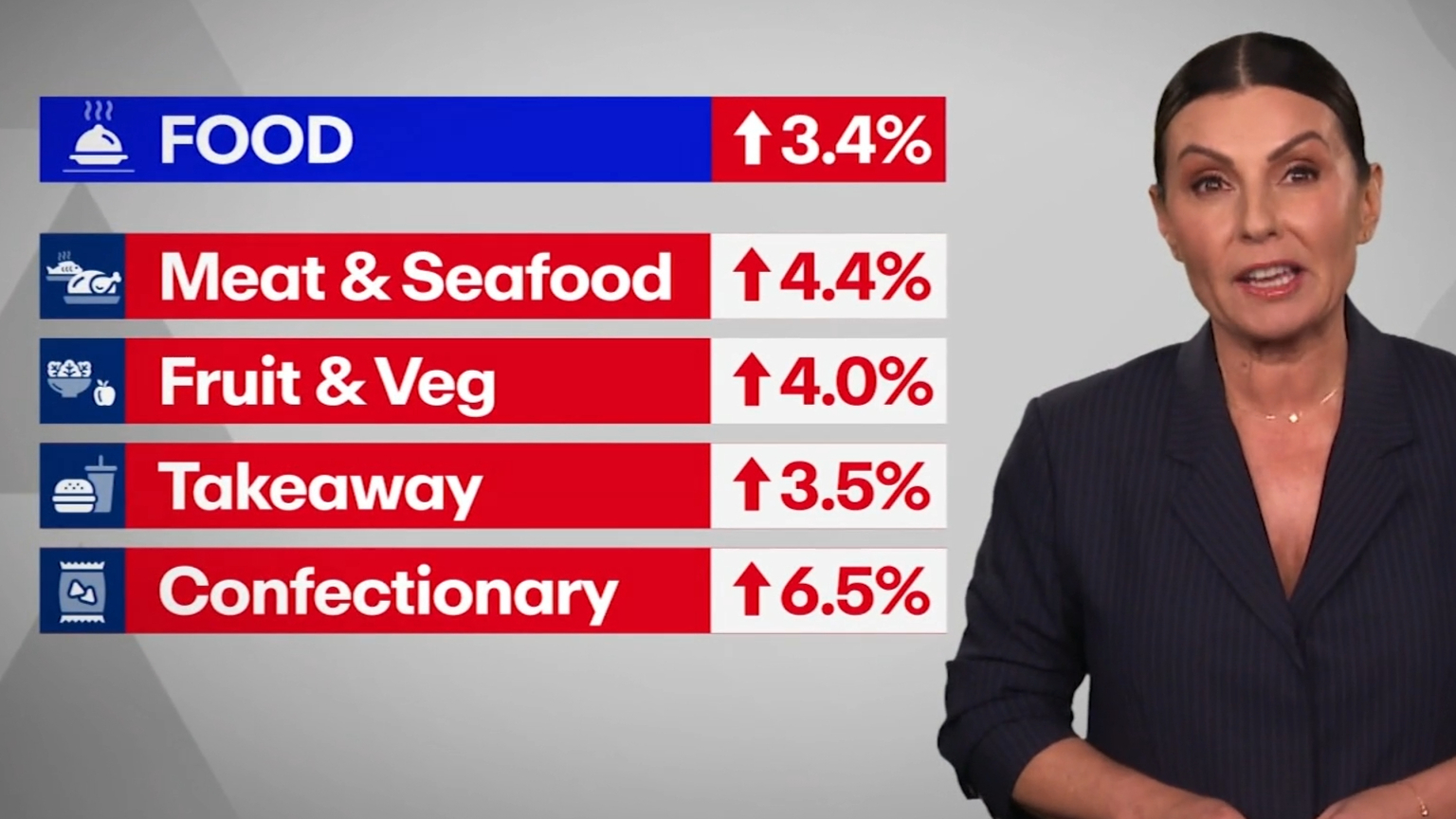
She's been priced out of home ownership, rent keeps increasing, wages are stagnant, income tax is high, and groceries have nearly doubled in cost in the past 25 years.
Energy, transport, and utilities are all rising and childcare can be unaffordable even with subsidies.
With all that in mind, Barber made the difficult decision to terminate the pregnancy.
She still wants to be a mum one day but feels like that dream is only drifting further out of reach.
"Until Australia addresses housing affordability, income stagnation, tax bracket creep, and genuine economic security, birth rates will continue to fall," Barber said.
"For many individuals and couples, bringing a child into this environment feels financially and ethically irresponsible."

Abortion is legal across Australia but abortion data is hard to track, as most states don't routinely report data and national data is rarely published.
It's even harder to access data on the reasons why Australians decide to undergo abortions.
And stories like Barber's may be more common than we realise.
Beatrice* and her partner want a baby but had to terminate a pregnancy recently because they just couldn't afford a child.
"Even though we are relatively comfortable with our incomes, we realised that having a baby and subsequently raising a child would have forced us back into poverty on an extreme scale," Beatrice told nine.com.au.
They had to pay $650 to terminate the pregnancy, but some women can't even afford that.
Beatrice and her partner still want to be parents, but won't be able to afford a child unless they both get substantial pay rises.
Even then, there's no guarantee their wages will keep up with inflation.
READ MORE: Man sought as police investigate fire in Perth bushland
Christine*, 32, and her partner say they seem to fall backwards financially every year despite his high income.
They had their first child in 2020 and want a second but already struggle to cover the rent on a three bedroom unit in Sydney.
Buying a home is out of the question with the national median house now sitting at $1.28 million, especially while Christine is at home with their youngest.
And when she returns to work, day care costs will eat up any extra earnings that could have gone towards a house deposit.
On top of it all, groceries that used to cost the family $250 a week now set them back $600 per week.
"No matter how much we do, how much we sacrifice, the groceries keep getting more expensive," Christine told nine.com.au.
So when she fell pregnant unexpectedly two years ago, they had to terminate.
Christine was devastated.
She lost 15kg and was bedridden for months but could not afford extra appointments with her regular therapist, who charges $500 a visit.
A mental health plan gave her access to subsidised support but waitlists were up to six months long.
And even now, Christine and her partner are no closer to being able to afford the second child they desperately want.
"We work adults to the bone, tax them at the highest rates, make them pay the most for food, education and electricity, take away their ability to own a home and invest in their own futures, and then wonder why they can't or won't have children."
READ MORE: More than a million homeowners struggle with mortgage repayments
Australia's birth rate is plummeting and is unlikely to recover while the cost of living is holding Aussies back from having kids.
That's dire news when the nation's total fertility rate (TFR) is set to hit an all-time low of 1.42 births per adult woman this year.
Australia's birth rate has also been below the replacement level (the rate needed to keep the population size stable) of 2.1 children per adult woman for almost 50 years now.
*Names changed.
NEVER MISS A STORY: Get your breaking news and exclusive stories first by following us across all platforms.
- Download the 9NEWS App here via Apple and Google Play
- Make 9News your preferred source on Google by ticking this box here
- Sign up to our breaking newsletter here
 Person with close ties to household of Gus Lamont identified as suspect in his disappearance
 Government hails Aussie's 'resilience' in Chinese jail on dark anniversary
 Medical workers 'robbed' child of chance at survival, grieving parents say
 Flags fly at half-mast for Australian man who died on Japanese ski mountain
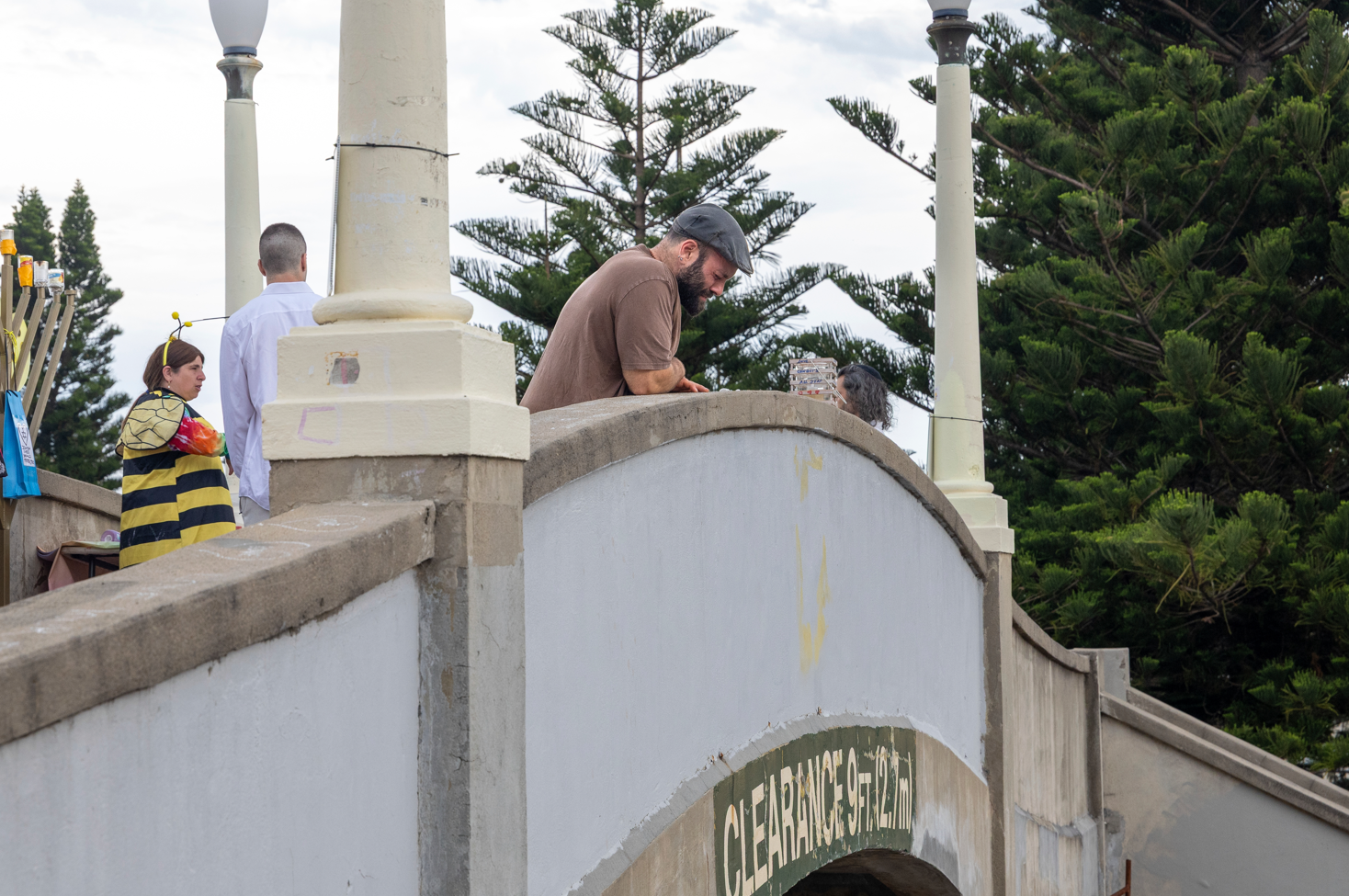 Man accused of mimicking Bondi attack to remain behind bars
 Man who killed his dog and then lied to the media dodges jail time
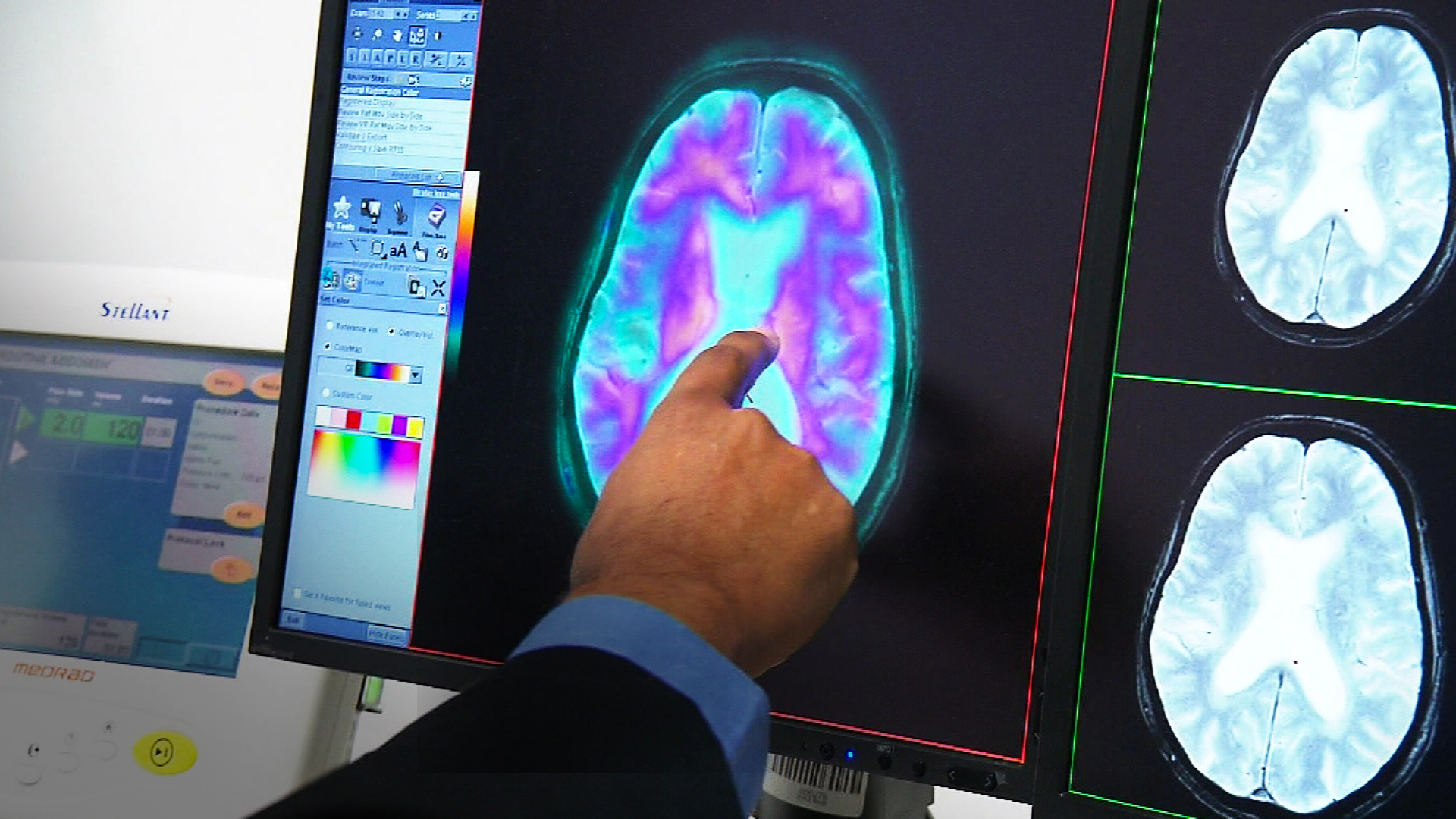 Almost half a million Aussies are living with the nation's biggest killer
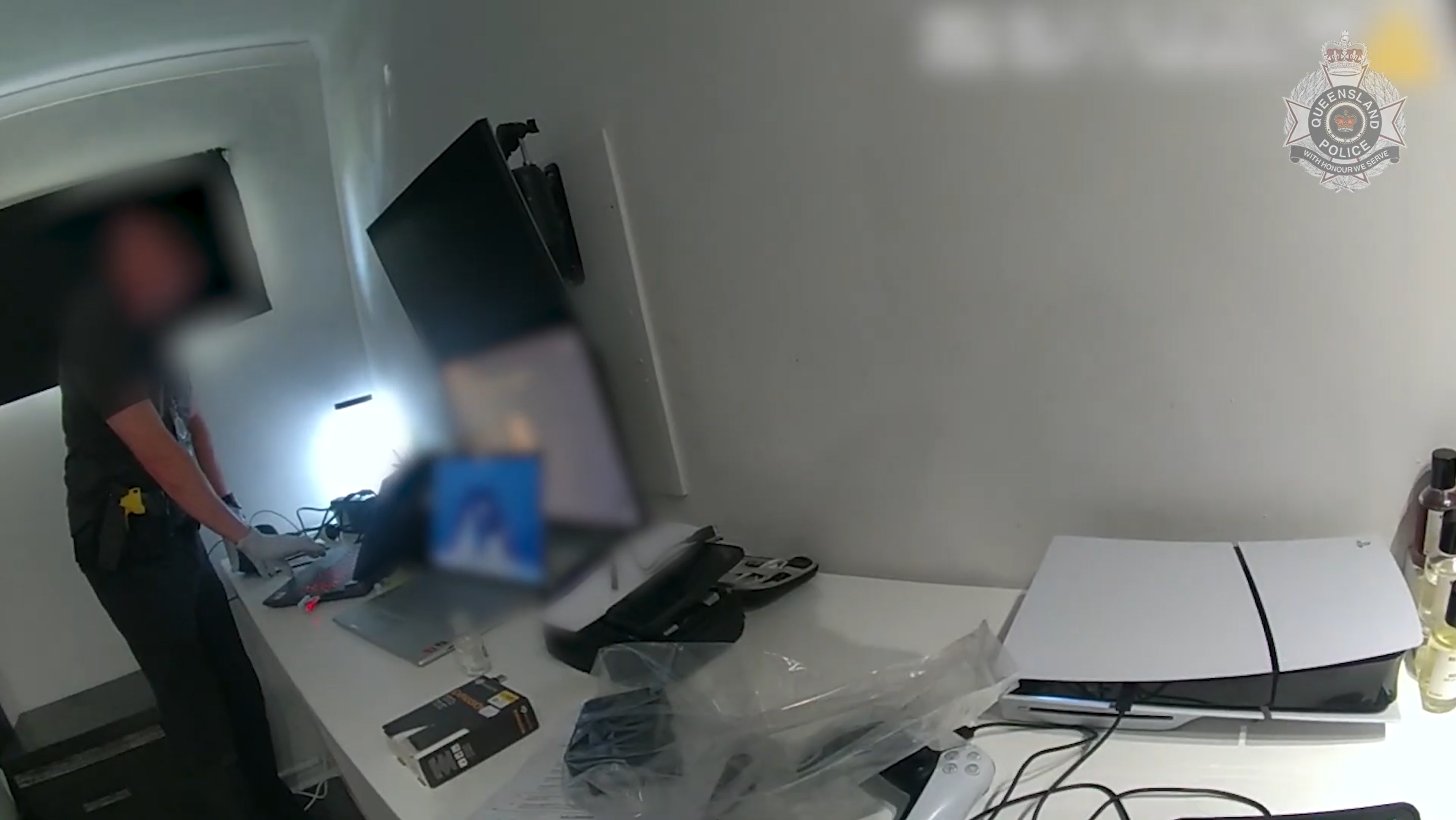 Queensland man charged with 596 child abuse related offences
 TV host's desperate plea to mother's kidnappers
 Nuclear 'arms race' feared as final US-Russia treaty expires in hours
 Vasectomies in Australia spike by more than 60 per cent as cost of living bites
 Truth finally revealed about image that will forever haunt Andrew
 Melania pulled from cinema over joke made on marquee
 'This job sucks': Trump administration lawyer's honesty in court gets her fired
 The lone Aussie state that puts age limits on e-bike riders
 The phone call that will have the world on notice
 Why a beer tax break has some claiming the 'system is broken'
 Bill Gates addresses 'regret' after presence in Jeffrey Epstein files