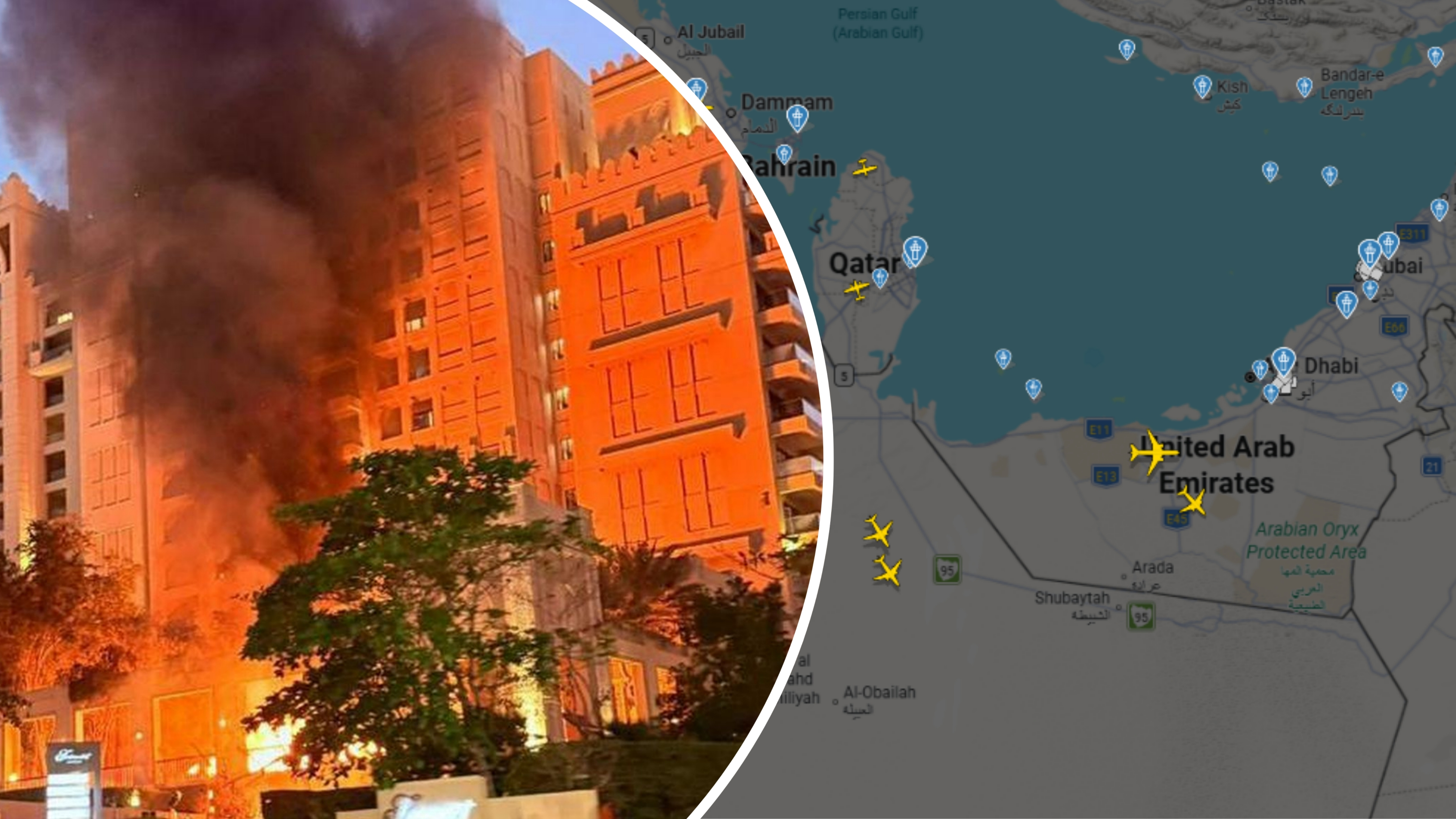
The ongoing risk of further reprisal attacks prompted a flood of warnings from the government's Smarttraveller platform, which warned against travel to key regions in the Middle East.
The Australian government has warned against travelling to most of the Middle East in the wake of the US-Israel operation in Iran and retaliatory strikes on US military bases.
The ongoing risk of further reprisal attacks prompted a flood of warnings from the government's Smartraveller platform, which warned against travel to key regions in the Middle East.
The Department of Foreign Affairs and Trade (DFAT) advises Australians not to travel to: Qatar, Iraq, Yemen, Syria, the United Arab Emirates, Bahrain, Kuwait, Israel and Lebanon.
LIVE UPDATES: Iran launches retaliatory attacks on US bases, Israel
READ MORE: 'This is not your war': World leaders react
Australians have also been warned to not travel to Iran and to leave as soon as possible, consistent with advice given recently after unrest and previous strikes in the country.
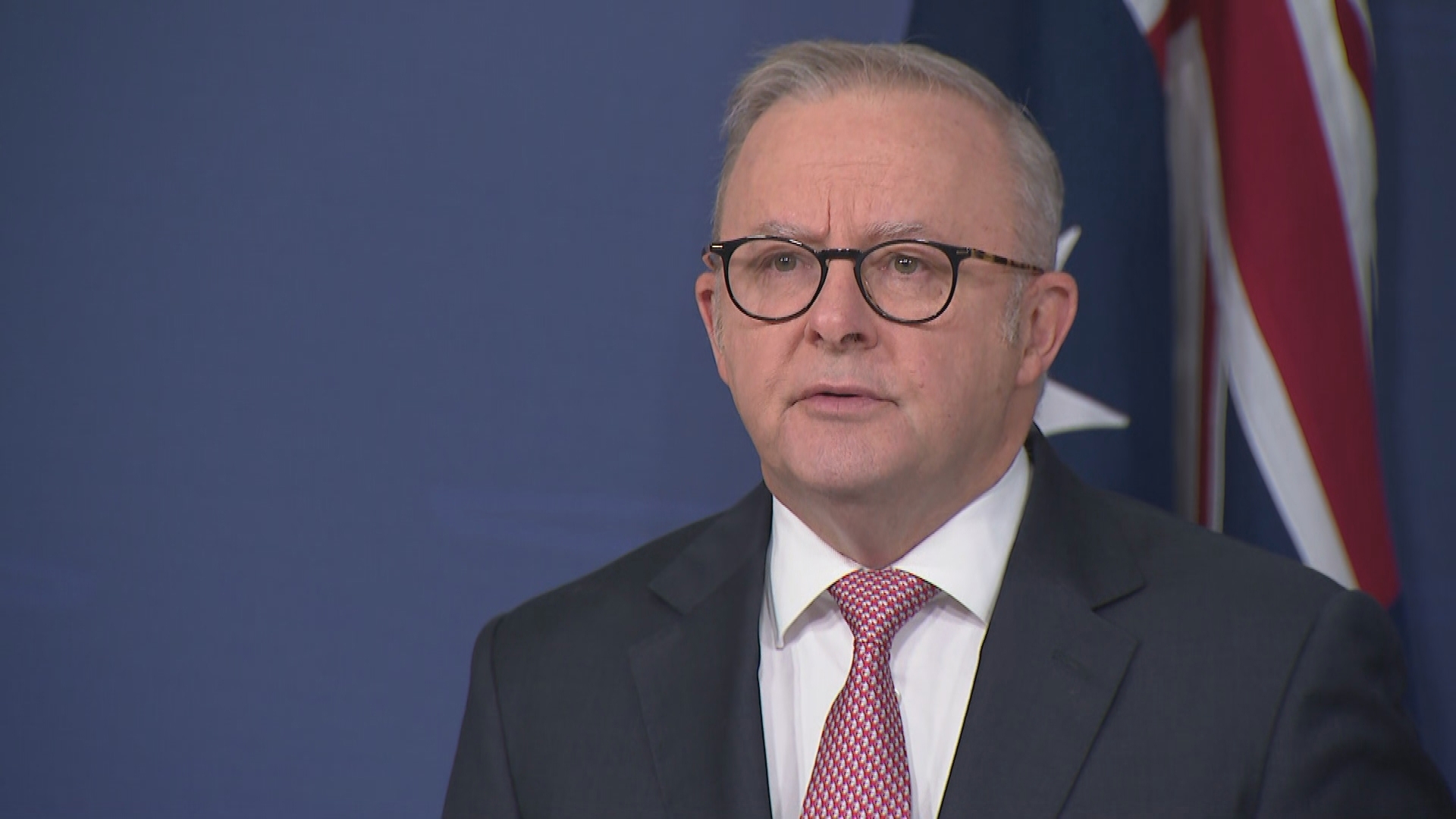
"We continue to advise Australians to not travel to Iran - this has been in place since 2020 - and to leave Iran as soon as possible," Prime Minister Anthony Albanese said this morning.
"Australian officials are closely monitoring what is an evolving situation, unfolding rapidly.
"It is critical that anyone in the region takes note of the Smartraveller website for the most up to date information that we can provide.
He said the Department of Foreign Affairs and Trade is opening a registration portal for Australians seeking to leave Iran and will be directly in touch with registered Australians.
Flights to and from the UAE, Qatar, Israel and Bahrain have been cancelled as the strikes spark fears for tourist safety.
While in Turkey, Saudi Arabia, Oman, Egypt and Armenia, Australians are told to "exercise a high degree of caution".
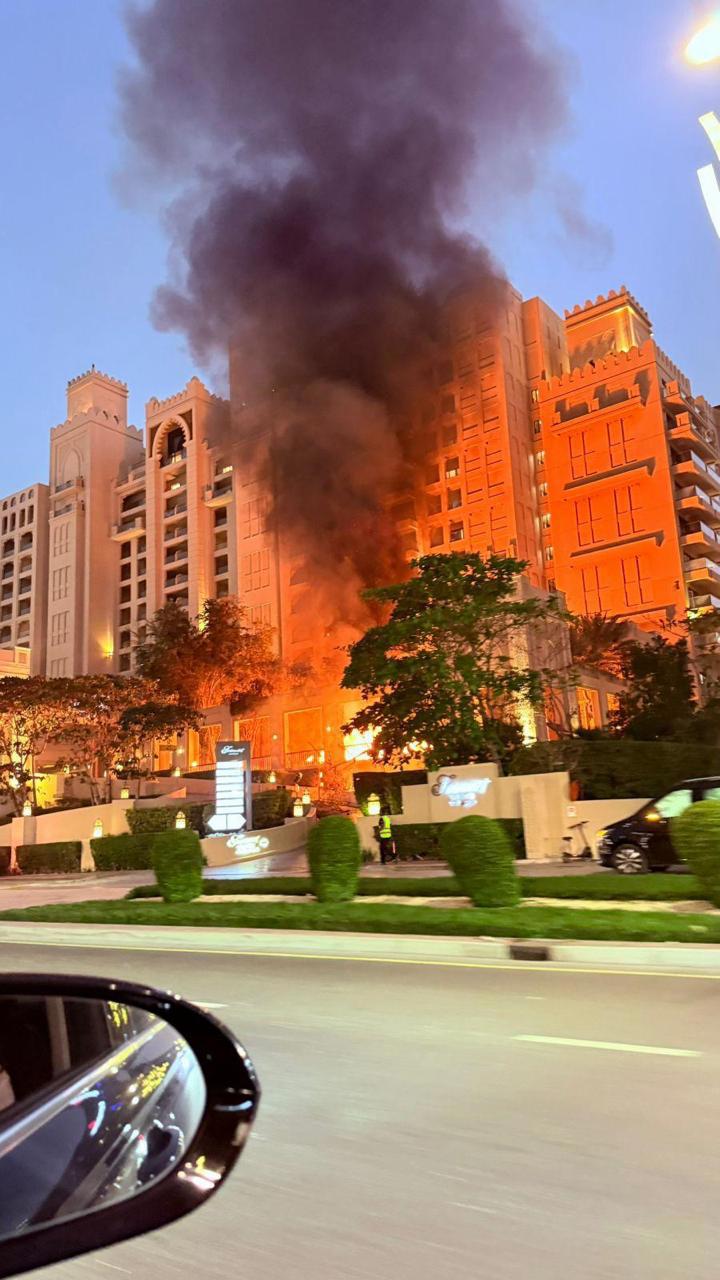
READ MORE: Luxury Dubai hotel damaged as Iran retaliates to attack
EXPLAINER: Why is Trump bombing Iran? Full military strike comes days after talks stall
Travellers planning to head to Jordan have been told to "reconsider your need to travel".
The Smartraveller notices advised "there is a risk of further reprisal attacks and escalation across the region".
"Demonstrations and protest activity may also occur, and local security situations could deteriorate with little notice," they added.
"Airspace closures and flight disruptions are already occurring across the region and may impact flights globally, causing delays and cancellations."
Albanese, Deputy Prime Minister Richard Marles and Foreign Minister Penny Wong reiterated the latest travel advice earlier today in a joint statement shared following the US strike.
"Australian officials are closely monitoring this evolving situation. We continue to advise Australians do not travel to Iran and leave Iran as soon as possible, if it is safe to do so," the statement read.
"Given our concerns around security in the region, we have also upgraded Australia's travel advice for Israel and Lebanon to Do Not Travel.
"Australians should leave now if it is safe to do so.
"The Department of Foreign Affairs and Trade has activated its Crisis Centre to provide consular support to Australians in the region," the statement continued.
"Australians requiring urgent consular assistance can contact the Consular Emergency Centre 24/7 on 1300 555 135 in Australia or +61 2 6261 3305 from outside Australia."
The Insurance Council of Australia has urged Australians to prioritise their safety as the situation remains unpredictable and could deteriorate with little warning.
"Smartraveller has issued 'Do Not Travel' advisories for several countries across the Middle East, and we strongly encourage all Australians in or planning travel to the region to follow the latest advisories," a spokesperson said.
"Travellers should be aware that most policies do not cover losses arising from acts of war or armed conflict.
"Follow consular advice via Smartraveller and register your travel plans with DFAT
"Contact your airline or travel provider directly for the latest flight information, as airspace closures may cause delays, cancellations, and rerouting, including for travellers not destined for the Middle East.
"If you hold travel insurance, contact your insurer if you require any further assistance."
- NEVER MISS A STORY: Get your breaking news and exclusive stories first by following us across all platforms.
- Download the 9NEWS App here via Apple and Google Play
- Make 9News your preferred source on Google by ticking this box here
- Sign up to our breaking newsletter here
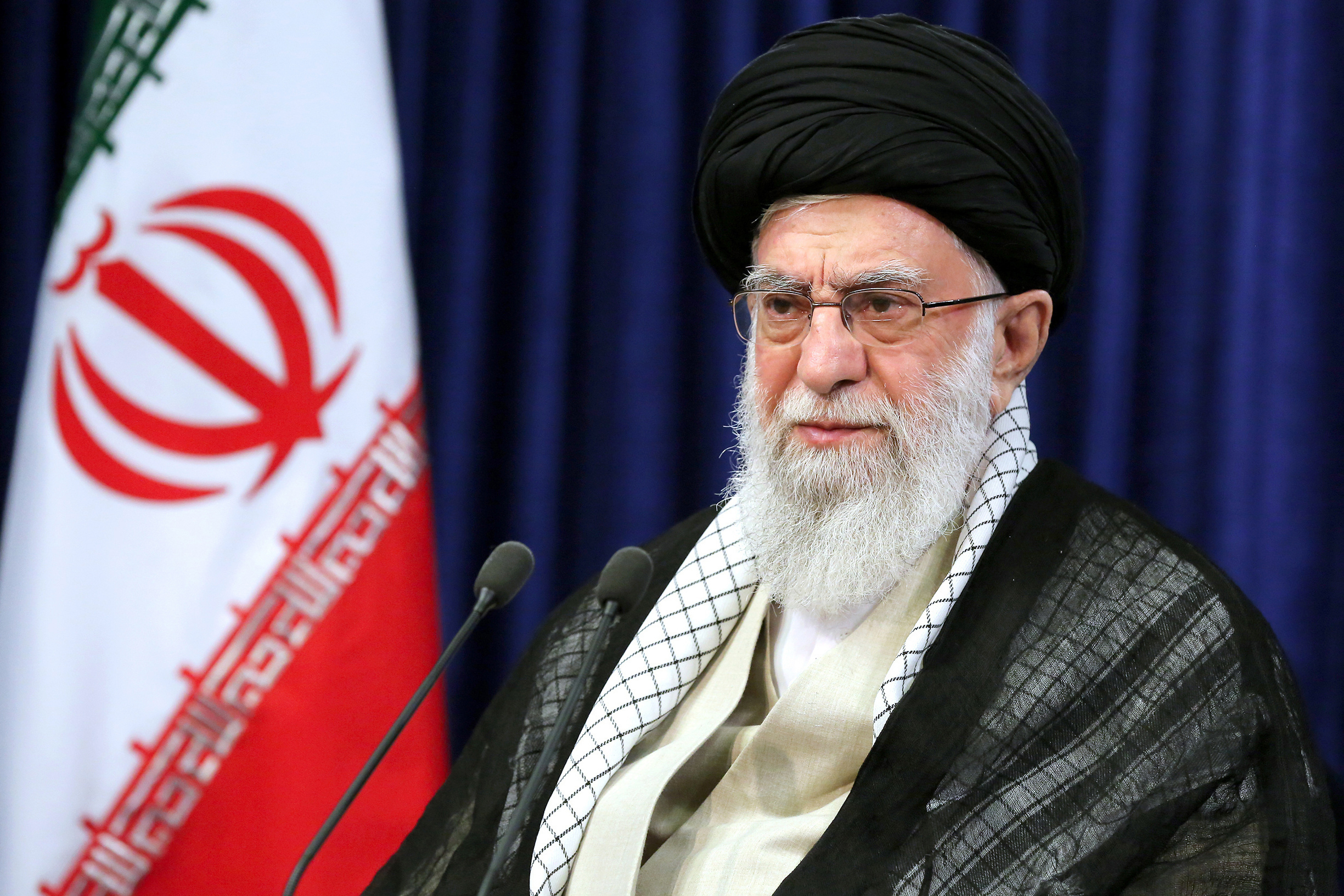 'Heaviest offensive operations in history': Iran's chilling vow of revenge
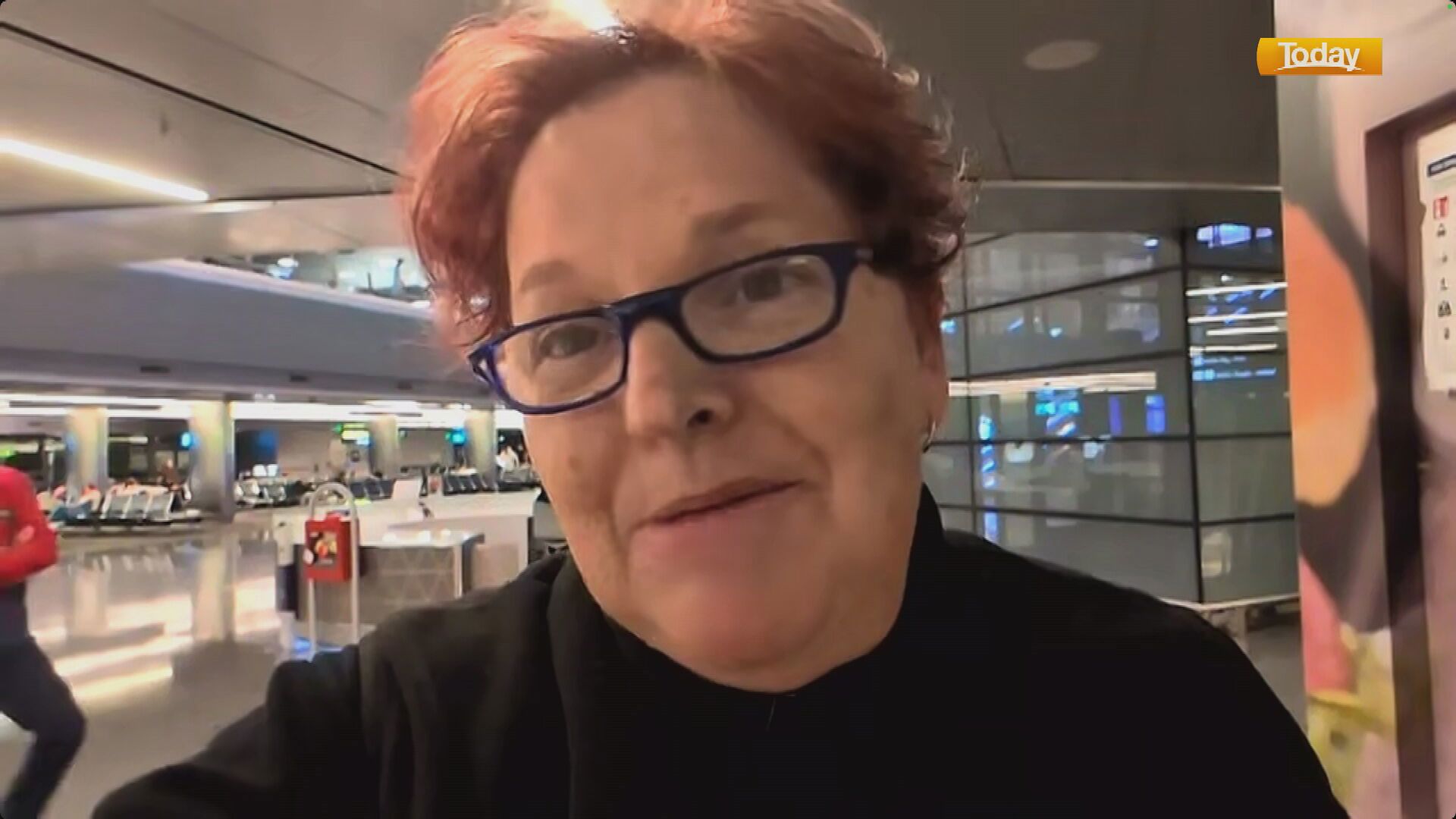 Australian travellers stranded as closed airspace causes flight cancellations
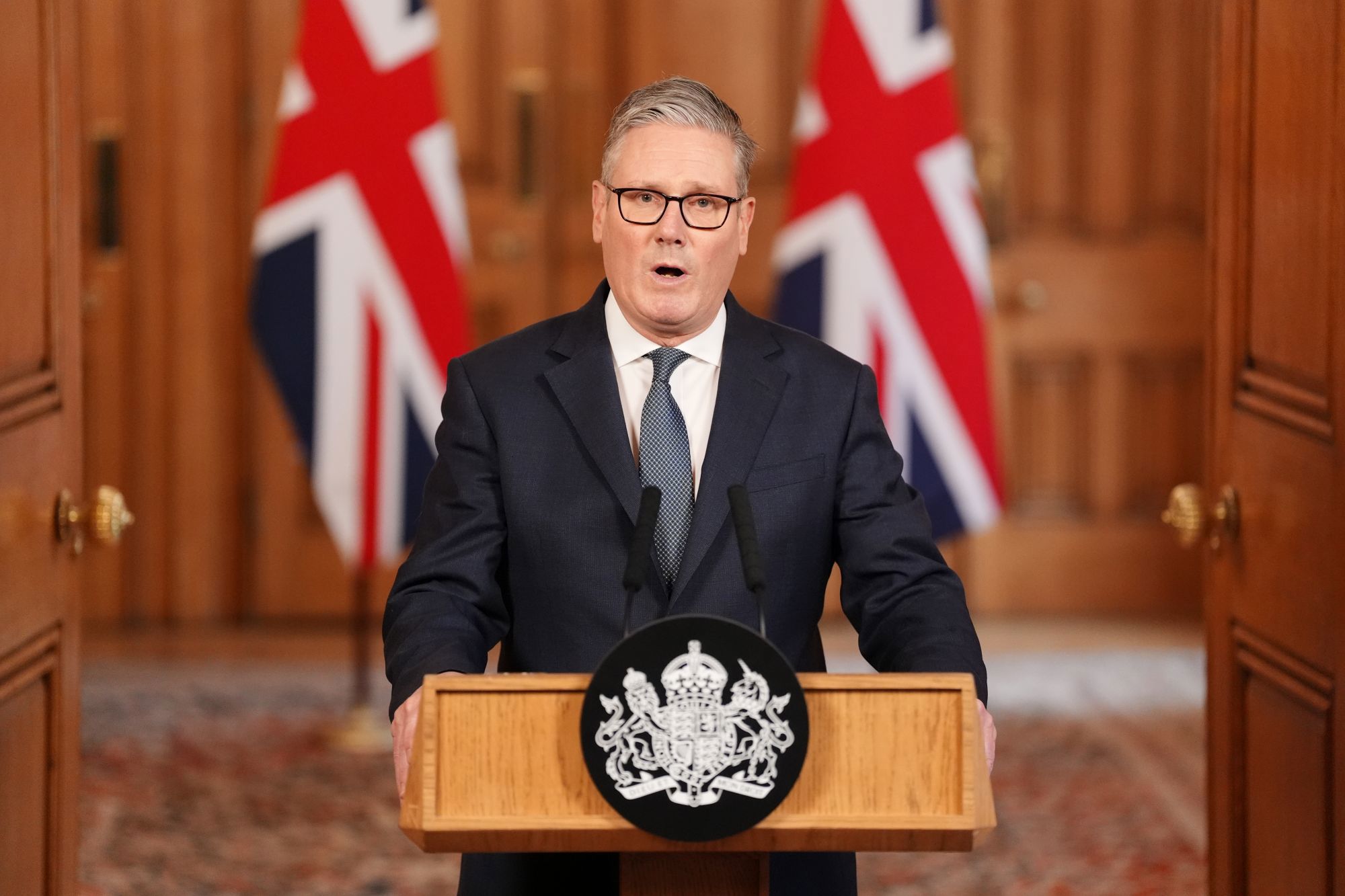 'Iran can end this now': World leaders react to US-Israel strikes
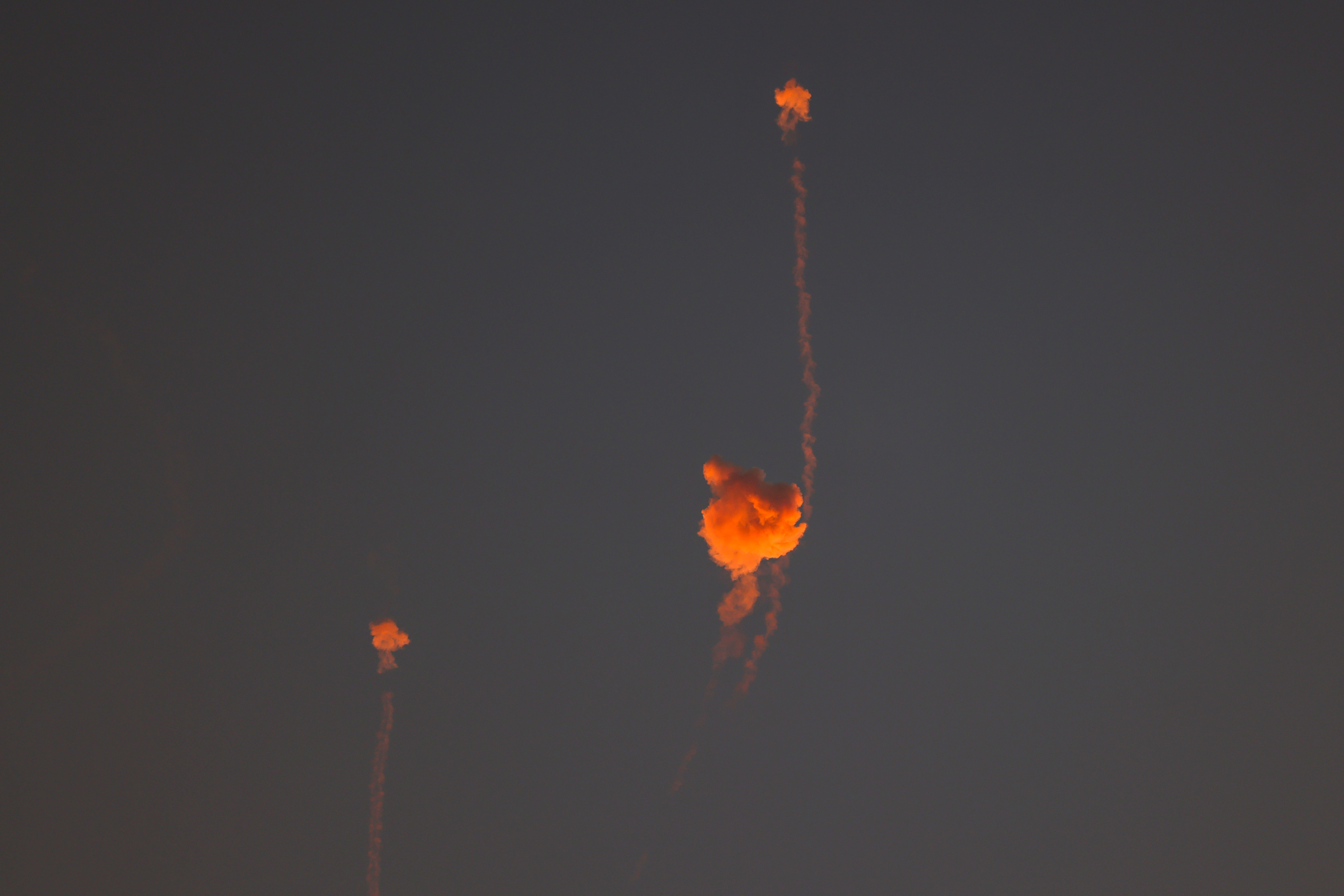 US and Israel launch attack on Iran: What we know
 Iranian regime is 'without legitimacy', says Albanese after US strikes
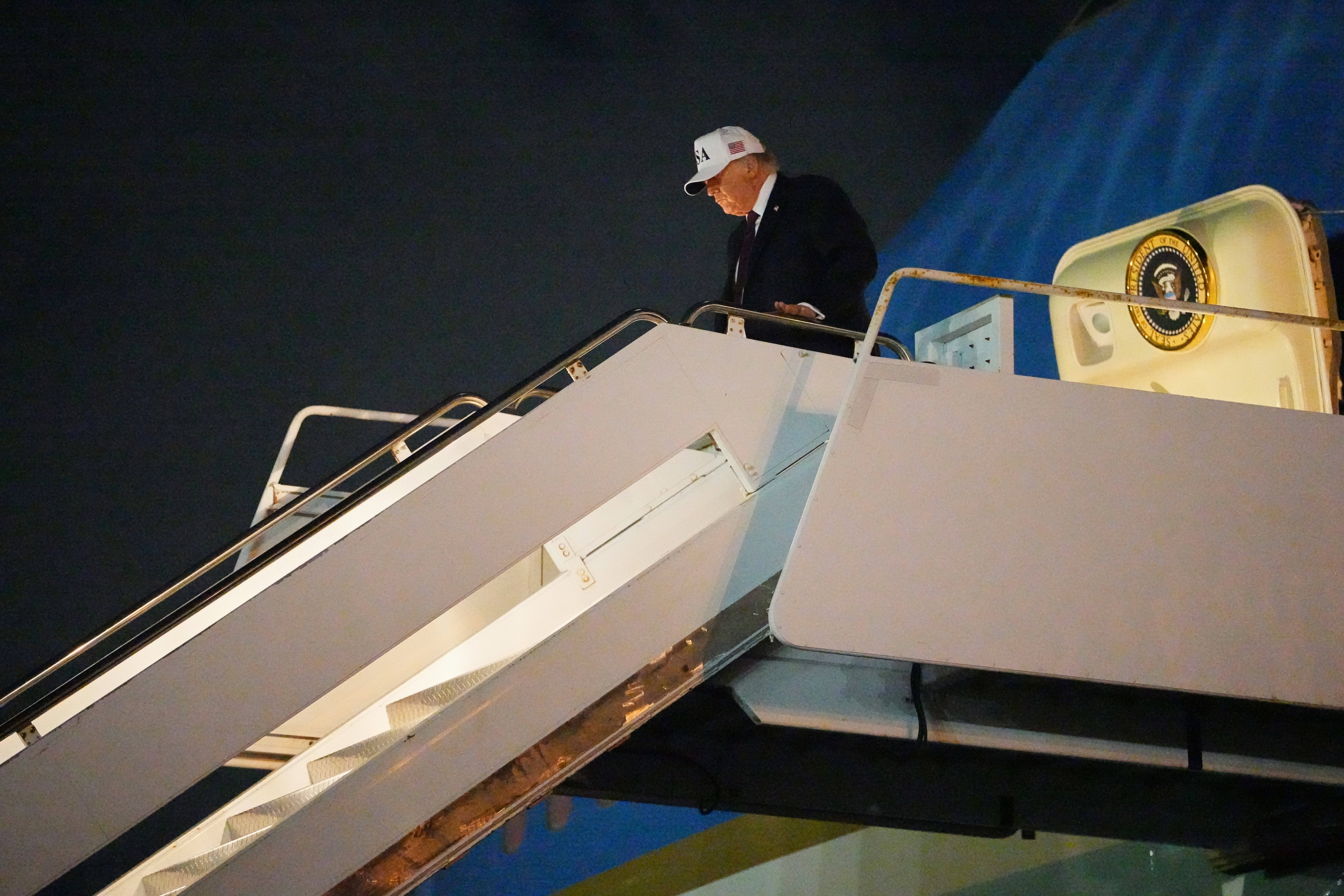 Trump went from 'not happy' to bombing Iran in hours - here's why
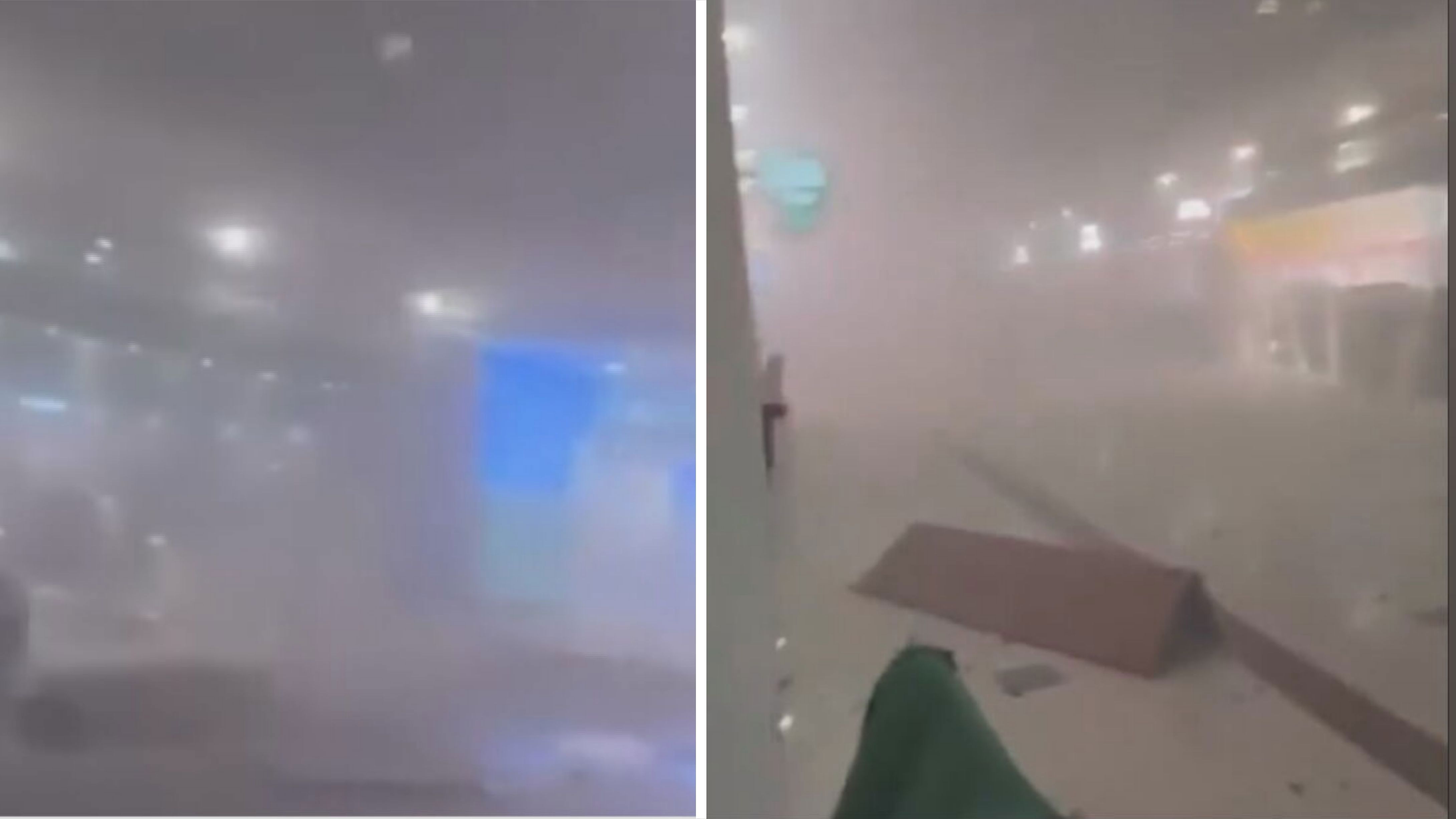 Dubai Airport damaged in reported strike, four hurt
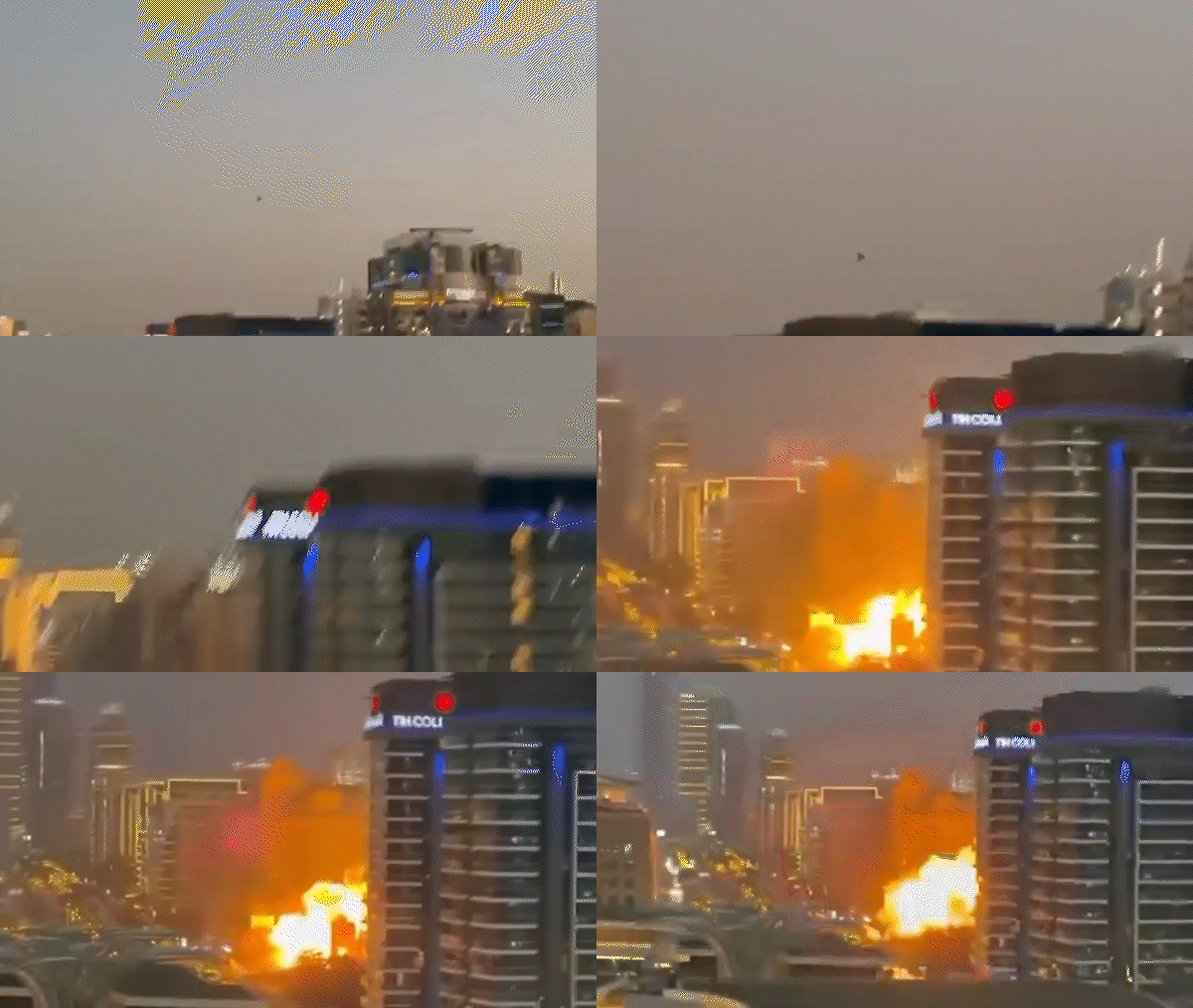 'Never heard before': Dubai hotel damaged in explosion as debris rains down on city
 'Lay down your arms or face death': Watch Trump's warning to Iran in full
 Sydney celebrates Mardi Gras parade
 Melbourne woman's desperate plea to save disabled sister from deportation
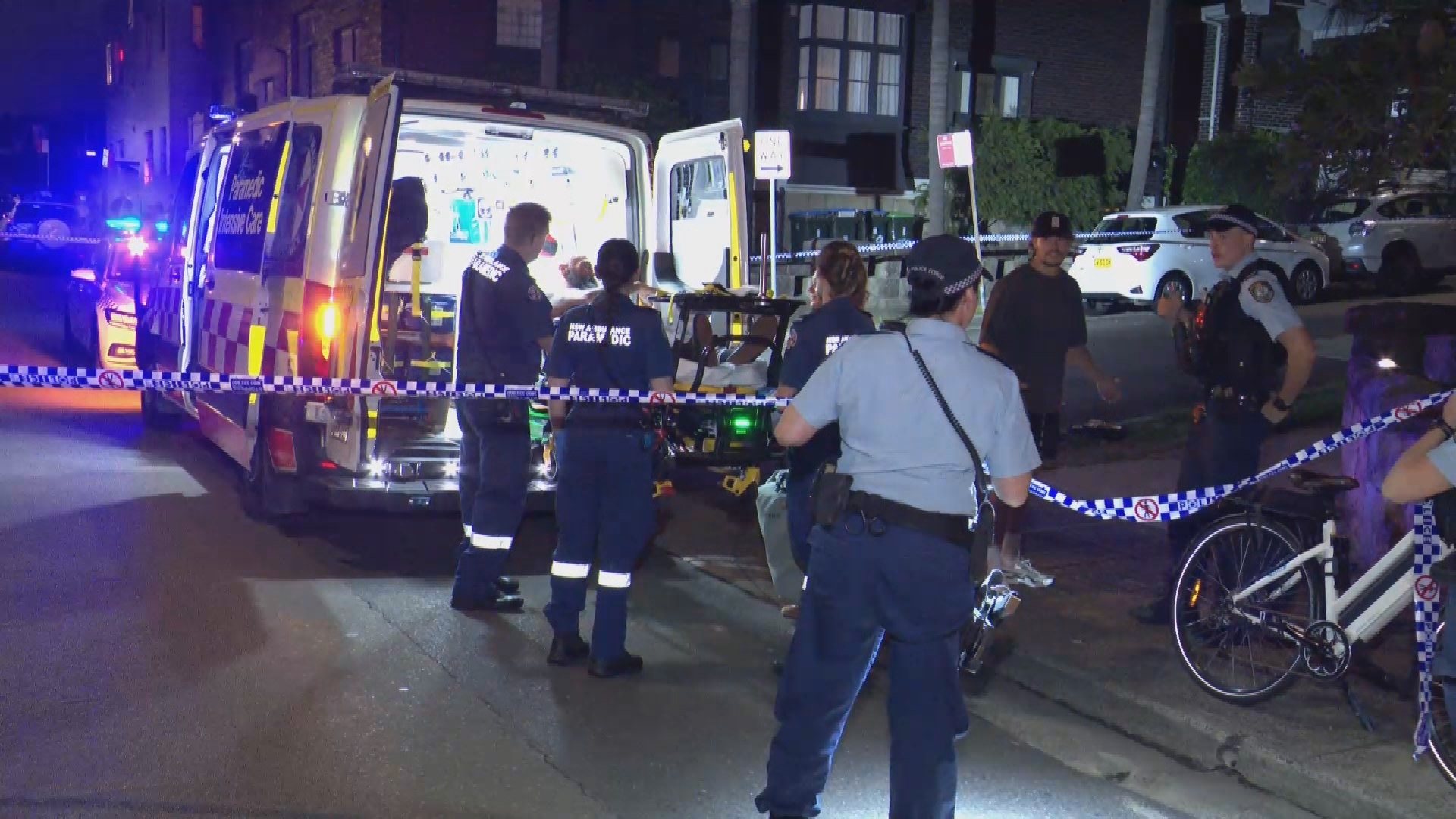 Teens charged after man allegedly stabbed with machete at Bondi Beach
 Ryan has spent thousands on Pokémon GO. He wouldn't change a thing
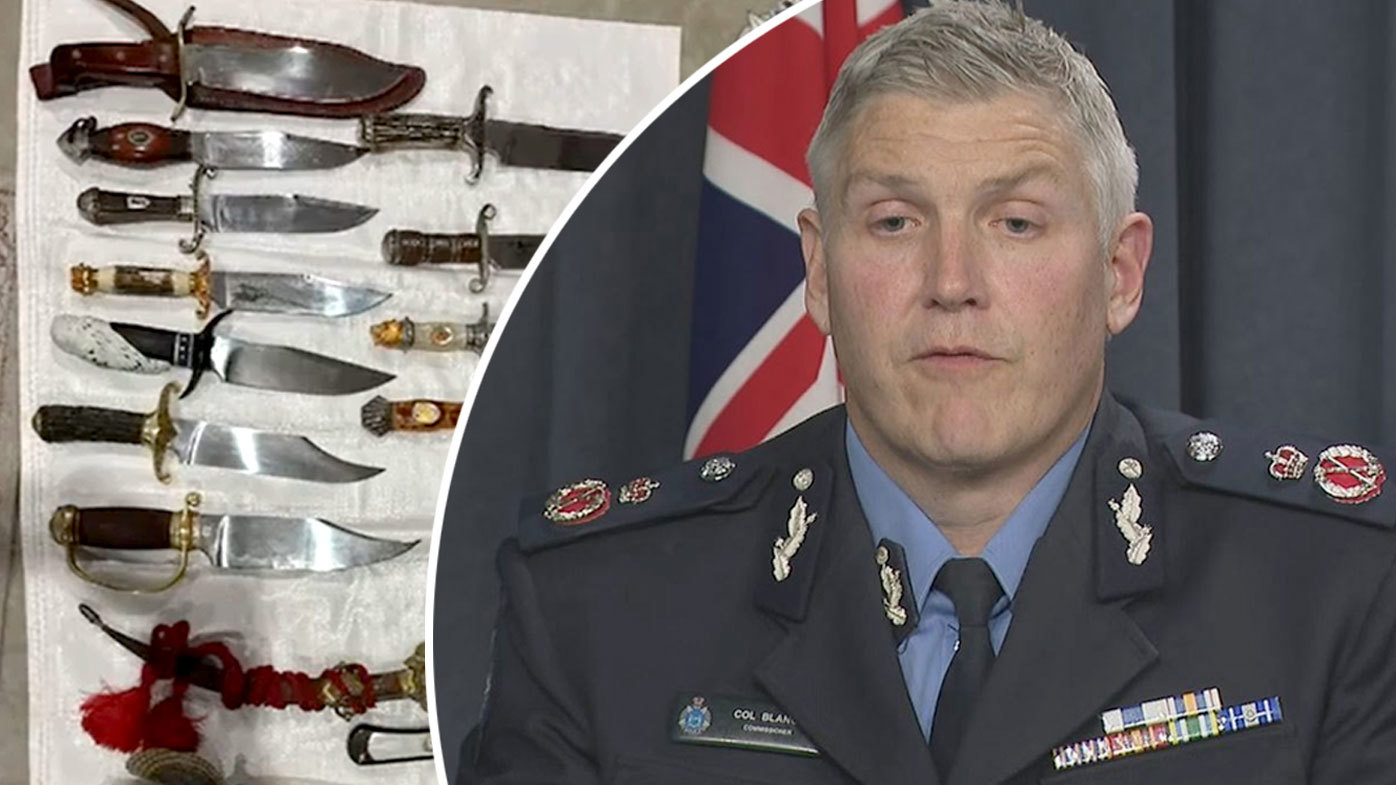 Man allegedly planned terrorist attack on multiple locations in Perth
 'Hard to write': Missing backpacker's family confirm DNA test results
 Teen dies after being hit by two cars in Perth after getting off bus to go to school