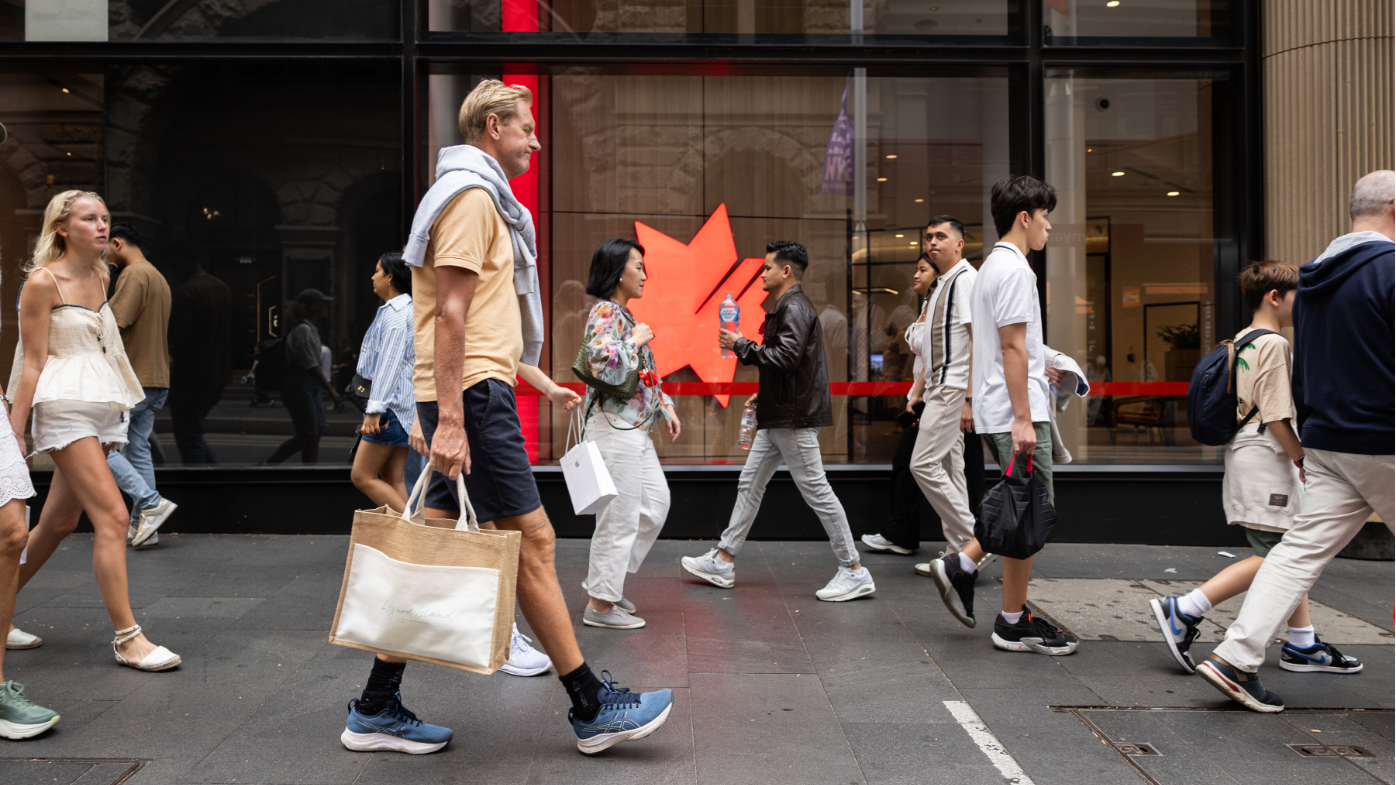
After generations of improvement, our living standards will be stuck in the present – or go backwards – without major economic reform.
The living standards of Australians in 2026 are "as good as it gets" unless the country can improve productivity, the boss of one of the nation's biggest banks has warned.
Speaking to the Australian Financial Review's Chanticleer column, NAB chief executive Andrew Irvine said the Reserve Bank had no choice but to raise interest rates earlier this month, because a lack of productivity growth has put the handbrake on the national economy.
"The fact is, without productivity, Australia simply can't grow any faster than it is today," he told the publication.
EXPLAINED: What is productivity and how does it affect you?
"So how we're living now in 2026 is, frankly, as good as it gets, unless we lift productivity.
"This is peak Australia."
The nation's lagging productivity growth – an issue faced by most developed economies with the exception of the United States – has been highlighted as a key concern by scores of economists.
Last year, federal Treasurer Jim Chalmers held a three-day roundtable to canvas ideas to address the issue, and came out of the summit highlighting eight priority areas, including a widely supported road-user tax, where action would be taken quickly.
READ MORE: Man charged over alleged death threats to Treasurer Jim Chalmers
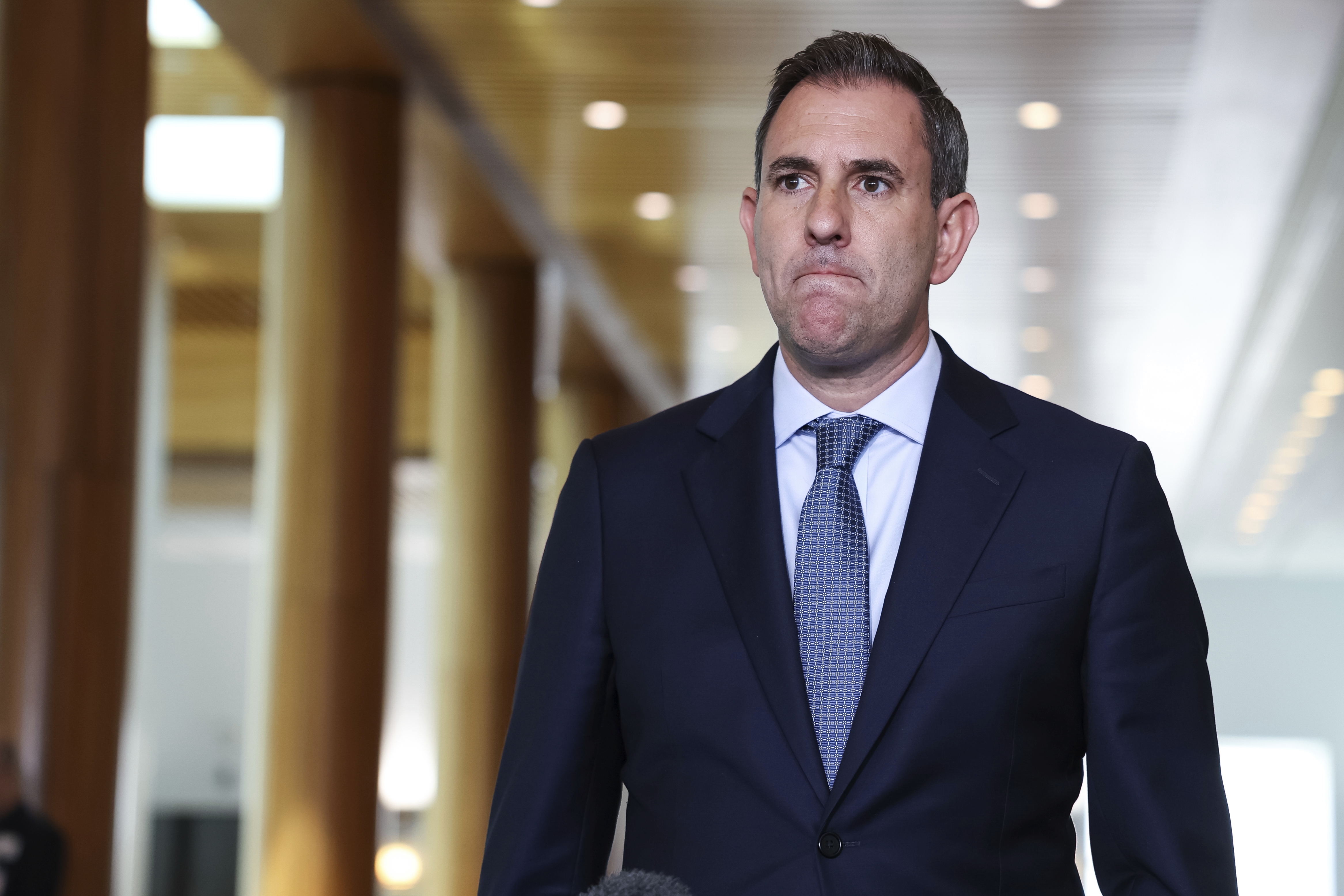
The government also appears to be gearing up to hand down a significant, reform-filled federal budget, which may include changes to the contentious capital gains tax discount for property investors.
Chalmers has said the May 12 budget will include both productivity and savings measures.
Economic thinktank the e61 Institute today added its voice to the chorus calling for reform, releasing a new report which stated the tax system can't support current spending levels, and must be improved.
"There is no imminent debt crisis, but with renewed pressures ahead – like an ageing population and slow productivity growth – Australia's fiscal options are narrowing," chief executive Michael Brennan said.
COST OF LIVING: The super mistake which could cost young Aussies $128,000
"With the tax system as it currently stands, we will be asking workers to pay a larger share of their income to fund a fiscal gap that has been building for two decades – and that's before any new spending commitments are added to the ledger," he added.
"Without tax reform, spending restraint will be needed to avoid burdening future generations with a fragile, inequitable and inefficient Australian economy."
In his comments to the AFR, Irvine said the upcoming budget was crucial, pinpointing housing and construction, energy prices, and private spending as particular areas to focus on.
FINANCE: Surprise benefit households get from stronger Aussie dollar
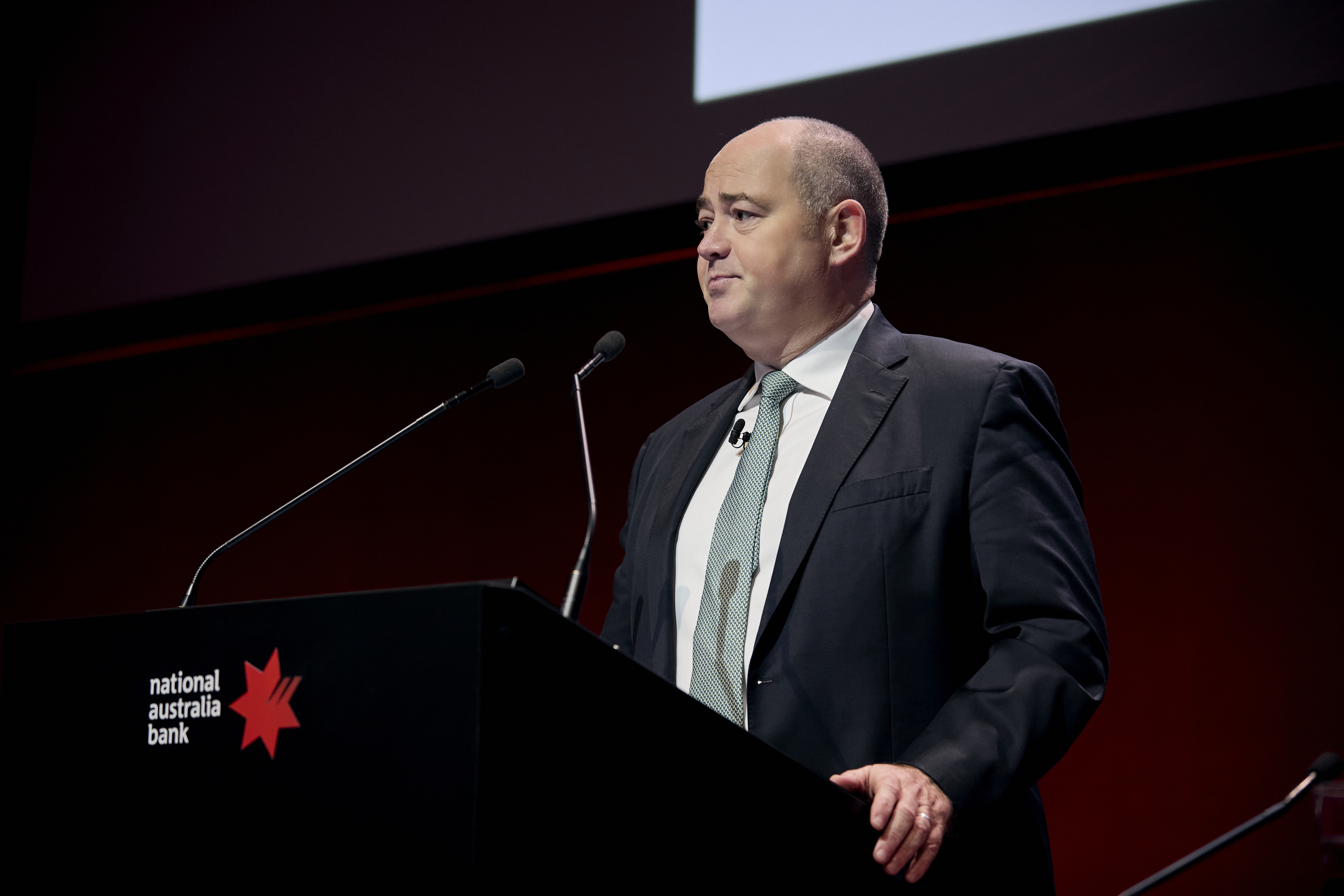
"The May budget is key, and the treasurer has indicated that we should have high expectations for that budget from a productivity perspective," he said.
"We're looking forward to hearing what he has to say."
Irvine's remarks were delivered on the same day NAB posted its first-quarter profit for the 2025-26 financial year.
Net profit was up 30 per cent year-on-year to $2.2 billion, which was welcomed by investors; the bank's share price rose some 4 per cent yesterday following the results announcement to reach a record high just north of $47.
NEVER MISS A STORY: Get your breaking news and exclusive stories first by following us across all platforms.
- Download the 9NEWS App here via Apple and Google Play
- Make 9News your preferred source on Google by ticking this box here
- Sign up to our breaking newsletter here
 TV host lashes his own network for stopping interview being aired
 US ready for military strike this weekend, sources say
 Australian man charged with child sex offences after airport luggage find
 Australia heads world table for fatal shark attacks
 Aussies back tax hike after senator's beer vs gas exchange goes viral
 50,000 Aussies just got a new job - but there could be an unwelcome flow-on effect
 Trump warns UK against giving away key military base
 Council apologises after drivers overpay on hundreds of parking fines
 Perth council offers $50 reward in new bin sorting crackdown
 The super mistake which could cost young Aussies $128,000
 'ISIS bride' banned from returning, minister confirms passports
 Surprise benefit households get from stronger Aussie dollar
 Nurse assaulted in alleged racist attack at Geelong gym
 Sydney was the hottest place in Australia before a sudden downpour
 NSW's new public holiday to bring financial pressures to small businesses